| Author |
 Replies: 26 / Views: 3,922 Replies: 26 / Views: 3,922 |
|
|
|
Pillar of the Community
New Zealand
1679 Posts |
 We down under pick up the scraps 1 or 2 here and there so anyone who has more than 10 we  at the chance of getting them. Cheers Don
Vickies cents and GB Farthings nut.
"Old" is a figure of speech and nothing more
|
|
Pillar of the Community
 Canada
5660 Posts |
I believe that a few scraps got thrown down there to kiwiland.
|
|
Moderator
 Canada
10477 Posts |
Maybe it is the scientist in me, but I am just curious here... Three months of ebay observations showed you results similar to published results. Coincidence perhaps, or maybe not... rather than see this as a "coordinated attack", why not collect the same data for the next three months (using the same search criteria), and then compare your results between your two data sets?  "Discovery follows discovery, each both raising and answering questions, each ending a long search, and each providing the new instruments for a new search." -- J. Robert OppenheimerContent of this post is licensed under a Creative Commons Attribution-NonCommercial 3.0 Unported License. See: http://creativecommons.org/licenses...0/deed.en_USMy eBay store
|
|
Pillar of the Community
 Canada
1442 Posts |
I like it!  you know I'm the one that keeps pushing the zapper  |
|
Valued Member
United States
302 Posts |
Sounds like a good idea to me, too.
Back in the 1970s,I had access to a large hoard of Victorian cents and bought out of it to begin my collection of Victorian cents by die. There were more than 50 1858s in that group. Based on the "party line" mintage of 421,000, I expected to find only a few reverse dies represented. There were actually many more, enough to represent a clear signal that the actual mintage must have been significantly higher. We now know the 421,000 mintage figure to be completely false, borne out of a reporting error by the Mint itself.
|
|
Pillar of the Community
Canada
3234 Posts |
Quote:
Back in the 1970s,I had access to a large hoard of Victorian cents JHax, Did you also sort through the W9 over 8's at that time, and if so, how many different dies did you find in your quest..? |
|
Valued Member
United States
493 Posts |
I've managed to collect 13 different reverse's for the 9/8's. To the best of my knowledge there are at least 14 of them identified to date.
|
|
Moderator
Canada
10477 Posts |
Welcome back to CCF Dan... Bill and I shared a coffee yesterday and your name came up in conversation...
"Discovery follows discovery, each both raising and answering questions, each ending a long search, and each providing the new instruments for a new search." -- J. Robert OppenheimerContent of this post is licensed under a Creative Commons Attribution-NonCommercial 3.0 Unported License. See: http://creativecommons.org/licenses...0/deed.en_USMy eBay store
|
|
Pillar of the Community
Canada
5660 Posts |
Hi Dan, welcome back to the site after your small break. Roger and I talked a little about the old days and Expo/Torex and research that we all conducted. You should try to make it up to the T.O. Expo the very end of May and June 1 ... won't it be good to get out of Chicago and up here to where you like to visit?
|
|
Valued Member
United States
302 Posts |
I was more interested in other dates/varieties and, having very limited time, didn't spend much time on the overdates in the hoard. I'd already previously looked at the overdates fairly carefully and identified 11 overdate dies. Consequently, in the first edition of Coins of Canada in 1971 that I wrote with the late Bob Willey, I stated that there were "at least eleven" overdate cent dies. That was long before Rob Turner did his work. As far as I know neither Rob nor anyone else (other than me) has ever referred to my statement. In an earlier post in this thread, Rob noted a paper I published in which I gave estimates for the mintage of the three varieties: 1858, 1859/8 and 1859 N9. The method I used was quite simple and was based on the numbers of dies believed used for each variety. The total mintage is conclusively known to be 9,690,388. We can use this and the current best guesses on the die numbers to calculate the mintages of the individual varieties. I'm very confident (based on studying the original die records, including the timing of producing the various die batches) that the total number of 1858 reverse dies originally made was 66. That includes dies that remained dated 1858 and those that were overdated to 1859/8. For our business strike mintage calculations we must subtract one 1858 specimen die apparently not later used for business strikes. Subtracting from 65 the number of overdated dies (let's use Dan's 14) gives us a total of 51 unaltered 1858 dies used for business strikes. Further analysis of the die records yields a total of 362 dies used for all varieties, so the 1859 N9 is represented by 362-65 = 297 dies. Multiplying the die fractions by the total mintage (and rounding off to the nearest 100,000) gives us the following mintages: 1858: 51/362 x 9,690,388 = 1,365,200; 1859/8: 14/362 x 9,690,388 = 347,700 and 1859 N9: 297/362 x 9,690,388 = 7,950,400. According to my method the mintage ratio of overdates vs. 1858 is relatively lower than in Rob's analysis or the contentious ebay sample. Which method is more accurate (Rob's, mine, ebay)? Who knows. If more than 14 overdate dies were used, that would increase the overdate mintage and lower the 1858 mintage, sending the ratio in the direction of Rob's. Anyway, it's fun (or should be) to compare. I know "fun" is relative, but down here in the U.S. we have the constant news of the Tweeter in Chief and the exploding-head liberals, sprinkled with a dash of fake news for flavor. That's a lot for a poor senior to digest and it's definitely less fun than contemplating the relative mintages of varieties! Edited by JHax
03/12/2017 12:24 am
|
|
Pillar of the Community
Canada
3234 Posts |
Quote:
That's a lot for a poor senior to digest and it's definitely less fun than contemplating the relative mintages of varieties! You are right again.."It's a lot more fun to play in our varieties" than contemplating what's going to be in the next tweet . Thanks so much for this detailed answer. You and Rob have certainly given many of us here a lot of joy in establishing proper search methods in hunting for these different varieties.. Jim and Rob,...Thanks again..!! Here is an example of Rob's OA1/RD14....a quite elusive die pair.. 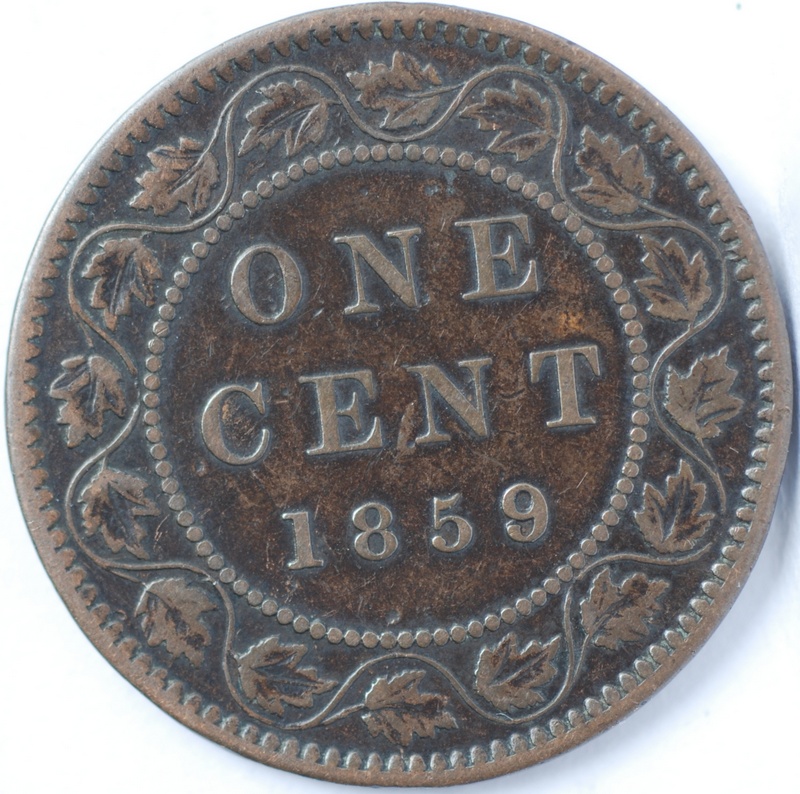 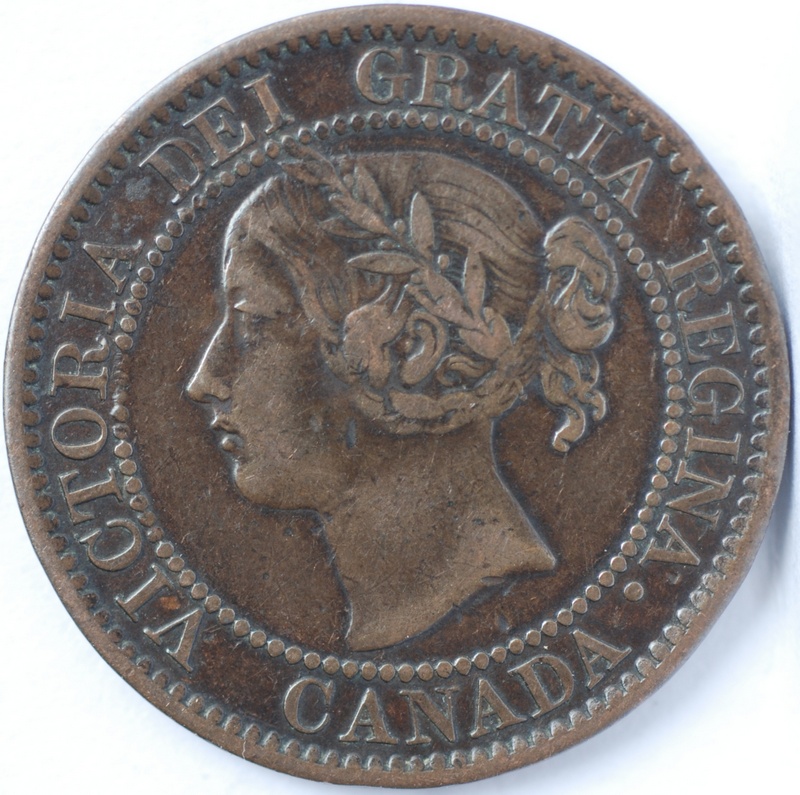 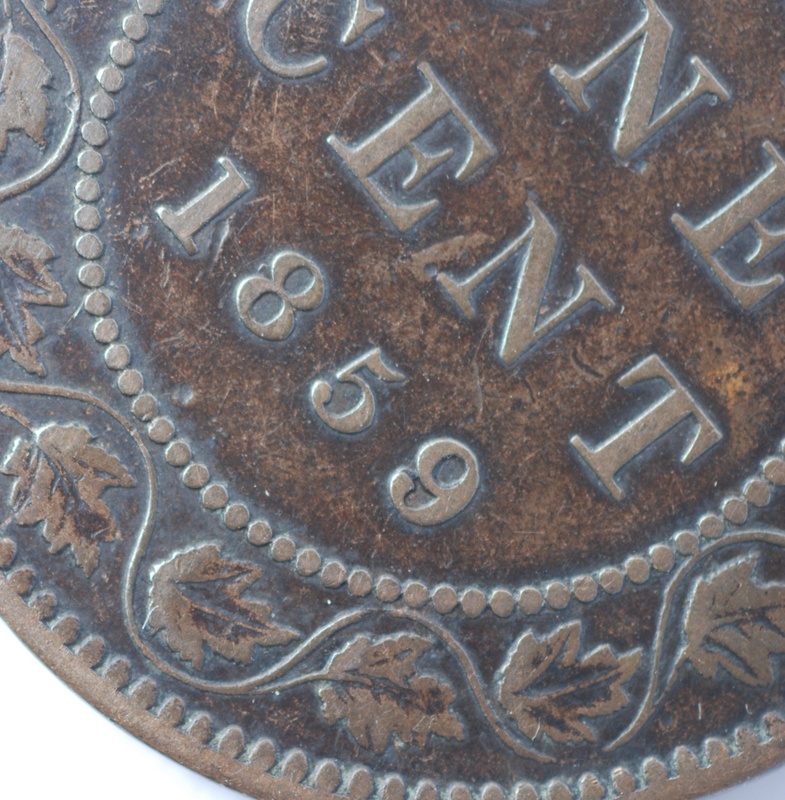 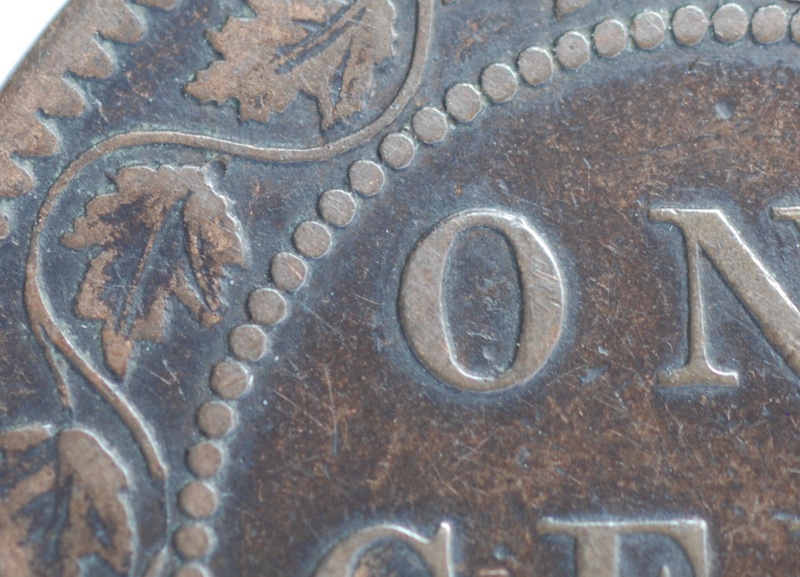 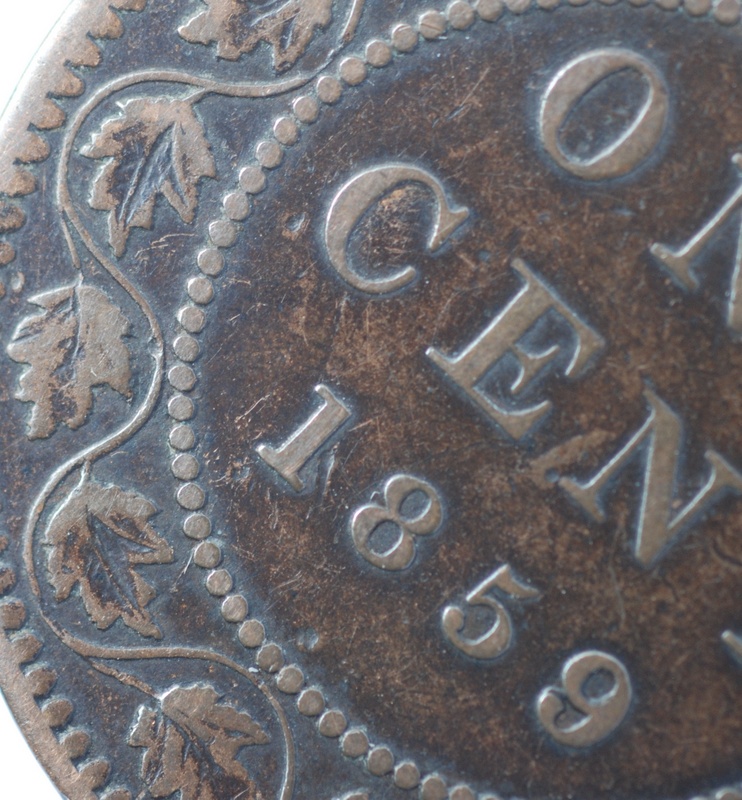 |
| |
Replies: 26 / Views: 3,922 |







 First Page


 Posted 03/09/2017 8:43 pm





