










 Posted 03/14/2017 11:08 pm


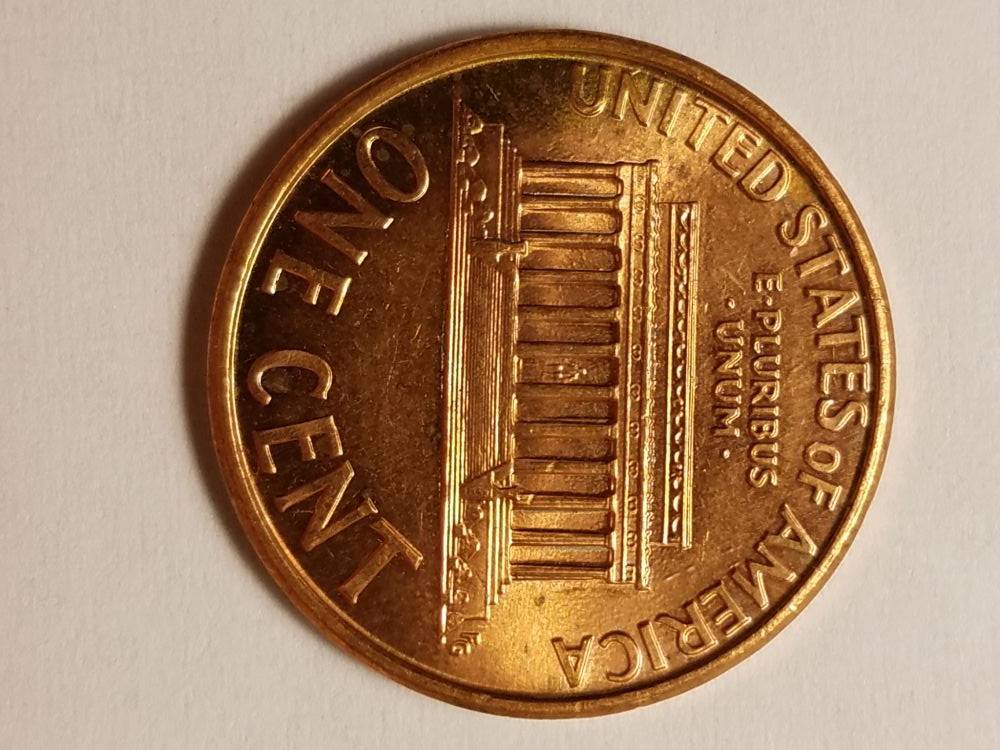
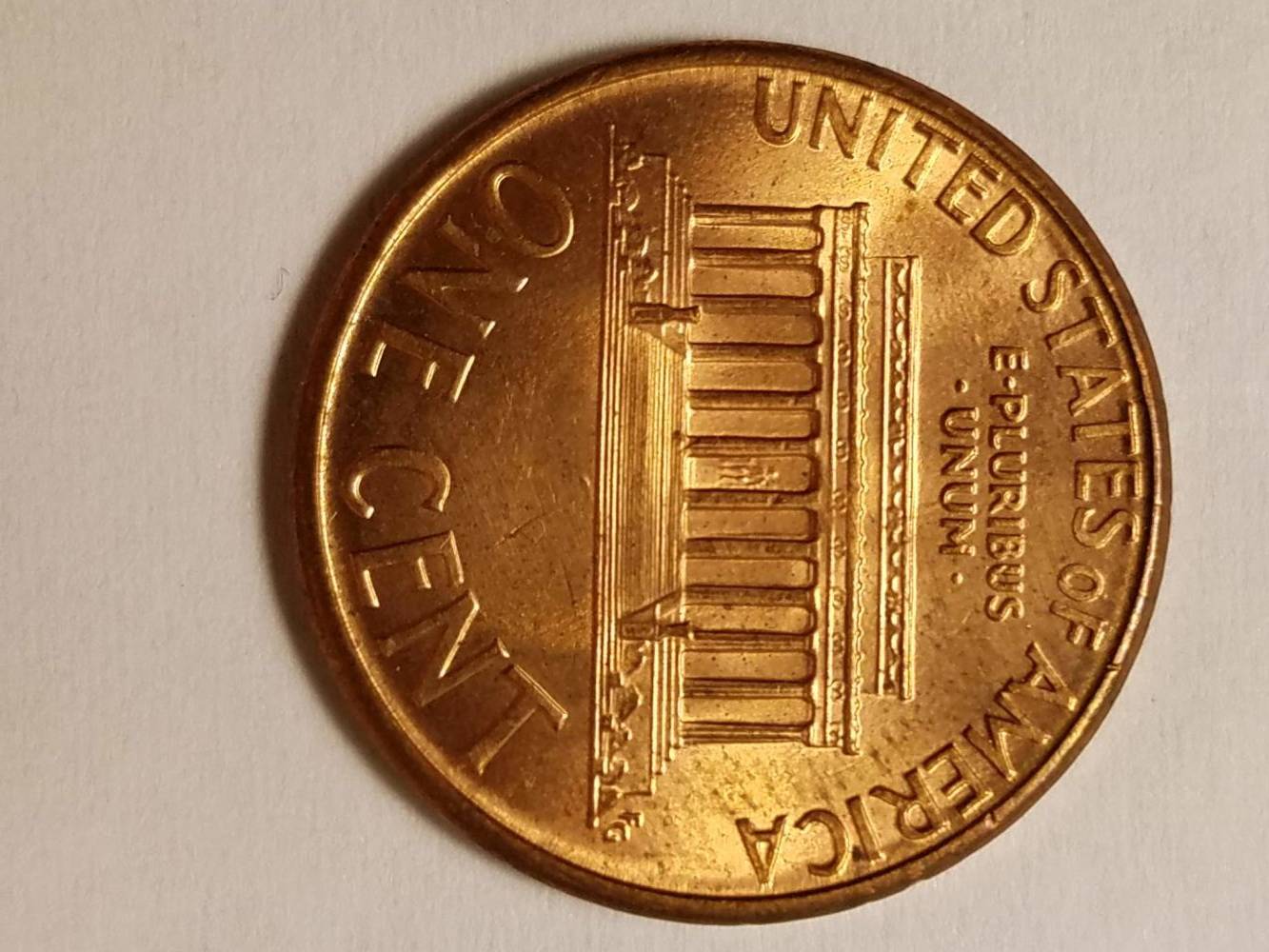
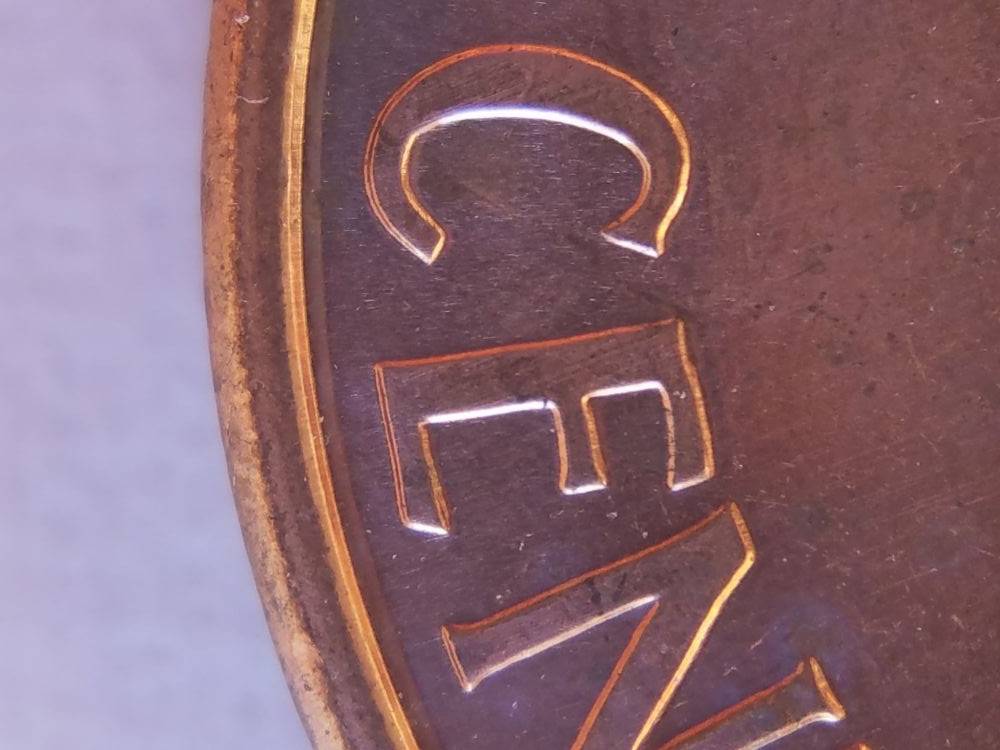
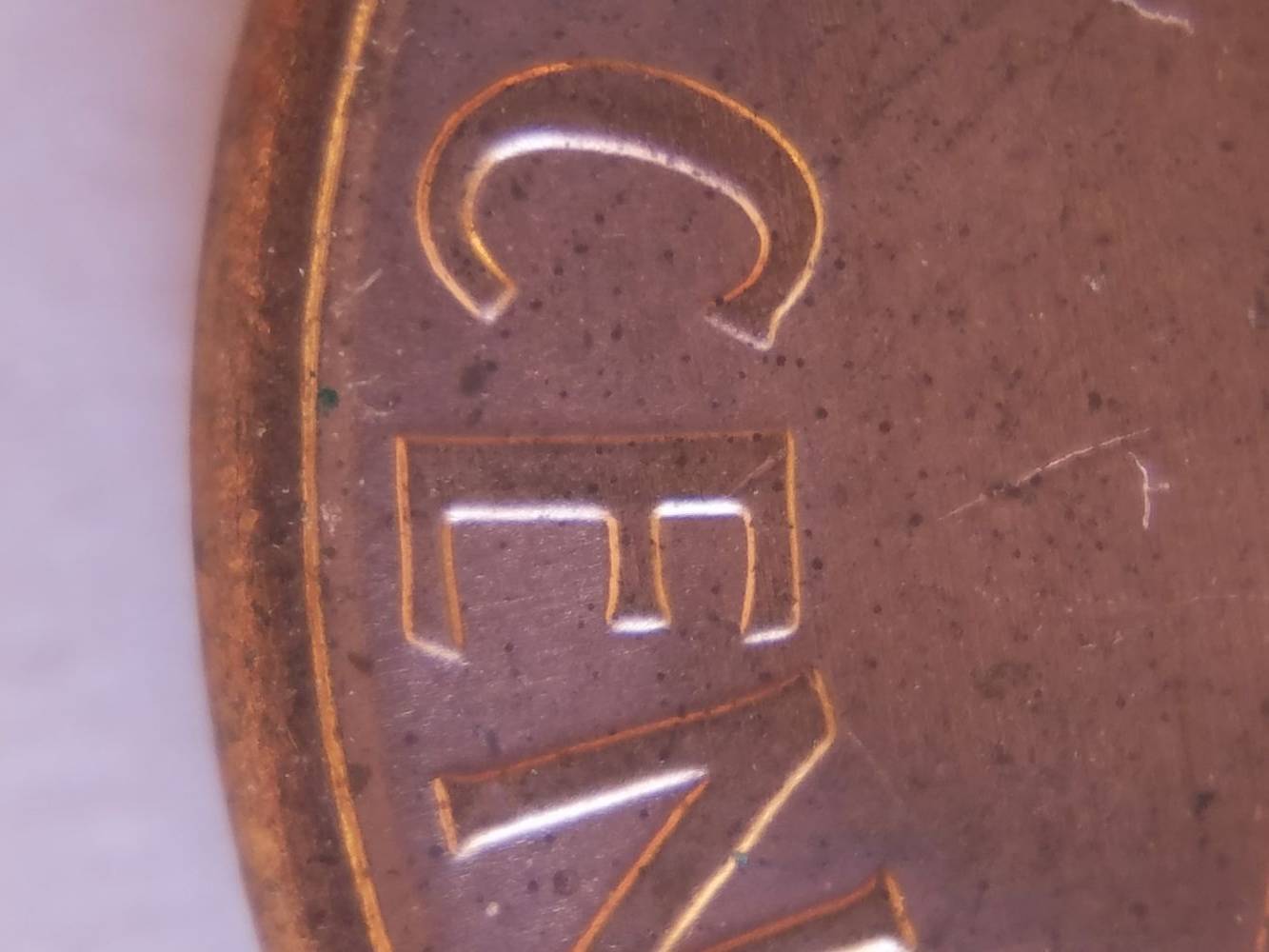
It is a result of striking and letter fill. When the coin is struck the metal is moving outward toward the rim of the coin. On letters that have vertical features such as E, D,I etc they fill first at the outer edge and then moving back toward the center. If the strike ends before the letter fills completely you can have a dip or curved top at the part of the upright toward the center of the coin.This is frequently see on the early US coins where it is known as bifurcated letters. It is not an error or variety, just a feature of the striking.
Here is a good strong example of bifurcated letters on a 1794 cent. On a wel struck coin the letters are flat on the bottom.
.jpg)
Here is a good strong example of bifurcated letters on a 1794 cent. On a wel struck coin the letters are flat on the bottom.


