| Author |
 Replies: 16 / Views: 3,045 Replies: 16 / Views: 3,045 |
|
Valued Member
United States
234 Posts |
|
|
|
|
New Member
United States
38 Posts |
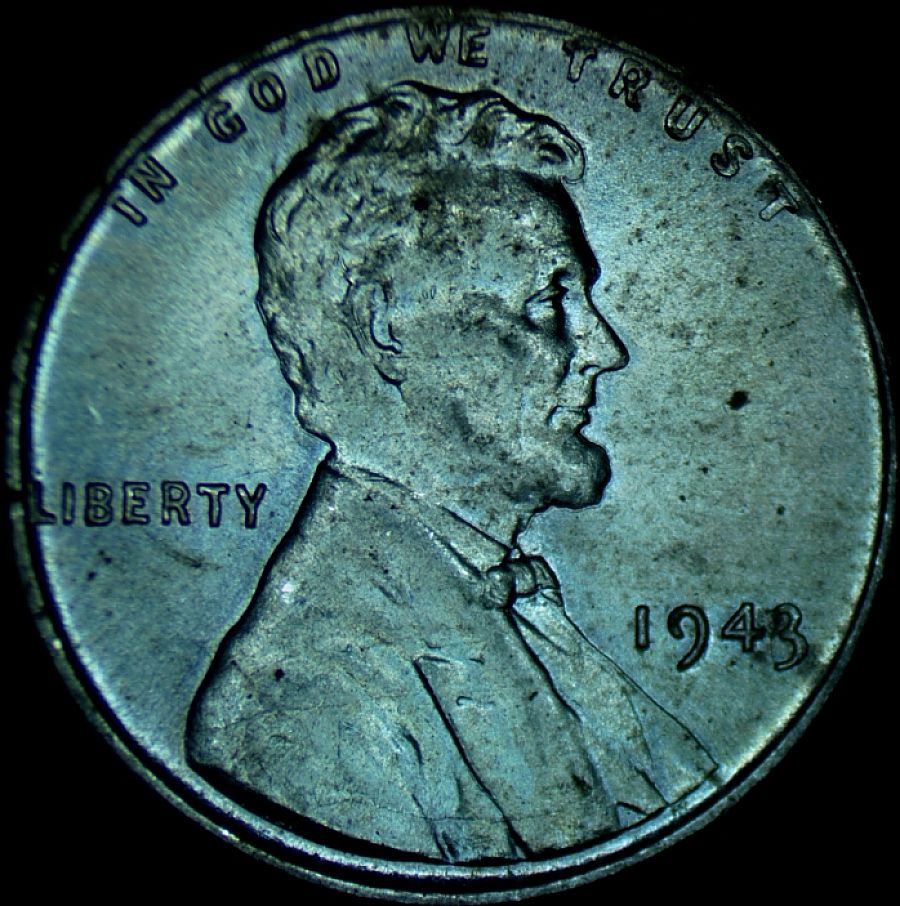
It almost appears to be a lamination crack more than a die break. Just my humble opinion but could have been a weak spot on the blank that separated durning the press. I might be wrong but with it curving around like that doesn't seem like a crack would do that from the die cracks I have found. Cracks are normally straight or have jagged abrupt angles in my experience. Good find regardless.
|
|
Valued Member
 United States
234 Posts |
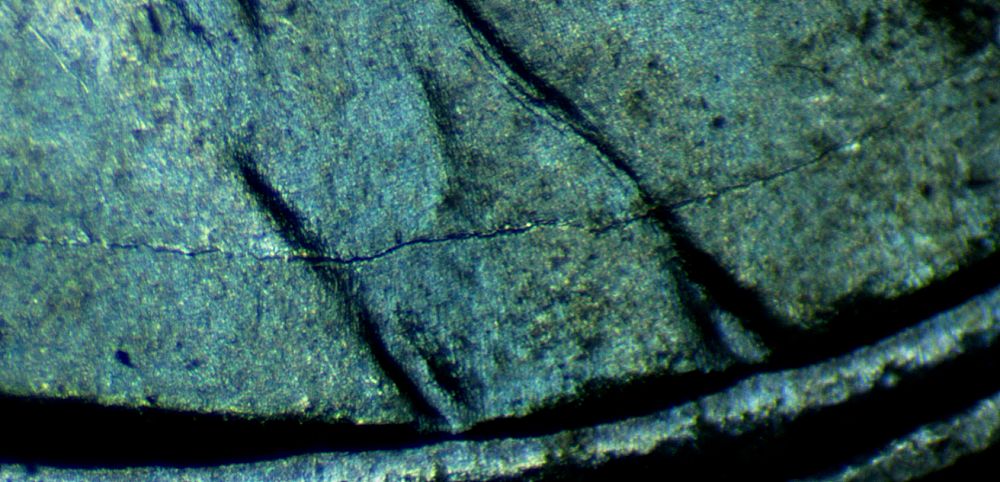
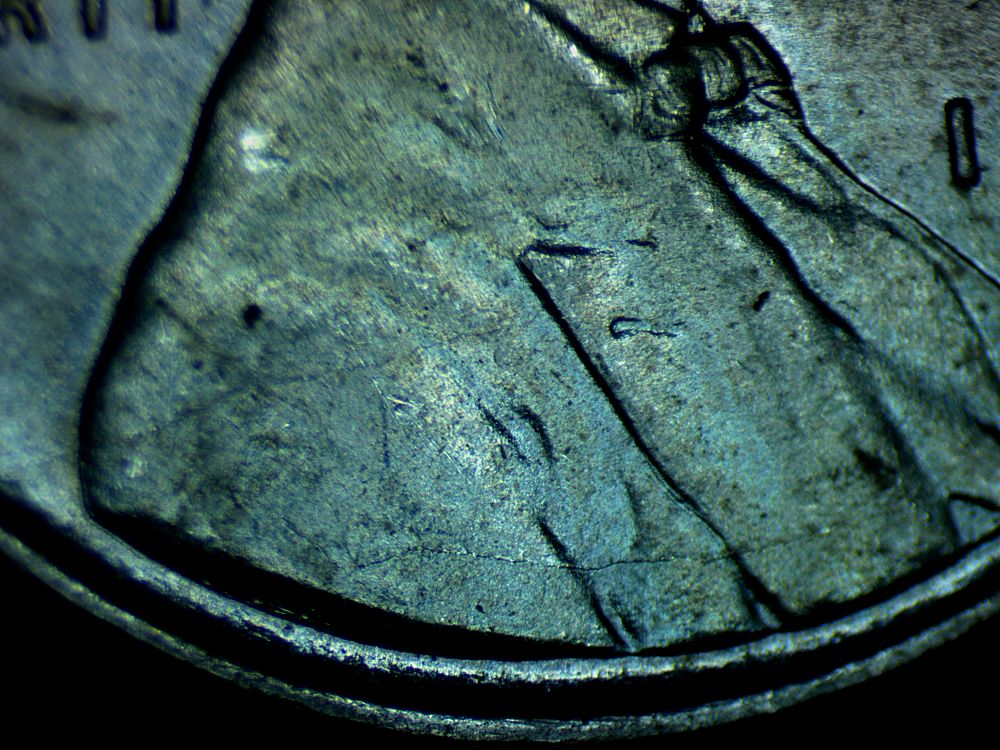
So a little closer examination of the coin up very very close and at several different angles, I have discovered that this crack actually starts at the far bottom right.. where the jacket fold meets the rim of the coin, travels up slightly and then all the way to the left off the back end of the bust and then down again to the rim.. there is definitely a drop off of thickness of the bust below this line.. looking at it from an angle down across the crack it looks as if a very thin layer of the coin is gone below this crack.. is that a lamination peel? Was it caused by a die crack possibly?
** Examination of the second coin with this feature reveals the same thing.. the difference in thickness of the coins surface across this area is making this look like a crack..
Edited by rmsexauer
05/10/2017 02:37 am
|
|
Pillar of the Community
United States
3656 Posts |
|
|
Pillar of the Community
United States
5825 Posts |
I'm on the side of it being a die crack. And if it goes to the rim at both ends I'd agree to an early state Retained Cud. Those steel planchets played havoc with the dies. |
|
Valued Member
United States
234 Posts |
So I'm trying to understand the process of how this happens.. I've also seen this same thing on the bottom of the bust of some Washington quarters.. in all the photos of die breaks, die cracks, retained cuds/breaks on that site you shared, I don't see any where a thin layer of the coins surface is gone.. ? I was assuming in all of these scenarios listed that there would be if anything some additional metal material on the surface of the coin not less or missing material? Edited by rmsexauer
05/10/2017 1:02 pm
|
|
Pillar of the Community
United States
3656 Posts |
the 1943 were steel but they were coated with a thin layer of Zinc. So maybe the coating peeled off?
|
|
Valued Member
United States
234 Posts |
oh I'm certain the coating under the crack is gone.. but the question I am trying to figure out is why.. as I mentioned I've also seen this on Washington quarters so it isn't exclusive to the steel wheats and their zinc coating .. I'm wanting to figure out if it has anything to do with the die itself causing the removal of this area of lamination in both coin types Ive seen this on...Here is an example of the same missing layer phenomenon on a Washington quarter.. 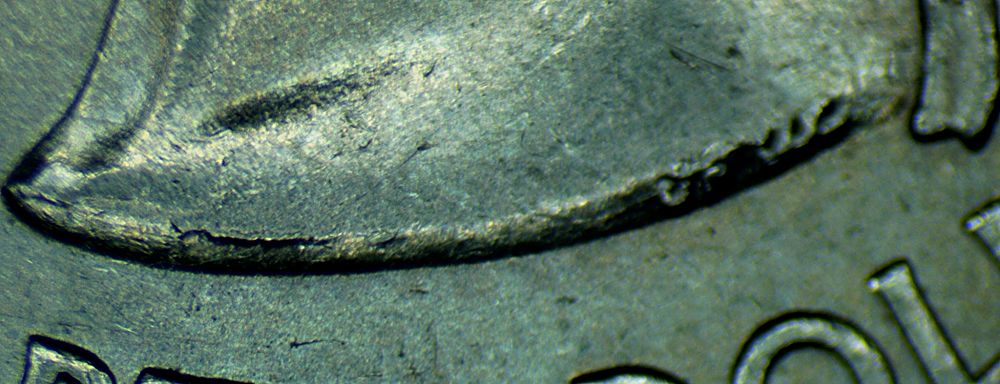 |
|
Pillar of the Community
United States
3656 Posts |
I'm sorry but I am lost. Todays quarters are pure copper 75% and the outer covering is copper mixed with nickel 25%. So we do see that some of the quarters are missing that outer layer of coating, but that is not considered a lamination. A Lamination I believe comes from the main material so for a quarter it is copper and the 43 cent it was steel. They are not related to each other though the Lamination has to do with the planchet and a die crack/break etc has to do with Die's themselves breaking.
I still have a lot of learning to do so I am curious as to how your questions will be answered by some of our other members.
Edited by CoinCents
05/10/2017 2:16 pm
|
|
Pillar of the Community
United States
3656 Posts |
John1, coop some help with this one please.
|
|
Valued Member
United States
234 Posts |
I showed the quarter one to my local coin store guy a few years back and he told me it was a die break.. I'm just not understanding how that would cause a layer of coin to be removed.. I was under the impression that die breaks and cracks would cause extra stuff on the coins surface.. when the die break is retained how does that affect things?
|
|
Pillar of the Community
United States
2403 Posts |
Quote:
I have discovered that this crack actually starts at the far bottom right.. where the jacket fold meets the rim of the coin, travels up slightly and then all the way to the left off the back end of the bust and then down again to the rim.. there is definitely a drop off of thickness of the bust below this line. Quote:
. I'm just not understanding how that would cause a layer of coin to be removed.. I was under the impression that die breaks and cracks would cause extra stuff on the coins surface.. when the die break is retained how does that affect things? My hunch is we are looking at a lamination error not a die crack. Edited by MontCollector
05/10/2017 10:20 pm
|
|
Pillar of the Community
United States
1781 Posts |
This is a rim-to-rim die crack. It is not a lamination crack nor is it even close to being a Retained Cud. 99%+ coins listed as Retained Cuds are not as the lister(s) suggest. See my ErrorScope article debunking the Retained Cud theory with images of actual dies. |
|
Bedrock of the Community
United States
62064 Posts |
I agree with Ken. It is a die crack. similar to one he posted once: 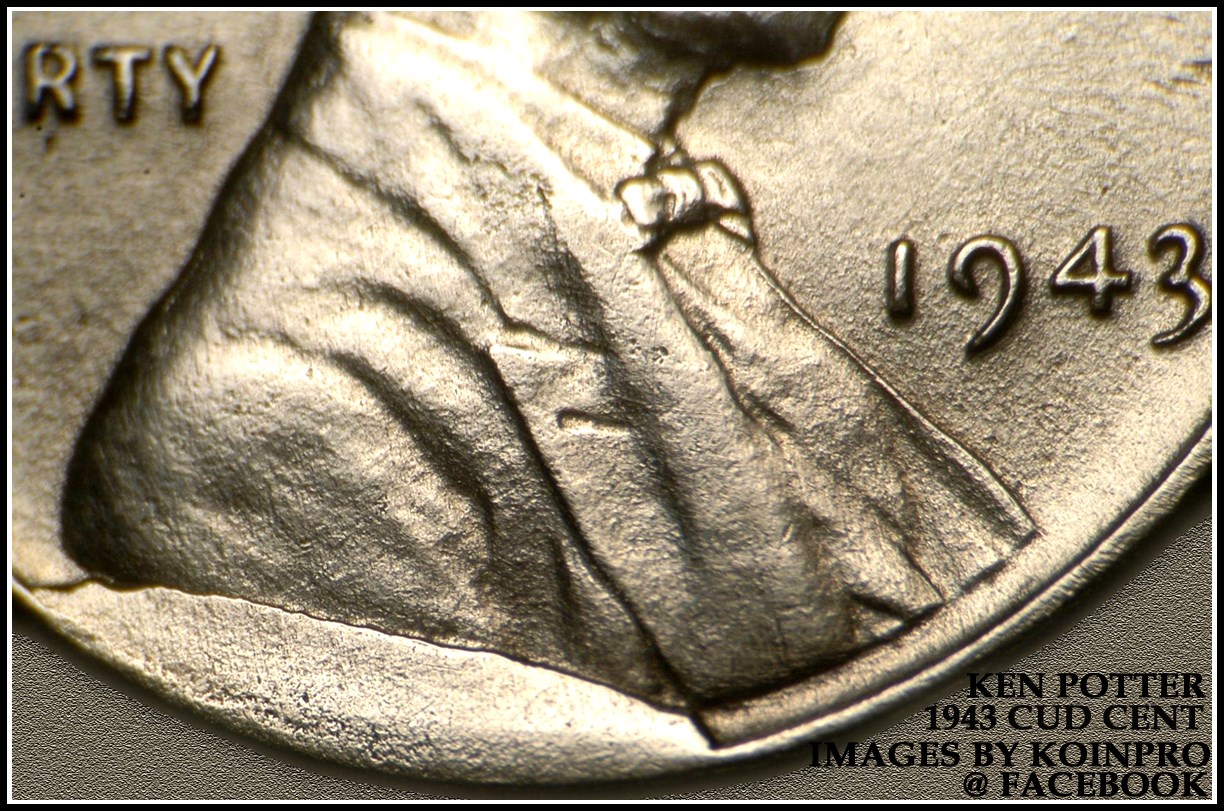 Just that part of the die has not broken away and spread out yet. |
|
Valued Member
United States
234 Posts |
I'm certainly cool with that information .. I'm still trying to understand though how the area below the crack is missing a thin layer?
|
|
Bedrock of the Community
United States
62064 Posts |
On the image I posted, the material is not missing. The die is missing that area of the design. So when this cracks and falls off then the design will no longer be formed as it was before it broke off. Here is what a Cud on a die looks like: 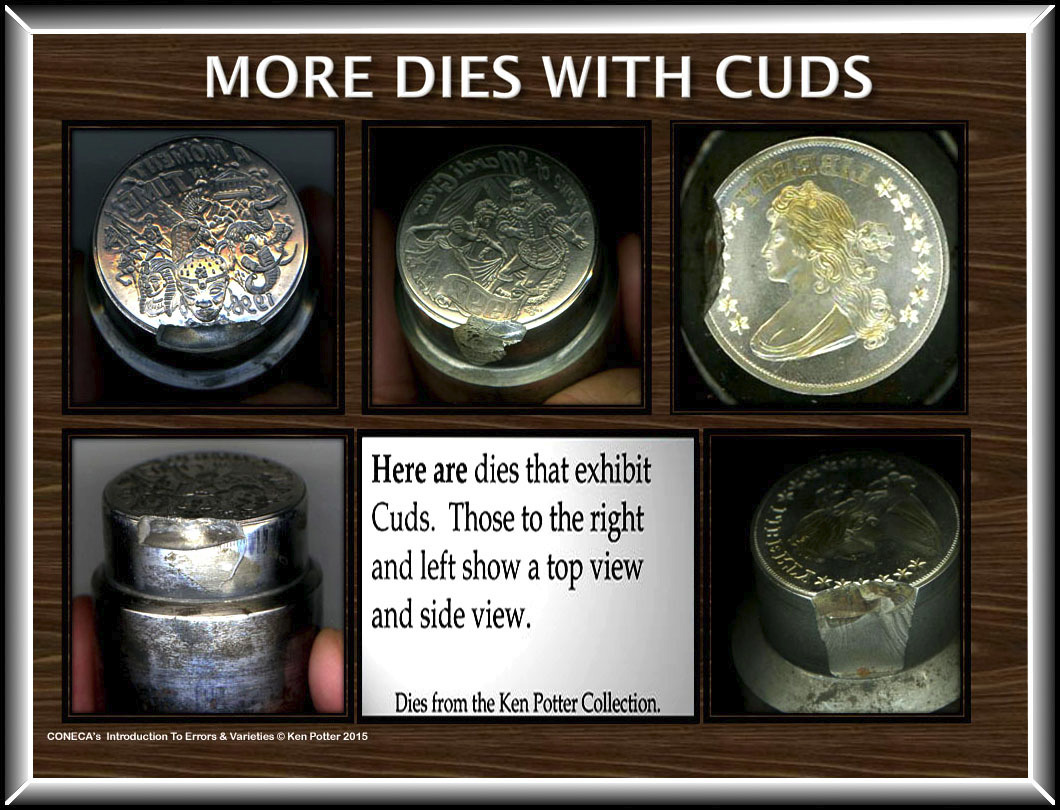 Note the area where the die material is missing? That is why it is not longer being shaped anymore. On the reverse side of the coin, where the Cud happened, the design will be weak on that area. 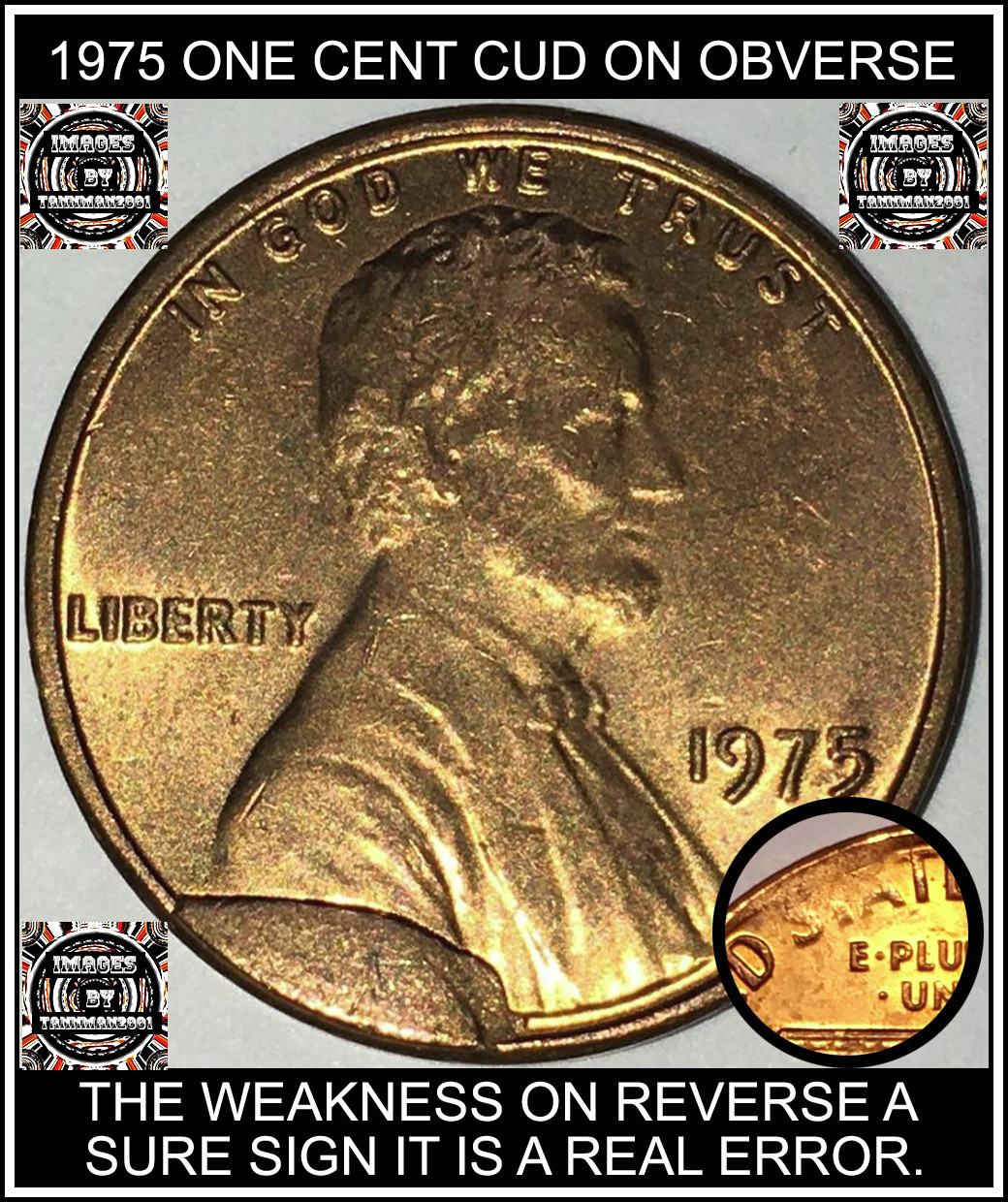 |
| |
Replies: 16 / Views: 3,045 |











 Posted 05/10/2017 02:32 am


