Hi guys, here's my latast acquisition..Sorry about the bad photos!
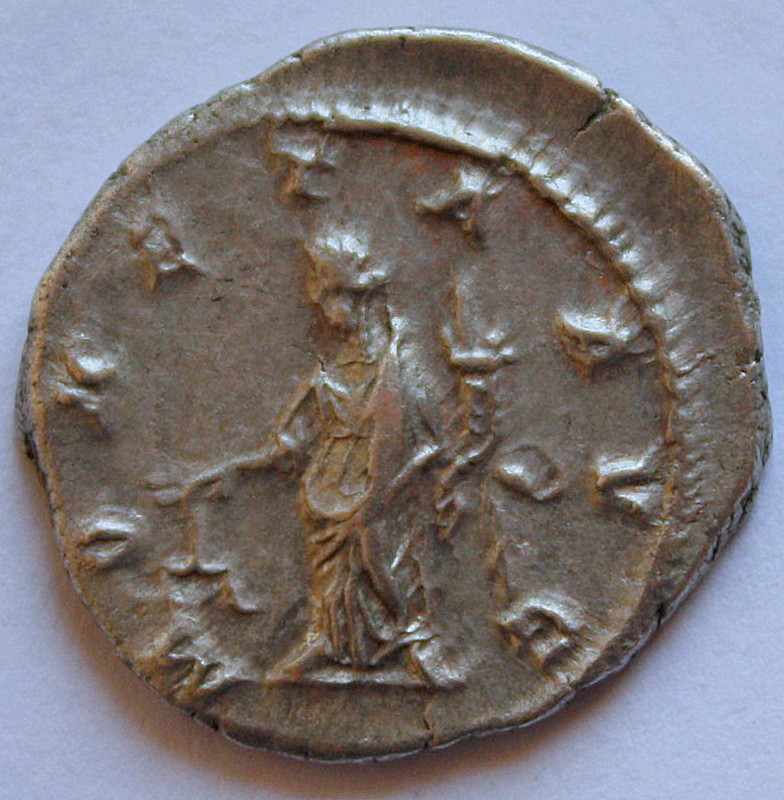
Nice old toning and the Obverse has good detail,slightly off centre on the reverse but I like it.

Coins of him have been posted alot lately so I didn't want to bore you with the same details so below there's some info about his name.
Caracalla. AD 198-217. AR Denarius (3,48g). Rome mint. Struck AD 212-213.
Obv-ANTONINVS PIVS AVG BRIT, Laureate head right.
Rev-MONETA AVG, Moneta standing left, holding scales and cornucopia.
RIC IV 224; RSC 165.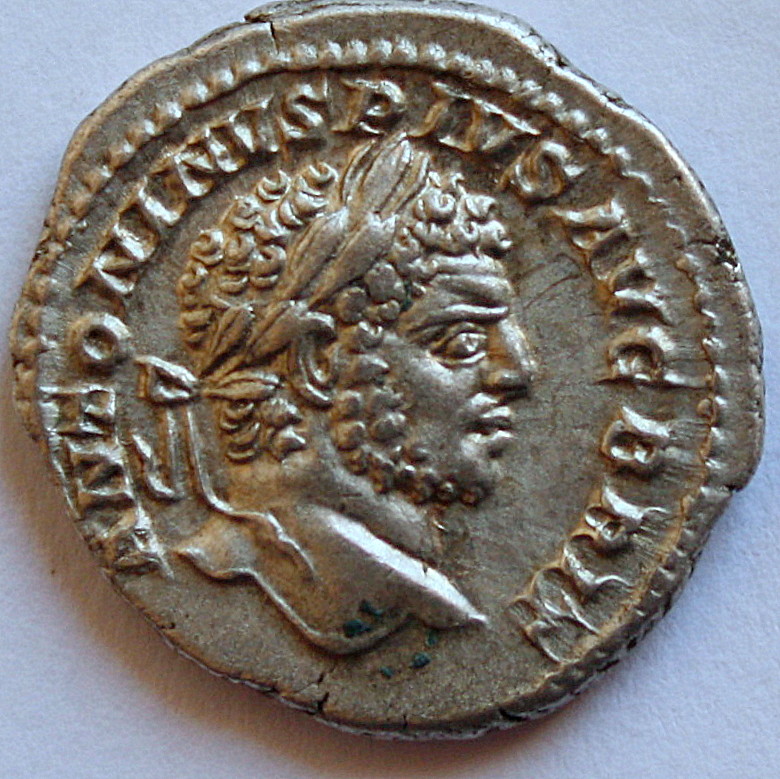
Whilst campaining in Syria and Mesopotamia he always wore German clothing leading him to invent a costume of his own.
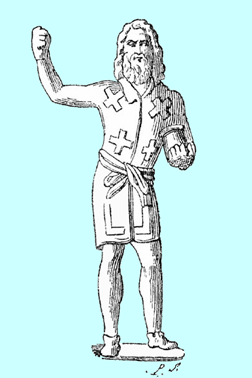
As you can see from the picture below, this garment (the caracalla), as worn in Gaul, does not appear to have reached lower than the knee, but the emperor modified it and had it lengthened so as to reach the ankles and a hood was added.
He not only wore this most of the time himself (in consequence of which he was given the
nickname Caracallus), but he also prescribed it as the regular dress for the soldiers and forbade any man of the people to appear at his receptions without it.
Basically the Gaulish caracalla was an outer garment (cloak) very similar in design to the Roman lacerna, one big difference being the caracalla was not woven of a single piece like most ancient tunics, but made of several pieces sewn together.
It later became common among the Romans, and garments of this kind were called caracallae Antonianae (major), to distinguish them from the shorter Gallic caracallae (minor).Both types (caracalla major and minor) are mentioned in Diocletian's price edict, along with the birrus, the braccae and other articles of clothing made by braccarii, or tailors.
Thanks to Bill Thayer's website..well worth a visit ..link below.
 http://penelope.uchicago.edu/Thayer/E/home.html
Saludos Paul










 Posted 06/06/2017 05:56 am


 something I'm going to work on this year....any tips for starters?
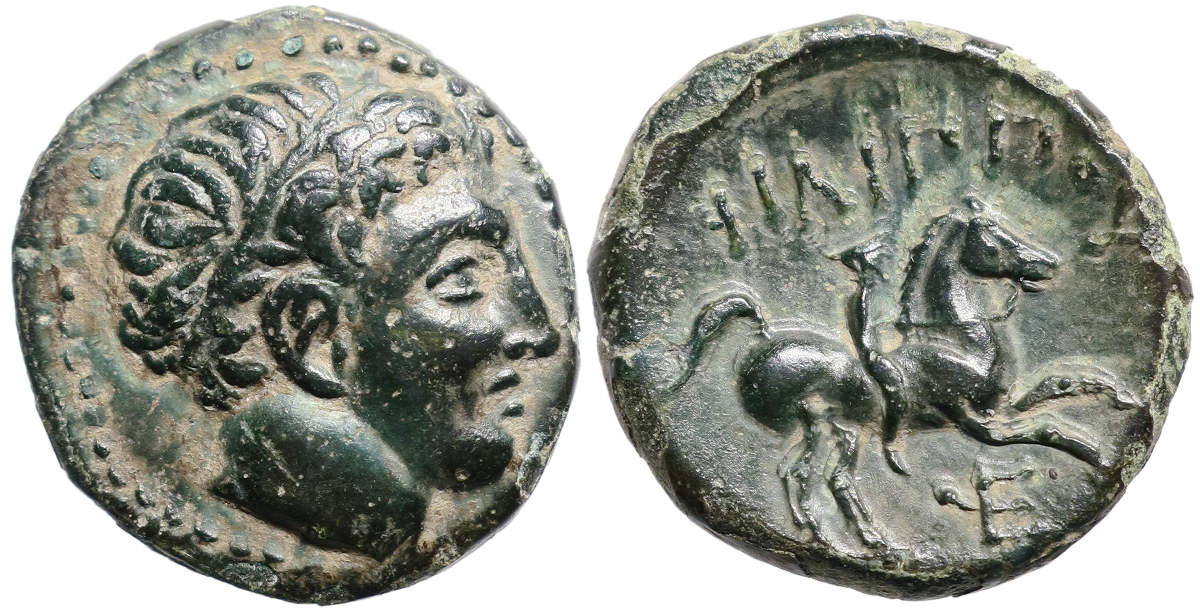
 nice photo there!


