| Author |
 Replies: 20,486 / Views: 973,738 Replies: 20,486 / Views: 973,738 |
|
|
|
Pillar of the Community
United States
2111 Posts |
Here is my entry, 1723 1 Shilling. 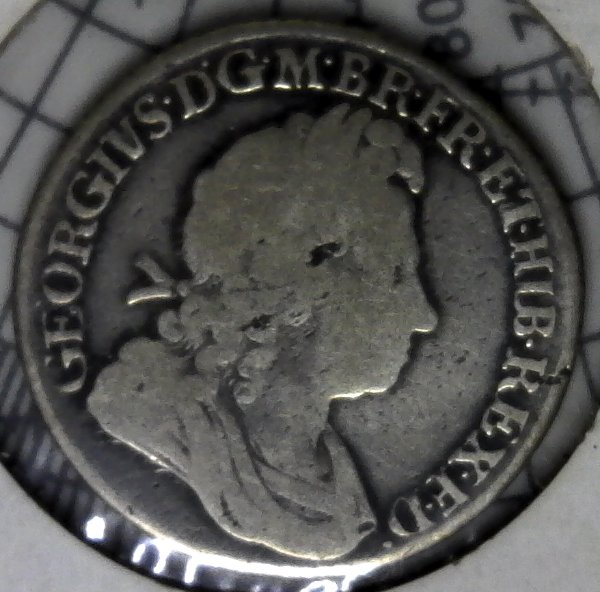 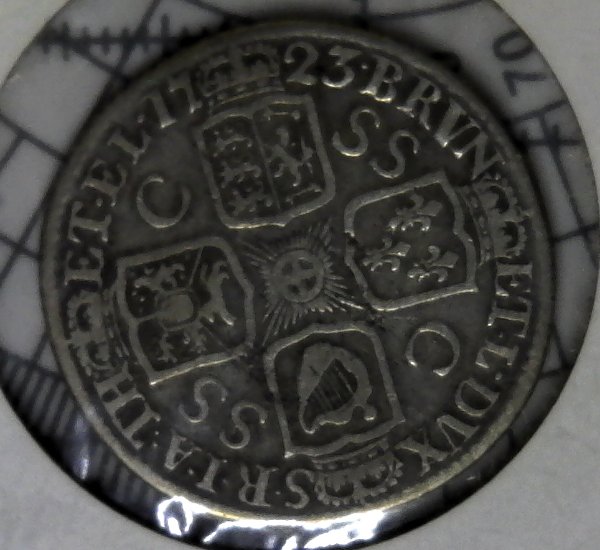 Hope you Like it!! "LOVE THE HUNT!"
Edited by arby96
09/18/2018 6:10 pm
|
|
Rest in Peace
10197 Posts |
But I am still a bit befuddled. As Arby just posted a coin, I have many of the 16th and 17th century that have visible dates,but lack a distinct "Eine Thaler" or "1 Dinero" written on coin...those like Arby's are recognized by size, weight and designs. What is is, a full date and named denomination on the coin or can it be anything really, from a Roman Bronze where the Emperor is know as a one year issue even. Where's the dividing line JBuck?
My oldest visable date/denom are the Conder Token HalfPennys of the 1790's Or a Hungarian Denar dated 1535 that doesn't say Denar?
Edited by Crazyb0
09/18/2018 6:39 pm
|
|
Pillar of the Community
United States
2643 Posts |
|
|
Pillar of the Community
Russian Federation
5186 Posts |
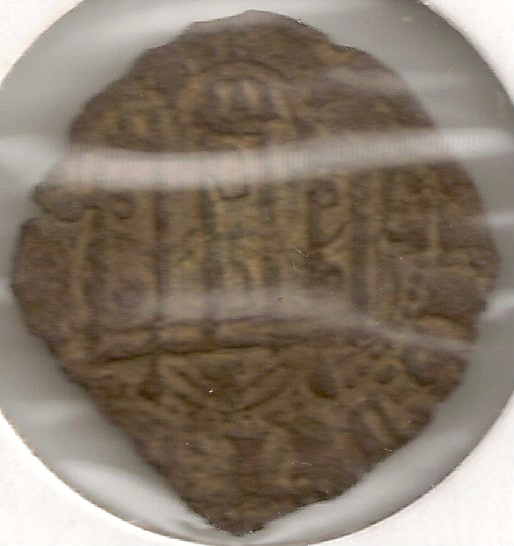
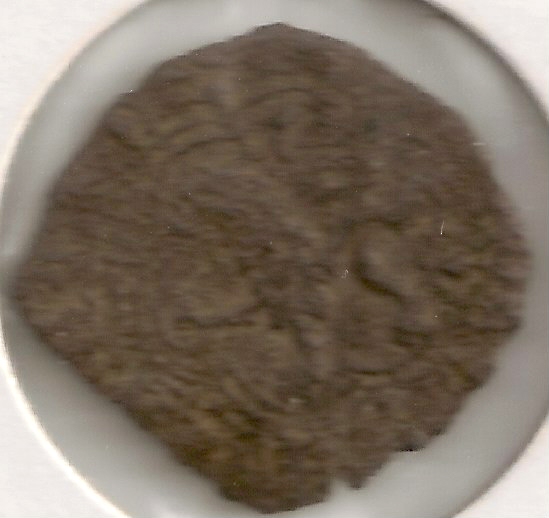
I have some much older coins in my collection, but this one at least directly gives the denomination (...well, is supposed to, some of it is off flan), and as far as low denominations go it's hard to get lower than that. 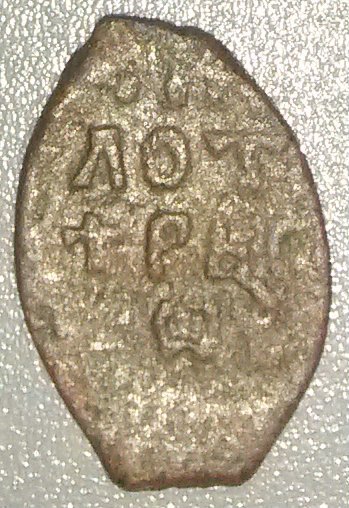 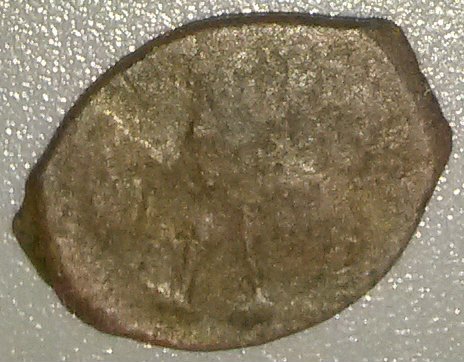 Tsardom of Russia (or Grand Principality of Moscow), Ivan IV (the Terrible), ca. 1540-1580, AE pulo of Tver (ca. 1/60 denga = 1/120 kopek = 1/12000 ruble). Numista 113318 (not my specimen, but mine is also 11x8 mm and 0.39 g). Not willing to deal with the mess of other references. Obverse: bird walking left (only legs really visible on my example) Reverse: (approximately) .Π[Y.]/ΛOT[B]/&PbC[K]/ωE (translation: Pulo of Tver) There's some confusion about when exactly were those diminutive pieces of copper made, but it's generally believed to have happened sometime during the reign of Ivan IV - well after the independent principality of Tver had been absorbed into Muscowy, and very possibly even after the declaration of the Tsardom of Russia in 1547. What is clear is why they were made - to provide for small change. Prices in Ivan the Terrible's Russia were extremely low by modern standards, so a pulo could actually buy something - as far as I could tell from some googling of historical prices, about as much as a dollar bill could today. |
|
Moderator
 United States
195559 Posts |
Stop thinking about this too hard.  Just find your oldest low denomination coin/token and post it. I do not care if it says it or not as long as it can be attributed.  |
|
Pillar of the Community
Russian Federation
5186 Posts |
Quote:
Just find your oldest low denomination coin/token and post it. I do not care if it says it or not as long as it can be attributed. Well, that already rules out my oldest coin (it's one of a bunch of very similar types, and I don't know enough and/or can't see enough details to be sure which particular type it is, which means I can't actually attribute it). I'll have to look through my collection for the oldest coin that 1) I can attribute and 2) I know the denomination of (I'm not willing to accept the likes of "AE17" as a denomination, if nothing else then because the same type can just as easily be AE16 or AE18). |
|
Pillar of the Community
 United States
6130 Posts |
Fascinating little copper, j1m! I struggle to believe it had a value of $1 though... that would mean that a teeny little wire kopek would have enough purchasing power to feed a medium to large size family on bread and meat for a week! Or is that an accurate assessment? Anyway, I'd be remiss if I didn't share some of my low-denomination ancient coins! Easily the most famous, the Judaean "widow's mite" lepton struck under Alexander Jannaeus in the early 1st century BC, but accepted well into Roman times at the rate of 2 Lepta = 1 Quadrans. The Quadrans was 1/4 of an As, which could buy a substantial loaf of bakery-fresh bread; a Quadrans was "beggar's money" and a lepton was a laughably small denomination, hence why the poor widow was scoffed at for placing two in the collection plate. 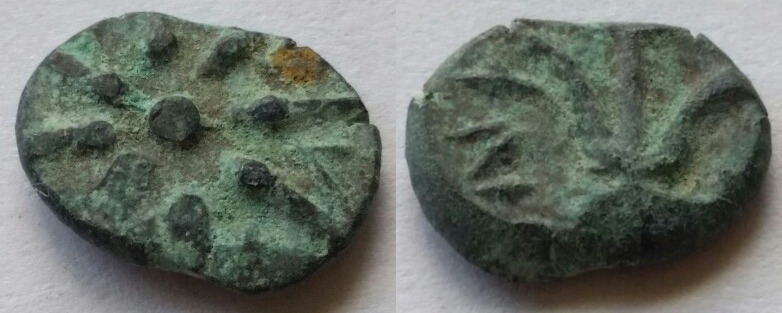 Before the Greek monetary system had matured enough to accept bronze coinage at fiat value (e.g. 400 BC), all denominations were struck in precious metal. The most common trade value was a drachm, worth probably $20-50 equivalent in modern terms. The obol (1/6 drachm) was a common denomination of "spending money" with the tetartemorion (1/4 obol) being one of the smallest denominations, although we cannot be sure how widespread they were due to extremely low survival rates. The absolute smallest denomination at less than 0.1g (nominally 0.0875) was the Hemitartemorion, or 1/48th drachm 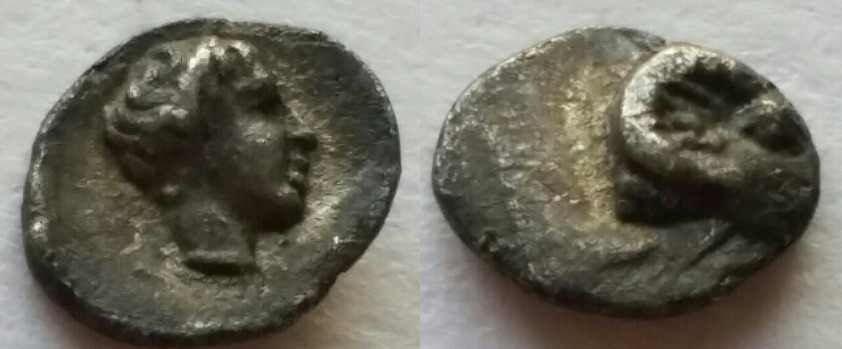 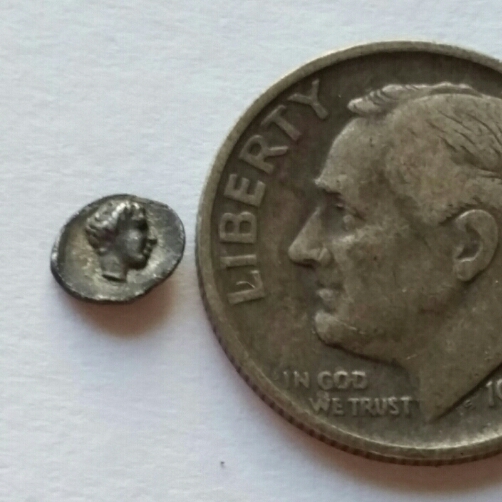 |
|
Moderator
United States
195559 Posts |
Looking good.  |
|
Bedrock of the Community
United States
12477 Posts |
It isn't very pretty, but I'll go with this (being one of a couple "1/2" denominations I have): 1886 Japan 1/2 Sen (1/200 Yen) 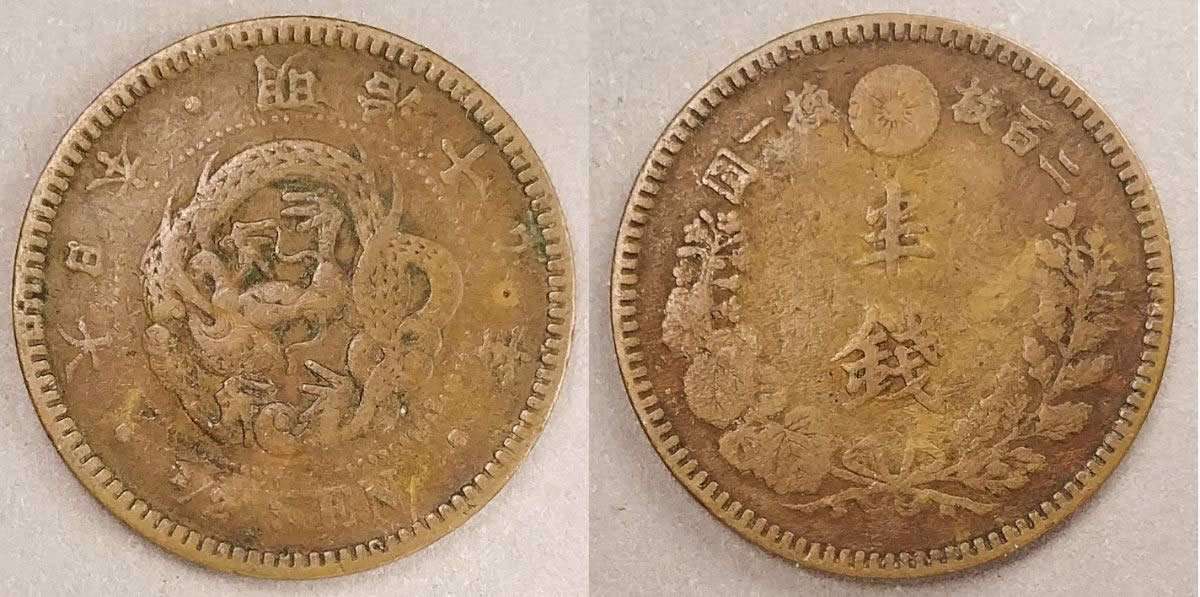 In Memory of Crazyb0 12-26-1951 to 7-27-2020
In Memory of Tootallious 3-31-1964 to 4-15-2020
In Memory of T-BOP 10-12-1949 to 1-19-2024
|
|
Bedrock of the Community
Canada
24885 Posts |
1795 UK. Middlesex - London / Davidson's 1/2 penny token. 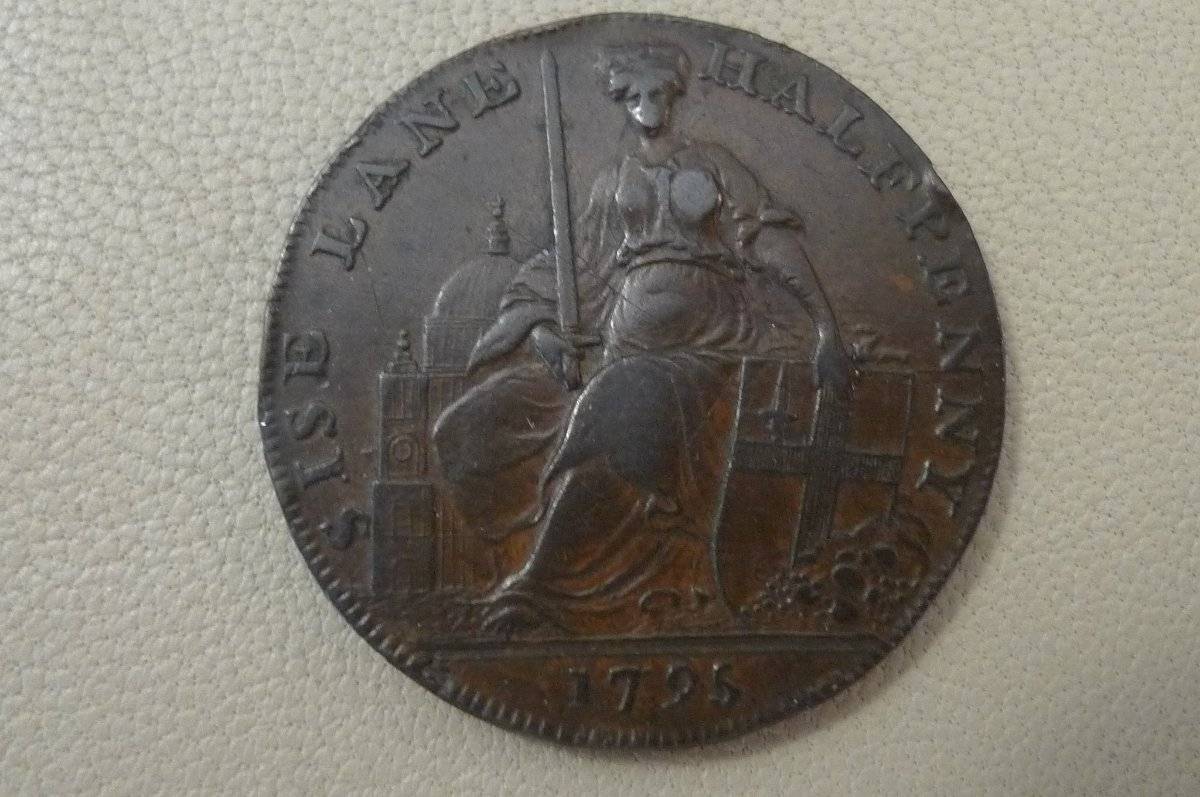 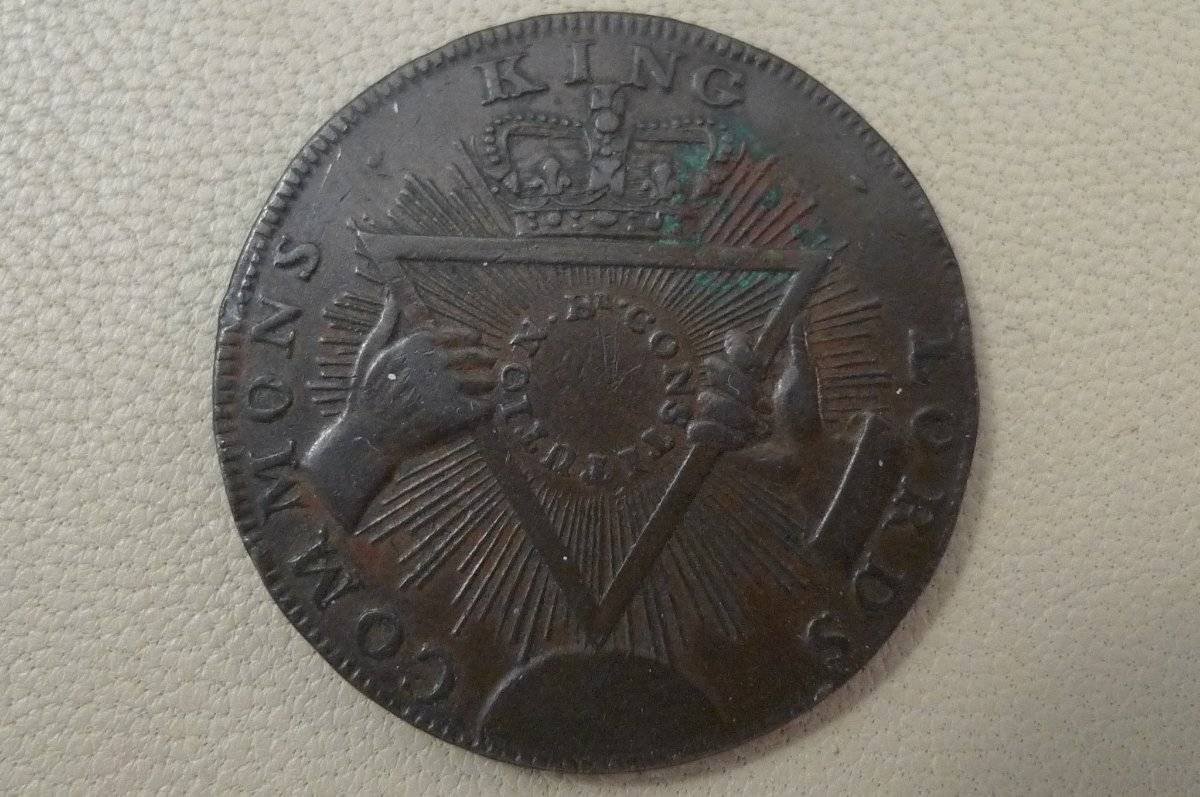 |
|
Pillar of the Community
United States
1871 Posts |
Edited by bd251
09/20/2018 11:25 am
|
|
Moderator
United States
195559 Posts |
Well done, fellas! |
|
Rest in Peace
10197 Posts |
Well still don't get it fully, my oldest odd denom coin is this one from James I of England, the dude who authorized the writing of the text we know as the King James Bible. It is a coin weight. 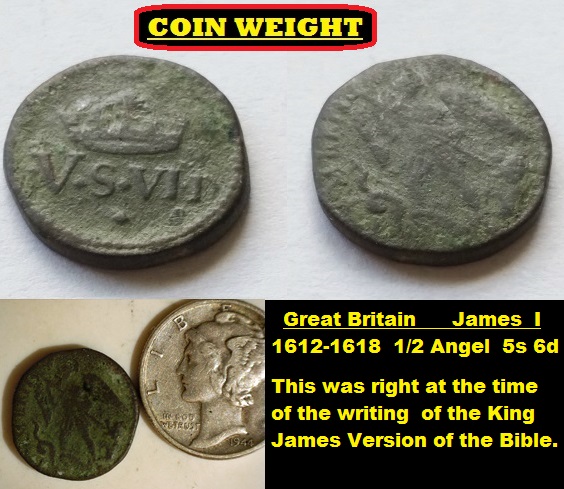 The oldest DATED lowest value has to be a Conder token: 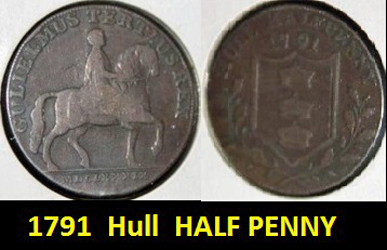 Now oldest coin of a small denomination(?) 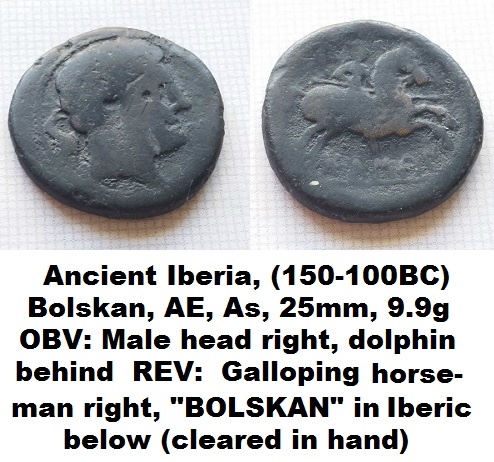 You gotta pick! |
|
Pillar of the Community
New Zealand
1679 Posts |
Heres mine 1613-25 James 1st farthing 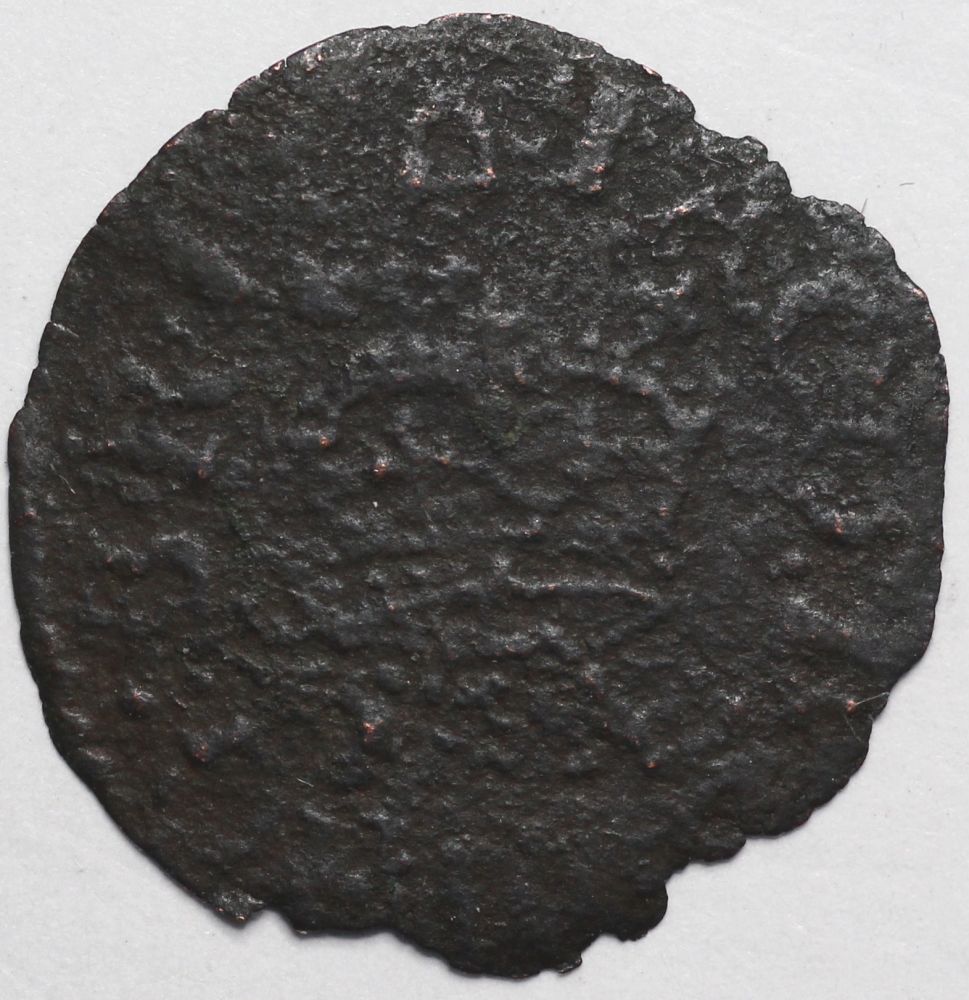 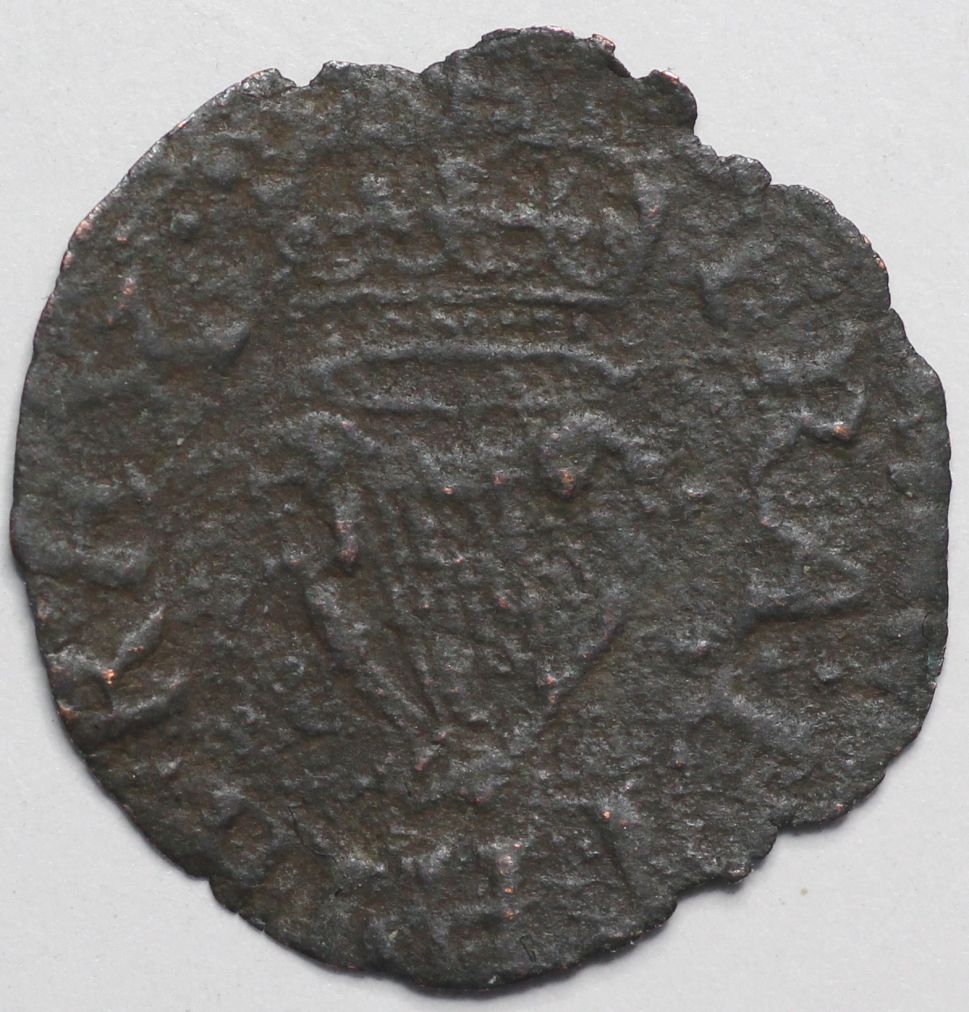 Cheers Don
Vickies cents and GB Farthings nut.
"Old" is a figure of speech and nothing more
Edited by fourmack
09/20/2018 11:22 pm
|
|
Pillar of the Community
Canada
9813 Posts |
My oldest that I have pics of. 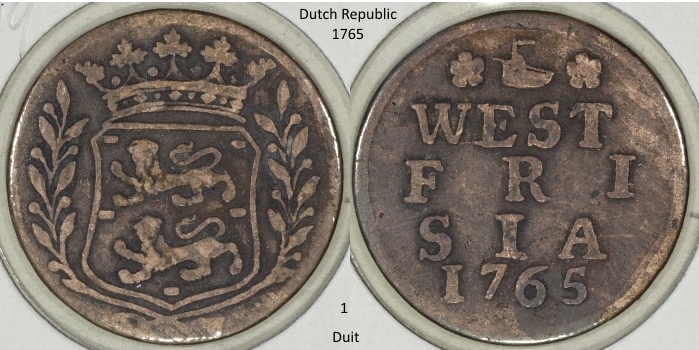 |
| |
Replies: 20,486 / Views: 973,738 |








 First Page
 Previous Page


 Posted 09/18/2018 6:37 pm