Seljuqs of Rum
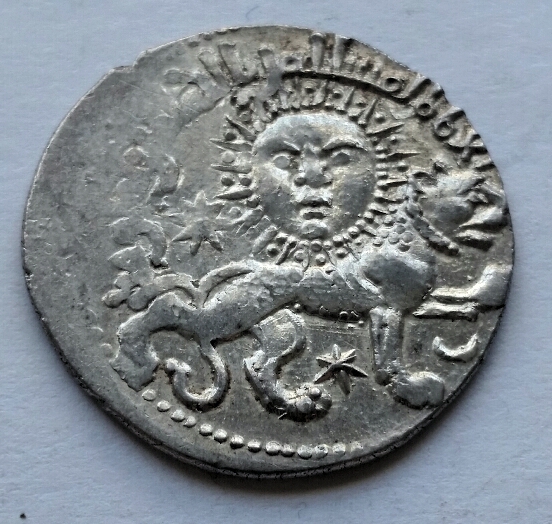
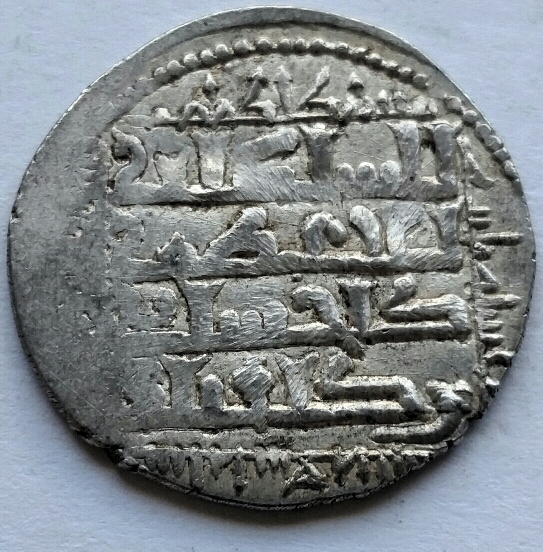
Kaykhusraw II AR Dirham
1237-1246
Ghiyath al-Din Kaykhusraw II
inherited the Sultanate of Rum (modern day central Turkey) upon his father's death in 1237. He was protected from rival claimants by his father's murderous Minister of Works, Sa'd al-Din Kopek, who also seized the opportunity to expand his power and influence.
Kaykhusraw II did not have an easy reign; under the constant threat of Mongol invaders and rebellious tributary states, he does not seem to have been a particularly inspiring or adept statesman.
His first major challenge came in the form of the Baba Ishak Rebellion in 1240-1242. Led by Baba (shaman) Ishak, a group of quasi-converted Turks sought to shrug off their Seljuk overlords and practice their own non-orthodox religion, practicing magic while drinking and playing music. (Sign me up too! Recall that while Muslims held the belief that conversion should be totally voluntary, there were significant social and tax pressures to convert on paper even if you didn't subscribe to the faith.) The rebellion was finally put down right as the Mongols came knocking.
And by knocking, I mean they sacked Erzurum in Seljuk territory. They planned to gather troops and crush the Sultanate early the next year, so Kaykhusraw called upon his allies to meet them in battle with a superior force while he still had one. Hearing this from a scout, the Mongol leader Baiju remarked "The more their numbers, the more glorious for us to win," and moved his 30,000 troops to meet 80,000 under Kaykhusraw II. By the time they met at Kose Dag, more than two thirds of the Seljuq force had deserted. The Mongols effortlessly routed the Muslim army, and Kaykhusraw II fled to gather his wives and treasure and go into hiding.
In his absence, Kaykhusraw's vizier made peace with the Mongols, reducing the Sultanate to a vassal state and establishing heavy tribute to their new overlords. Kaykhusraw II returned to his capital and died three years later, stripped of any real power.
While not unique among Islamic coinage, these dirhams are some of the very few to display animate forms rather than text and geometric designs alone. It is said that these were made for Kaykhusraw's favorite wife, Tamar, who was a Georgian princess by birth and converted after being sent by her mother to sue for peace with the Seljuqs. The imagery may depict hee astrological sign (Leo) or may be representative of the Sultan and his wife. These coins are quite common and affordable.
I am not very good with Arabic, so details as to mint and year of this coin are welcome if you can read them!







 Posted 08/23/2017 3:38 pm