Quote:
Here's a 1660 krone of 4 marck from the Kingdom of Denmark (and Norway). No mintmark or mintmaster's initials, possibly Copenhagen?
This particular variant is indeed from Copenhagen, the Gluckstadt variant is a bit different.
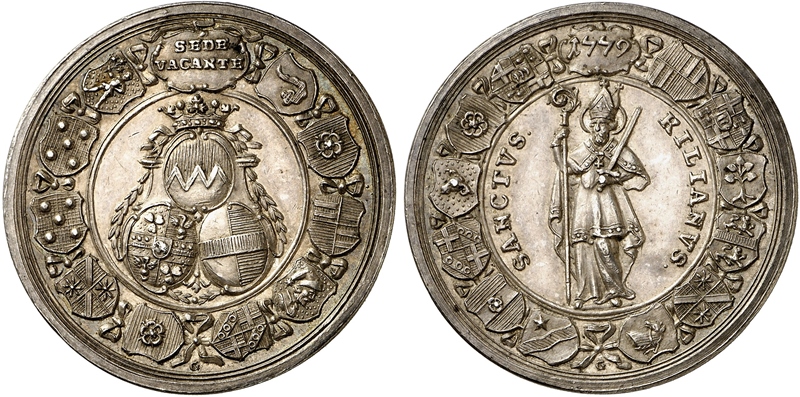
@WCG - No cheating at all - that's a great looking medal. You can post these all day long and I wont object

I also participated in the October Kuenker sale and it was brutal! I think I put in over 20K EUR in bids and ultimately walked away with one 190EUR Double Thaler. I'll be honest though, most of my bids were lowballs.
As for my 1798 Rouble, I was very pleasantly surprised when I got the coin. It looks much better in hand than in the original picture posted by the Auction House.
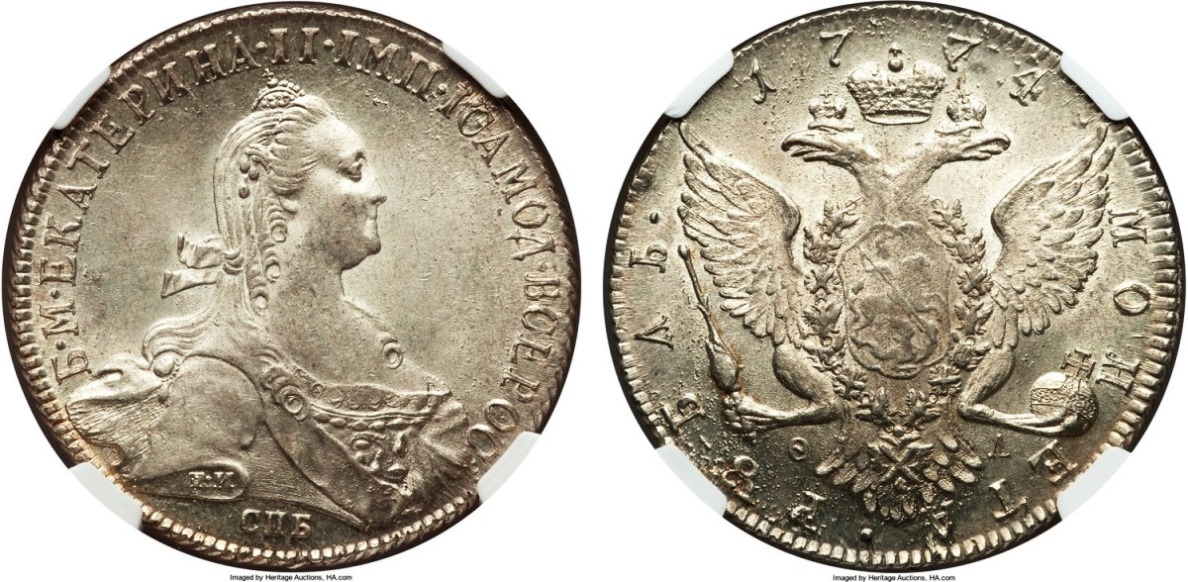
The 1774 Rouble was a gamble. I had the same concerns you did and examined this coin extensively upon arrival. I am still not 100% certain that it is authentic but I do know it is silver, it is struck, it is definitely not a cast, and if it is a forgery, it is by far the best one I've seen. I am not overly concerned about the bubbles because early Roubles are very often found with such (see example below). I am not exactly sure why early Russian coinage often exhibits this kind of phenomena, but I assume their planchet creation process was more crude than that of their European neighbors. If anyone has strong familiarity with Russian minting techniques and can share their insights on what causes this kind of "bubbling" it would be greatly appreciated.
Here is an MS62 example with a similar effect:
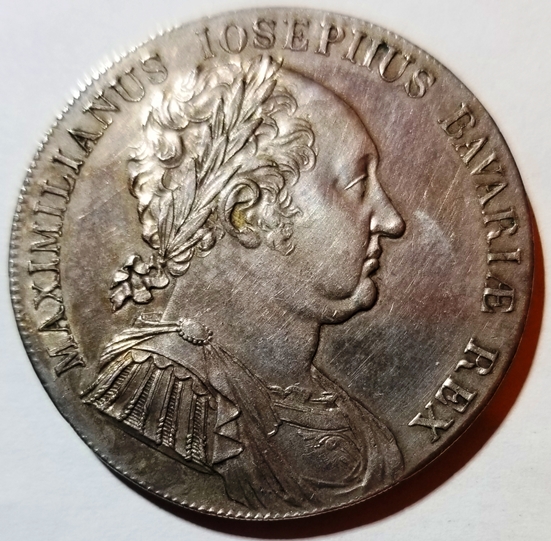
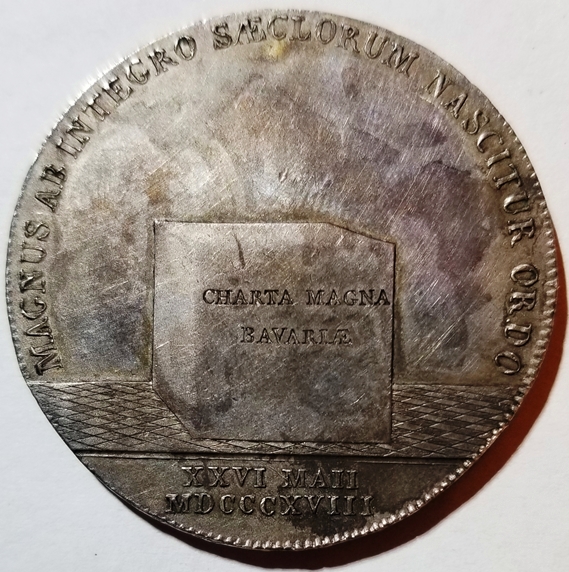
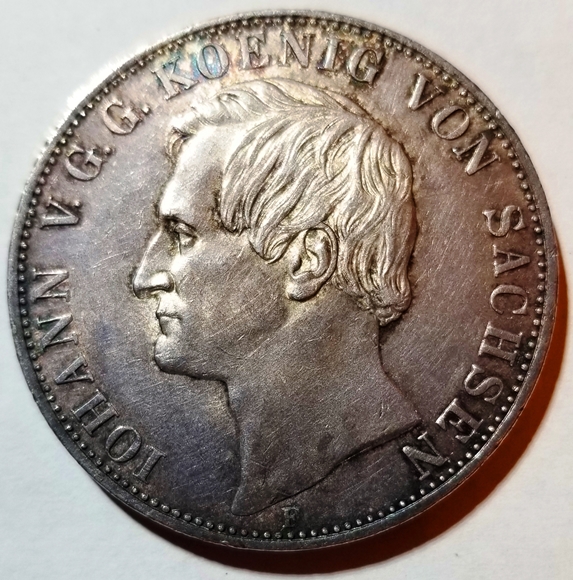
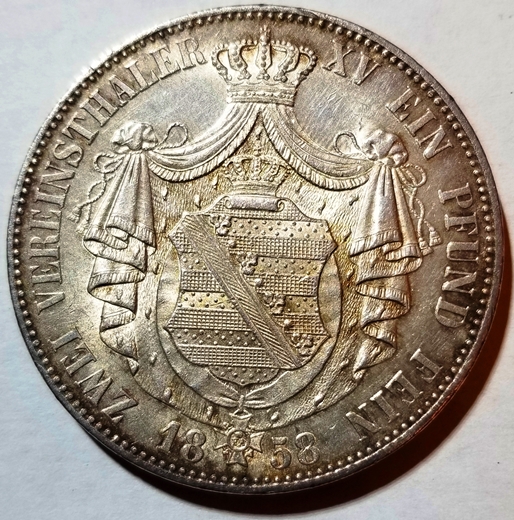
Here are a couple more recent acquisitions.
1818 Bavaria Thaler - well struck and exhibits very reflective fields
1858 Saxony 2 Thaler - A fairly common type with good luster and detail




 First Page
 Previous Page


 Posted 11/25/2018 5:17 pm