| Author |
 Replies: 5,980 / Views: 456,074 Replies: 5,980 / Views: 456,074 |
|
|
|
Pillar of the Community
 United States
5029 Posts |
Very nice adds  |
|
Moderator
United States
195559 Posts |
Quote:
1930s Lucky Penny - Home Sweet Home Nice additions! Quote:
My favorite 3"er Very nice!  |
|
Bedrock of the Community
 United States
10284 Posts |
Thank you Tunnioc, I like that one. I have a 1985 Jefferson nickel but your 1877 Indian is much nicer. Mine has an unnecessary "COPY" on it.   |
|
Pillar of the Community
United States
987 Posts |
I picked up another of the Longines Symphonette medals in sterling. This one depicts Paul Revere's Midnight Ride. The shop where I have been getting these has some more, but not the whole set. Some are not in as good of condition, so this may be the last one I buy. When I was last in that LCS, the owner told me that he had multiple rings made,for both family and for sale, out of a partial set of these same medals. He thought the high relief and design made for a nice look. As I picked out my Paul Revere medal, he showed me a ring made from the same piece. 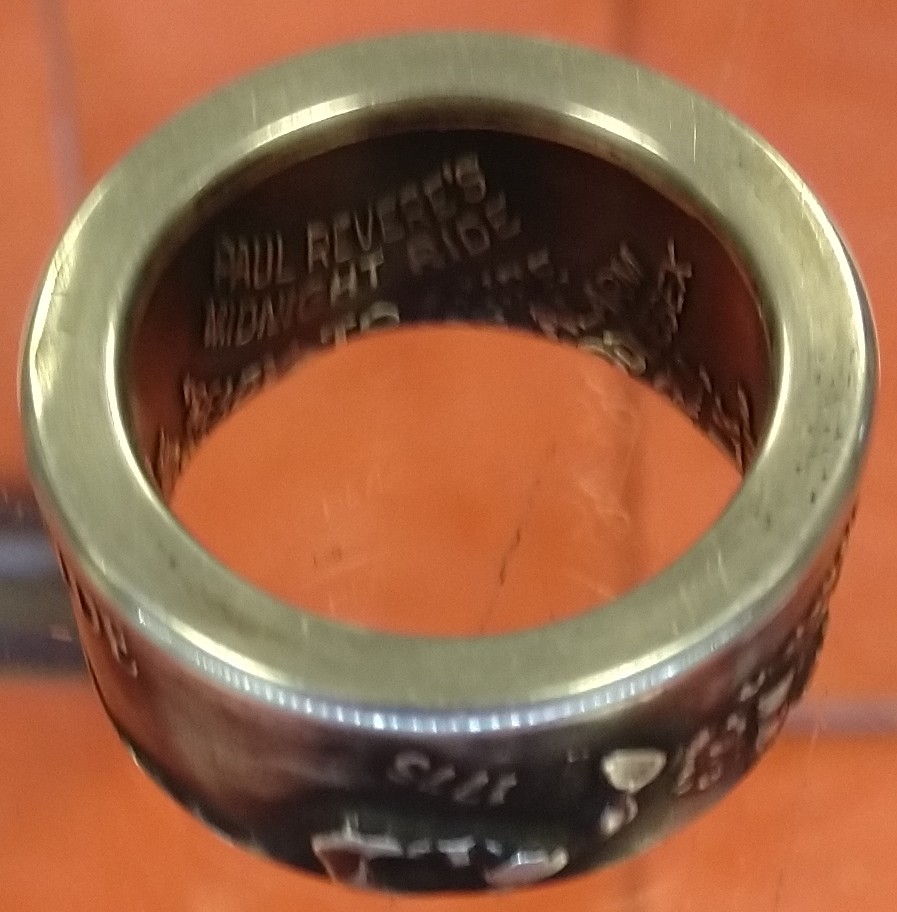 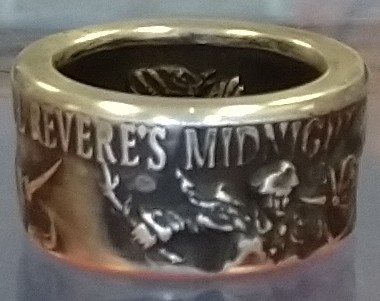 Paul Revere, born 1734, was made famous in the poem by Henry Wadsworth Longfellow entitled "Paul Revere's Ride" in 1861. Certainly he was already a known hero from the period of the US Revolution, but apparently the poem skyrocketed him to real prominent status. The son of a silversmith, he took over the family business at an early age, but not before a short stint in the French and Indian War. Though not from a wealthy or well-connected family,his excellent work with silver and as an engraver brought him success and renown. Before the Revolutionary War, Revere became involved in the intelligence community of the colonial opposition. He was involved in the famous Boston Tea Party and, of course, was one of the men whose midnight ride alerted colonial militia to the advancing British forces before the battles of Lexington and Concord. After the war he had continued success as a silversmith. He expanded his business to cannons, bells, and copper. He is considered one of the pioneers in the manufacturing of rolled copper. He married twice, having eight children by each wife. He lived until the age of 83, at the time considered a very long life. Only five of his children were still alive at the time of his death. One of his obituaries in 1818 said of Revere, "seldom has the tomb closed upon a life so honorable and useful." 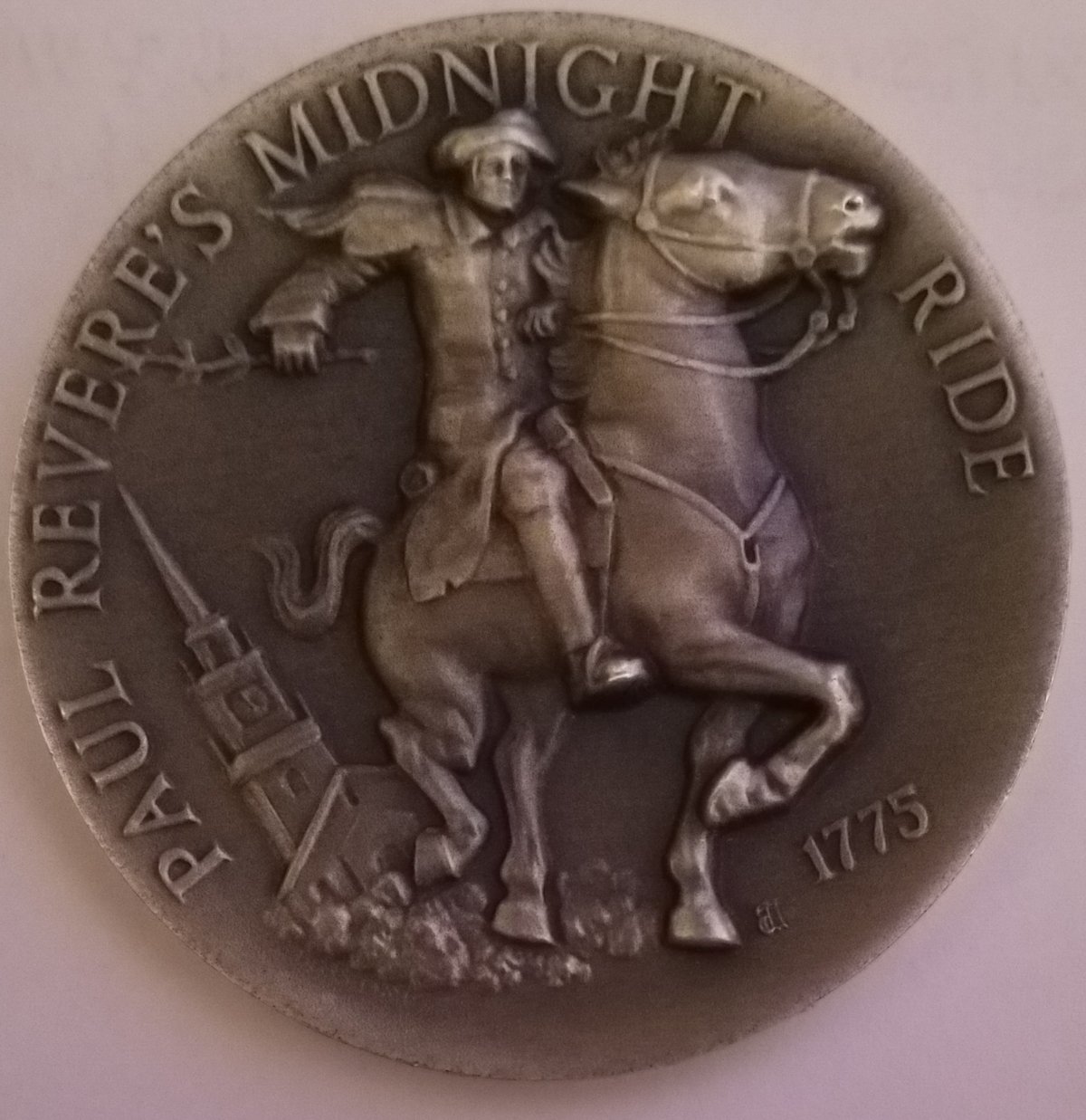 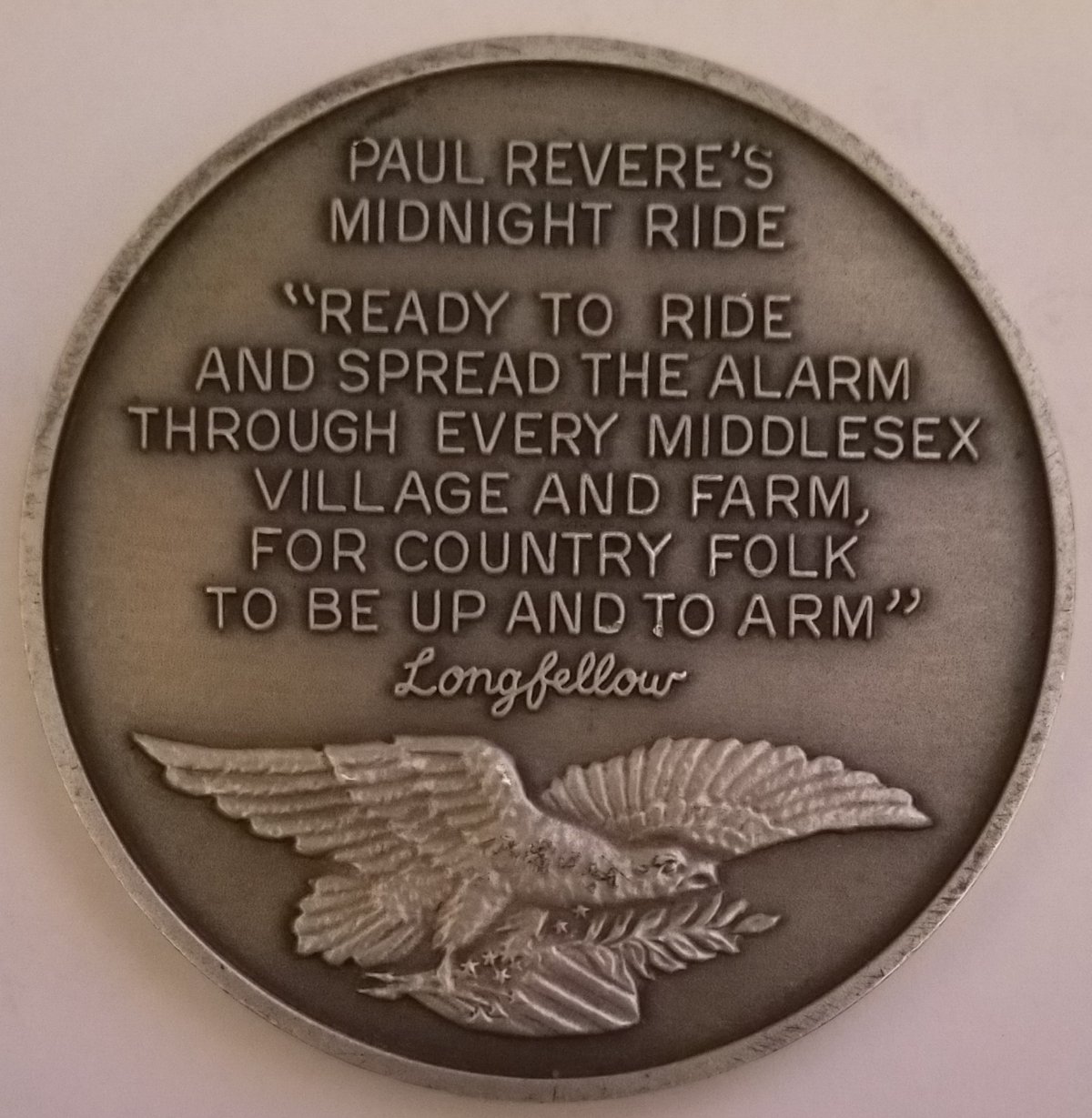 Edited by thisistheshow
02/04/2019 2:21 pm
|
|
Moderator
United States
195559 Posts |
Very nice! |
|
Bedrock of the Community
United States
10284 Posts |
Congrats. For some reason Paul Revere is one of my favorite Revolutionary War era heroes. Good write up too, I did not know he had so many children.
|
|
Pillar of the Community
United States
5029 Posts |
Very nice add and write up thisistheshow |
|
Pillar of the Community
United States
987 Posts |
Quote:
For some reason Paul Revere is one of my favorite Revolutionary War era heroes. Makes sense He is really a great hero and interesting guy. |
|
Pillar of the Community
United States
3212 Posts |
|
|
Moderator
United States
195559 Posts |
Quote:
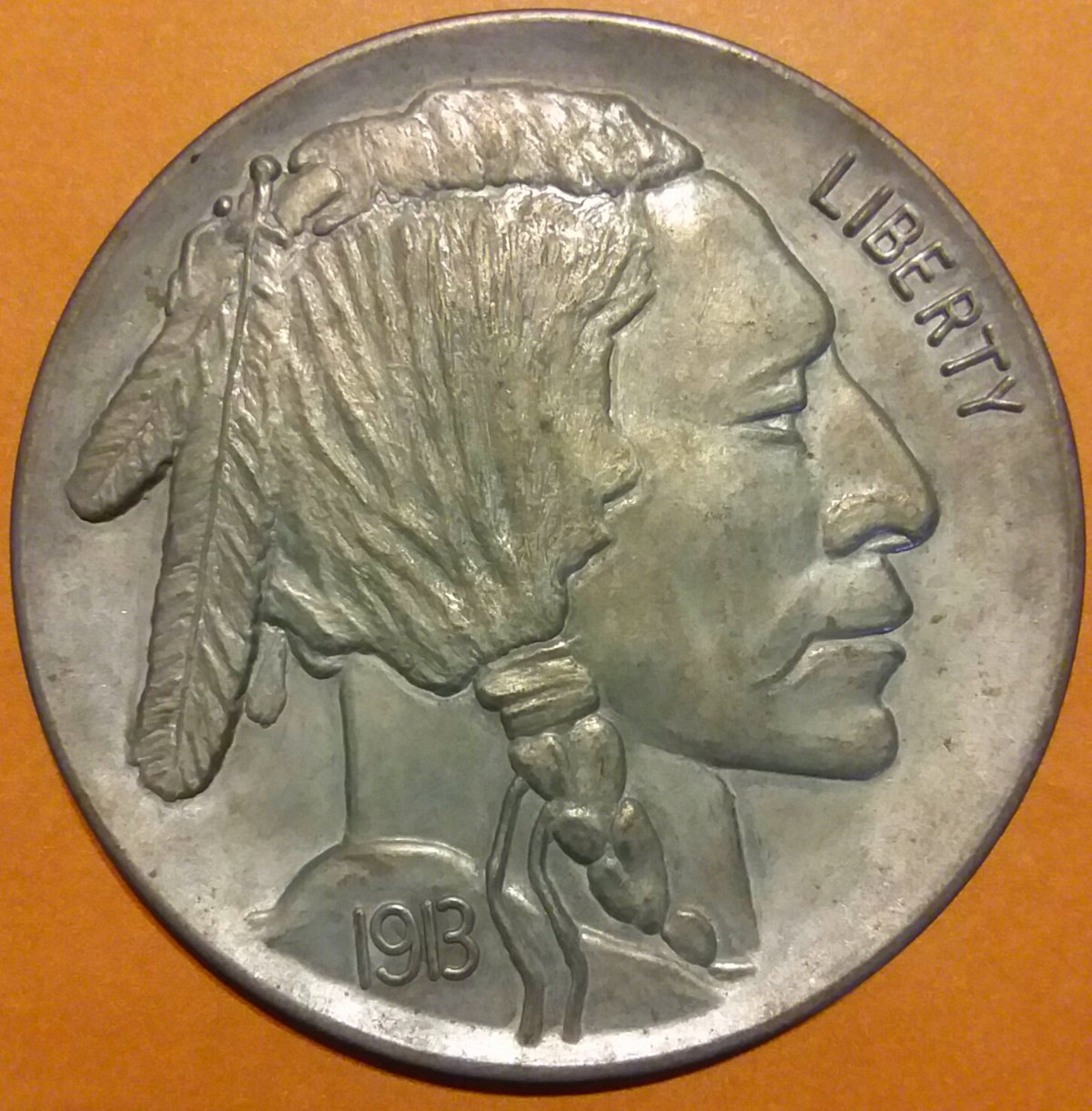
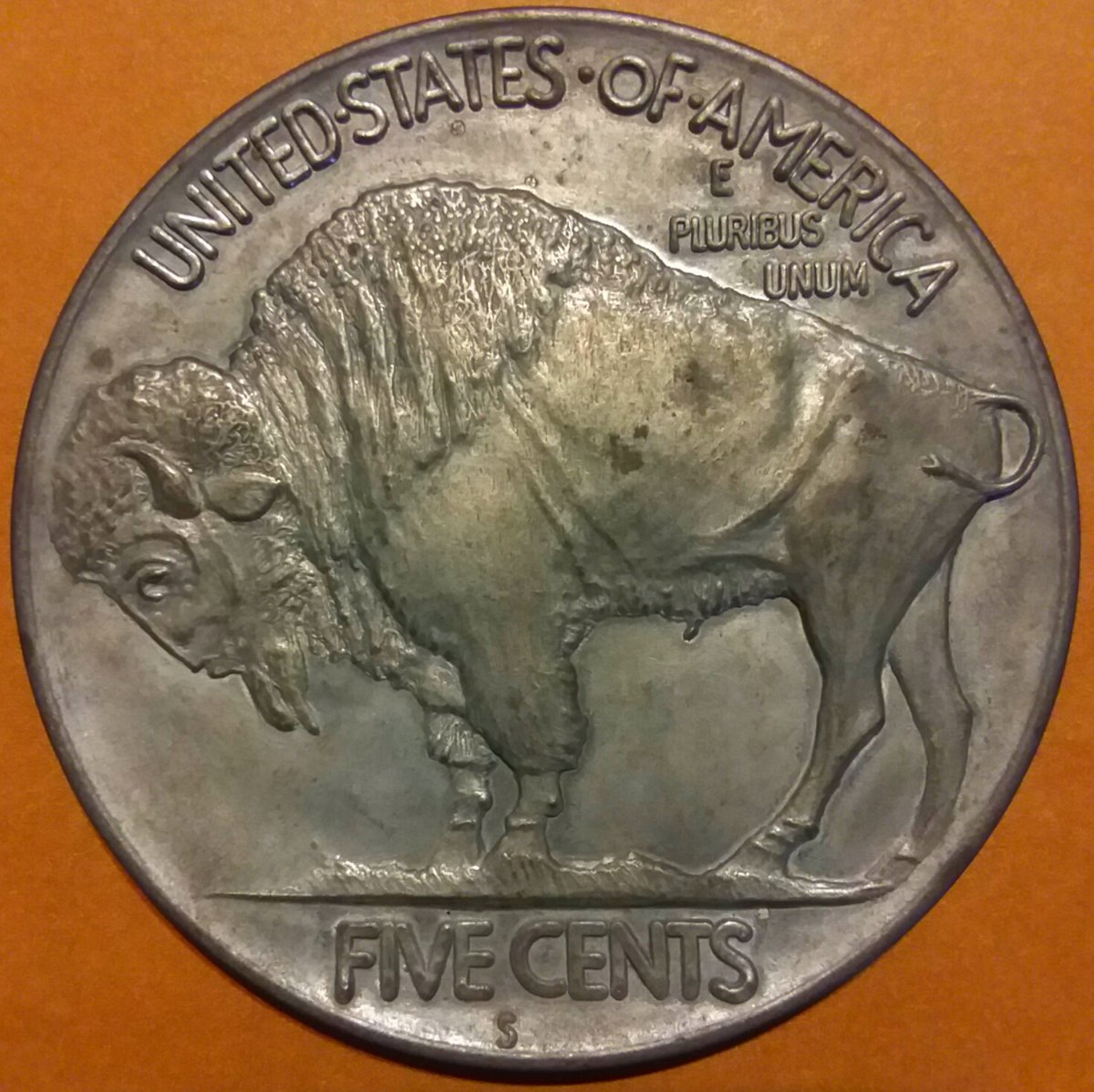
Here is a big 3 inch 1913 S Type 2. Very nice! Quote:
I wonder if a Type 1 was made  |
|
Bedrock of the Community
United States
10284 Posts |
|
|
Pillar of the Community
United States
5029 Posts |
|
|
Pillar of the Community
United States
987 Posts |
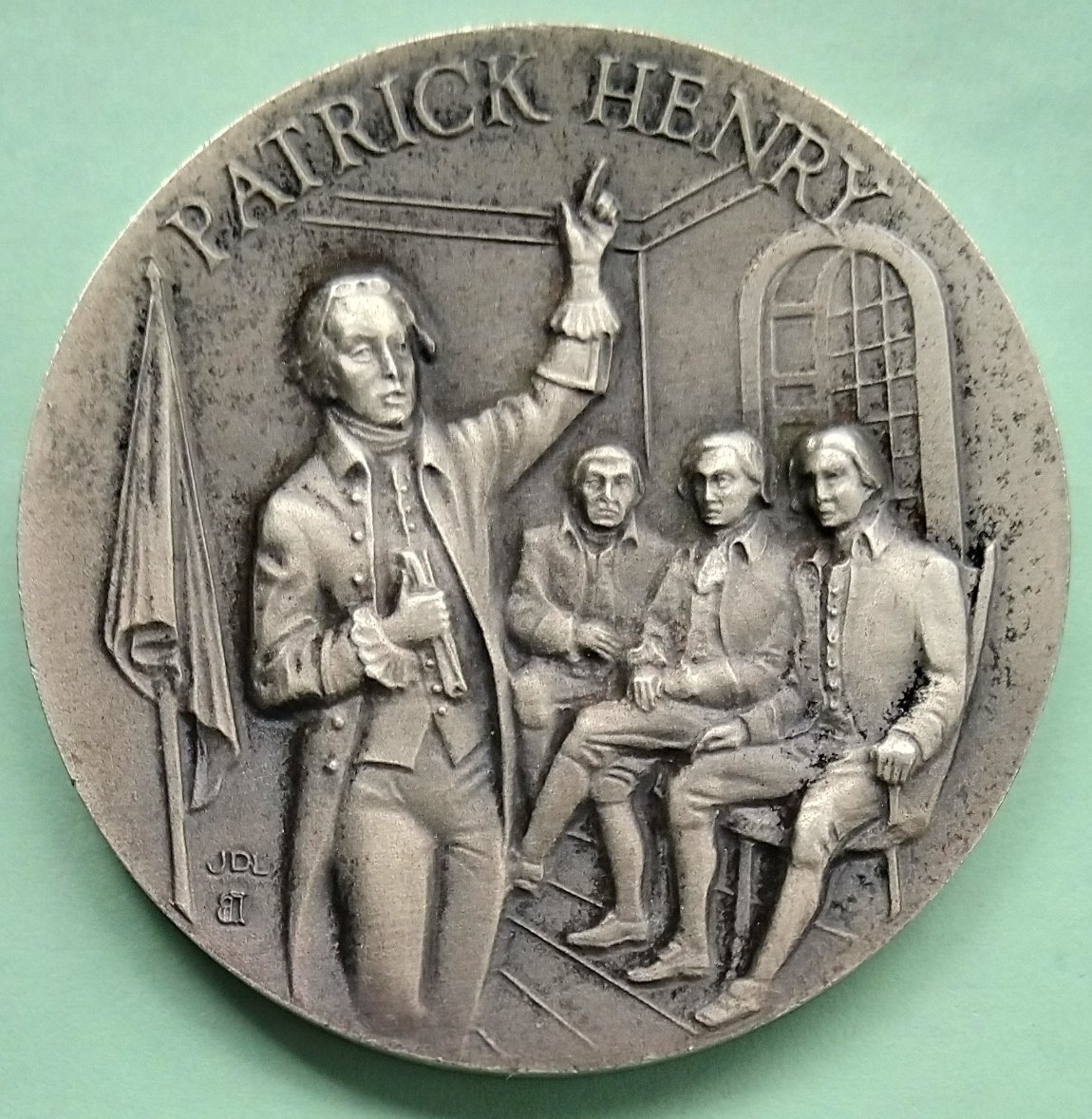
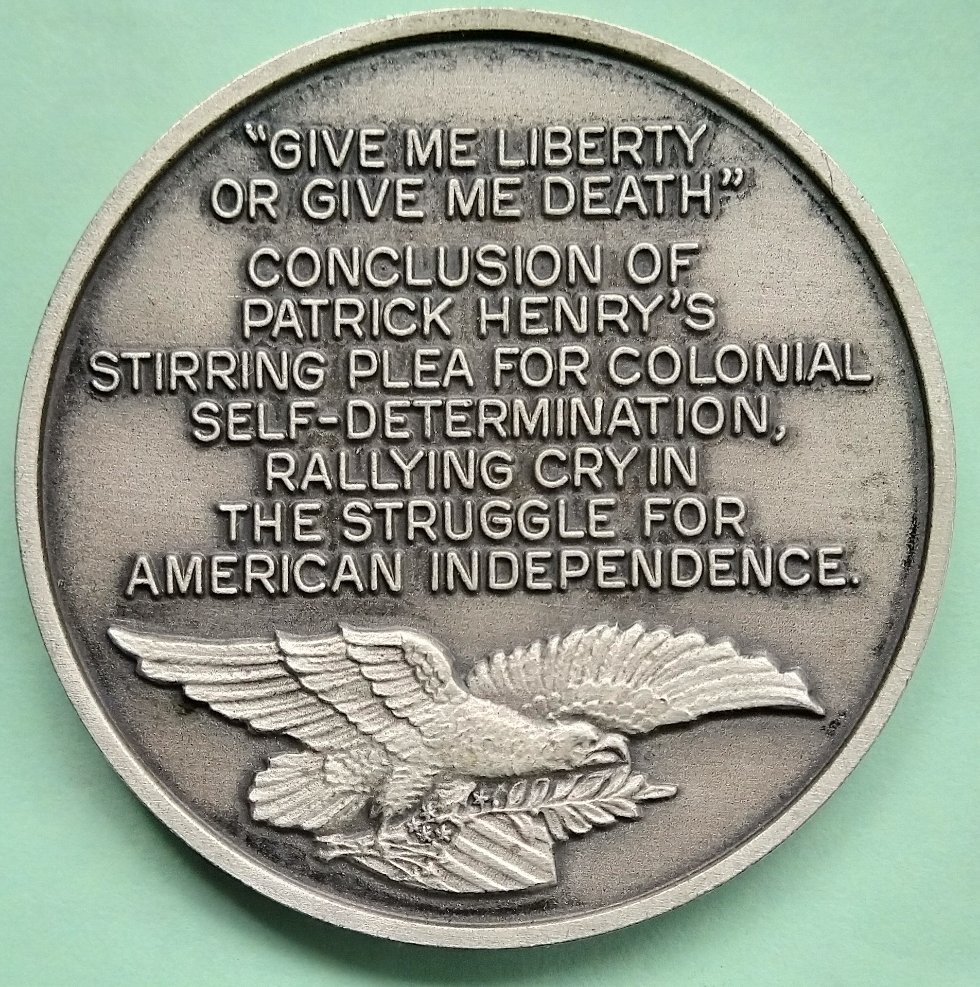
This is another Longines Symphonette sterling medal.It depicts Patrick Henry. Patrick Henry was born in Virginia in 1736. His father was a college-educated immigrant from Scotland,who worked as a planter. His mother, previously a widow, was from a wealthy English family. At age sixteen, he and his brother opened a store but the store soon failed. When he was eighteen, he married and received a 600 acre farm as party of his dowry. He tried planting and store-keeping, but was unsuccessful. He then taught himself law, and at twenty-four was admitted into the bar in Virginia. He went on to start a successful practice. He became well-known for his legal fights and speeches against what he saw as the overreach of the British. Henry was the first elected Governor of Virginia and served in the role twice. In March of 1775, the Second Virginia Convention met at St. John's Church in Richmond, Virginia. In a discussion involving the state's strategy against the British where he was trying to persuade legislators to send troops, Patrick Henry delivered his most famous speech, ending with the quote, "Give me liberty, or give me death!" It was about forty years later that the quotation was attributed to him, so it is unknown if he spoke those exact words. But his fiery rhetoric was legendary, so there is no doubt that this speech and others played key roles in the American Revolution. Henry's fierce opposition to the ratification of the Constitution,due to the power it gave the federal government, helped lead to what we know as the Bill of Rights. Henry died in 1799 at the age of sixty-three. The following is from Redhill.org,which is the website of the Patrick Henry Memorial Foundation: On June 14, 1799, the Virginia Gazette announced the death of Patrick Henry. "As long as our rivers flow, or mountains stand," said the Gazette, " Virginia . . . will say to rising generations, imitate my Henry." Of the many Americans who were active in the American Revolution at the state level and who generally opposed ratification of the Federal Constitution, Patrick Henry was one of the few who rank among the truly major figures of American history. Unlike most of America's political heroes, Henry never held high national office. By his oratorical prowess and his unfailing empathy with his constituents and their interests, Henry made the Revolution a more widely popular movement than it might otherwise have become. He explained the revolution to ordinary men and women in words they understood. As an eloquent spokesman for American liberty, Henry also expressed a distrust of centralized political authority that remains a persistent theme in American political culture. "It is not now easy to say what we should have done without Patrick Henry," said Thomas Jefferson. "He was before us all in maintaining the spirit of the Revolution."
Near his last will, Patrick Henry left a small envelope sealed with wax. Inside was a single sheet of paper on which he had copied his Resolutions against the Stamp Act. On the back, Patrick Henry left a message that he knew could only be read after his death. It began with a short history of his Resolutions against the Stamp Act, which had "spread throughout America with astonishing Quickness." As a result, the colonies were united in their "Resistance to British Taxation," and won "the War which finally separated the two Countries and gave Independence to ours."
Whether America's independence "will prove a Blessing or a Curse," Henry continued in his message to posterity, "will depend on the Use our people make of the Blessings which a gracious God hath bestowed on us. If they are wise, they will be great and happy. If they are of a contrary Character, they will be miserable. Righteousness alone can exalt them as a Nation. Reader! whoever thou art, remember this, and in thy Sphere, practice Virtue thyself, and encourage it in others. P. HENRY"
  Edited by thisistheshow
02/07/2019 10:23 am
|
|
Moderator
United States
195559 Posts |
Fantastic! |
|
Pillar of the Community
United States
854 Posts |
@thisistheshow -
The Wittnauer Mint did a great job on these medals. I have a partial set of 40 medals (I think there were 60 total?). Some of the medals have really nice high-relief, others seem to have a matte finish.
Update: I just remembered that I have an original pamphlet that came with the medals - I just have to dig it out. I'll post some info from it, should be interesting to medals collectors.
Edited by jeffbuckes
02/07/2019 11:01 am
|
| |
Replies: 5,980 / Views: 456,074 |







 First Page
 Previous Page


 Posted 02/04/2019 09:28 am