| Author |
 Replies: 10 / Views: 2,004 Replies: 10 / Views: 2,004 |
|
|
New Member
United States
3 Posts |
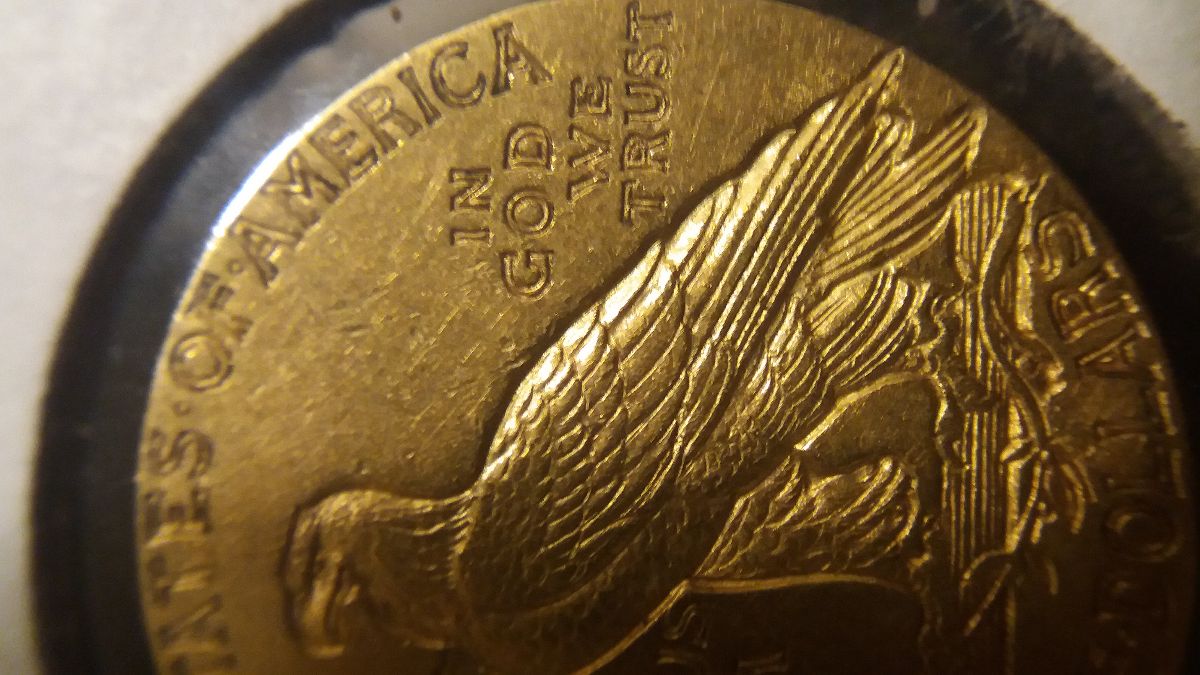
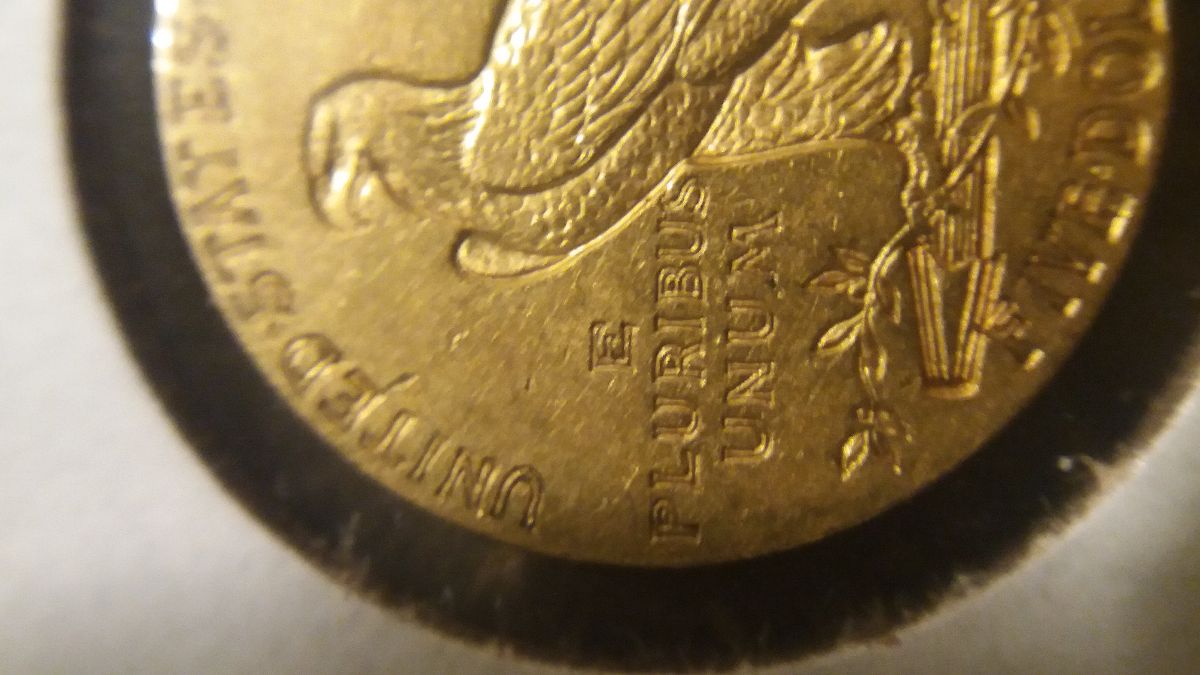
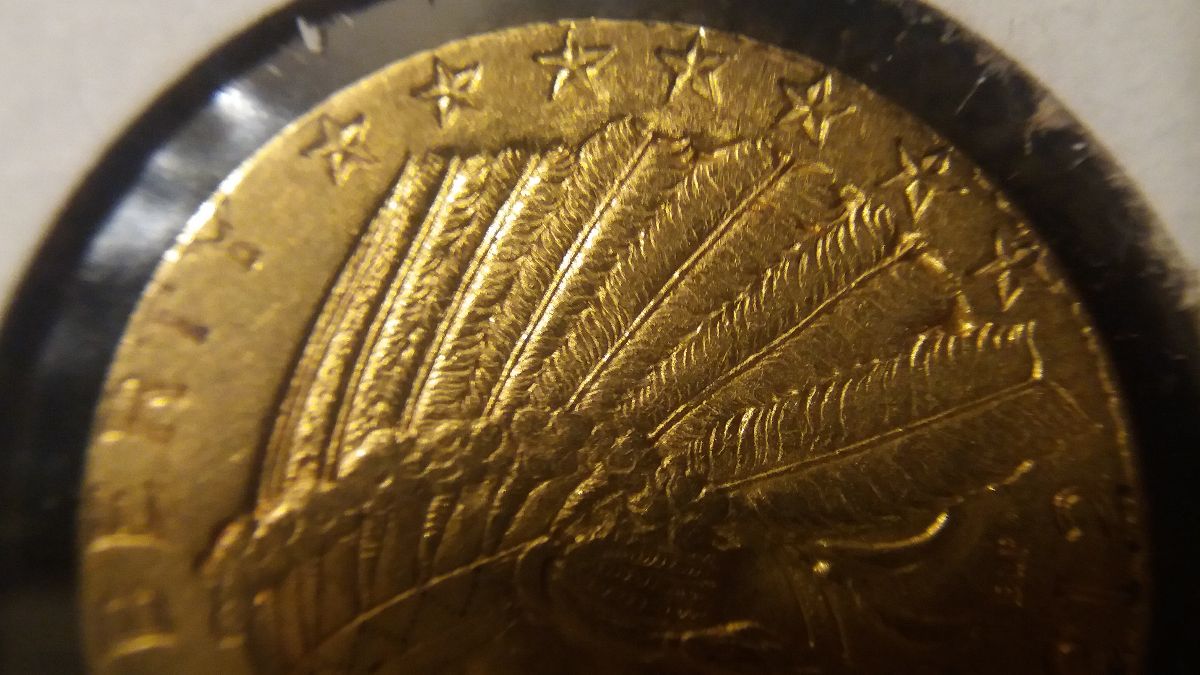
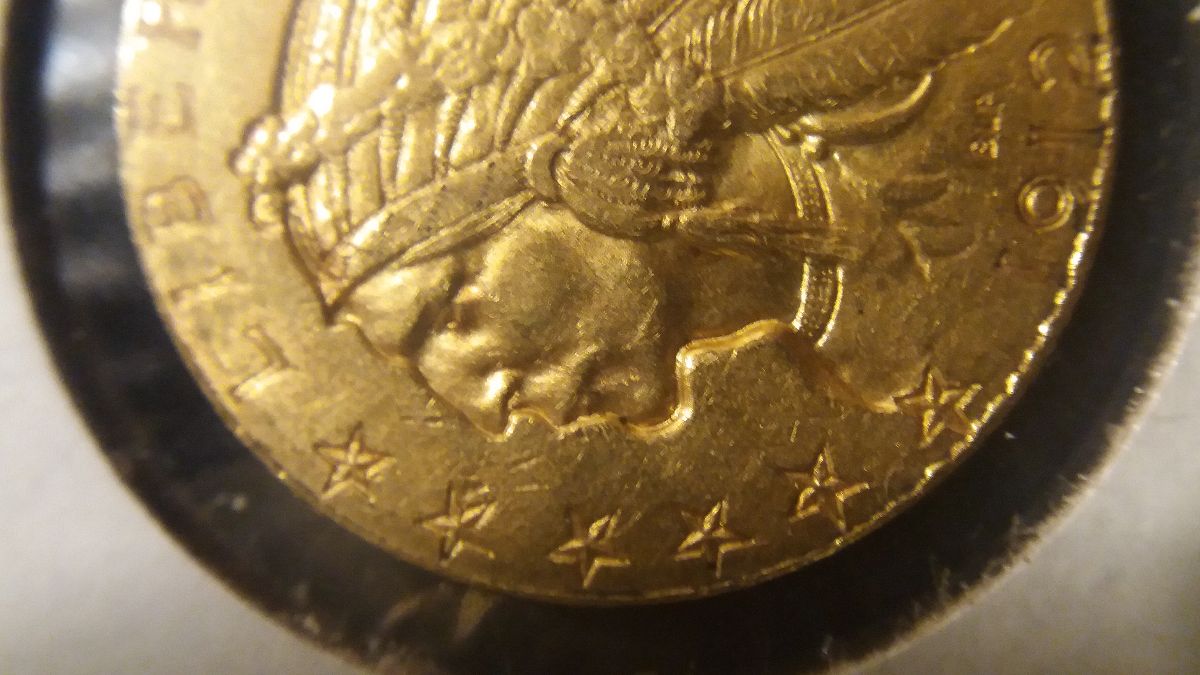
First time posting, woohoo! I have been collecting for a couple years now and how found these forums interesting. Anyhow, I recently purchased a raw $5 Indian. It is my first time buying raw gold, as I have gone with the advice of buying graded gold that many people seem to give. I want to get a few pieces raw because it's just different to have a coin in your hand. So I bought this coin from a reputable local dealer, and checked it with calipers and a scale. It seems pretty legit to me. I looked at it with a loupe in the shop and it looked pretty good. I brought it home and looked at it some more then noticed what I'm call a "rim". I guess at the shop I was focusing on the fields and details. My initial gut instinct told me it was probably a former jewelry piece, but after looking at more pictures online I have no clue. Looking at the edge it doesn't seem to be crushed in at all and this "rim" seems to mainly be on the obverse, but not the whole way around. Scrolling through the images in the PCGS Photograde database it seems like this "rim" might actually just be part of the minting process for some of these, it's hard to tell from those straight on photos if this is the same. I know there are some people on here that know a lot about these coins, so I was curious to soak in some wisdom and opinions. Damage? Collar issue? Die issue? Hopefully the images post. 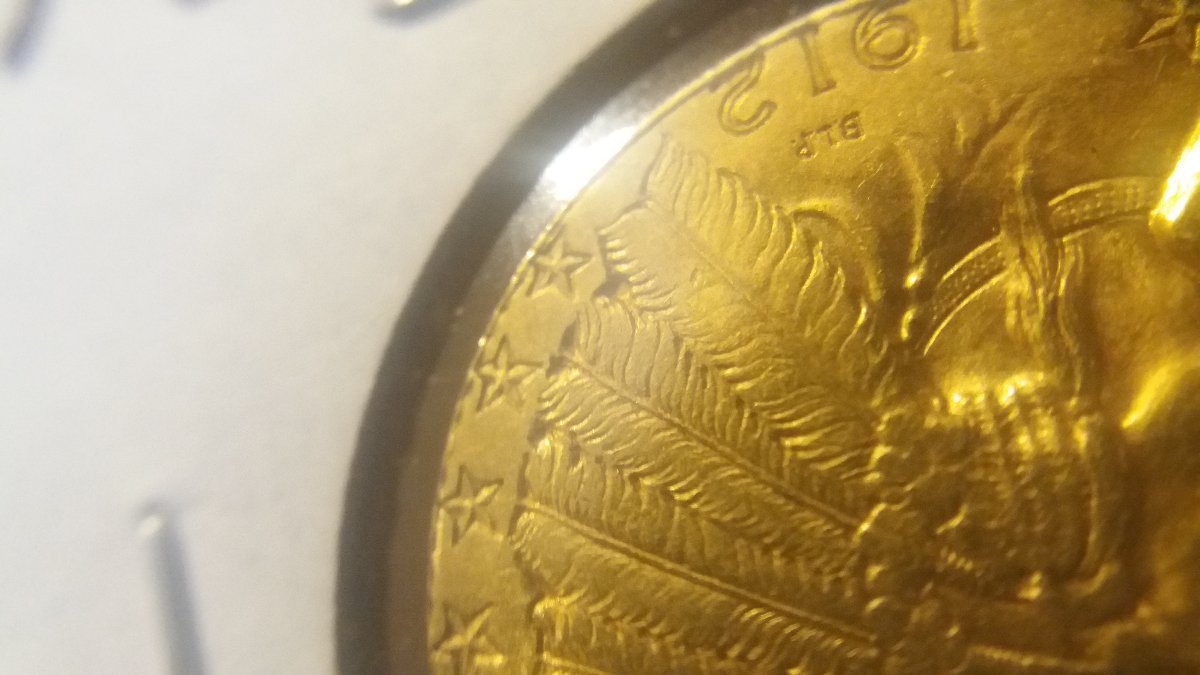 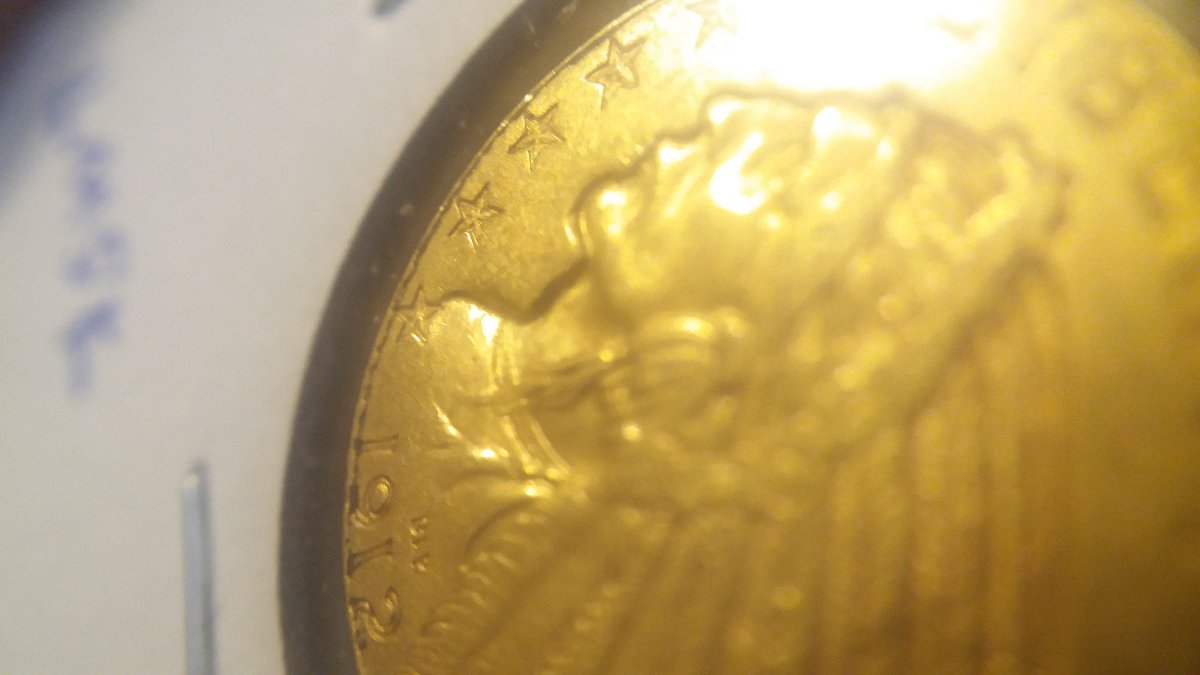 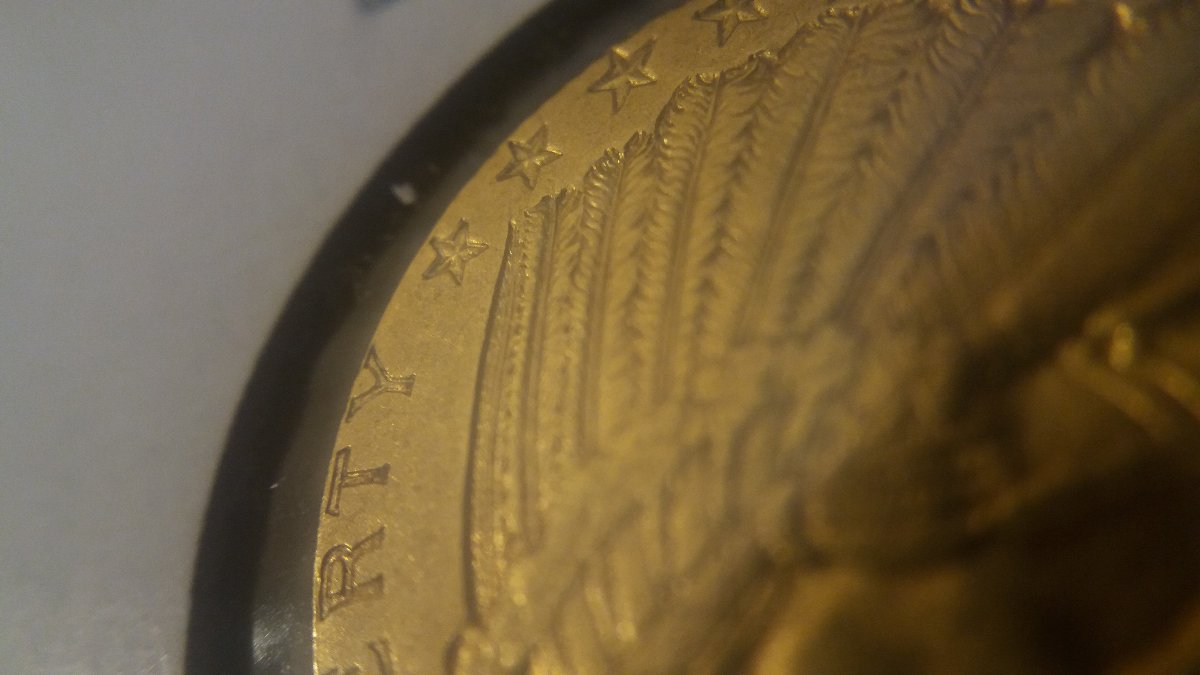 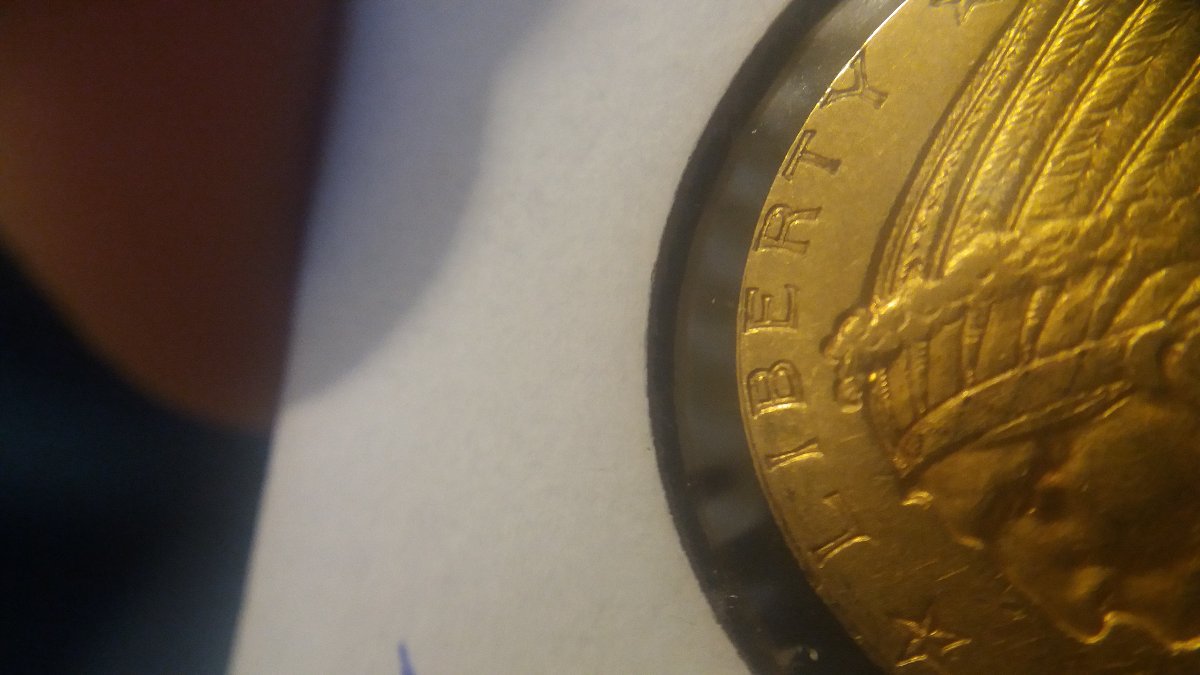 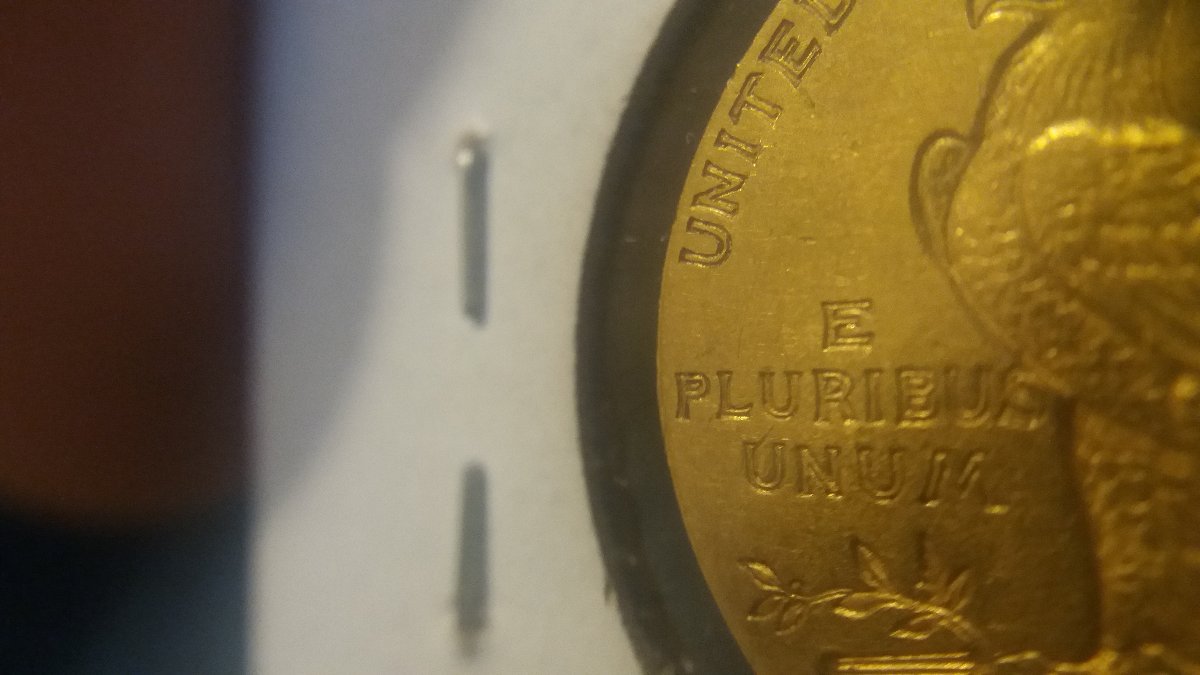 *** Moved by Staff to a more appropriate forum. *** *** Moved by Staff to a more appropriate forum. *** |
|
|
|
Pillar of the Community
United States
1023 Posts |
I've seen 1911d $2.5 coins look like that but I don't think this series has a 1912d so I heed to the experts. Coin also looks a little weird to me do you have full pictures?
Edited by Jon Brand
11/28/2017 4:57 pm
|
|
Rest in Peace
United States
17900 Posts |
Full front (obverse) and back (reverse) photos needed.
The gold $2.5 and $5 Indians are the most counterfeited gold coins. Check PCGS as they show forgeries for each date, most of which are in the top 50 most counterfeited.
|
|
New Member
 United States
3 Posts |
|
|
New Member
United States
3 Posts |
Here are examples from PCGS that seem to have a similar scalloped effect around the edges. I will have to look at that counterfeit database too. 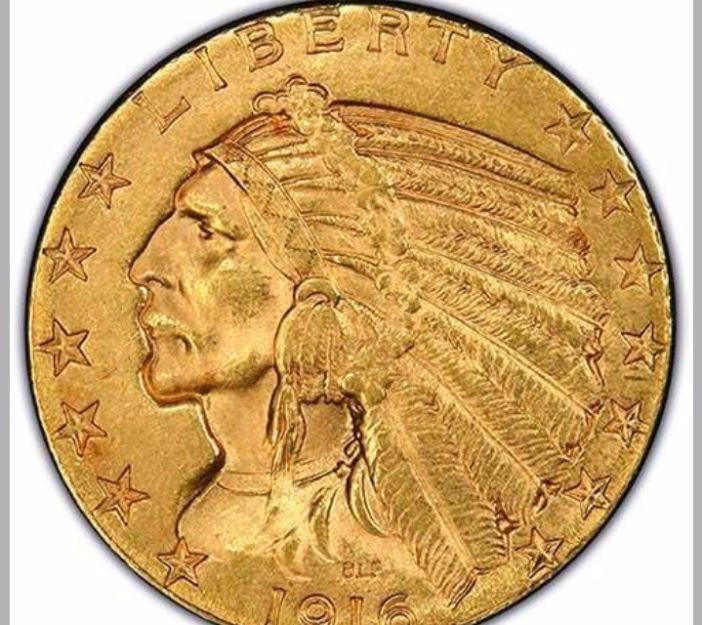 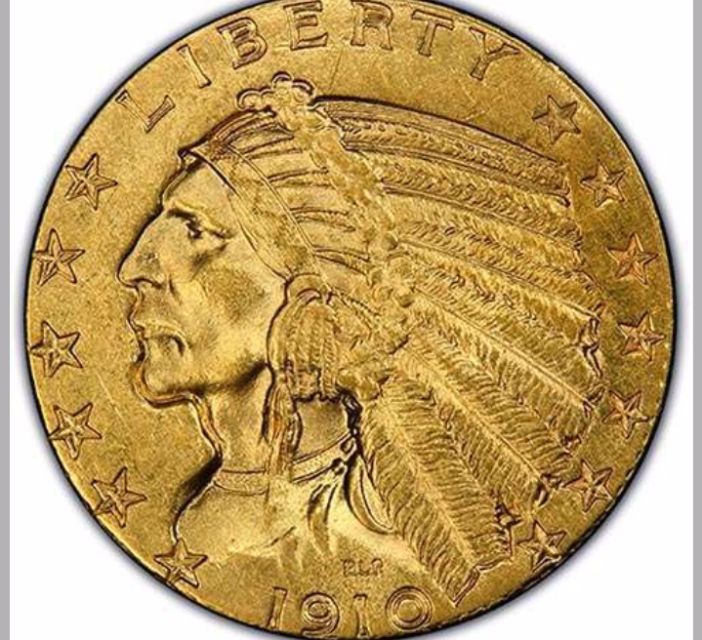 |
|
Rest in Peace
United States
17900 Posts |
I'm not seeing anything that is immediately concerning.
But the Indians have some really good counterfeit.
If you want to be double sure ANACS is pretty inexpensive for certification submissions.
|
|
Pillar of the Community
United States
2125 Posts |
I think that is called a "wire rim". Your coin looks good to me. ANACS certification couldn't hurt. Think the coin makes AU-50. Nice.
|
|
Bedrock of the Community
13014 Posts |
I can't really tell from those pictures but the 1912 $5 is a top 50 coin for most counterfeited. Some are pretty good and hard to pick up on, but fortunately a lot is also known about them as well to compare it against. https://www.NGCcoin.com/resources/c...d-states/30/The NGC has one thing to look for another would be comparing the fine details to a known authentic one and see if anything jumps out from the level of detail. The $2.5 and $5 dollar Indians can be kind of rough to navigate with raw ones as some of the fakes actually are made of gold. If you wanted to get more to have raw in the future you could always get a graded one and crack it out. There's some dates and grade ranges where the premium should be minimal compared to a raw one |
|
Bedrock of the Community
United States
17884 Posts |
If you saw that on a coin that had normal rims you would recognize it as finning. Often seen if the pressure is too high or if the die is slightly misaligned.
|
|
Bedrock of the Community
United States
94367 Posts |
 to the CCF! |
|
Moderator
 United States
195203 Posts |
to the Community! |
| |
Replies: 10 / Views: 2,004 |
|








 Posted 11/28/2017 5:11 pm