









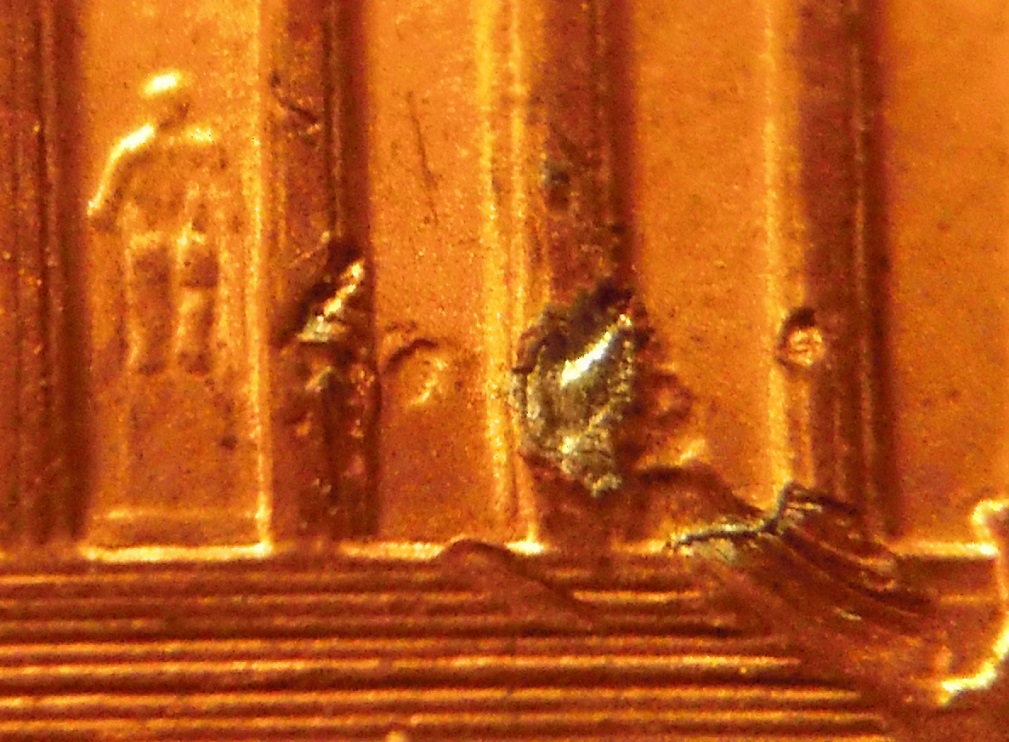
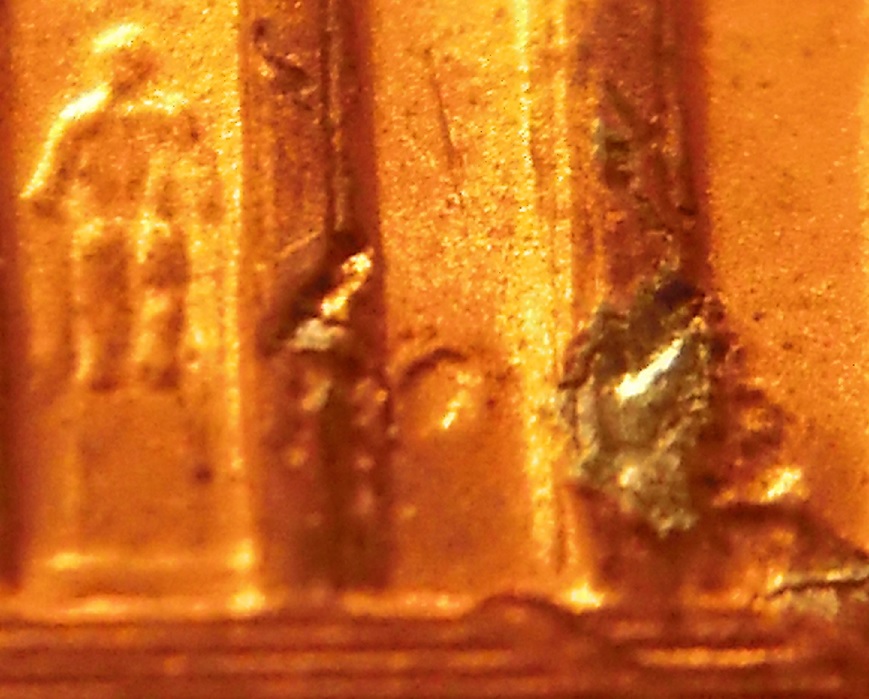
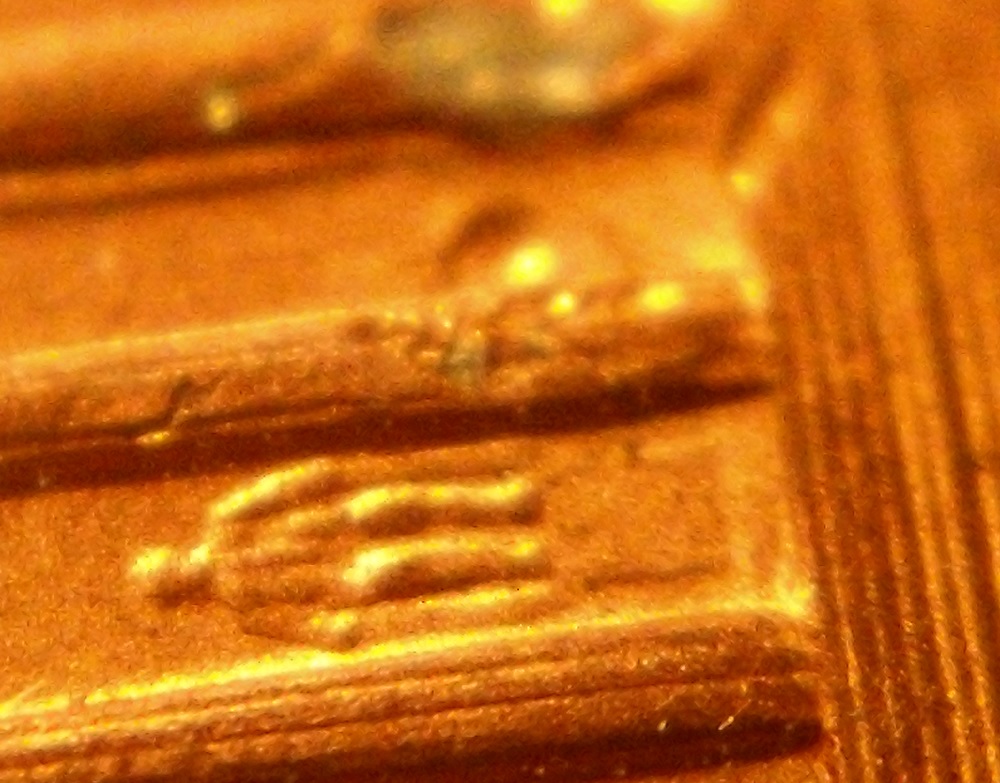
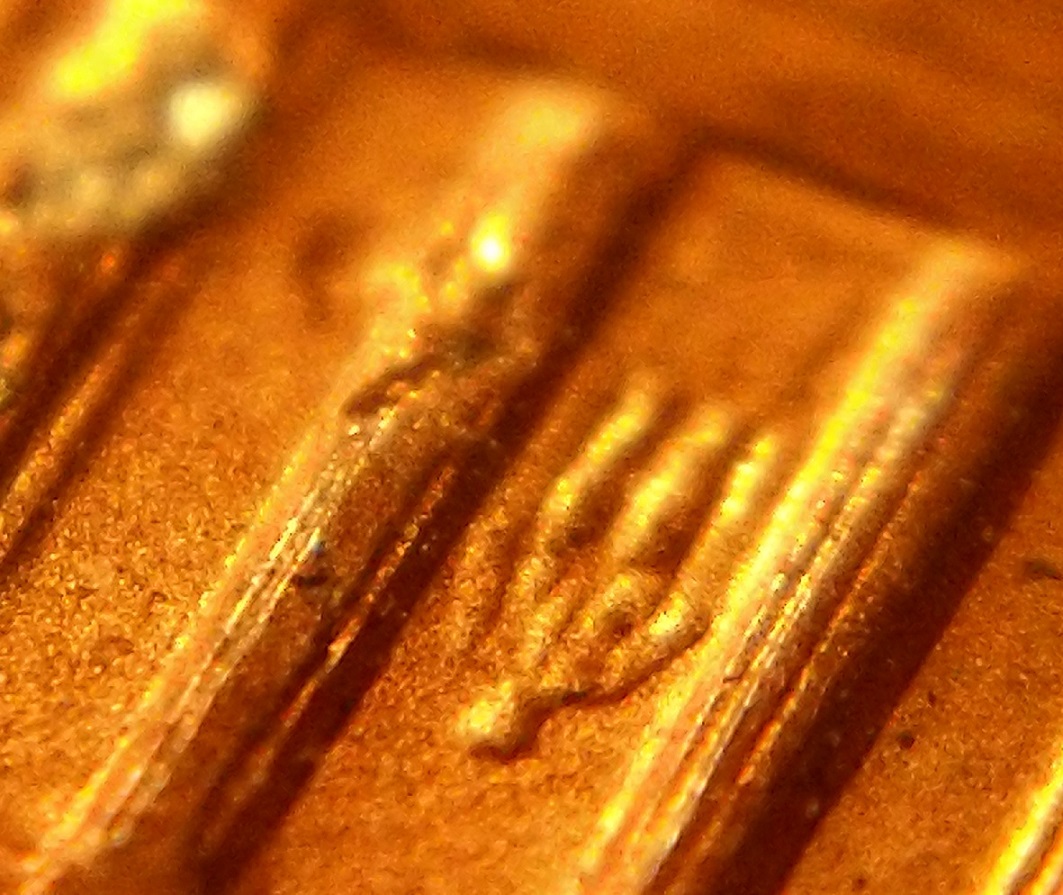
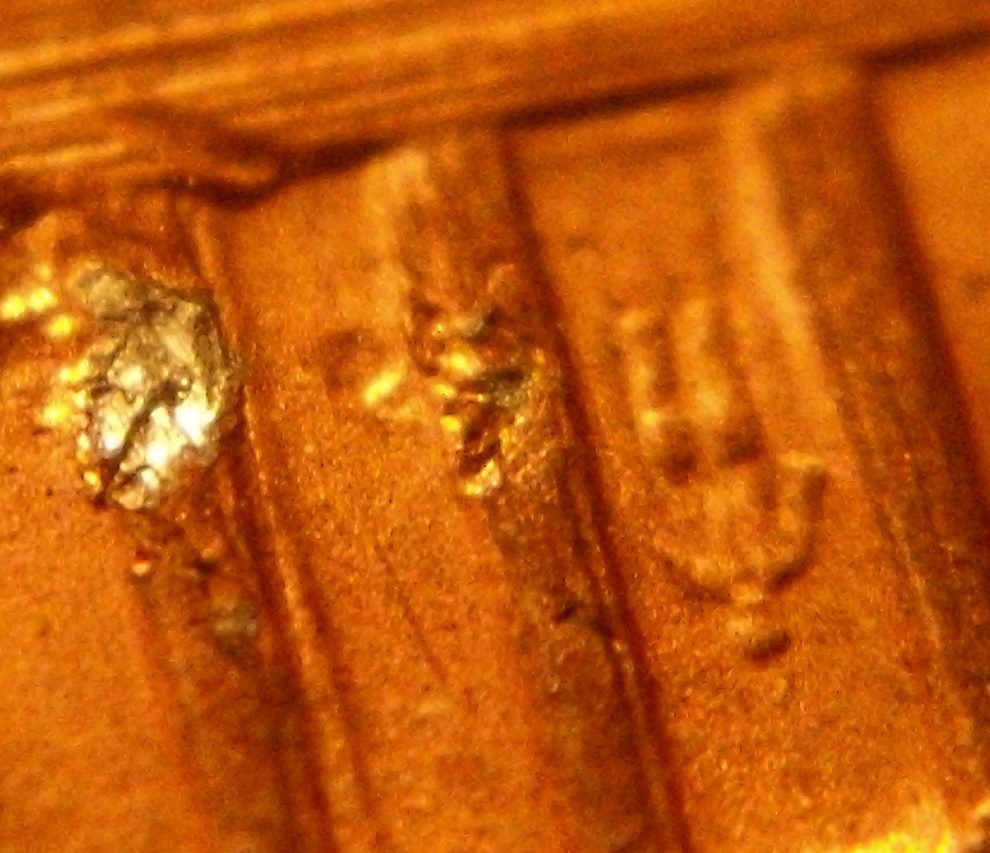
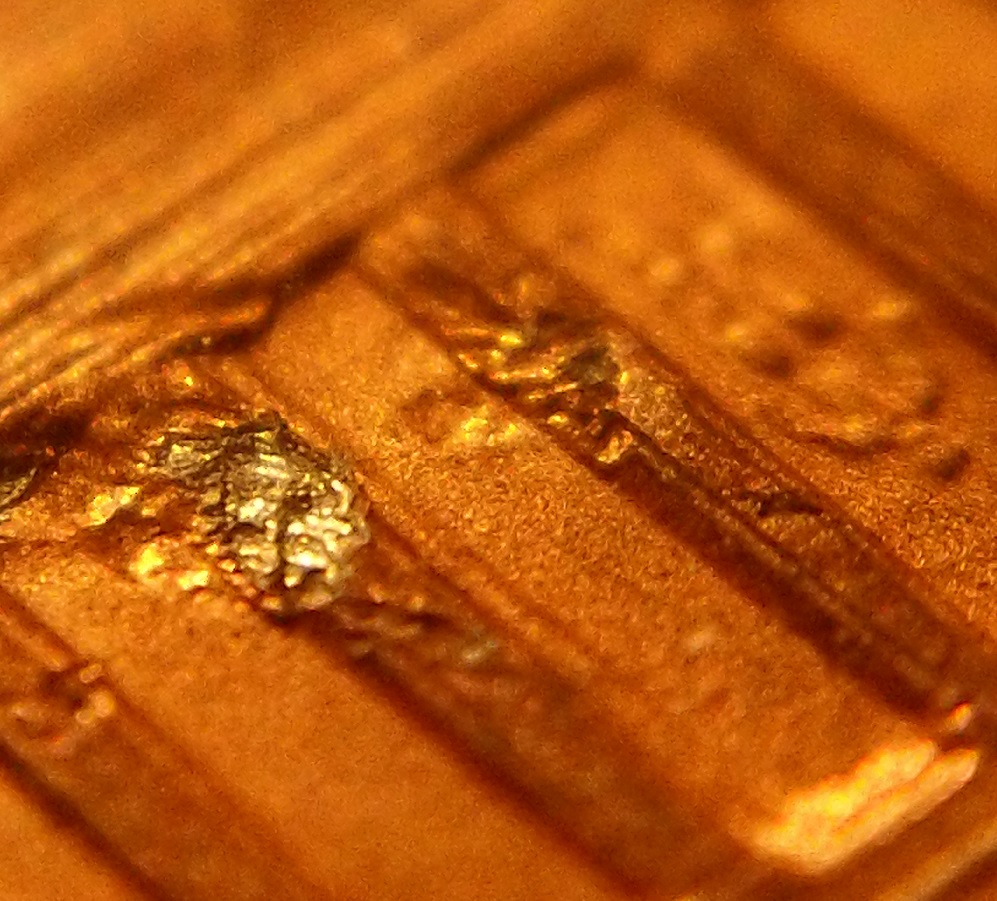
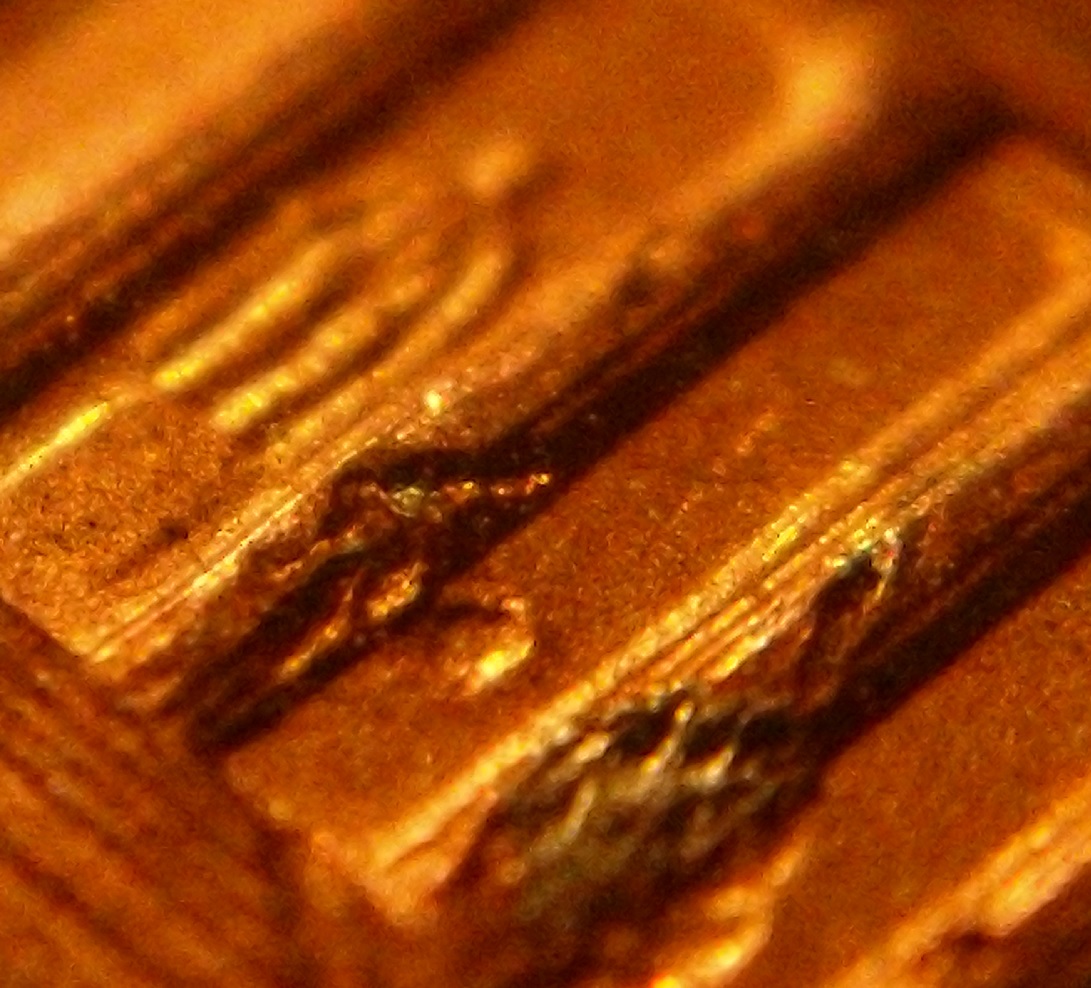
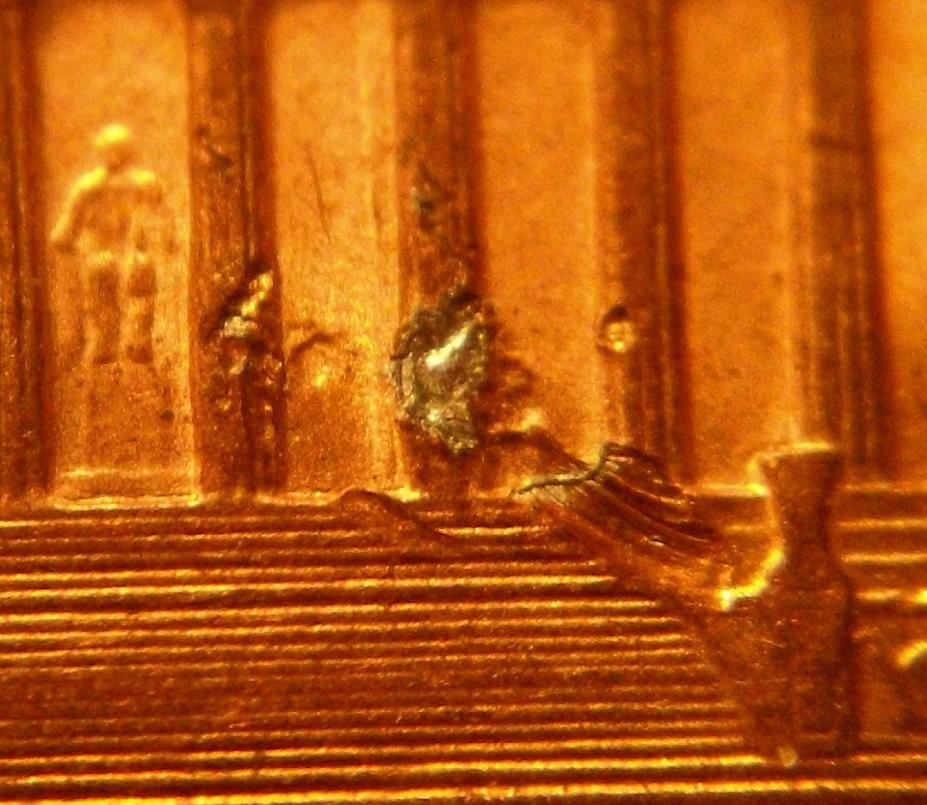


 Posted 03/28/2018 11:36 pm


From a previous post earlier today:
Quote:
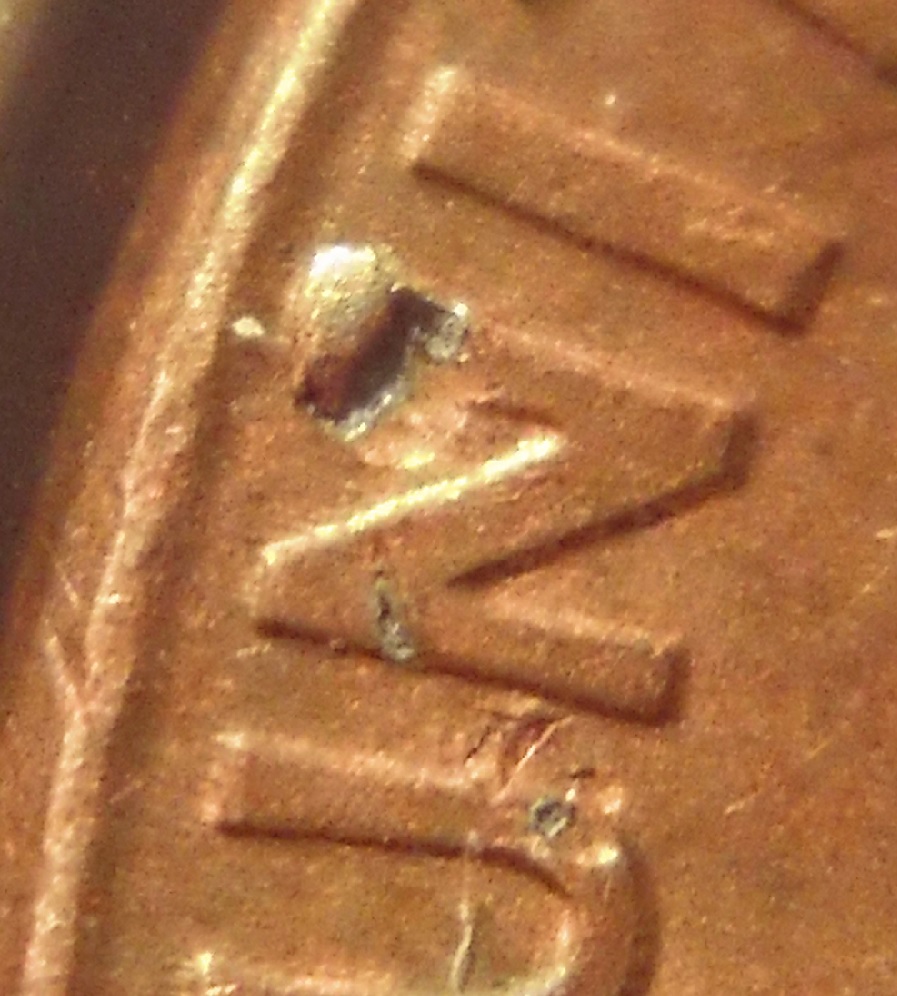
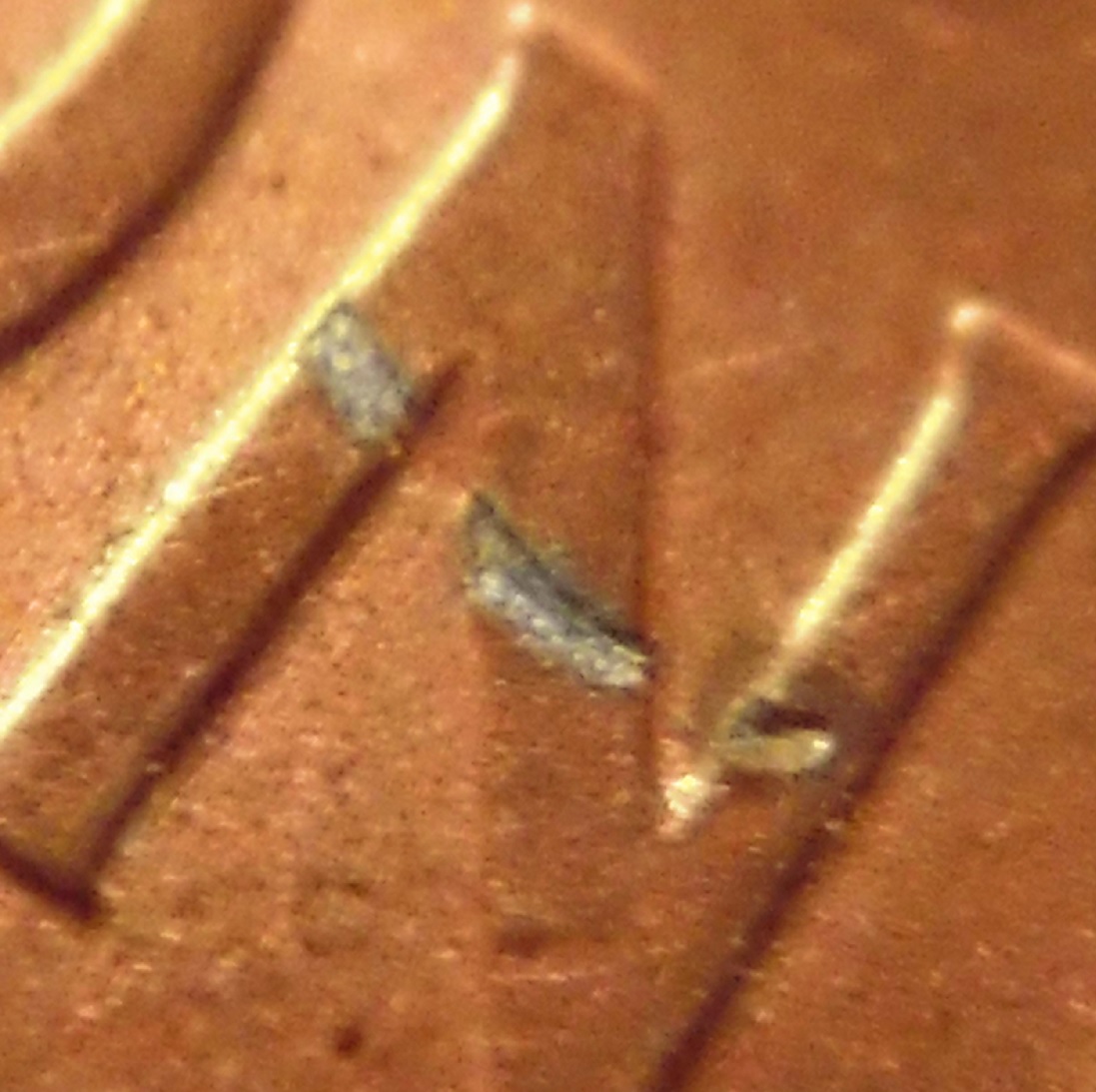
And here is where the conundrum begins. We encourage those new collectors to stick with a slight magnification of 10-15X when searching for DDO / DDR's but yet on examples as these Class 2's, much more magnification is needed. Until a new person knows what a metal "ghost" is, this is moot in trying to explain these minute indicators of hub doubling. We all encourage new people and even the more seasoned to learn about lighting, shadows, metal stresses/distresses and common anomalies that occur in the process of metal image production.
Therefore I contend, until new folks learn the very basics of 1) metallurgy, 2) Magnification, 3) lighting/photography and the PROCESSES involved, they stick with that which is easily and previously identified. This is hard enough to grasp for all of us. Class 2 DDO / DDR are indeed the hardest to recognize even for the most seasoned of us. Personally, I have found working with RPM's a great boon to becoming more aware of the notching effect because of the similarities to the Split Serifs found on RPM's. Sharpens the "mind's eye" to recognize what you see. And besides, they are easier to spot under 10-15X.
And here is where the conundrum begins. We encourage those new collectors to stick with a slight magnification of 10-15X when searching for DDO / DDR's but yet on examples as these Class 2's, much more magnification is needed. Until a new person knows what a metal "ghost" is, this is moot in trying to explain these minute indicators of hub doubling. We all encourage new people and even the more seasoned to learn about lighting, shadows, metal stresses/distresses and common anomalies that occur in the process of metal image production.
Therefore I contend, until new folks learn the very basics of 1) metallurgy, 2) Magnification, 3) lighting/photography and the PROCESSES involved, they stick with that which is easily and previously identified. This is hard enough to grasp for all of us. Class 2 DDO / DDR are indeed the hardest to recognize even for the most seasoned of us. Personally, I have found working with RPM's a great boon to becoming more aware of the notching effect because of the similarities to the Split Serifs found on RPM's. Sharpens the "mind's eye" to recognize what you see. And besides, they are easier to spot under 10-15X.
Edited by Crazyb0
03/29/2018 12:27 am
03/29/2018 12:27 am


