| Author |
 Replies: 8 / Views: 3,001 Replies: 8 / Views: 3,001 |
|
|
Pillar of the Community
United States
710 Posts |
|
|
|
|
Bedrock of the Community
United States
62064 Posts |
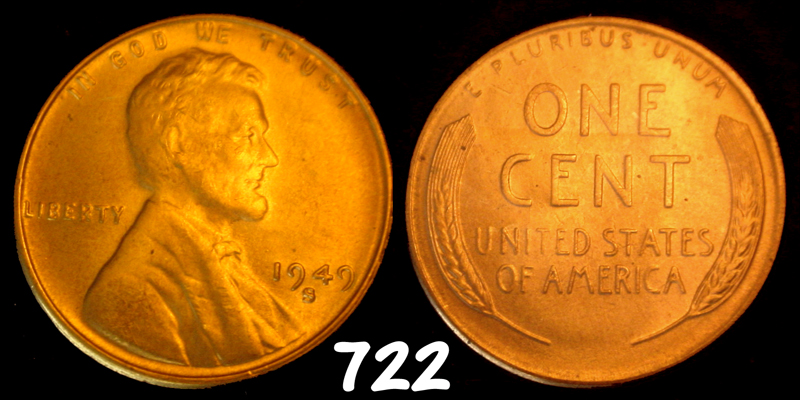
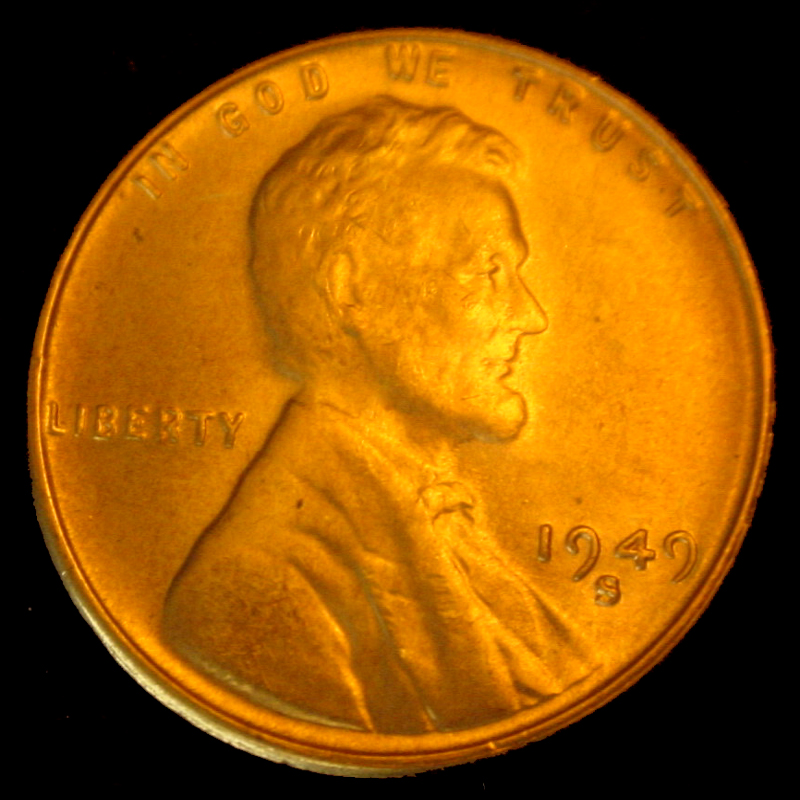
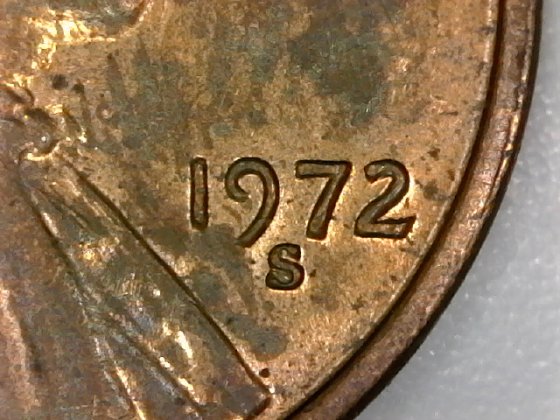
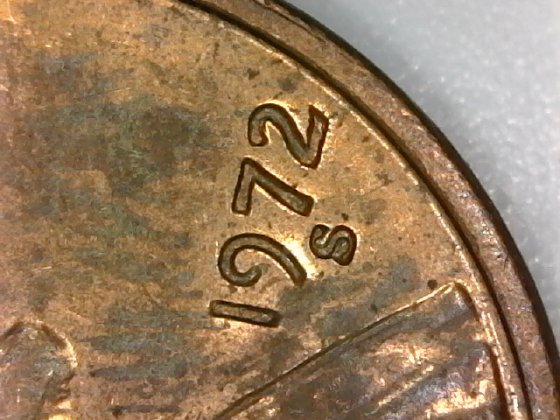
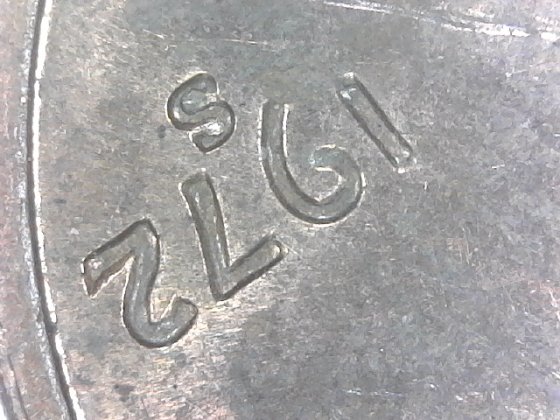
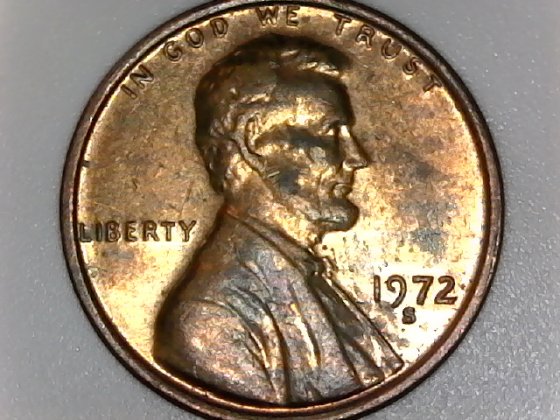
Looks like a normal mint mark for that year. I see no spread on the mint mark area.
|
|
Pillar of the Community
 United States
710 Posts |
What I was seeing I guess is inside the "S" loops themselves... seemed something was going on behind the scenes... See how the bottom of the S connects to center point of the S... (guess you can see it best in the faded pic). IDK... Maybe my eyes were playing tricks. Now I need to dig that one out and examine it again...  |
|
Bedrock of the Community
United States
62064 Posts |
Keep in mind you maybe seeing a damaged mint mark punch issue. I see it as a normal coin, with the damaged mint mark punch damaged. When looking for RPMs, look for spread on the mint mark area: 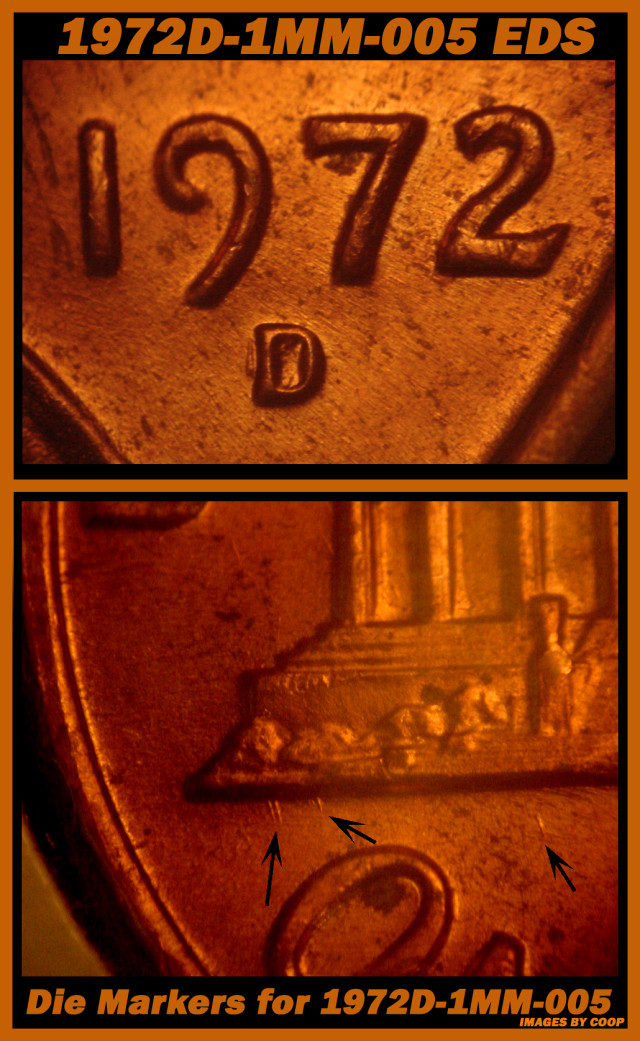 Note the spread on this RPM? Here is a few images of a DDO on the 1972-S cents. 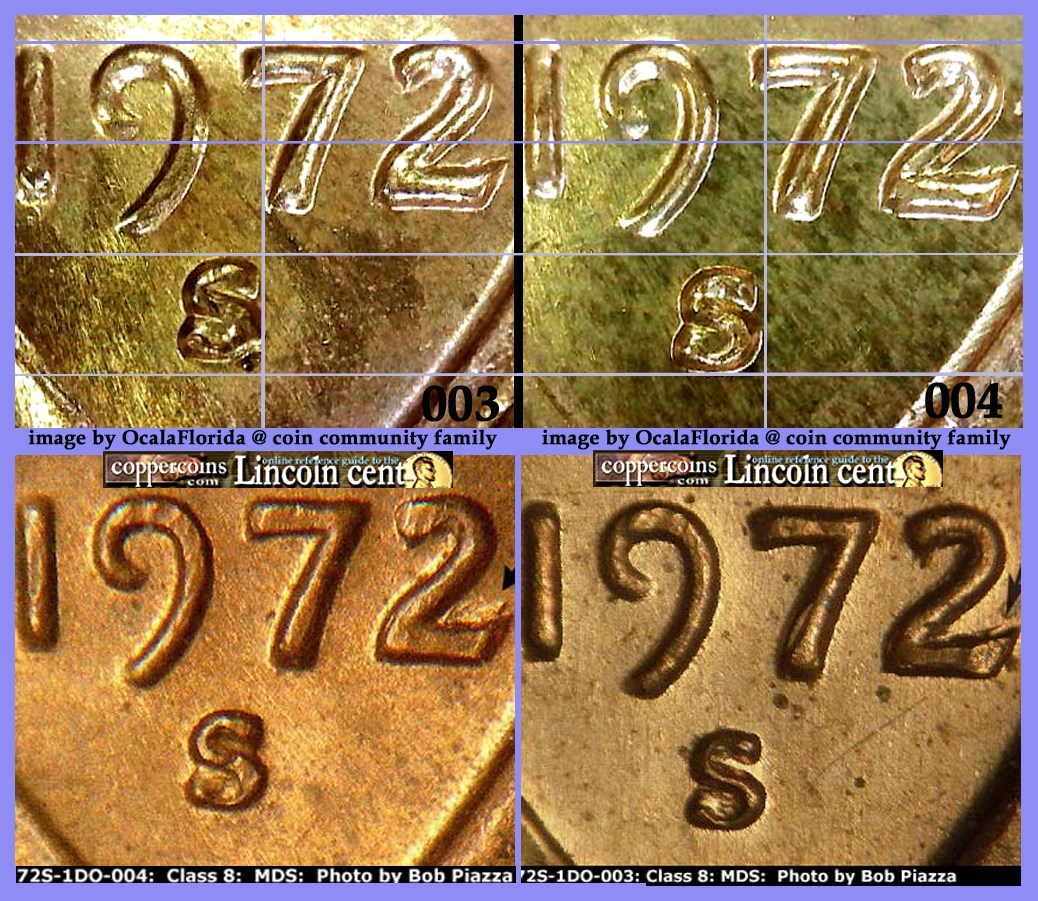 Note the mint marks? You can see the damaged punch issue on the area you are looking at. When I see that, I automatically dismiss it because I know what it is. A new collector sees it and doesn't know what it is. But at least your eyes are trained enough to know that it looked different to you. So now you know what it is and you can move on. I've never read this before, but I feel the dies were tempered before they add the mint mark punch. Thus leaves the dies with as much strength as possible. Using a mint mark punch without softening the dies, maybe the cause of the punches getting damaged so often. Again I've not read that they soften these dies, it is just something that I have a theory on. |
|
Pillar of the Community
United States
710 Posts |
Thanks for that!
I do definitely see when something is irregular... that is why I am finding a niche in error varieties. Now just to educate myself on what errors are what. I think I am at least asking the right questions. Sometimes my lingo gets in the way!
In seeing your examples and re-looking at my penny pics I posted, I now remember the other thing I thought I was seeing on this penny... the 2 seemed to have a bit of that tail on the 2... kind of like DDO-003 on the 1972-S, not as extreme as you examples though... so I was wondering if there was some sort of slight doubling. But, yes I get what you are saying that there is no spread on the MM.
BTW... If something is just slightly doubled, but can be noted, is there an amount that the doubling needs to be off to qualify it as an actual double die variety?
|
|
Bedrock of the Community
United States
62064 Posts |
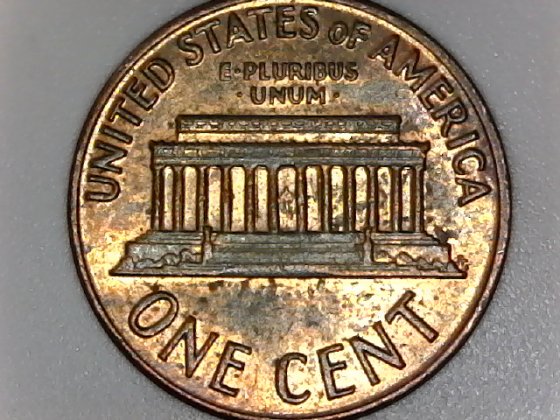
On the 1972 cents there were about 50% of them from all three mints that had master die doubling. so you might be seeing that on your coin: 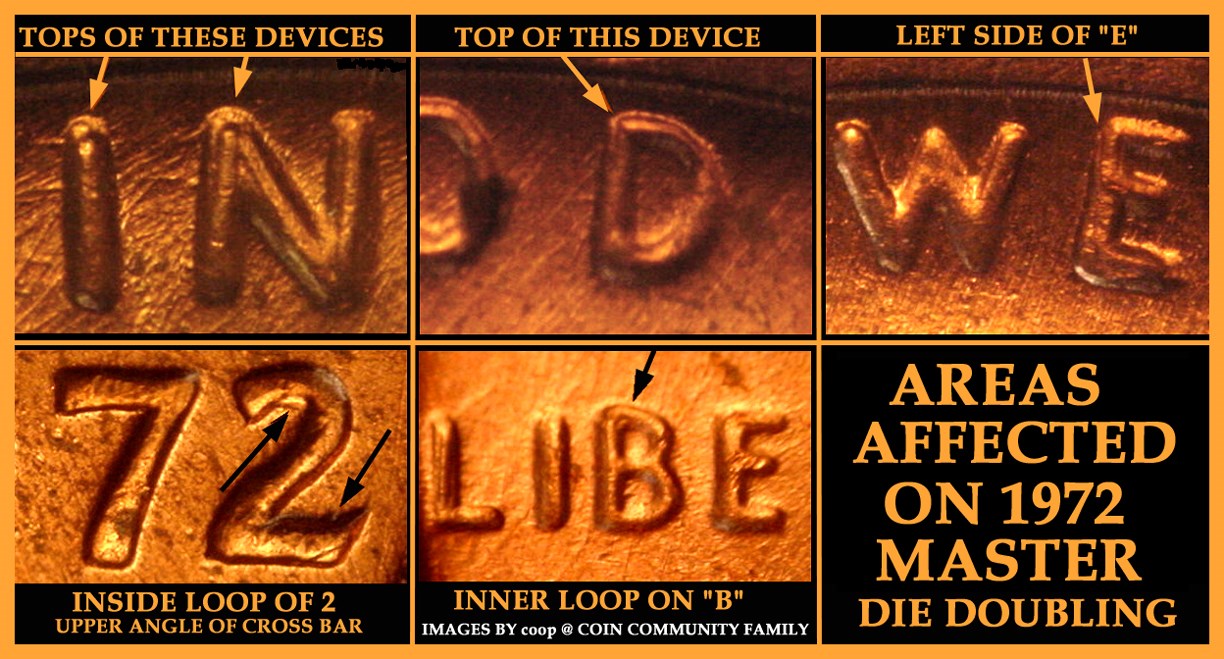 Note the areas with the arrows on your coin. To match a known die, all hub doubling must match. If it doesn't, it is not from that attributed die. On the 1972 Philly DDOs, the slightest differences are huge to ID them as from a different die. The amount of die doubling can be minor, but they will from the known big DDO examples. Look for the spread between the devices. The devices should be enlarged in order to be from hub doubling. (A doubled die has the doubling on the die, not created by the strike) |
|
Pillar of the Community
United States
710 Posts |
Definitely need to get this one out this evening for a re-look.
Thanks for the tips... I don't see any evident fatness relooking at the picture. but I am still gonna go over it again with a new perspective on what I am looking for.
In my searching I have come across coins similar to your examples, but didn't know what I was looking at exactly. Harder to tell things on older coins, especially circulated.
Was lucky to inherit some wheats and older date coins... mostly browns. Sorted and went through most, but as I learn I want to relook at them, with a knew perspective.
In the meantime trying to find the best way to obtain circulated coins other than the banks, always hoping to get customer cashed in rolls... I figure tip jars could get interesting? LOL
|
|
Bedrock of the Community
United States
62064 Posts |
|
|
Pillar of the Community
United States
710 Posts |
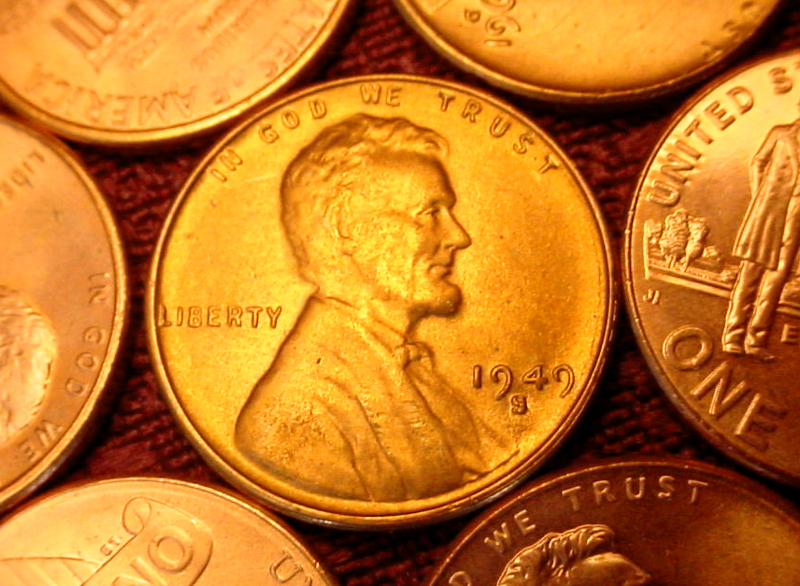
Those are nice!!
Earliest Reds I have is starting 1959... but I actually do have some reds to consider for grading I believe... wanna give them a better look and learn more about grading first! And then need to of course figure out which 1960's and Up pennies are valued at a high grade.
It is true there are so many different things people can get into with coins. I have learned to pick my favorite areas and go from there. Of course errors are my favorite!
I even picked up a repousse pop up bicentennial coin recently for $4... didn't even know what it was or anything about them, just thought it was interesting, since it was done on a real coin.
Anyways, I know there are some collectors who frown on them, as well as hobo coins and such. But I think they are interesting... especially the old ones. Mine is cool but is a very populated year of coin and newer. I mostly enjoyed learning about them.
|
| |
Replies: 8 / Views: 3,001 |
|











 Posted 04/09/2018 5:10 pm