| Author |
 Replies: 9 / Views: 1,512 Replies: 9 / Views: 1,512 |
|
|
Valued Member
United States
477 Posts |
|
|
|
|
Pillar of the Community
United States
7583 Posts |
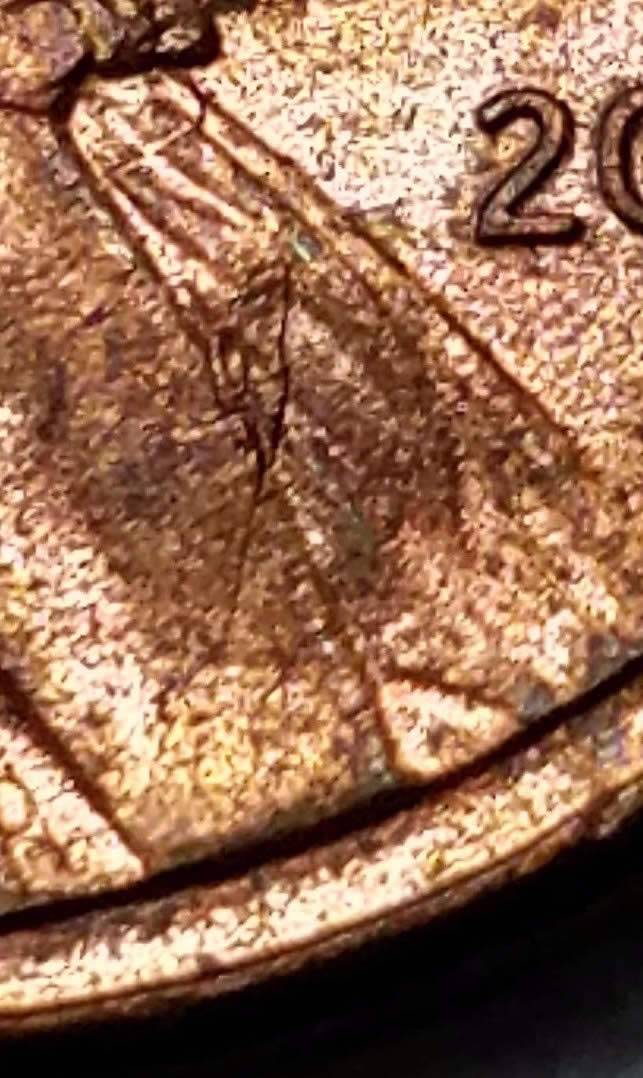
 going by these pics. it looks more like a lamination issue to me than die break Edited by Chase007
04/18/2018 3:57 pm
|
|
Bedrock of the Community
United States
78715 Posts |
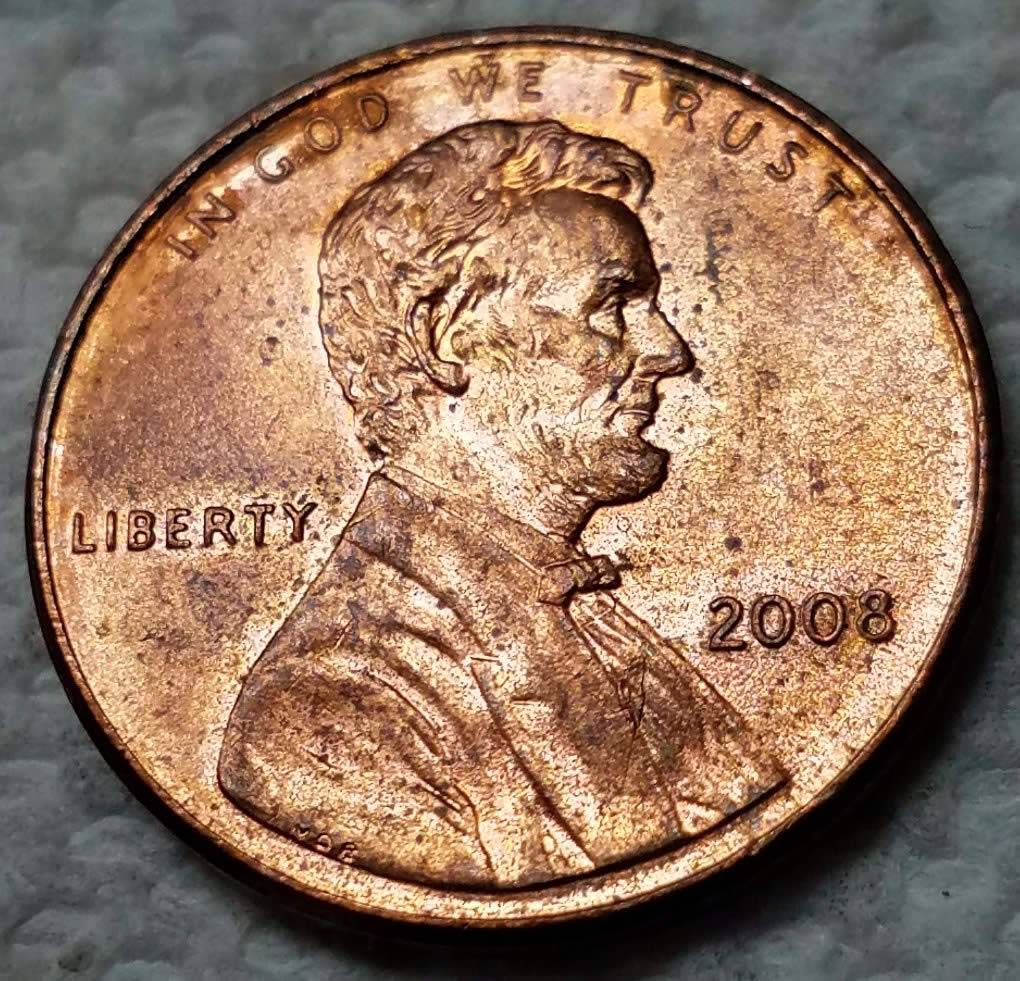
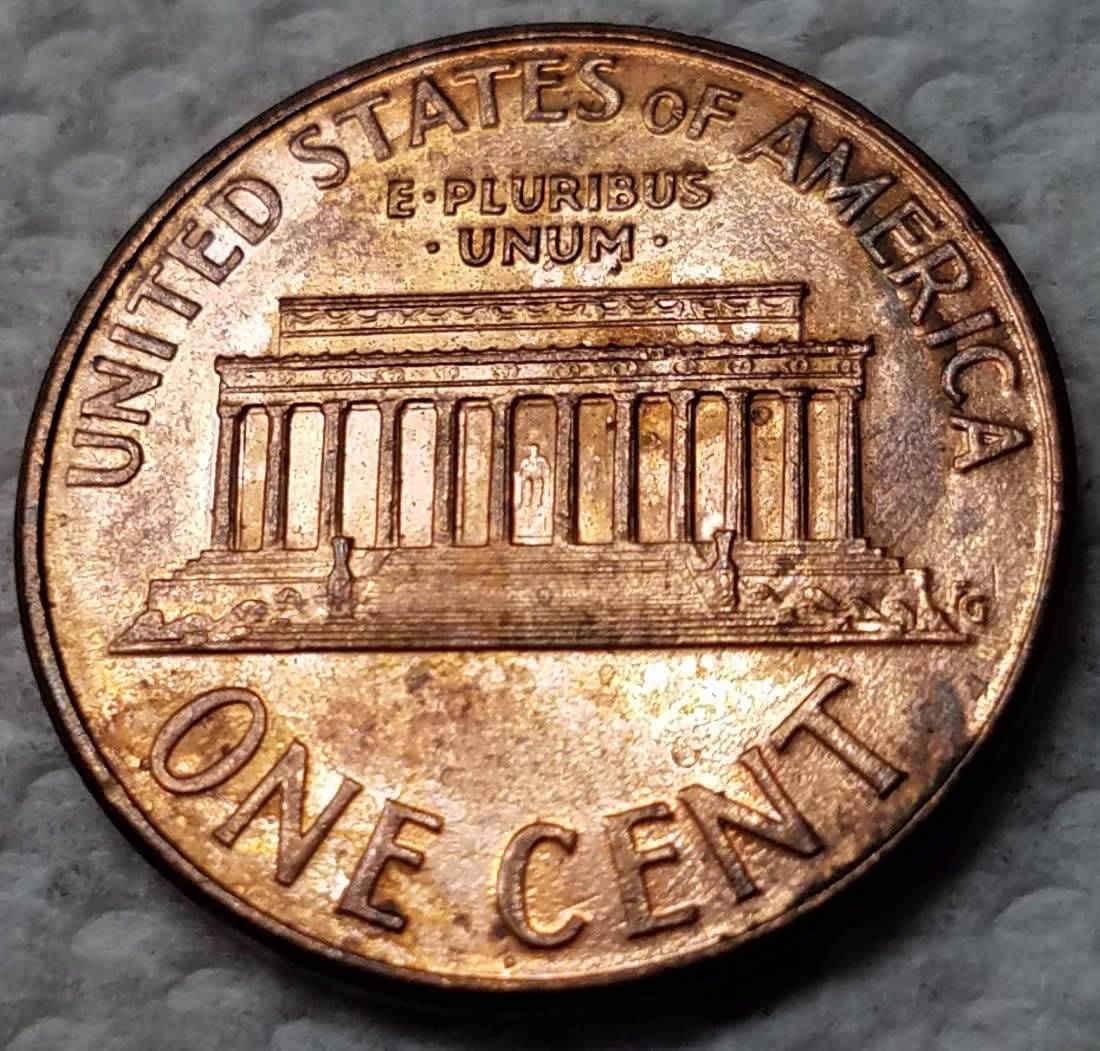
Quote:going by these pics. it looks more like a lamination issue to me than die break Chase, it's 100 percent impossible for a Lamination to happen on Copper plated Zinc cents. Laminations only happened on Copper cents. This is a Die Crack with a Retained Interior Die Break. Errers and Varietys.
Edited by Errers and Varietys
04/18/2018 4:03 pm
|
|
Pillar of the Community
United States
2260 Posts |
Just curious. How is it impossible for the copper clad to peel off the zinc core ?
I don't think I have ever found one but it doesn't seem 100 percent impossible.
I am assuming that a lamination can be the separation of dissimilar metals as well as similar metal.
Edited by 11997755
04/19/2018 06:56 am
|
|
Pillar of the Community
United States
4422 Posts |
Quote:
How is it impossible for the copper clad to peel off the zinc core ? That's different from a lamination. |
|
Pillar of the Community
United States
2260 Posts |
Quote:
That's different from a lamination. OK. Educate me. How is it different ? |
|
Pillar of the Community
United States
4422 Posts |
Lamination - impurities inside the planchet causes some parts of the metal to separate and sometimes fall off. Copper plating falling off - could be caused by air pockets between the zinc (although this wouldn't typically make the plating fall off), excessive striking pressure (split-plating doubling), or PMD. Lamination would occur during the planchet-making process while plating falling off could be caused during the plating process, the striking process, or after the Mint. I honestly don't know too much about laminations but I've never seen one on a copper plated zinc cent. |
|
Pillar of the Community
United States
2260 Posts |
Quote:
I honestly don't know too much about laminations but I've never seen one on a copper plated zinc cent. Nor do I and I have not seen one on a copper plated zinc but I am thinking a bubble would be considered a lamination. A separation of metal caused by an impurity. I just think that saying it is "100 per cent impossible" is not an accurate statement. Then again I have been wrong more than once.  |
|
Bedrock of the Community
United States
94367 Posts |
To me, the generally understood meaning of the terms "laminate", "lamination" or "laminating" is simply the joining together of layers of either similar or dissimilar materials, such as plywood or any veneered surface. In that sense, the peeling of a copper layer from a zinc core would be a "delamination", or if you like, a "lamination issue" even more than the peeling of a solid metal surface due to alloy impurities - which we call a "lamination issue" in the hobby but which really has nothing to do with the separation of defined layers at all.  Edited by Coinfrog
04/19/2018 7:32 pm
|
|
Rest in Peace
10197 Posts |
What people don't realize that in the process of mixing an alloy, the mixing is said to "fold over", a rolling motion kinda like a making an omlete. When metal is formed into a bar stock, it is press/extruded this molecularly puts one metal(sometimes dissimilar) on top of each other. If there is a problem of the molecular adhesion, due to tempering, mixing or substances those layers may separate. This on coin laminations is most always ragged and quite irregular. Cracks form more along lines of weakness and tend to be straighter/sharp angle lines as seen on OP's coin is a break with a section of die face that has been removed due to the cracking, not the molecular mix/adhesion. Too different things here.
|
| |
Replies: 9 / Views: 1,512 |
|













 Posted 04/18/2018 4:02 pm


