











 Posted 05/23/2018 07:35 am


Several tests taken together, are normally required to confirm authenticity of ancient coins.
Examining pictures on screen is only one of those tests.
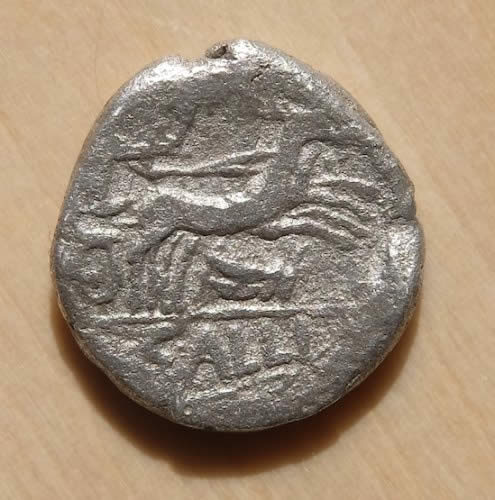
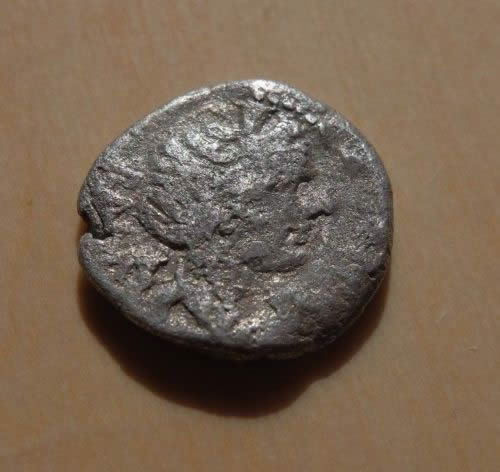
Surface suggests burial with direct soil contact, then cleaning after recovery.
Weight OK, looks OK. It doesn't appear to be cast.
Compare with other similar coins, as such can be found on the 'Wildwinds' website. 'Vcoins' website may also help, as can public auction records, such as Heritage Auctions.
Examine inside the edge crack with a 10x loupe, looking particularly for tensile metal distress.
XRF testing would help, looking for trace metals, not the major alloy metals of silver and copper. The ancients were not able to refine out a wide variety of trace metals, nor were they able to control the alloy proportions with consistent accuracy, as modern alloying procedures can.
A bullion dealer or scrap gold buyer should have a hand held XRF instrument.
Examining pictures on screen is only one of those tests.
Surface suggests burial with direct soil contact, then cleaning after recovery.
Weight OK, looks OK. It doesn't appear to be cast.
Compare with other similar coins, as such can be found on the 'Wildwinds' website. 'Vcoins' website may also help, as can public auction records, such as Heritage Auctions.
Examine inside the edge crack with a 10x loupe, looking particularly for tensile metal distress.
XRF testing would help, looking for trace metals, not the major alloy metals of silver and copper. The ancients were not able to refine out a wide variety of trace metals, nor were they able to control the alloy proportions with consistent accuracy, as modern alloying procedures can.
A bullion dealer or scrap gold buyer should have a hand held XRF instrument.


