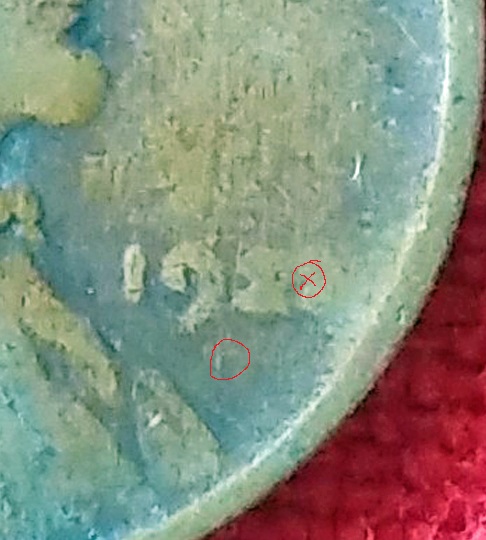
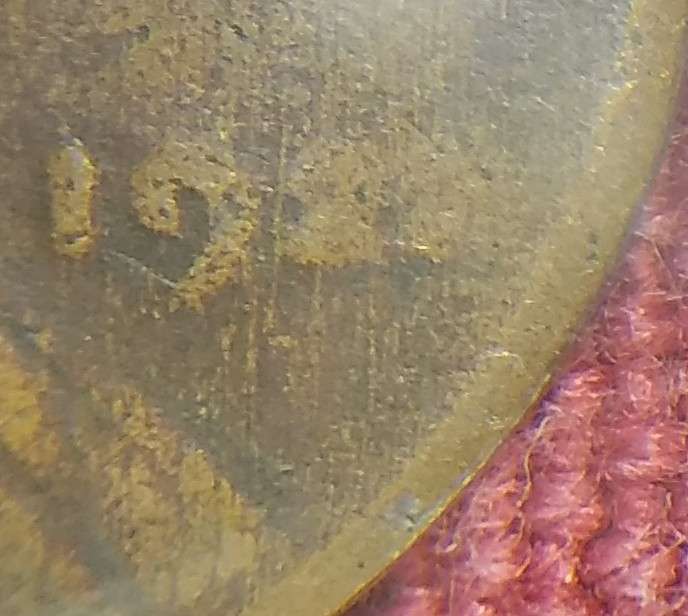
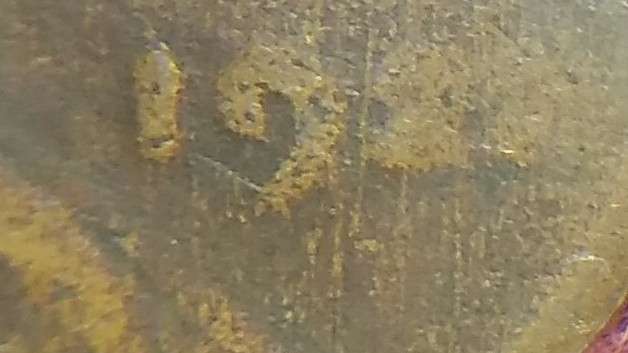
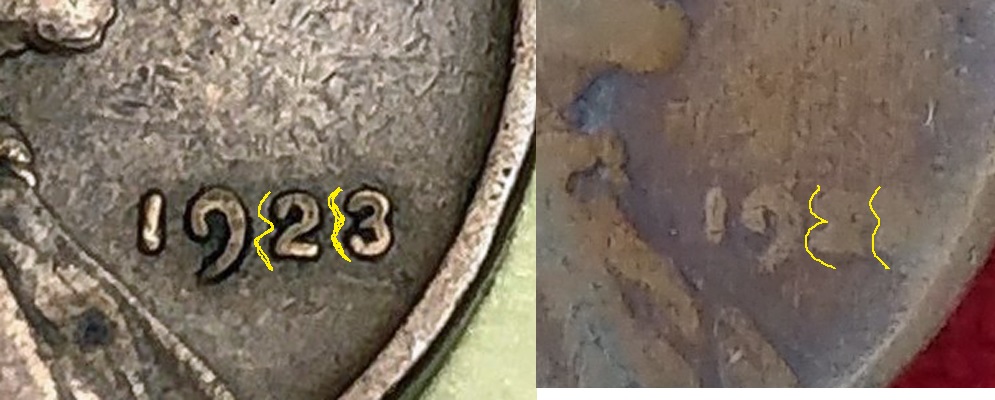
Boy Cammy, I don't know. I see a slight vertical tic for where a MM would be but it is too undefined to say if it is a weak at all. I'm not convinced of the second digit being a 2, may be a 3. Why I say that, damage flatting non-withstanding, is the center left has no gap like the first 2 does. Yes I know the second is weak on the die pairs #1, But on the strong reverse(pair 2) second 2 is stronger too.
Quote:The 1922 "plain" or "no d" can be produced from four different die pairs. Die Pairs #1, #3 and #4 produce either
a "weak D" or a "No D". Die Pair #2, which is the most desirable of the four die pairs, always produces a "No D".
In 1922 only the Denver Mint was responsible for producing Lincoln Cents. Both Mints were busy producing
millions of Silver Dollars. No nickels, dimes, quarters, or half dollars were produced in 1922. The creation of all
four die pairs was the result of the Denver Mint running out of usable dies with thousands of cents needed to be
struck to fill their quota.
Die Pairs #1, #3 and #4 were the result of "mint grease", which is a combination of dirt, metal, and oil, filling the
area of the mintmark. Mint grease would fill the mintmark gradually, resulting in different levels of "weakness". It
is believed that the mint grease would fall out, then refill creating a cycle of normal D's, broken D's, weak D's, and
no D's. When looking at circulated examples of 1922 D's, keep in mind that the mintmark could have simply be
worn from use. Die Pairs #1, #3 and #4 have "weak reverses" because they were struck with worn reverse dies.
Die Pair #2 is not believed to be the result of "mint grease". A pair of dies that were creating 1922 D's clashed
together. The clash resulted in damage to both the obverse and reverse die. The reverse die was badly
damaged, and replaced with a newer less worn die. The obverse die was reworked by a mint employee who
erased all traces of the D mintmark while repairing and polishing the die. The result is a worn obverse die with no
trace of a mintmark and a strong reverse die.
http://www.lincolncentresource.com/...rieties.html All 1922 weak D or No D coins fall into one of 7 categories:
1. Die Pair #1 Weak D (Weak Reverse)
2. Die Pair #1 No D (Weak Reverse)
3. Die Pair #2 No D (Strong Reverse) also called 1922 Plain
4. Die Pair #3 Weak D (Weak Reverse)
5. Die Pair #3 No D (Weak Reverse)
6. Die Pair #4 Weak D (Weak Reverse)
7. Die Pair #4 No D (Weak Reverse)
So if any ID I would venture a "weak D", but possibly a Die #! if you can mark the reverse die cracks.







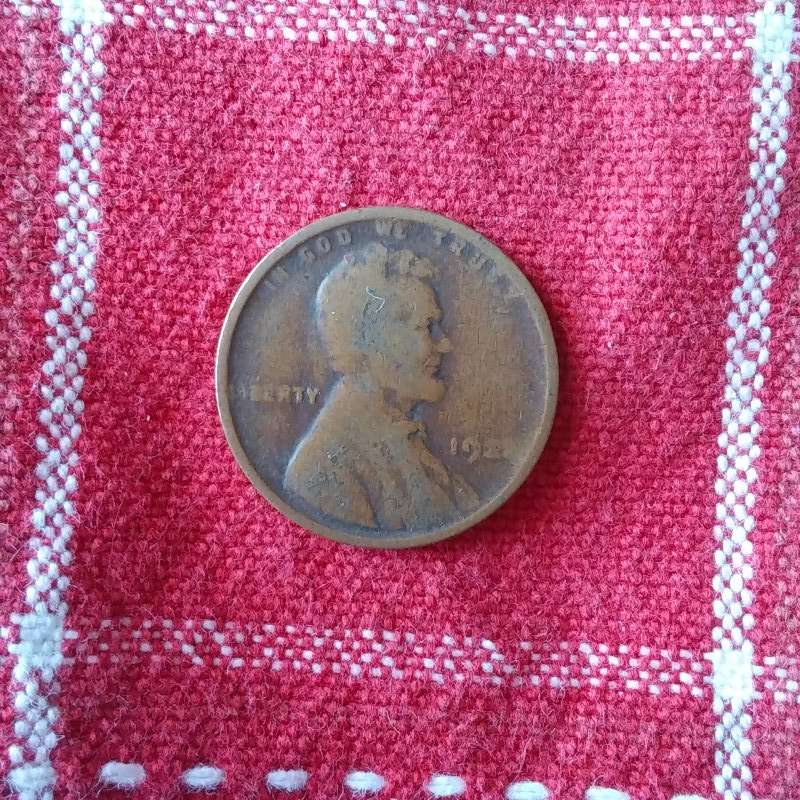
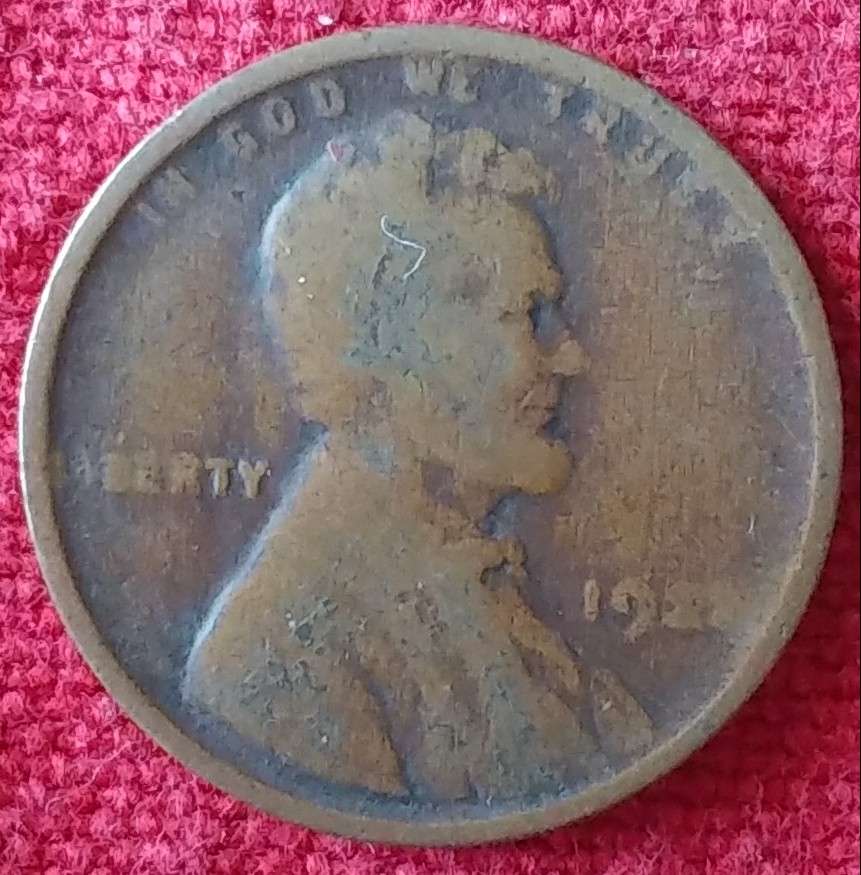
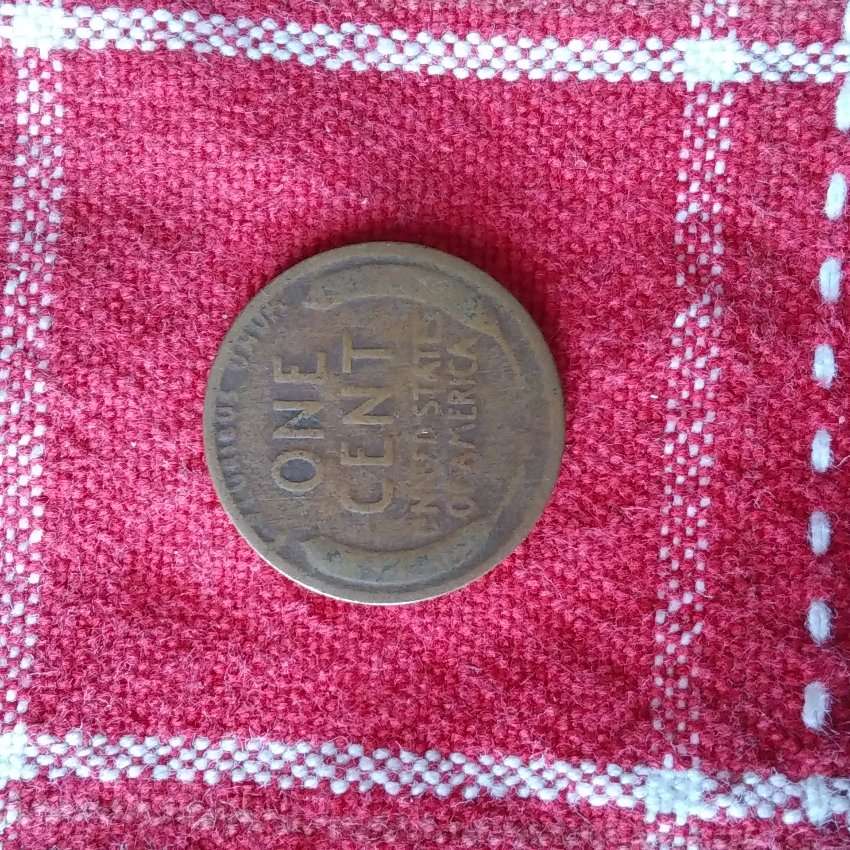
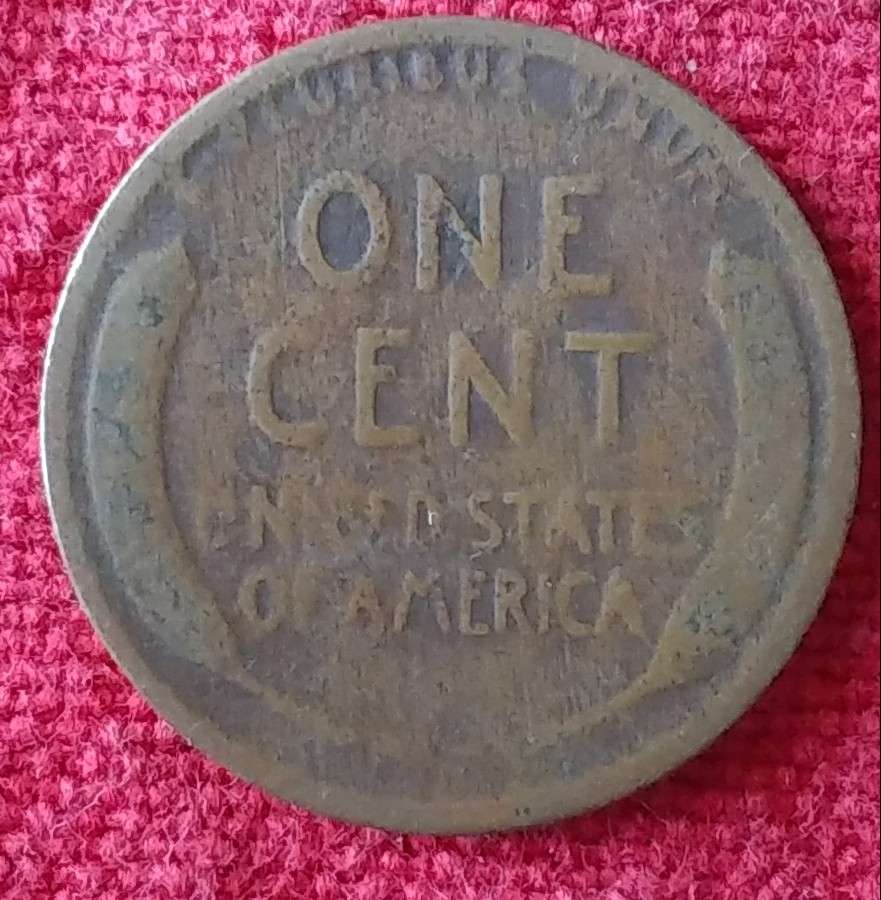


 Posted 08/01/2018 4:30 pm







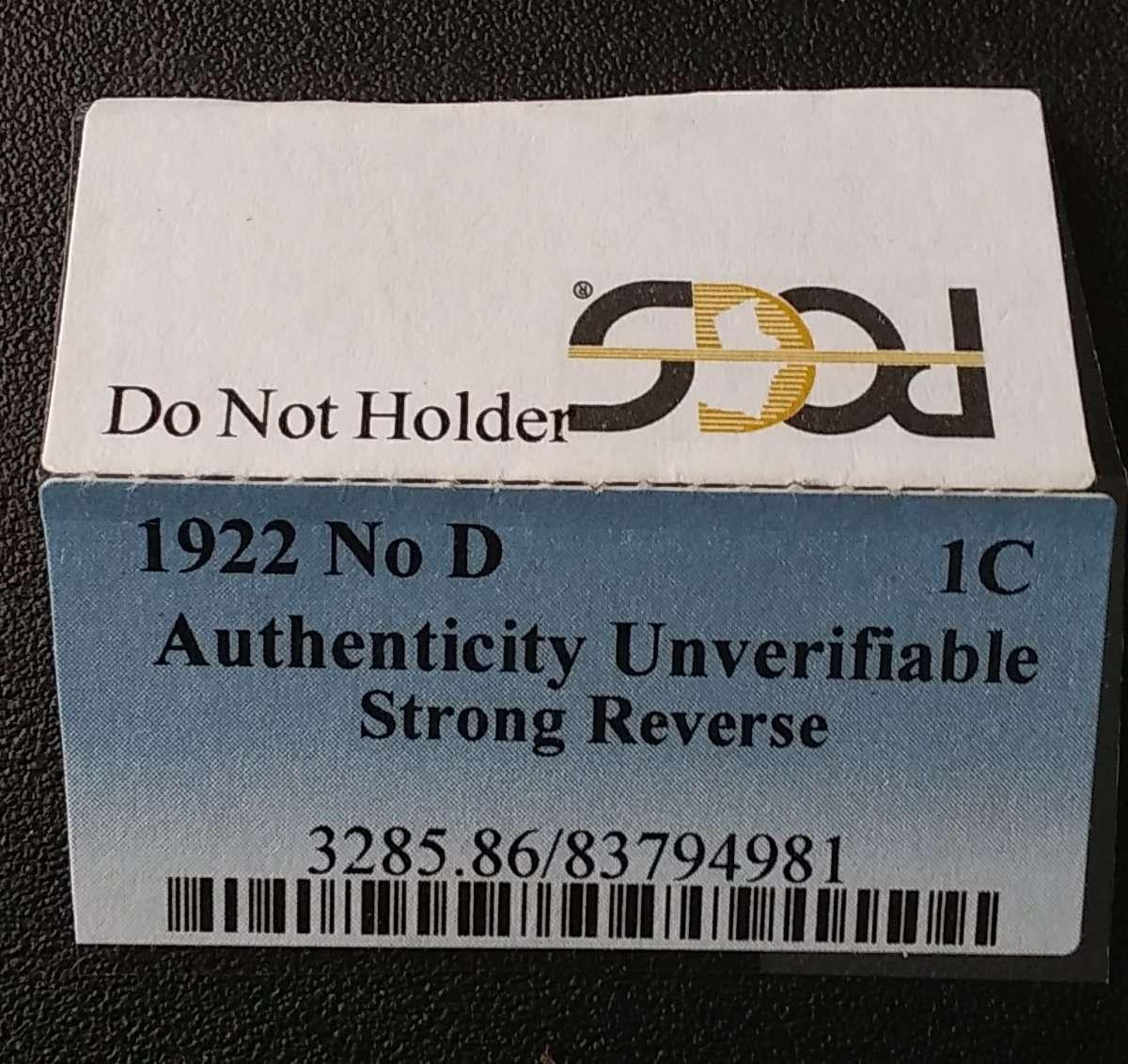


 Apparently the reverse IS verifiable as a 1922 Plain, but not the obverse.


