Here is another view of die wear:
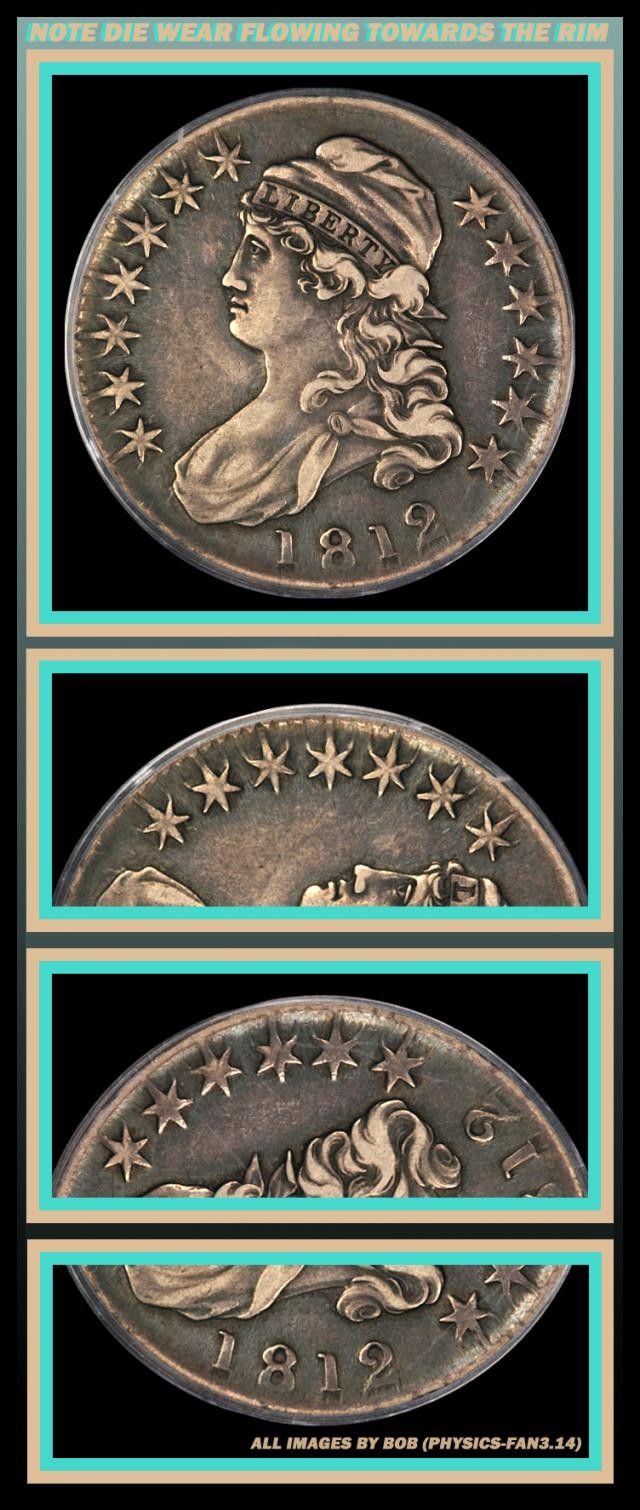
The planchets are forcing the metal to move to a desired locations, hundreds of thousands of times. On the cents of today as many as one million coins might be struck by the same die. Thus the wear happens slowly and get worse quicker when the die is reaching retirement. (Just like our bodies do as we age)
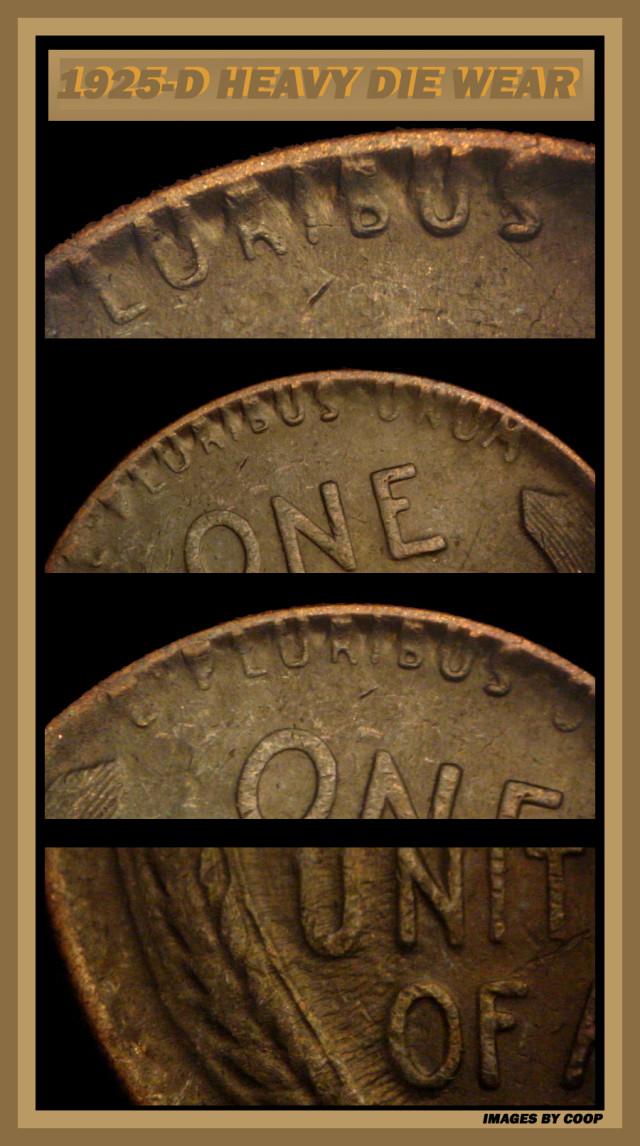
When the die get really worn it will be retired or matched up to another die marriage till they are retired.
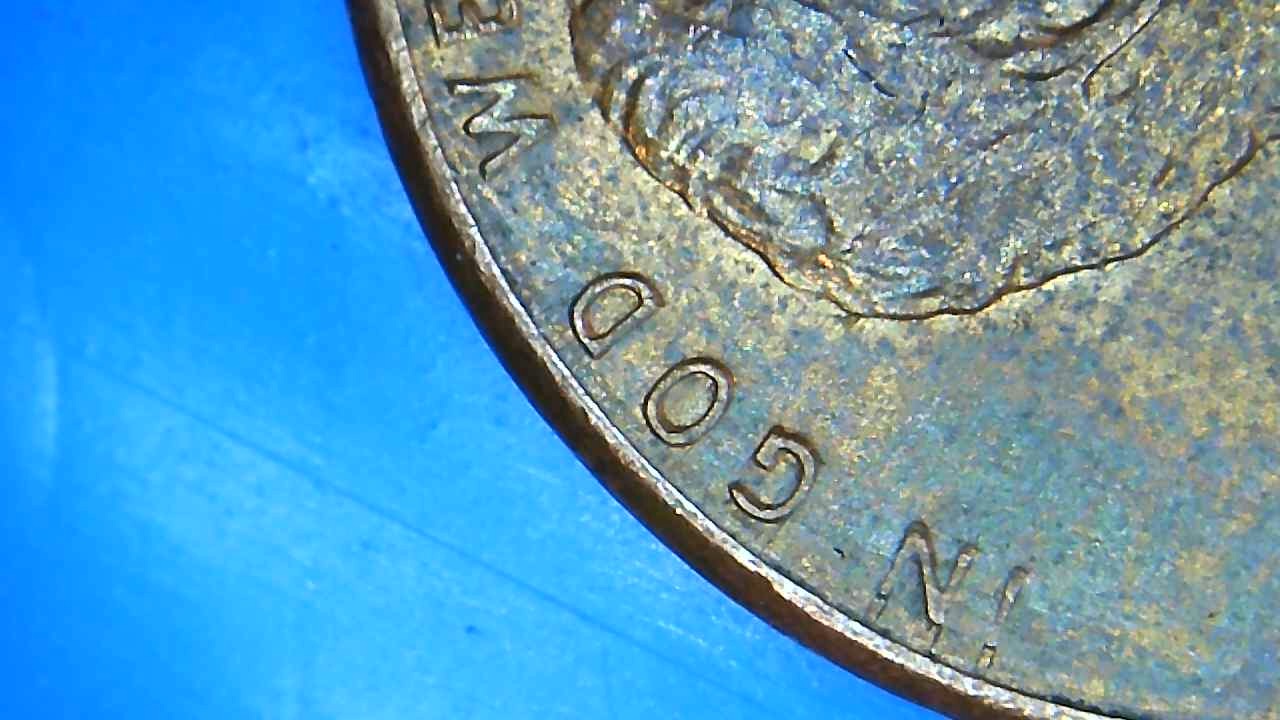
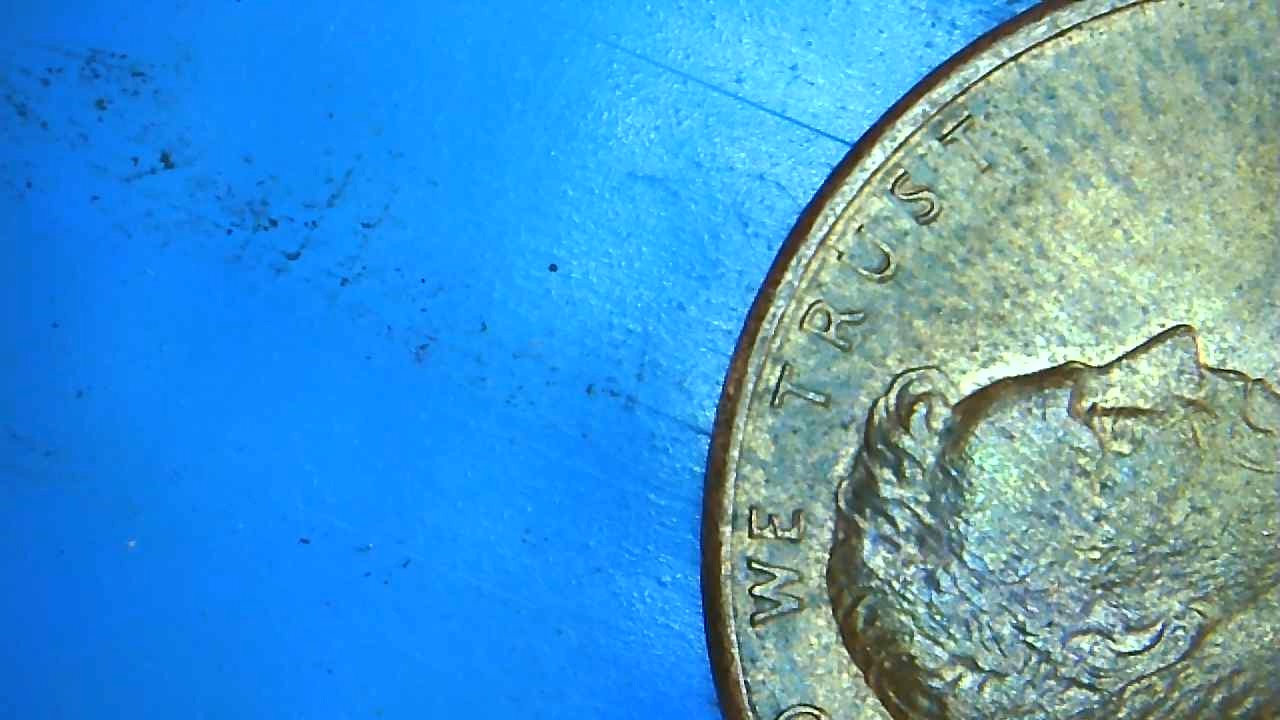
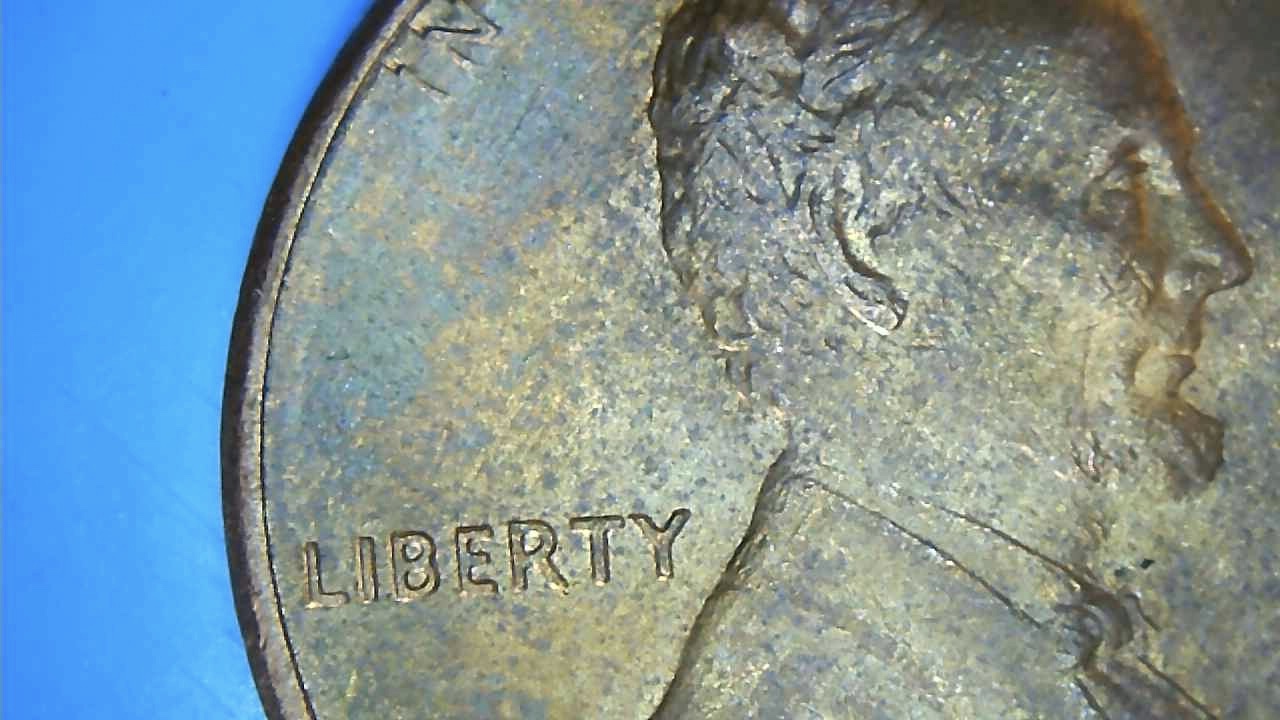
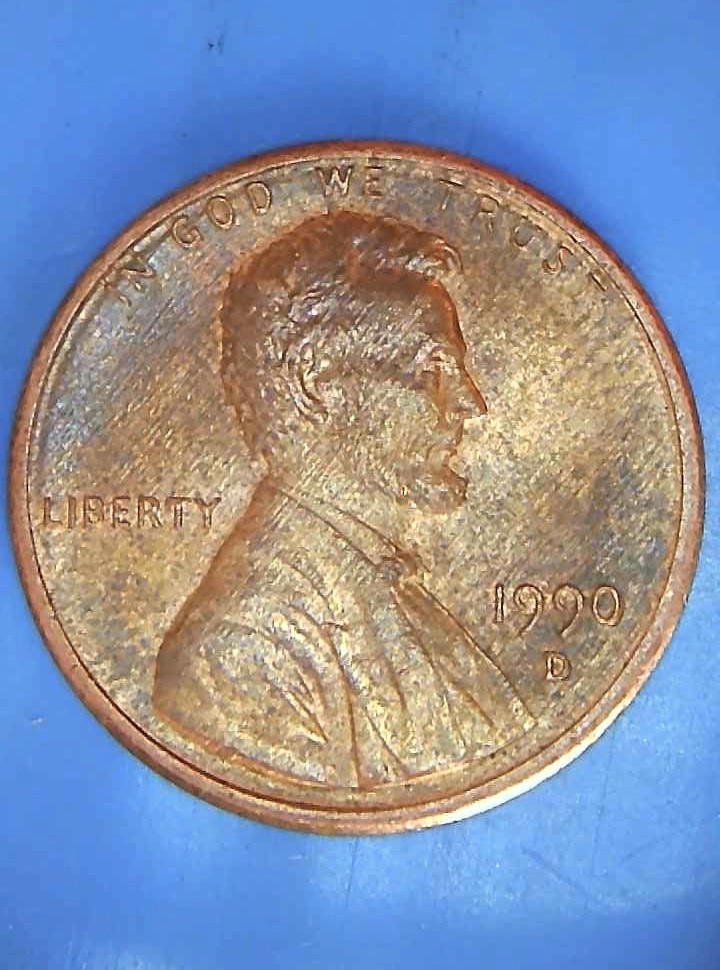
But the new dies have a lower profile, so they dies break down differently. They start wearing on the fields and the devices remain strong:
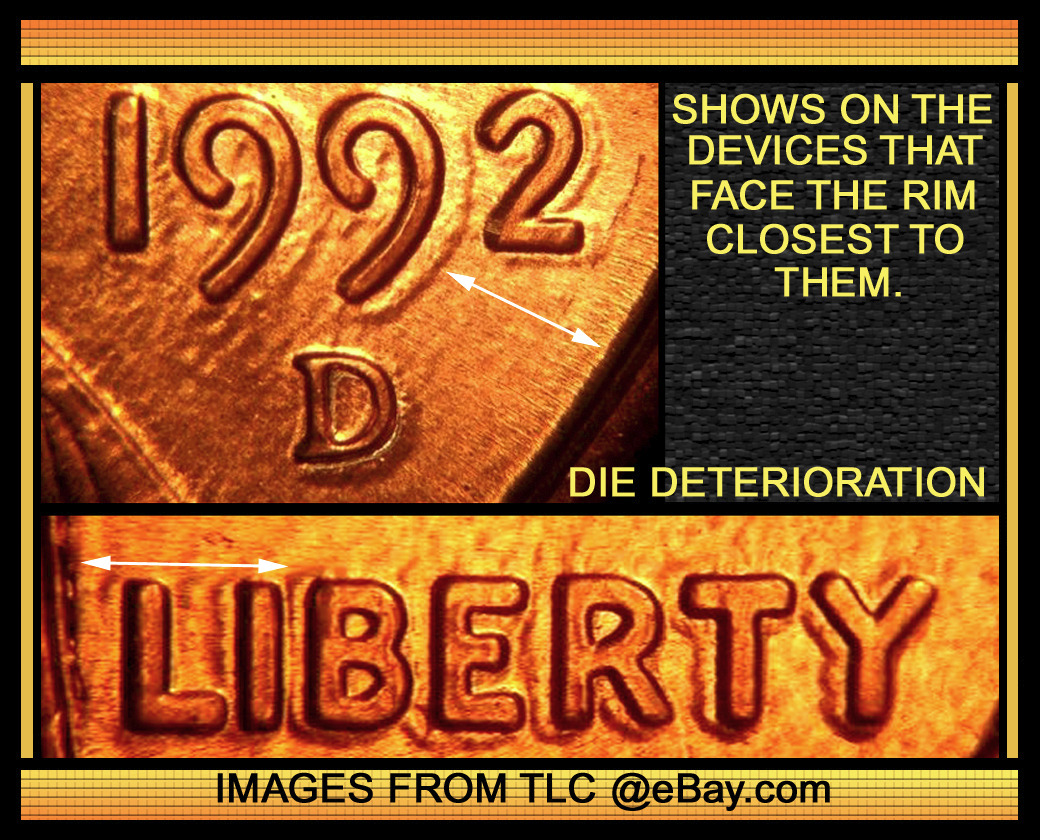
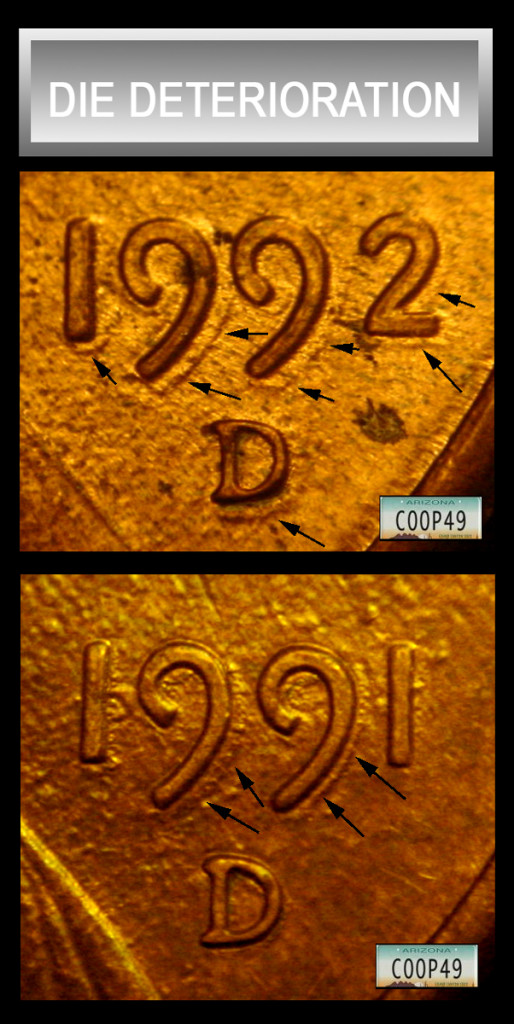
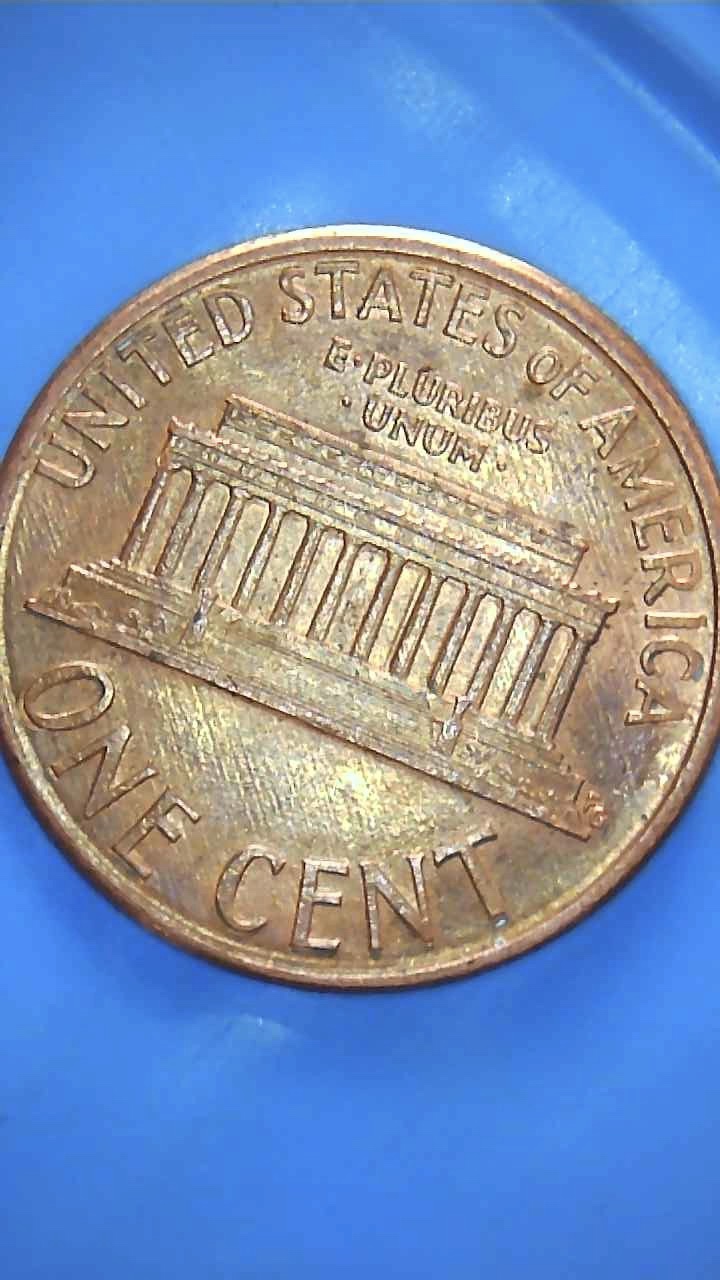
And the reverse do the same:
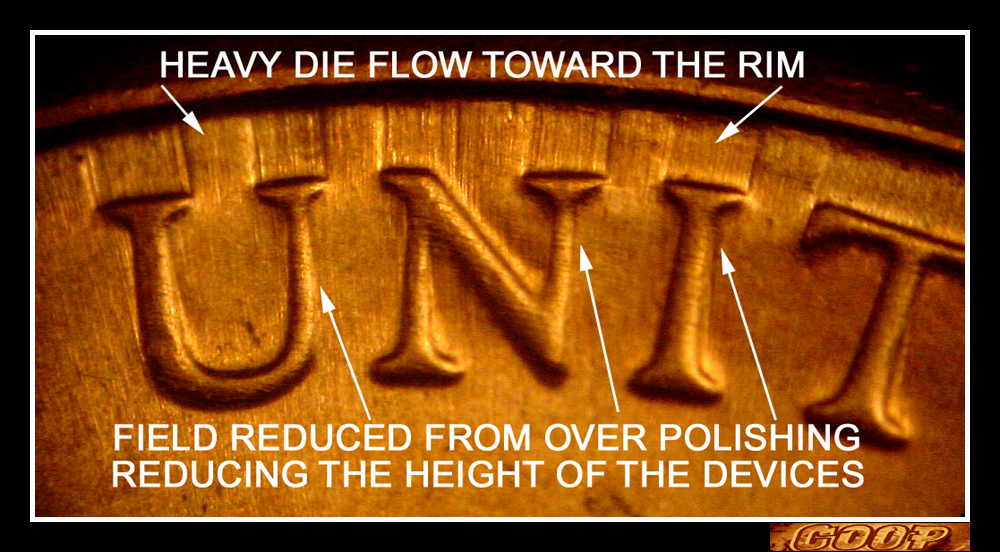
These die flow lines are showing the direction of the planchet movement during the strike of the coin.. Hundreds of thousands of times. Just a fact of life. The die grows old and is eventually retired or if the die is broken, then retired sooner. (sounds familiar)












 Posted 09/07/2018 5:37 pm


