| Author |
 Replies: 10 / Views: 847 Replies: 10 / Views: 847 |
|
|
Valued Member
United States
236 Posts |
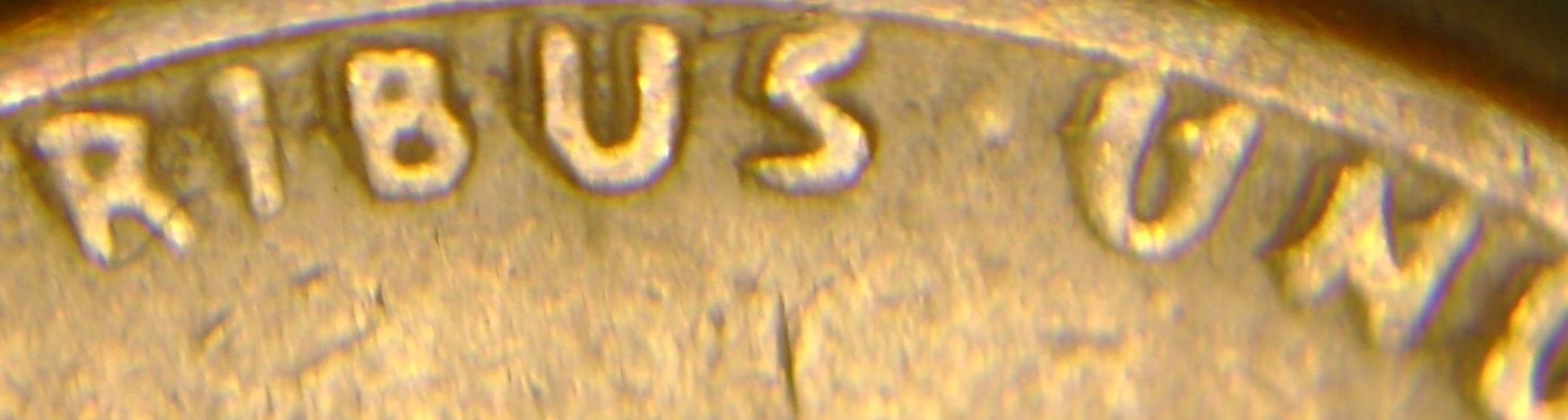
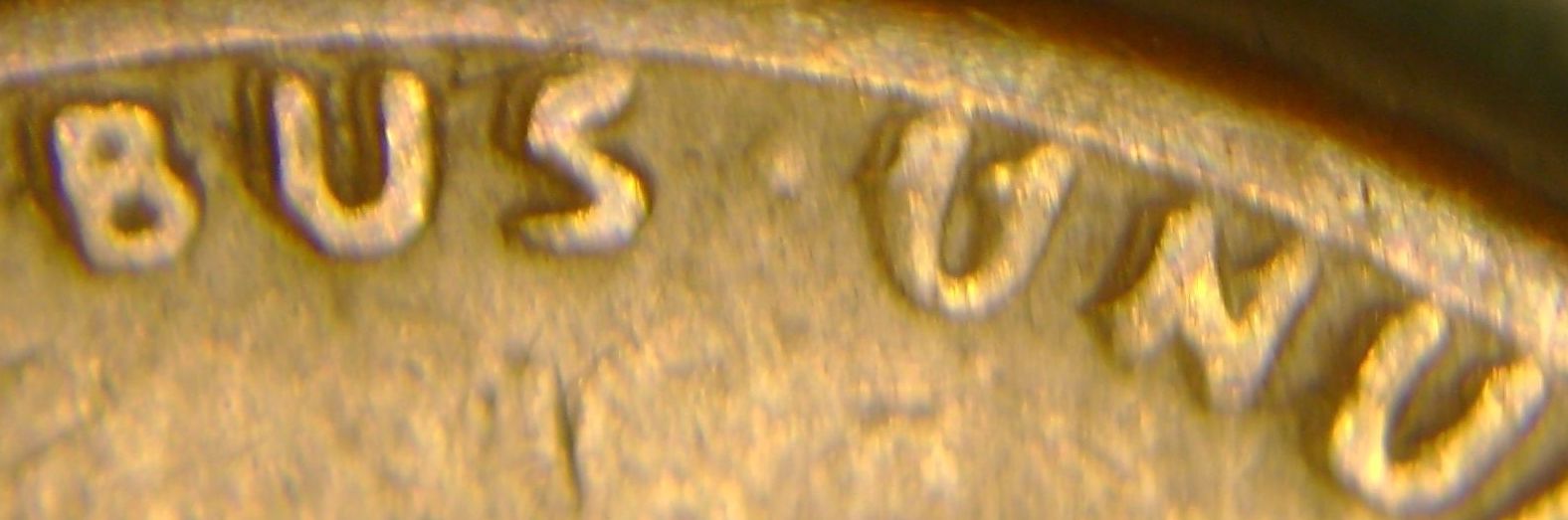
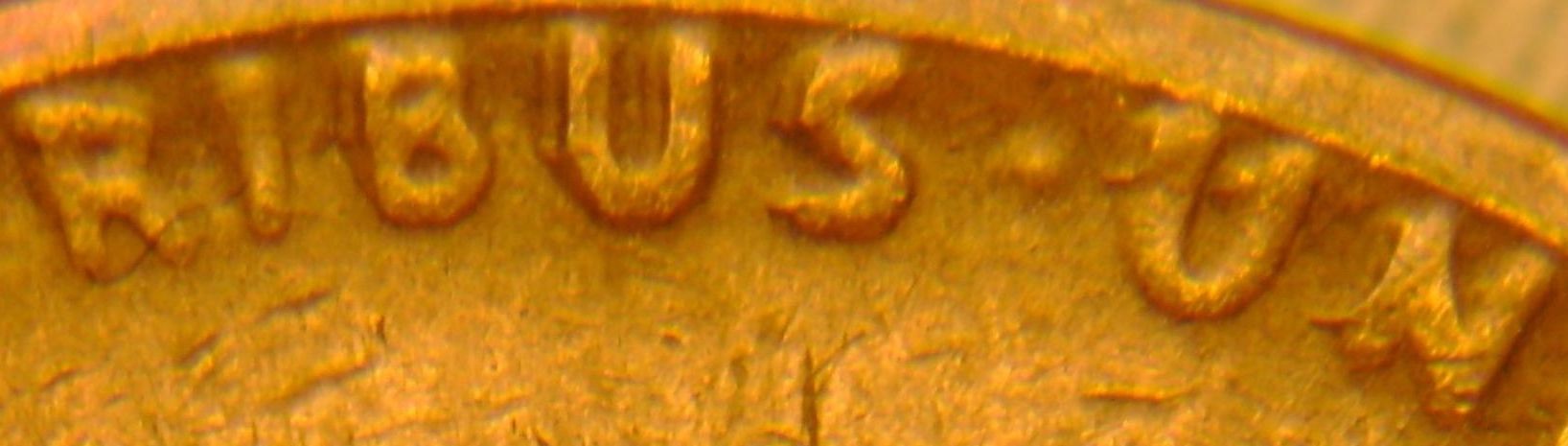
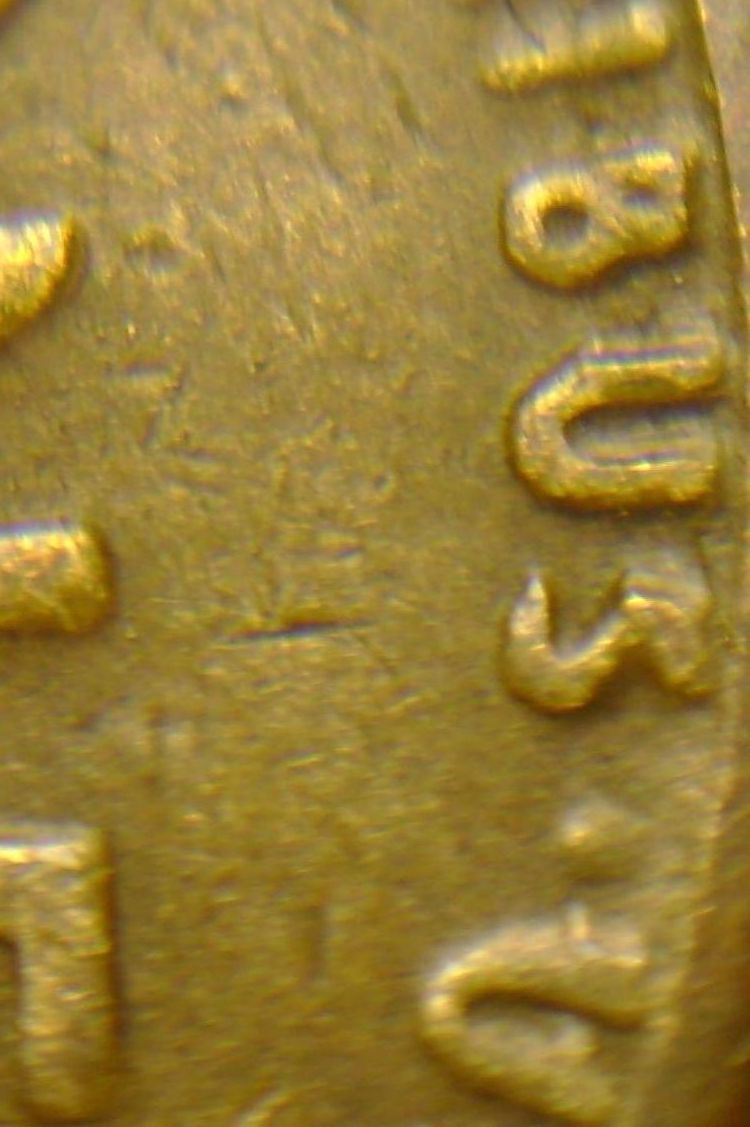
This is a tough one for me give the year & condition, about a "fine" condition.... No need to post the Obverse. I've seen earlier years of this sort which looked to be die deter, or MD & they turned out to be DD's....... Had to crop quite a bit to get to 100k size. Image:  1927Sa.jpg 1927Sa.jpg99.04 KB Image: 1927Sb.jpg96.95 KB Image: 1927Sc.jpg94.64 KB Here's a different angle/lighting as well as some light doubling shown on "ONE"....... again, I'm not an expert..... guess just hoping for the best, like the rest of us  Image: 1927D.jpg Image: 1927D.jpg97.58 KB Edited by coffeegod
07/15/2008 4:35 pm
|
|
|
|
Valued Member
United States
405 Posts |
Like you said it's hard to tell for sure, being that worn, but I'm pretty confident it's not a doubled die. I don't see any notching and the doubling looks flat. On many of the letters the doubling seems to occur on both sides of the device, which leads me to believe it's Strike Doubling. Have you tried comparing it to know varieties on coppercoins.com? |
|
Valued Member
 United States
236 Posts |
There's none.... This is why it's hard to tell from these early dies. There's no doubling on both sides.... that's shadowing to the right.
Edited by coffeegod
07/15/2008 3:53 pm
|
|
Bedrock of the Community
United States
62064 Posts |
|
|
Pillar of the Community
United States
3507 Posts |
Hi, A fair dose of Machine Doubling on both. They are both exhibiting signs of die wear as well. Thanks, Bill |
|
Valued Member
United States
236 Posts |
They're all pics of the same coin...... thanks anyway. Wasn't holding my breath too much.
|
|
Valued Member
United States
405 Posts |
Bill - which part do you associate with Machine Doubling and which part do you associate with die wear? |
|
Pillar of the Community
United States
3507 Posts |
Hi Seattle, The easiest example is the first picture...Look at the RIBUS, The Machine Doubling is the flat doubling to the left of the BUS. The die wear is exhibited as a club shaped I and the deformed R. Good question! Thanks, Bill |
|
Valued Member
United States
405 Posts |
Cool - thanks again Bill!
|
|
Bedrock of the Community
United States
62064 Posts |
Also die wear is most noted on the areas of the devices that face the rim. Those areas get the most wear as the metal to metal rub force that area to wear the strongest. Some varieties that have doubling on this area is sometimes the first to be erased from wear. That it is why earlier die state coins have more of a chance of showing minor doubling. But I've found coins that HAD strong doubling completely worn off. The only clue that it was a variety was the doubling on the EPU was still there and strong. So die wear causes the undesirable things that variety collectors have learned to identify. The devices get so weak from wear that the devices and fields flow over each other with flow lines in the VLDS (Very Late Die States) and the coin just have a crisp look anymore. If you sent off a coin to be graded, most companies don't take into consideration the die state, just the strike/distractions/wear or non wear. EDS coins do have a beauty that variety collectors love to see. They take the best images and are the most desirable to micro collectors.
The reason I thought the above images were two different coins was the dates 1927S and 1927D. So I figured they were different coins. But I guess not.
Edited by coop
07/16/2008 11:13 am
|
|
Valued Member
United States
236 Posts |
Thanks Coop..... There's so many variations of the same die from EDS to LDS that it makes it VERY tough on us looking for those specific varieties. I've been nursing for quiet some time. I guess I can attribute what your saying to the same diagnosis (eg an appendectomy), but can vary from a 12yo individual to a 72yo individual. The wounds tend to heal with more (wrinkles  ) in an older individual. Thanks, Eric |
| |
Replies: 10 / Views: 847 |
|







 1927Sa.jpg
 1927Sb.jpg
 1927Sc.jpg
 1927D.jpg

 Posted 07/15/2008 3:09 pm





