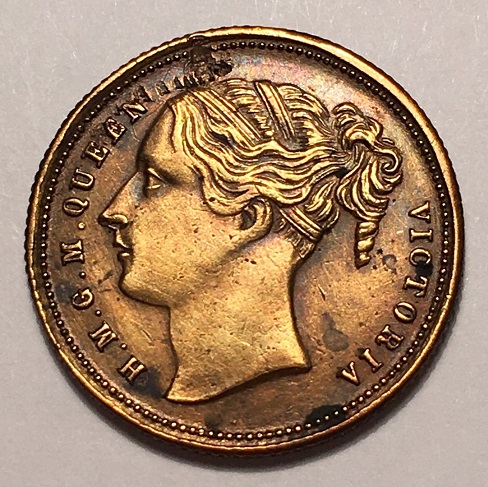
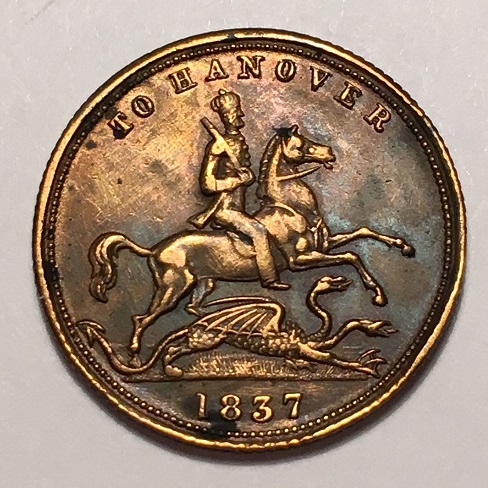
#1 is the half sovereign "model", a series of common privately made pattern coins introduced in the 1840s in England as part of a proposal to reform and further modernize the circulating coinage by introducing features like bimetallic compositions and various experimental alloys, similar to what would later occur in the mid 1850s in the US with the looming demise of the awkward
Half Cent and Large Cent.
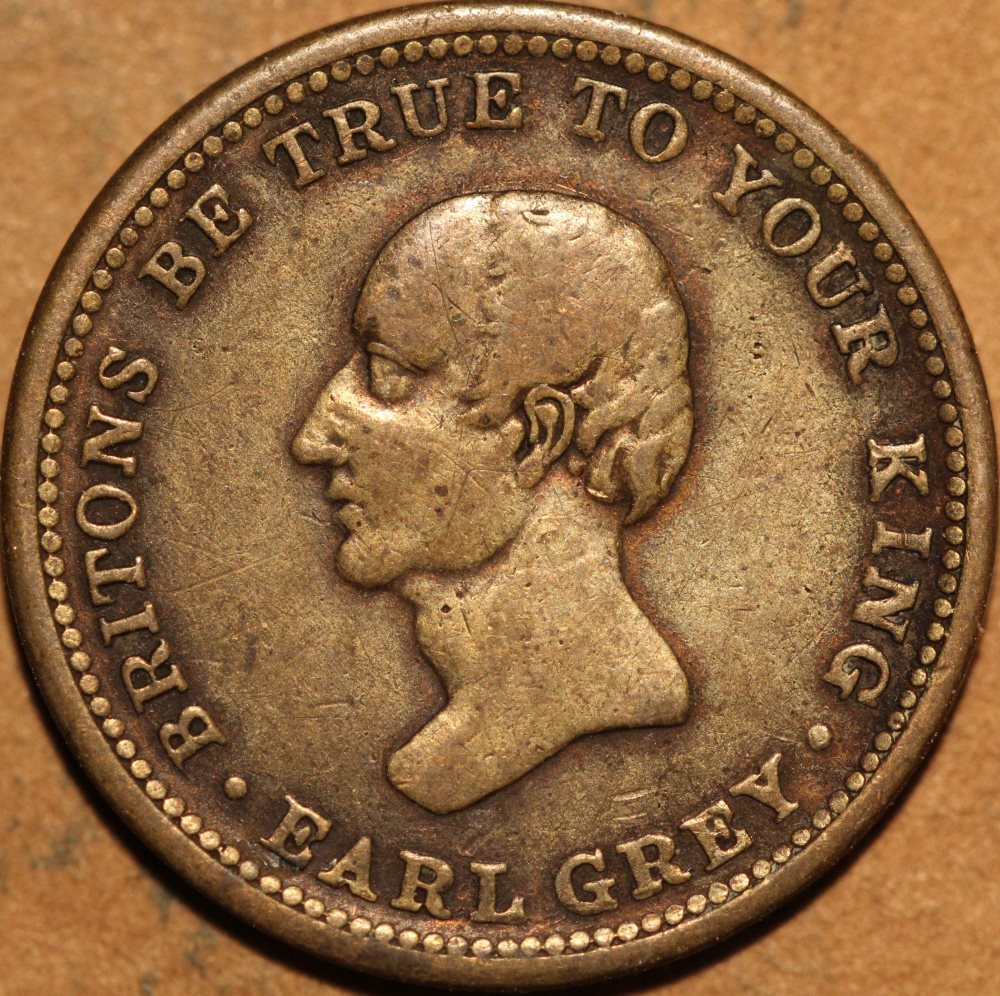
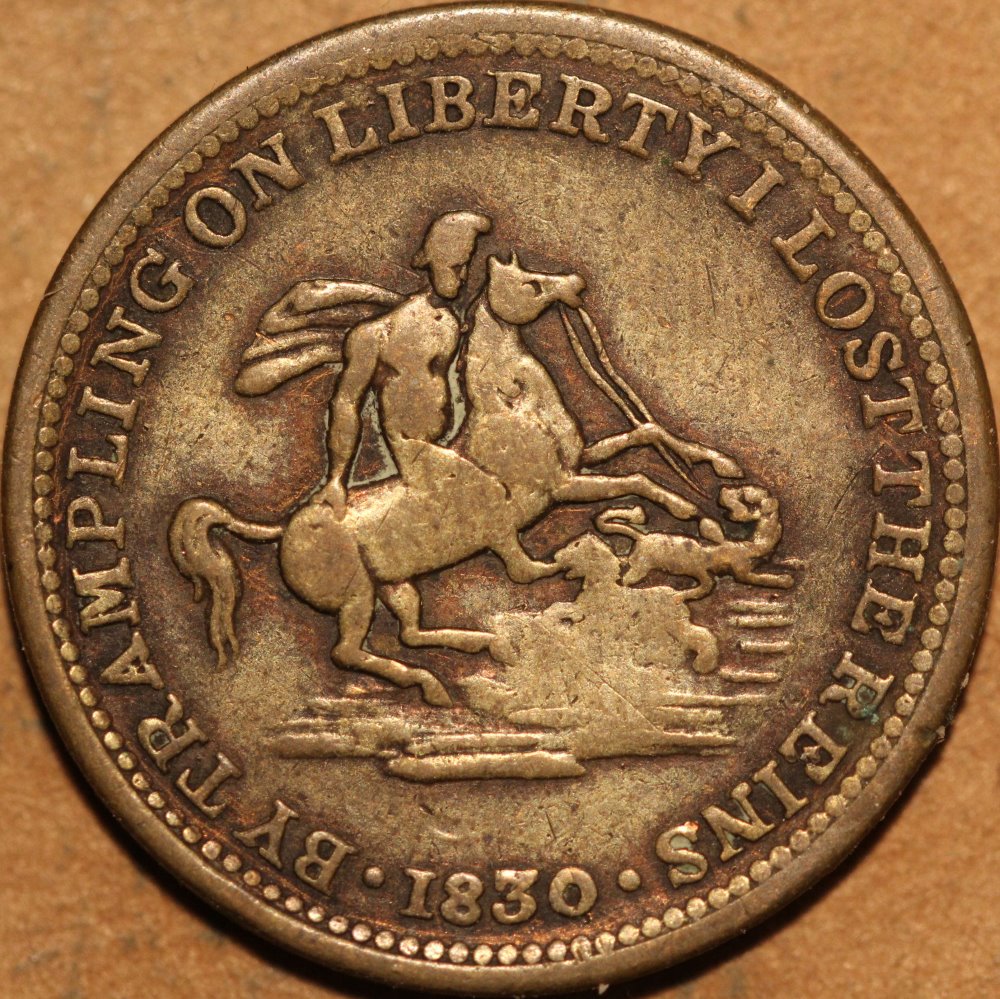
#2 is a political medal. The obverse is Charles, Earl Gray, PM from 1830-1834, and the reverse is an allegory representing the battle to establish a Reform government, parliament, and constitution that would finally result in the Reform Acts of 1832. King George IV was widely viewed as a "status quo" king who was convinced that Parliament was free of corruption and injustice, when in reality it was rife with bribery and crime, and the political and religious rights and freedoms of His Majesty's subjects were frequently trod upon or outright ignored.
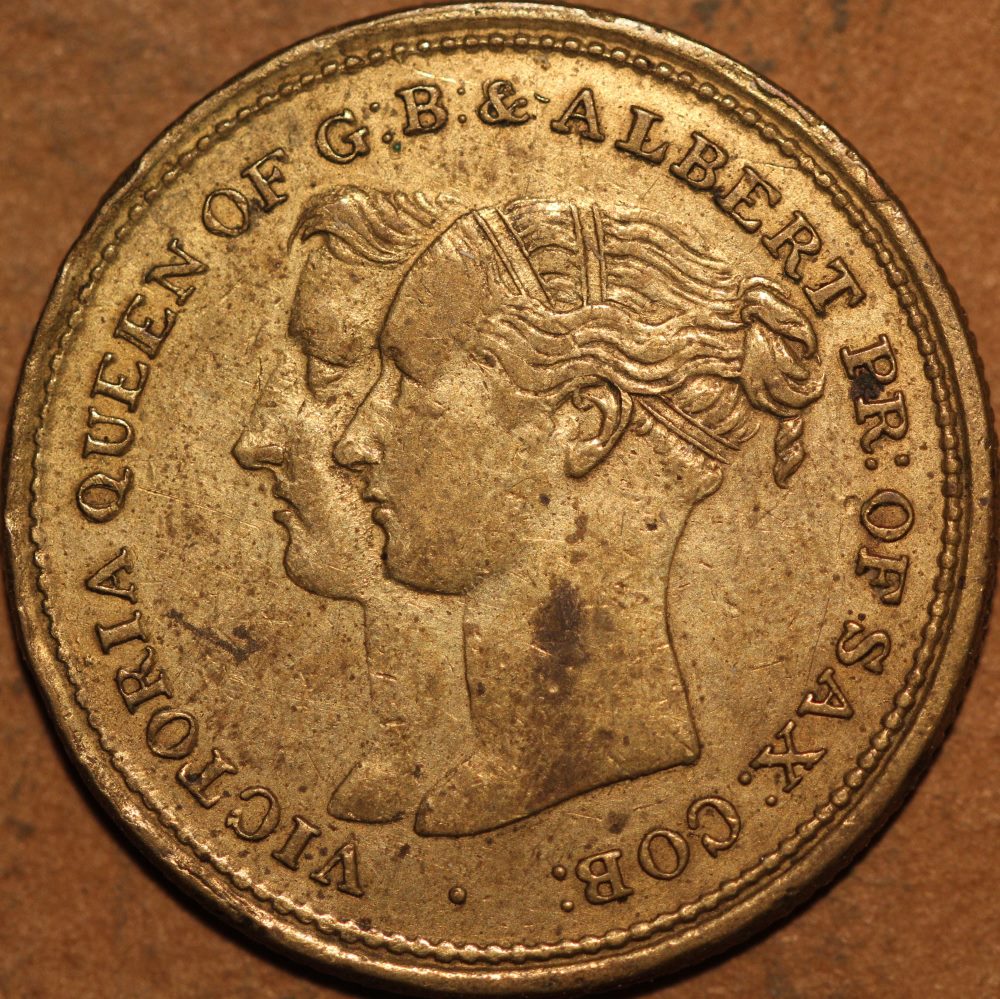
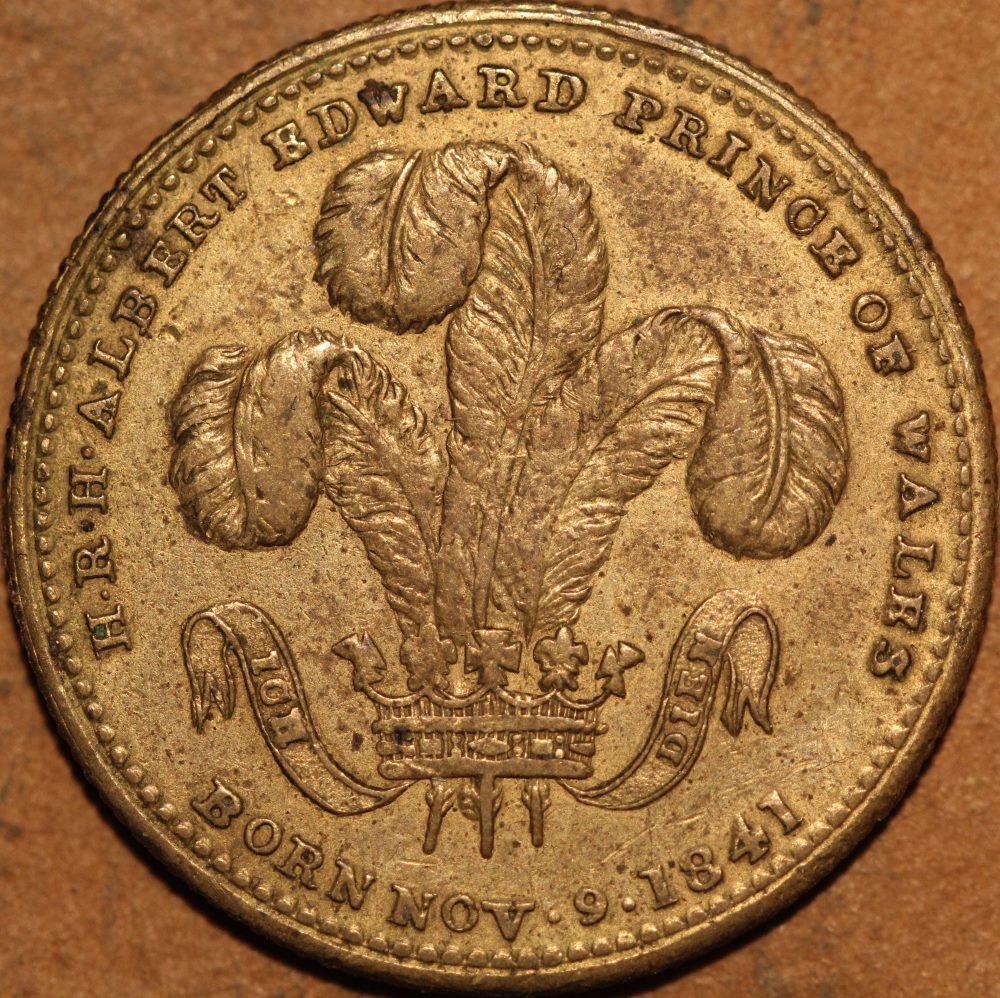
#3 is a medal commemorating the birth of Albert Edward, Prince of Wales, in 1841, to HRH Queen Victoria & HRM Prince Albert. He would become the future king Edward VII. The reverse is the Hanoverian Arms.
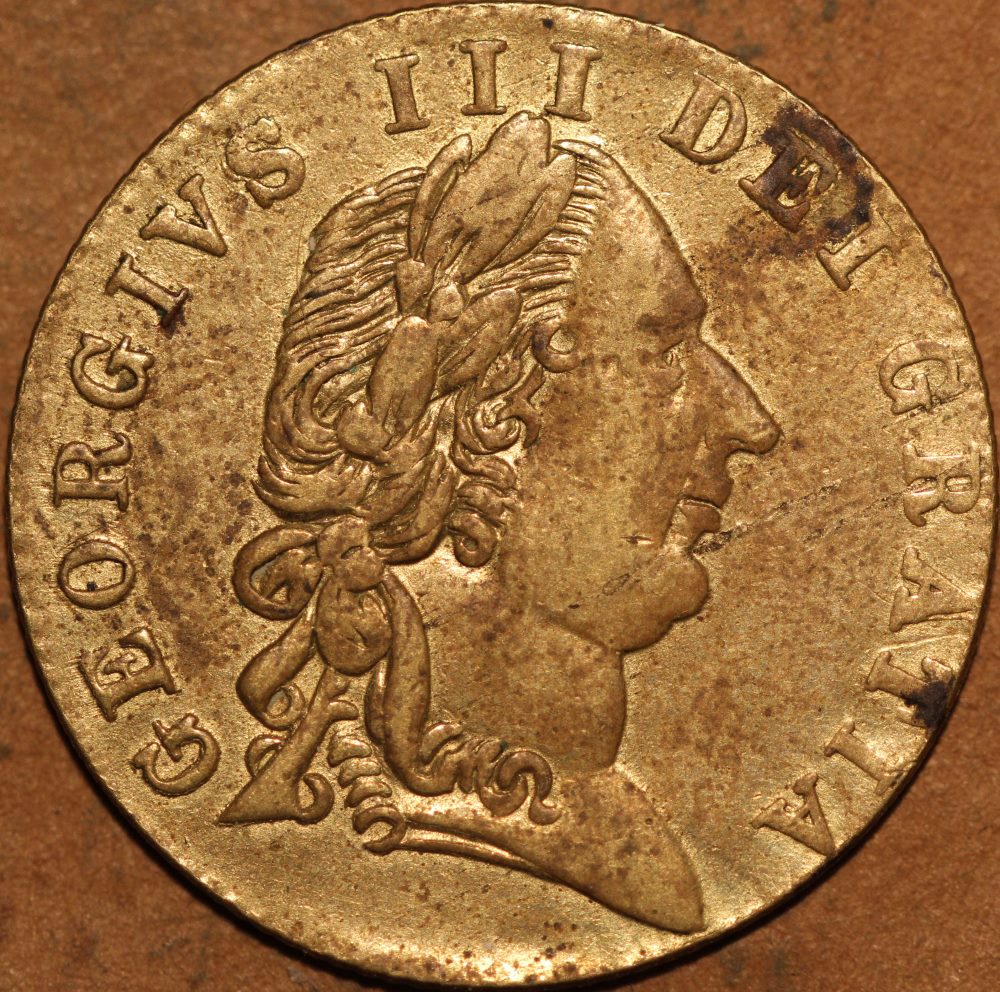
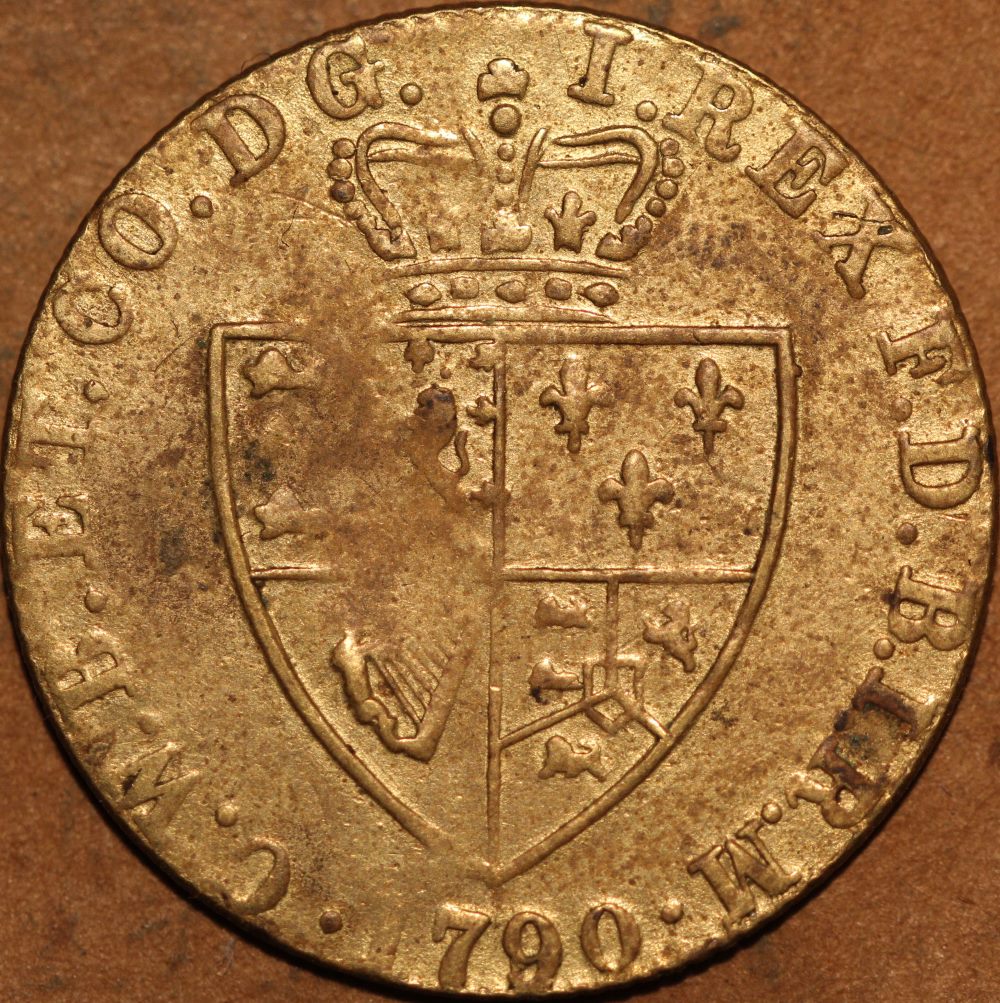
#4, and #5, are "spade guineas", imitation Guinea tokens used as whist counters and in other card games as markers. A great deal were produced, featuring political, commercial (adverts), religious, and even humorous and satirical themes, all with the common George spade guinea obverse.
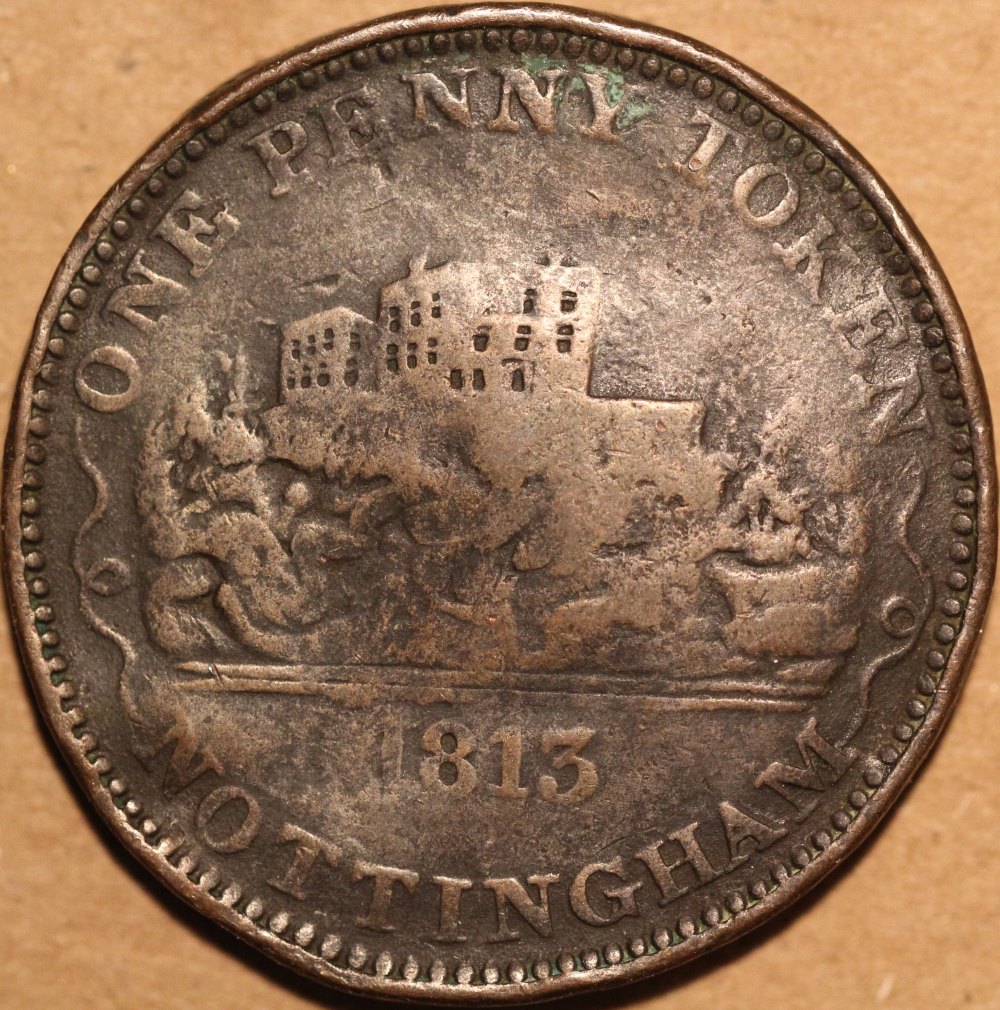
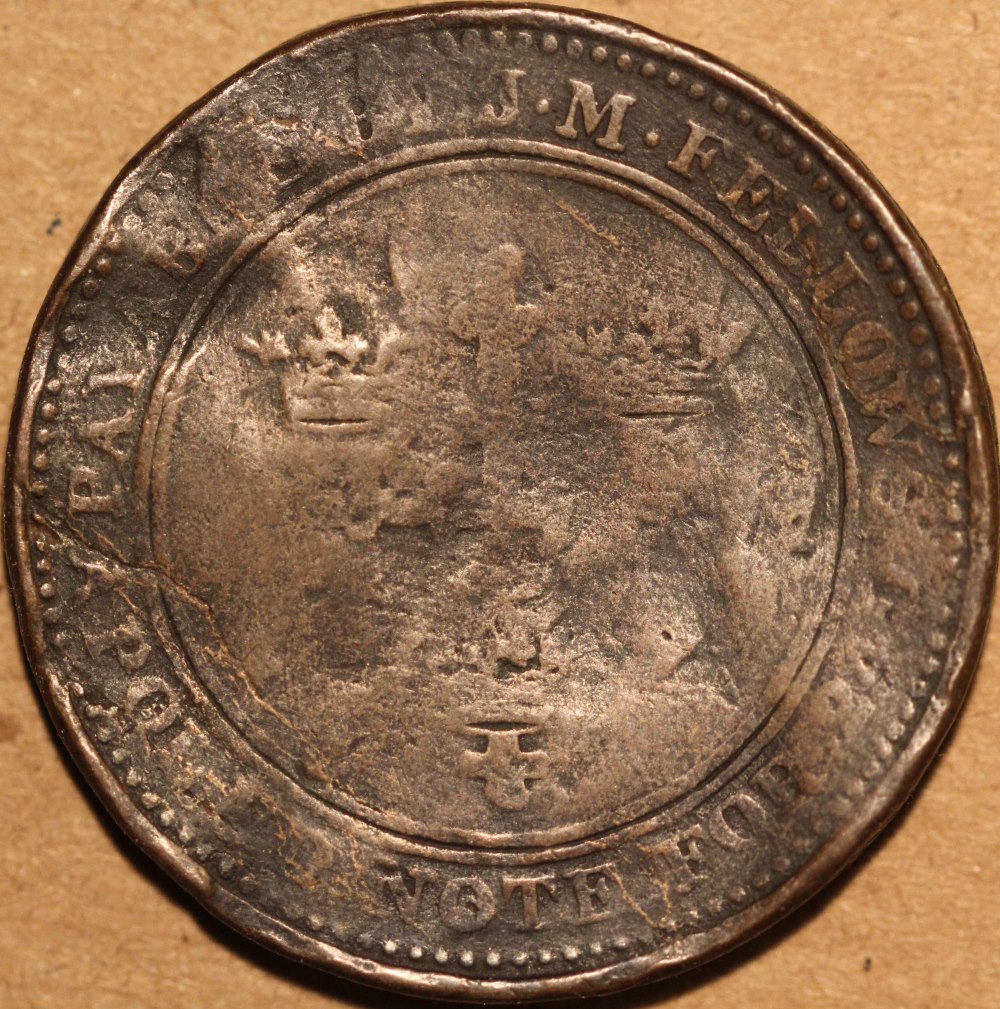
#6 is a British merchant penny token as Anaximander describes above. They were used as "store cards" and also fulfilled a great need for small change in circulation prior to the Coinage Reforms of 1816.
Member
ANA - EAC - TNA - SSDC - CCT #890
"Most of the things worth doing in the world had been declared impossible before they were done." -- Louis D. Brandeis




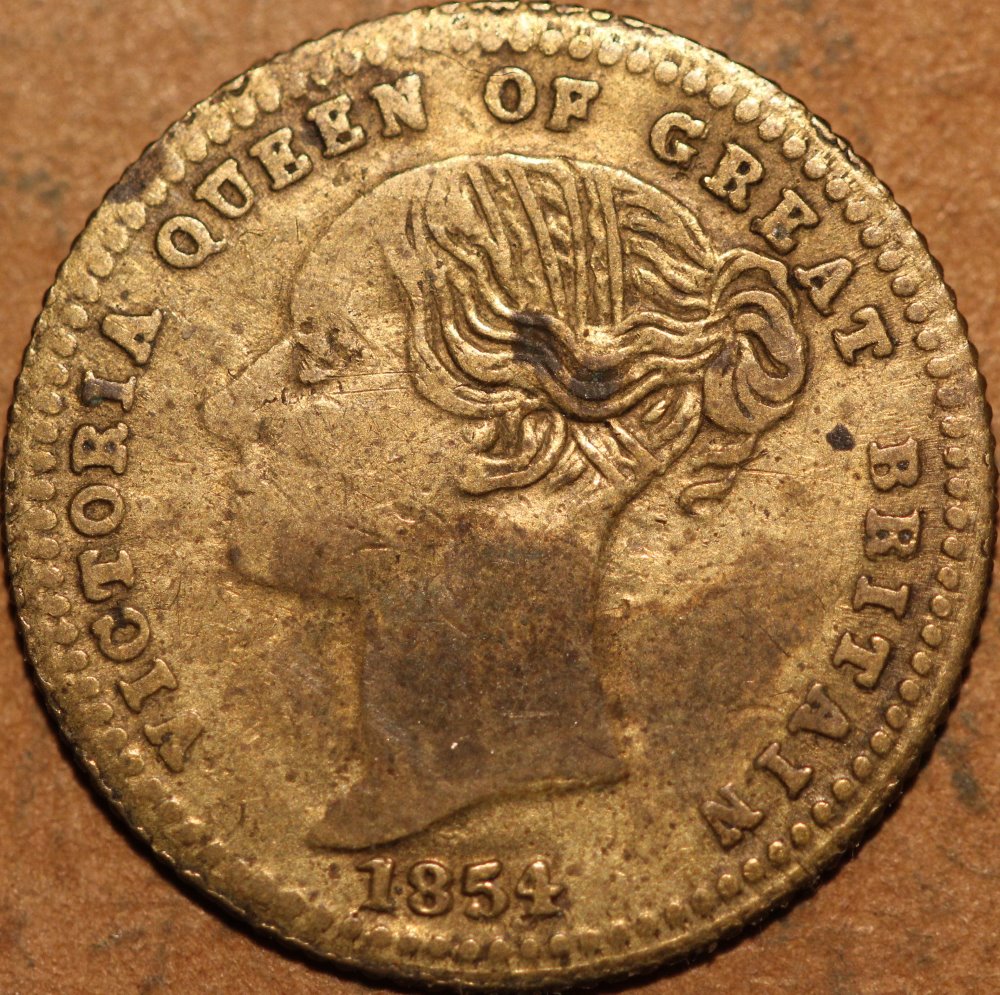
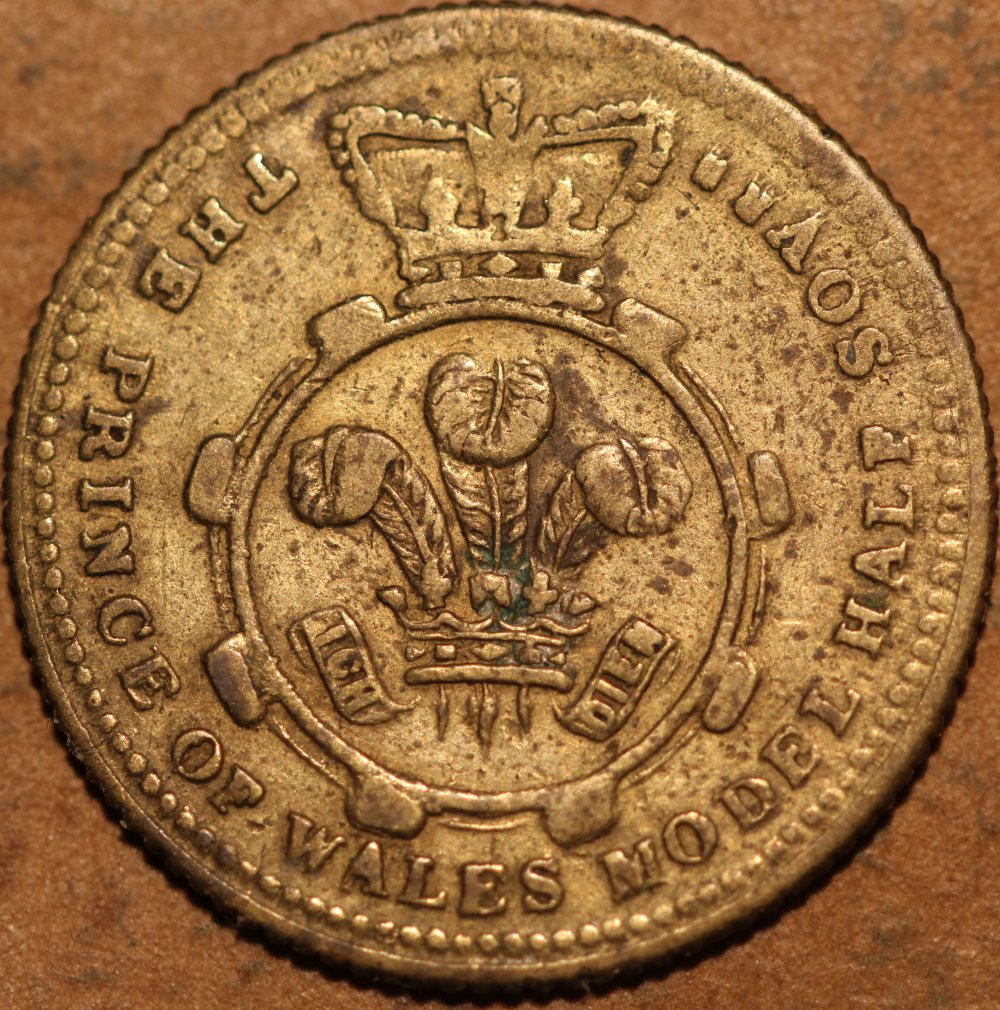


 Posted 11/13/2018 10:09 am