Doubled Dies. Are they all the same?
When we first start collecting variety coins, we assume that all doubled dies look exactly the same. That is not the case at all. They can be very strong or very minor. They vary in prices because of the quantity struck, the desired value of them to collectors. Some are common.
Why? Because the dies were used until retirement. Some dies were discovered as unsuitable and pulled from production, early in the dies life. Some doubled dies have just a few coins struck.
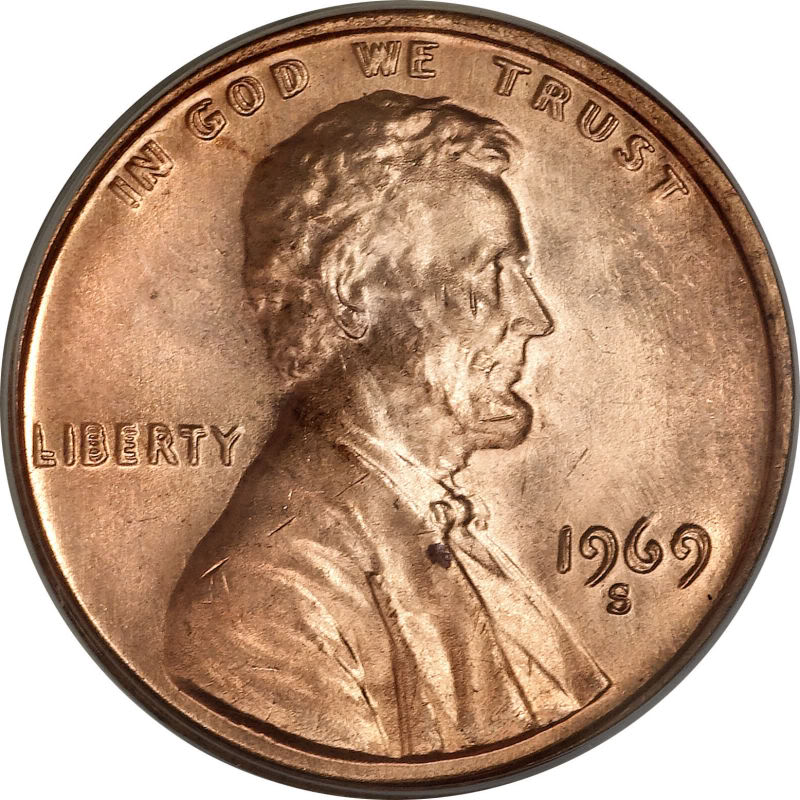
1969-D DDO-001 is probably less than 100 coins struck.
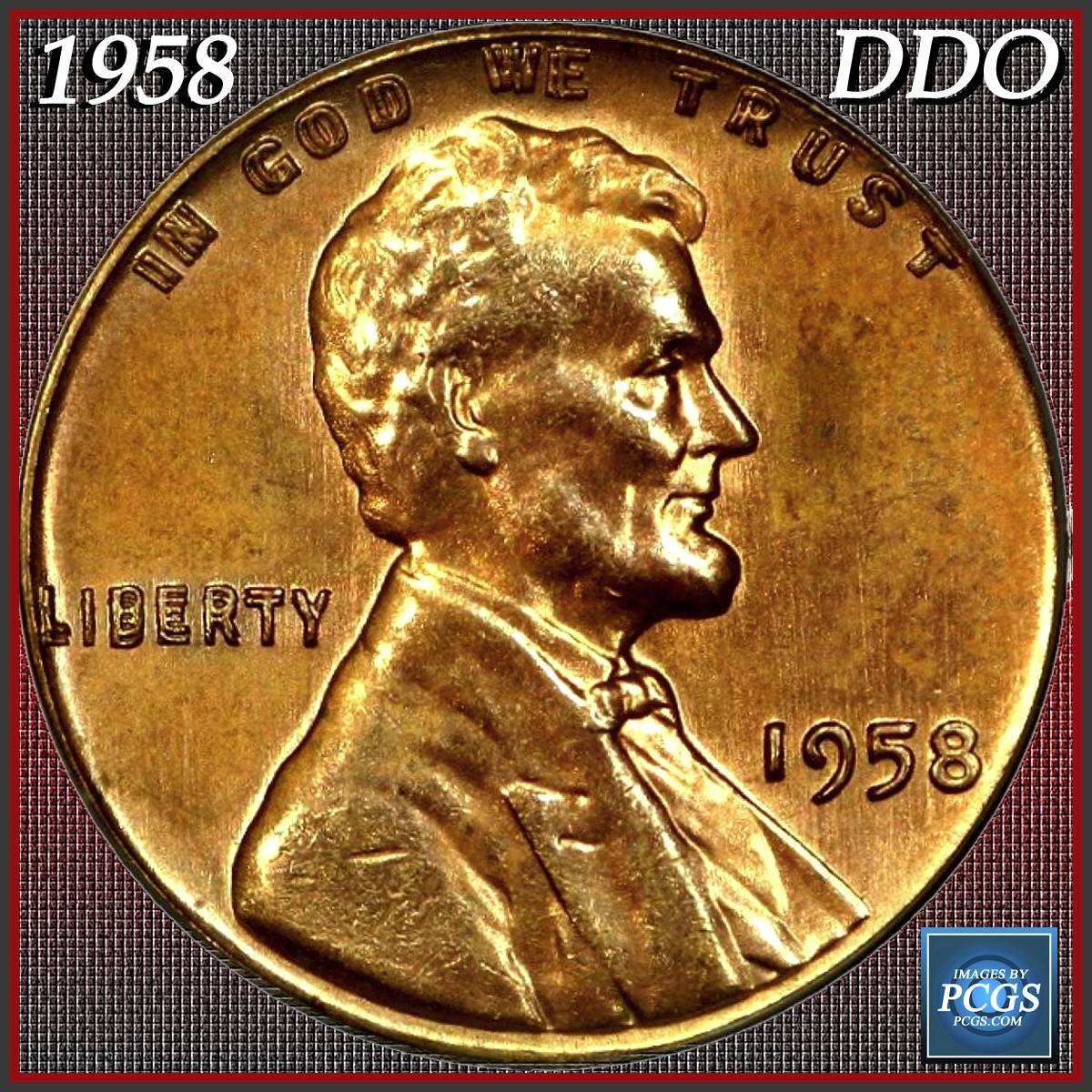
1958 DDO-001 only three are known.
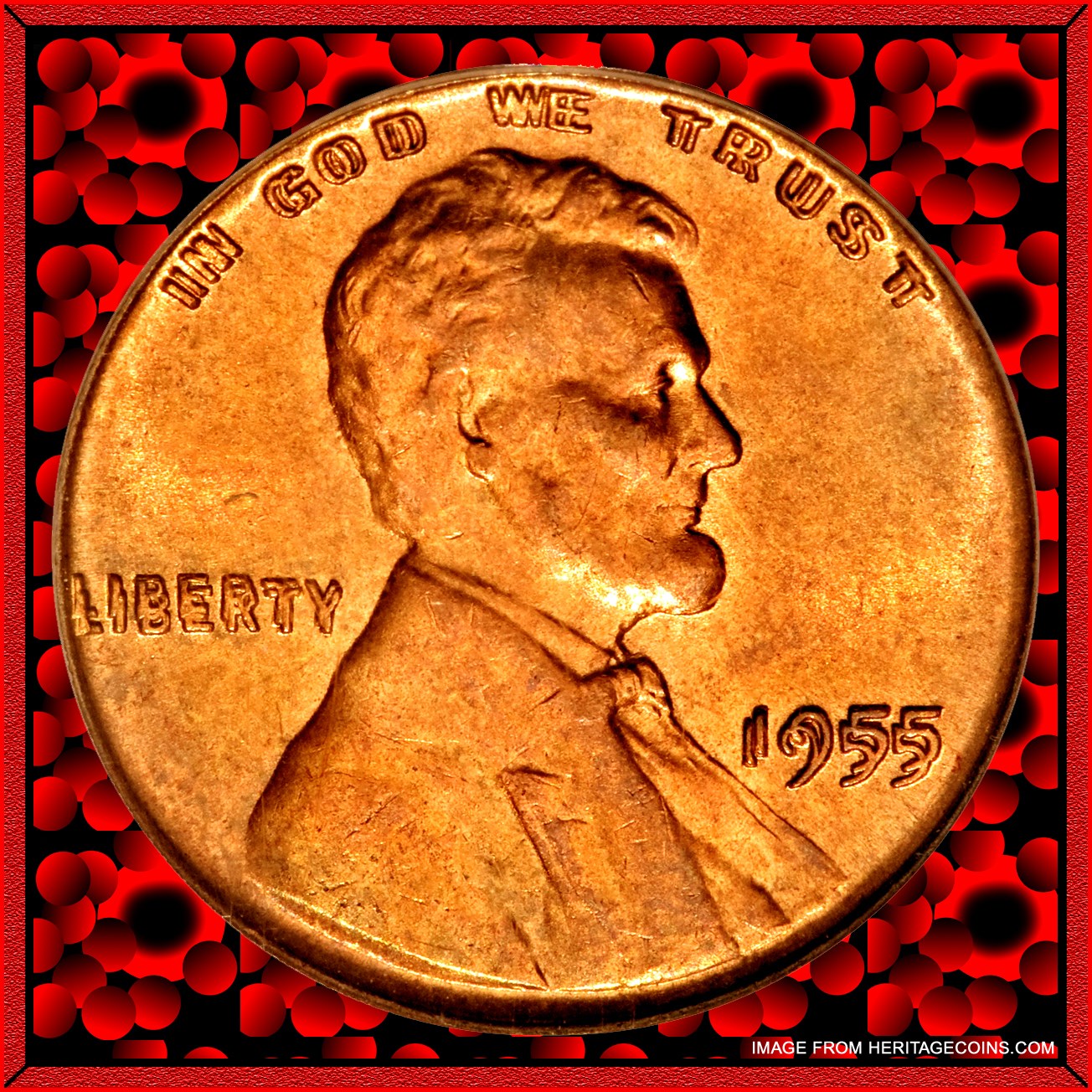
1955 DDO-001 is just known until Mid die states. Just a few thousand of these. But every time we find one of these years we look hard to see of it is from that doubled die. So some convince themselves that they do have that die, and won't admit they do not have that die number. Some look so hard on the edges of devices for something that is not there at all. (the doubled die they desire, but is not there) Most of the time it is
Machine Doubling. They just keep looking and magnifying the coins closer and closer until they find something. The truth is that doubled dies that are real collectables, are the easiest to spot. They leap out at you. It is the minor ones that people find hard to let go of.
Why is that? They want to hit it big. Different publications out there make people reach out to find these gems, and all they find are circulated coins. Then some come here and make a stink, because we don't agree with them. The sincere ones, I show what I see on a coin. If they accept that, they will continue to stick with us. Others try to make trouble, but I ignore them, and they eventually go away.
So back to the original question:
Are they all the same? The answer is no.
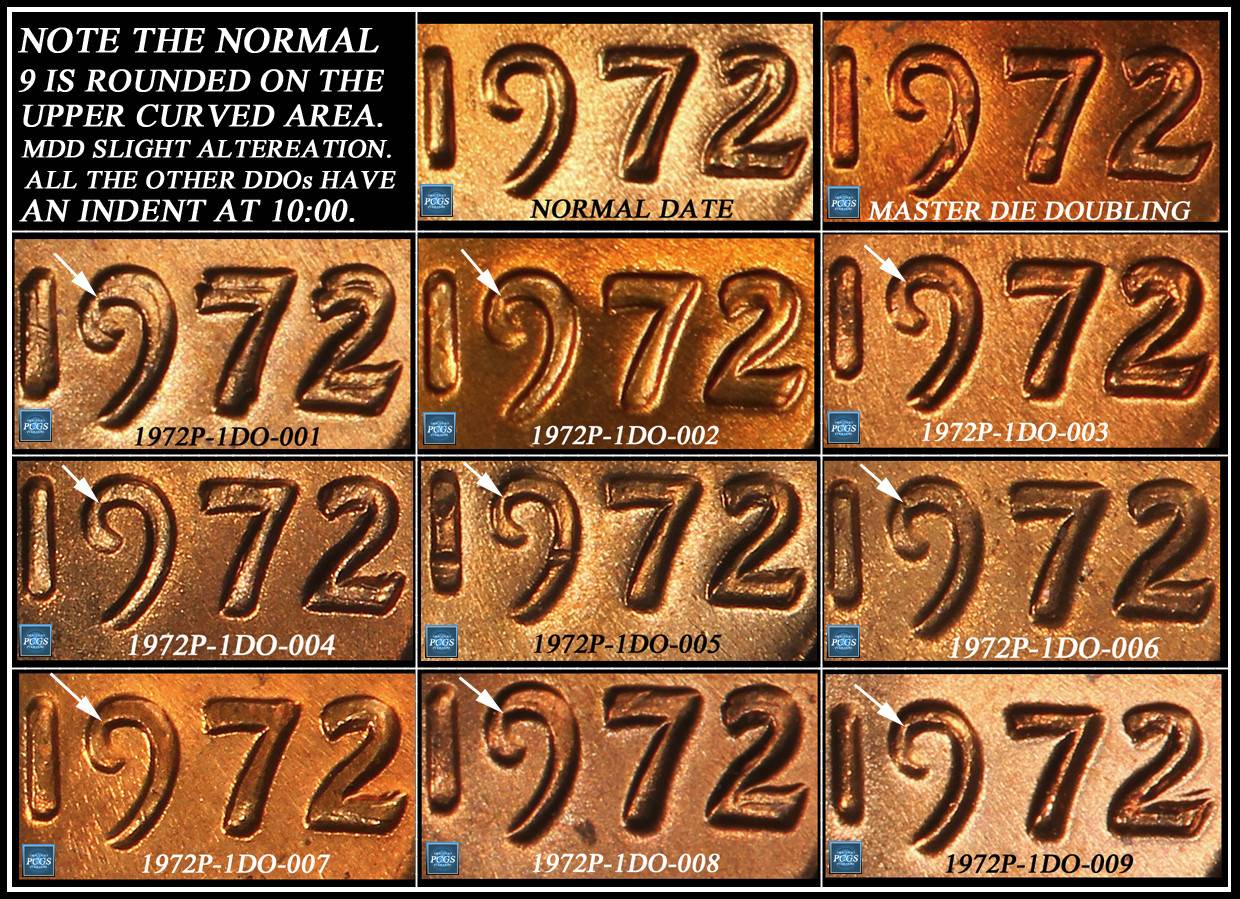
Look at the 1972 doubled dies 1-8.
Are they all the same? Ask yourself, if they were all the same, wouldn't they all be the same number? If they are different, then they should all be different numbers. The best way to tell the differences, is to look at side by sides images of these. I make a lot of these to show sometimes how even small differences, make them a different die. RPMs the same. The locations/angles/sizes/mint mark styles, all make them different. So it takes patience to ID these.
So will every doubled die have the same exactly doubling on the same die number? For the largest part
yes. In some cases they are different. On the class 2 doubled dies, the doubling is on the outside edges of the devices. The same area that is showing die wear, can quickly go away as the die turns into the LDS/VLDS die states. But on those doubled dies, look for hub doubling that is still seen on devices closer into the centers of the coin. The doubling will still appear on these devices.
But learn by searching the sites. Look at what to look for, on doubled dies. The ways the dies are created, can affect
where to look for on doubled dies.
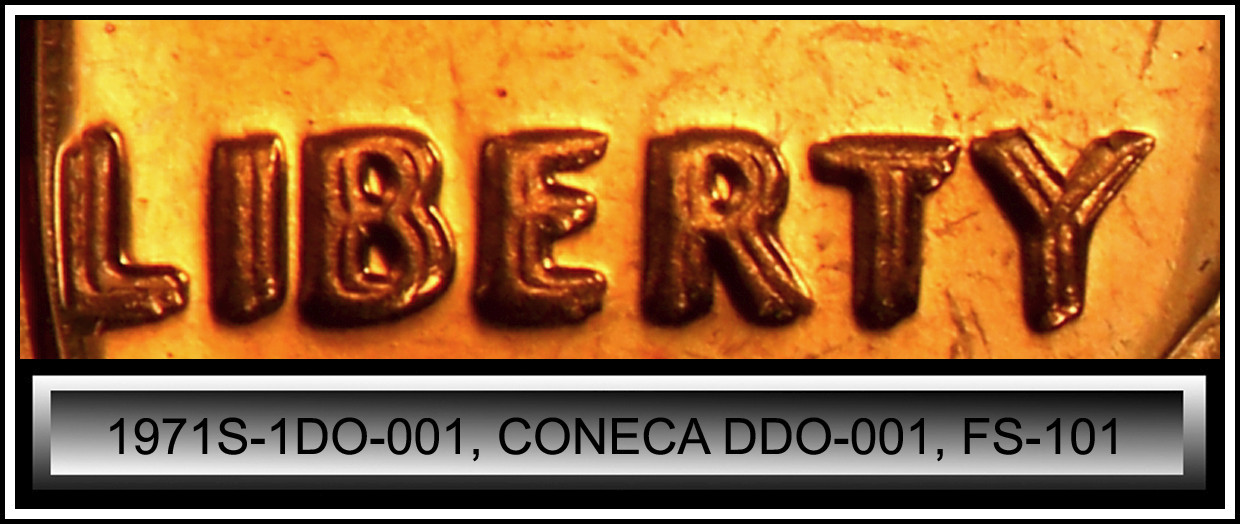
The multi-hubbed doubled dies will have doubling stronger on the outside edges of devices.
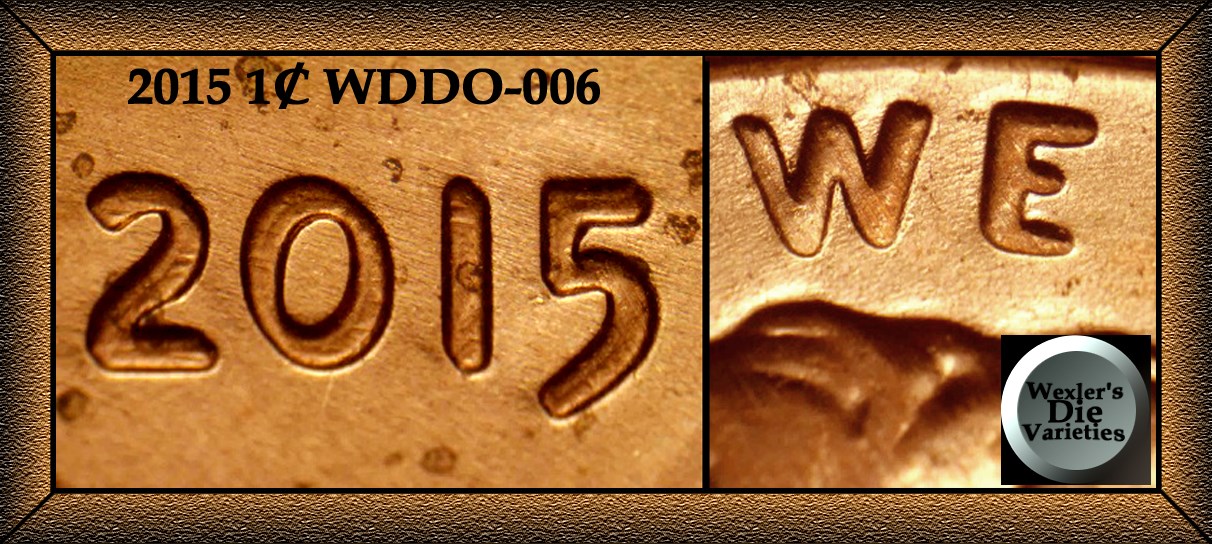
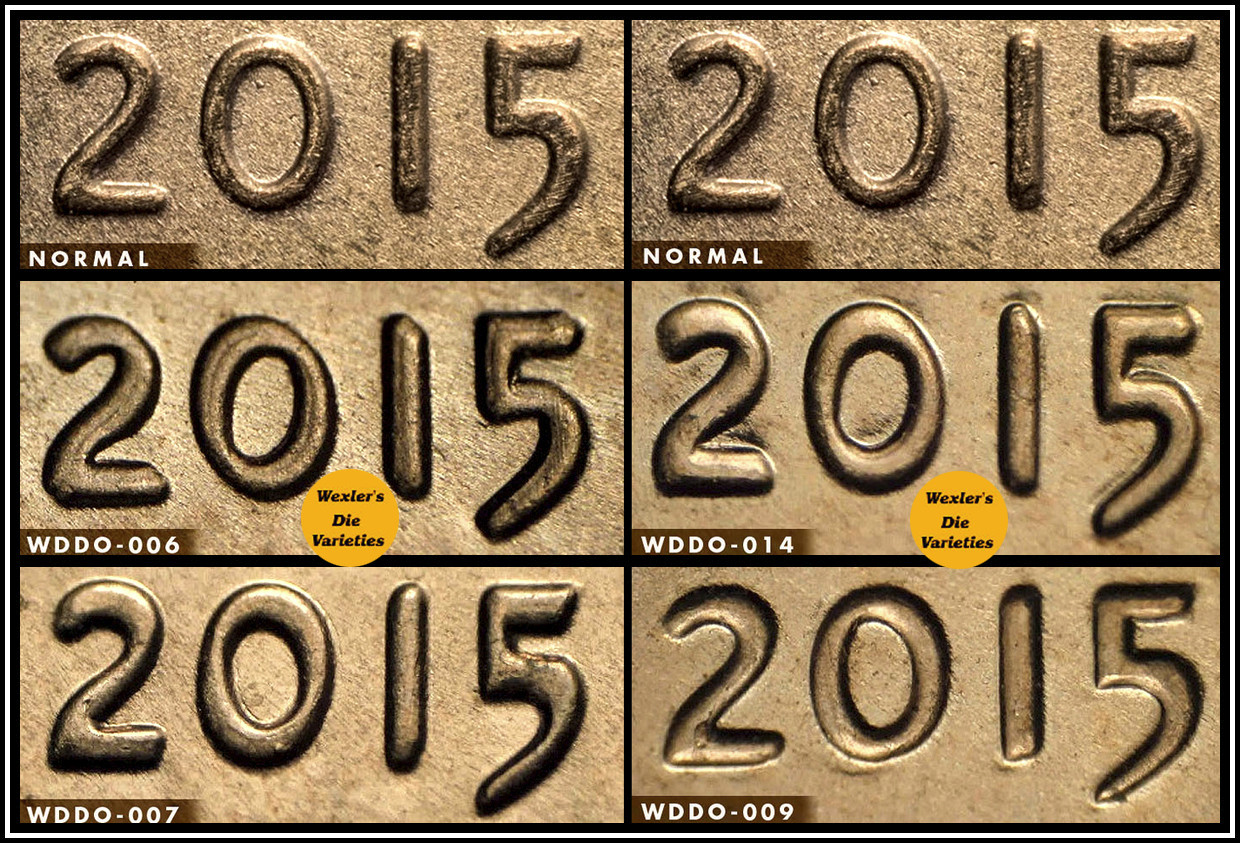
On the single squeeze dies they are more confined in the central areas of the coins.
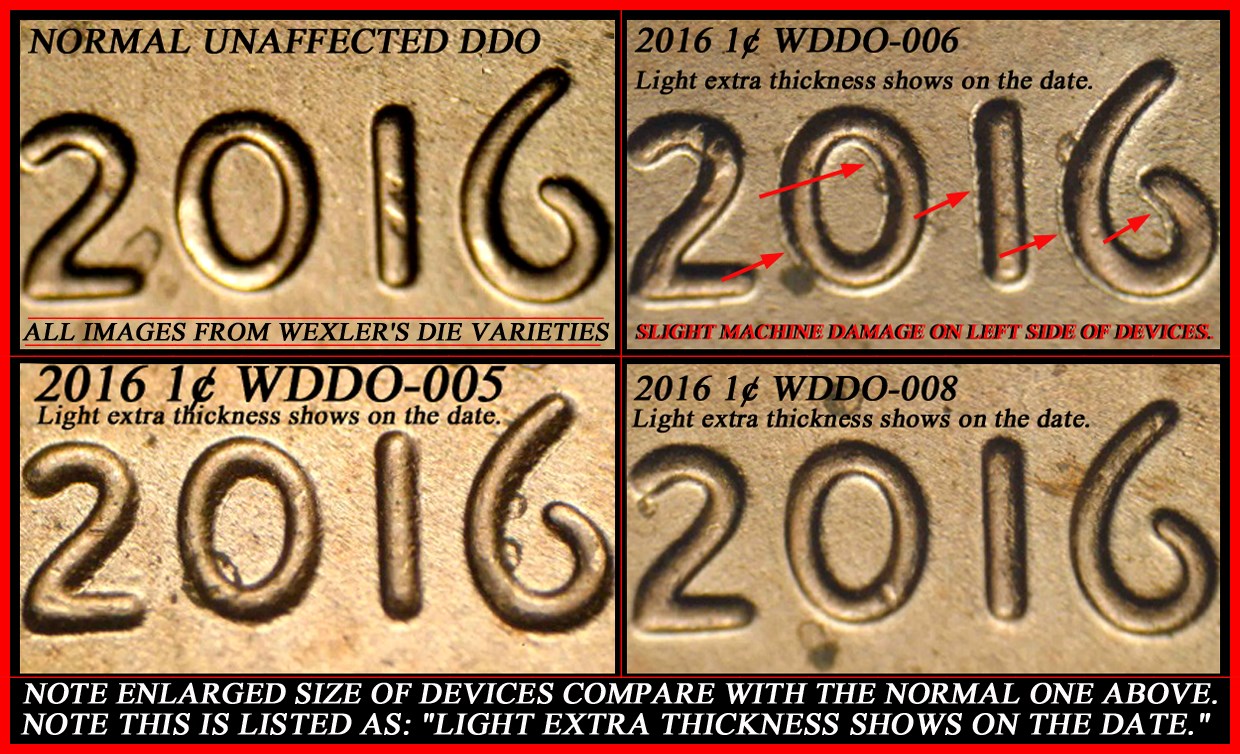
On some single squeeze dies, the devices look like over inflated bicycle tubes. Knowing which types of doubled dies to know where to look takes study. Look at the references online.
Why keep looking for a doubled die on an area that doubled dies usually are not located? For example the States quarters and the
ATB Quarters;
why look for doubled dies on the outside areas of the devices? These have the doubling in the centers of the coins.
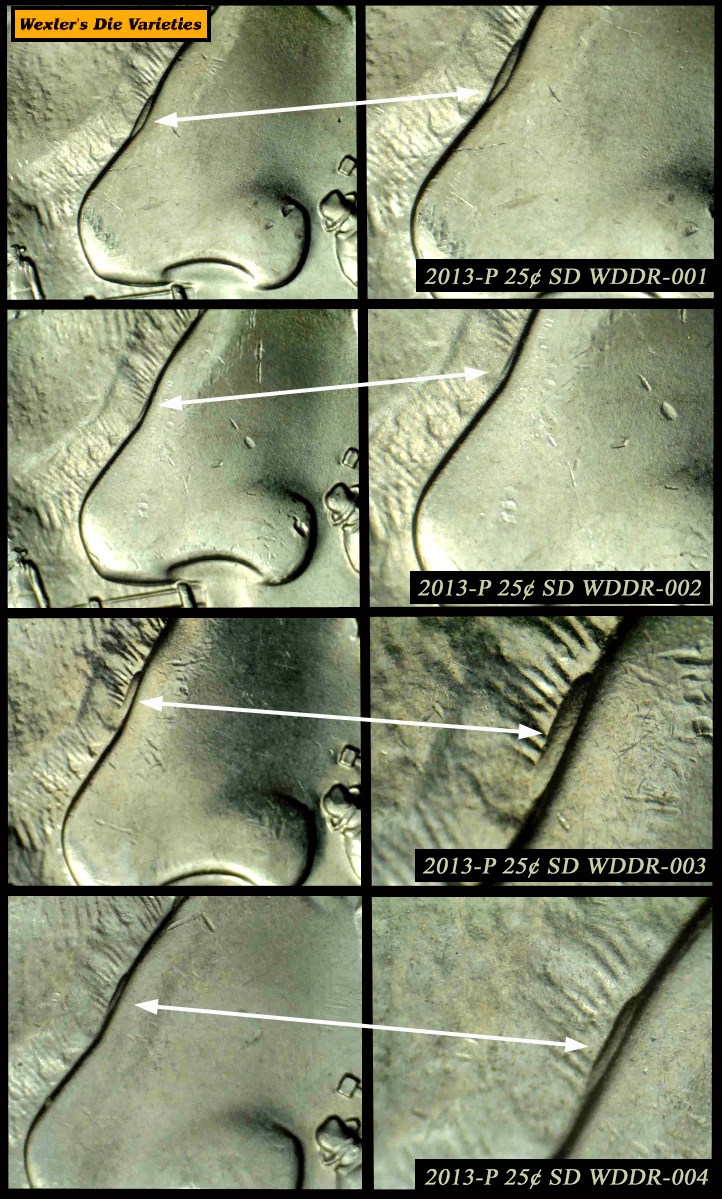 How can you determine a multi-hubbed die coin and a single squeeze die?
 The lines cross over a bit for time periods. But try this;
Look at the website locations and see when most of all the doubled dies are in the centers of the coins, and when they are on the outside edges of the coins. That is the clue. Look things up to see what can be found on certain designs. [/red]Why look for something and later discover, it is all die wear or
Machine Doubling?[/red] Save your time. If it is not spotted in a few seconds, move on to the next coin. Why keep looking to see if you can find something after you've given it the first look? Chances are your not going to find something that a real collector who buys variety coins, would pass on. If you save everything you find that is not a true collectable, you will always have face value coins. But what was worth $10 10-20 years ago, is not worth a lot less than when you saved them. But you are the collector. You decide what coins will be your taste.





 Posted 12/15/2018 3:55 pm




 Happy hunting Mr Coop!


