









 Posted 01/29/2019 12:29 am


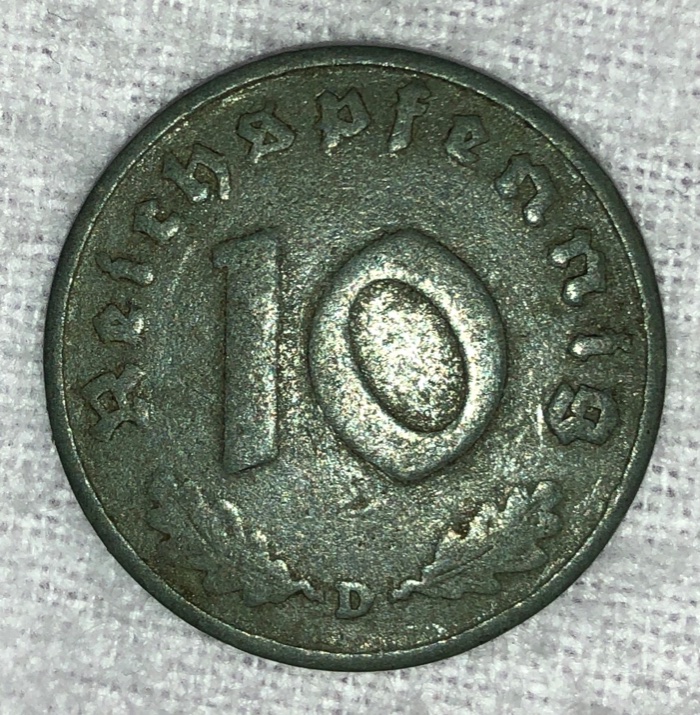
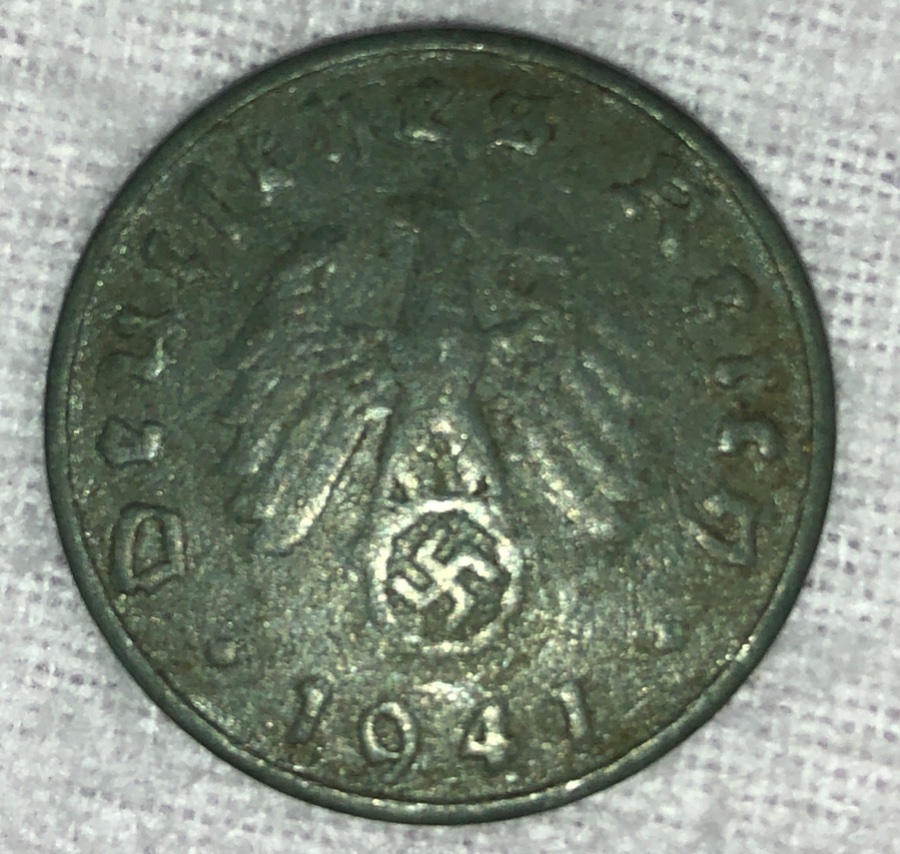
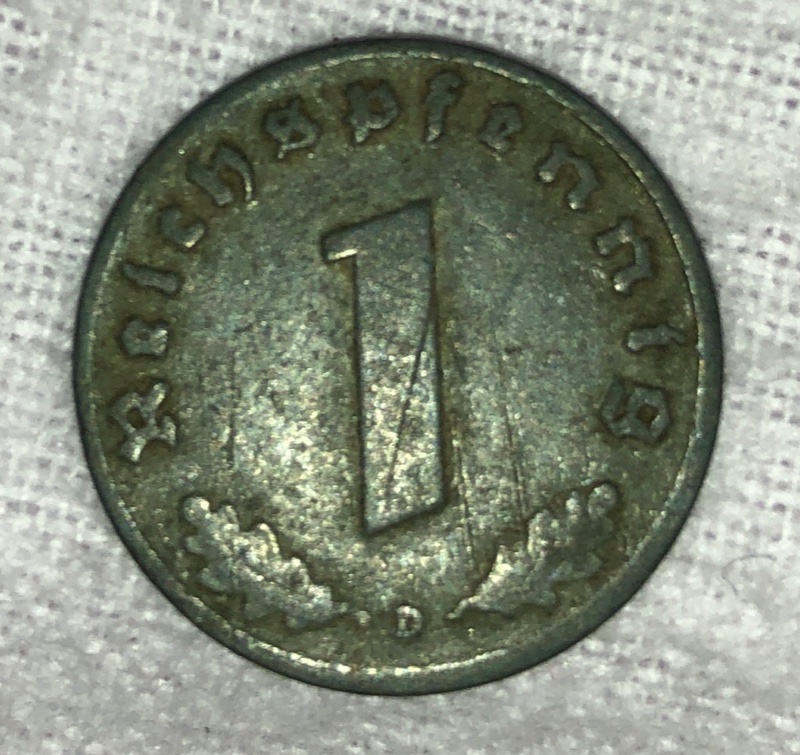
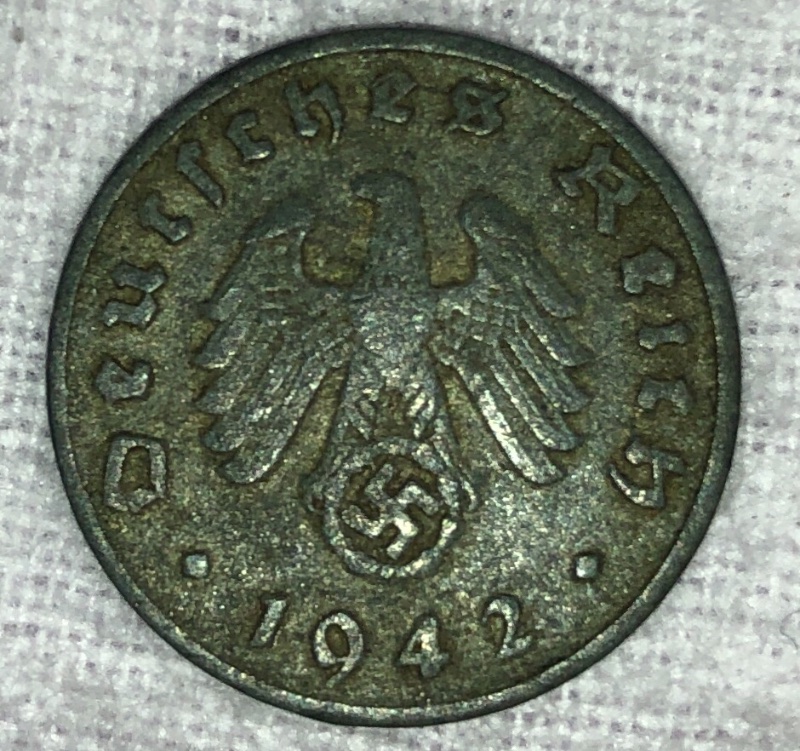
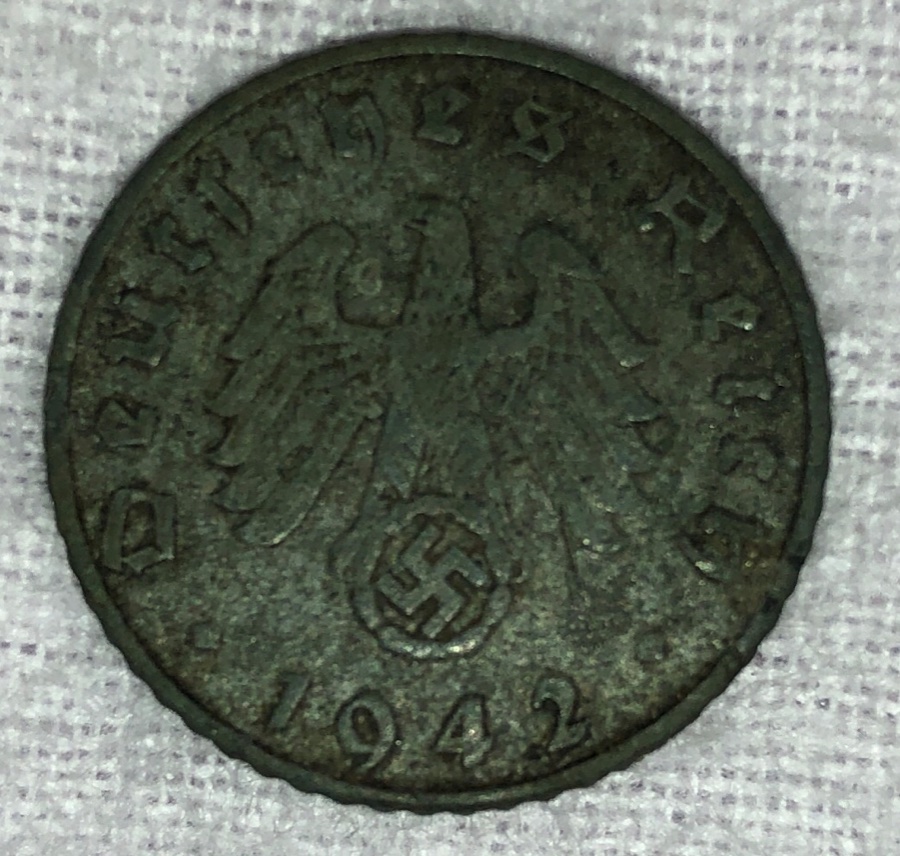
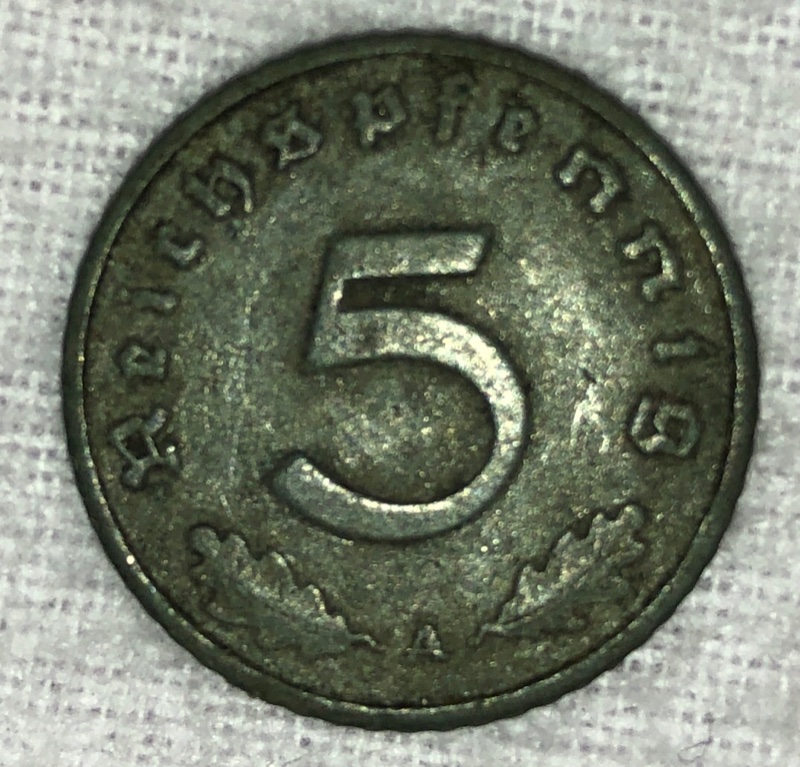
There are no laws in the United States prohibiting private ownership of Nazi coins. There are laws in some other countries (eg. France) prohibiting ownership of such items, and ebay France has auto-blocks prohibiting French buyers from seeing Nazi coins and memorabilia for sale (something the French government forced ebay to enact).
While there are no legal issues, some people have moral issues with owning such pieces. Certainly I can understand and respect if Jews, Gypsies, Poles, Communists and anyone else the Nazis declared to be subhuman say that they would not want one of these coins in their house.
For me, they are just another part of the German coinage series, and just another coin issued by an evil despotic regime - not unlike the coins issued by Imperial Japan, the Khmer Rouge, Stalinist Russia, North Korea, Napoleonic France, the Mongolian Khanate and ancient Rome - all of which I own examples of.
And for me, the reasons why someone owns Nazi coins is more important than the mere fact of ownership. If you own them because you think the Nazis weren't all that bad and/or you yearn for a return to the "good old days" of Nazi rule, then no, you're owning them for "the wrong reasons". If, on the other hand, you are owning them as a piece of history, a reminder of an evil regime that is now long-dead and good riddance to it, then by all means, own some. "Those to do not remember history are condemned to repeat it", and so forth.
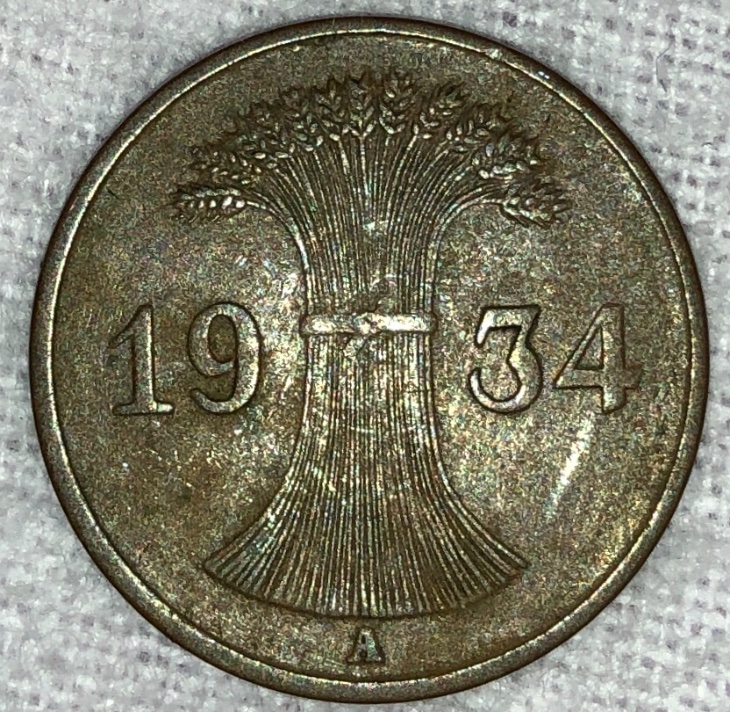
For the historically-minded, German coins from 1933 offer an excellent visual portrayal of the gradual, insidious encroachment of Nazi propaganda into German society, until it was eventually all-pervasive. No coins of 1933 show Nazi symbolism. A few more appear by 1935, then more and more coins are redesigned so that by the Olympics year 1936, most coins in people's pockets showed the Nazi eagle-and-swastika. We also see the old Weimar Republic motto that was printed on the edge of the larger denomination coins, gradually replaced by the Nazi motto.
While there are no legal issues, some people have moral issues with owning such pieces. Certainly I can understand and respect if Jews, Gypsies, Poles, Communists and anyone else the Nazis declared to be subhuman say that they would not want one of these coins in their house.
For me, they are just another part of the German coinage series, and just another coin issued by an evil despotic regime - not unlike the coins issued by Imperial Japan, the Khmer Rouge, Stalinist Russia, North Korea, Napoleonic France, the Mongolian Khanate and ancient Rome - all of which I own examples of.
And for me, the reasons why someone owns Nazi coins is more important than the mere fact of ownership. If you own them because you think the Nazis weren't all that bad and/or you yearn for a return to the "good old days" of Nazi rule, then no, you're owning them for "the wrong reasons". If, on the other hand, you are owning them as a piece of history, a reminder of an evil regime that is now long-dead and good riddance to it, then by all means, own some. "Those to do not remember history are condemned to repeat it", and so forth.
For the historically-minded, German coins from 1933 offer an excellent visual portrayal of the gradual, insidious encroachment of Nazi propaganda into German society, until it was eventually all-pervasive. No coins of 1933 show Nazi symbolism. A few more appear by 1935, then more and more coins are redesigned so that by the Olympics year 1936, most coins in people's pockets showed the Nazi eagle-and-swastika. We also see the old Weimar Republic motto that was printed on the edge of the larger denomination coins, gradually replaced by the Nazi motto.
Don't say "infinitely" when you mean "very"; otherwise, you'll have no word left when you want to talk about something really infinite. - C. S. Lewis


