| Author |
 Replies: 14 / Views: 2,871 Replies: 14 / Views: 2,871 |
|
|
New Member
United States
34 Posts |
Edited by Storagequeen
02/21/2019 10:36 pm
|
|
|
|
Pillar of the Community
United States
5887 Posts |
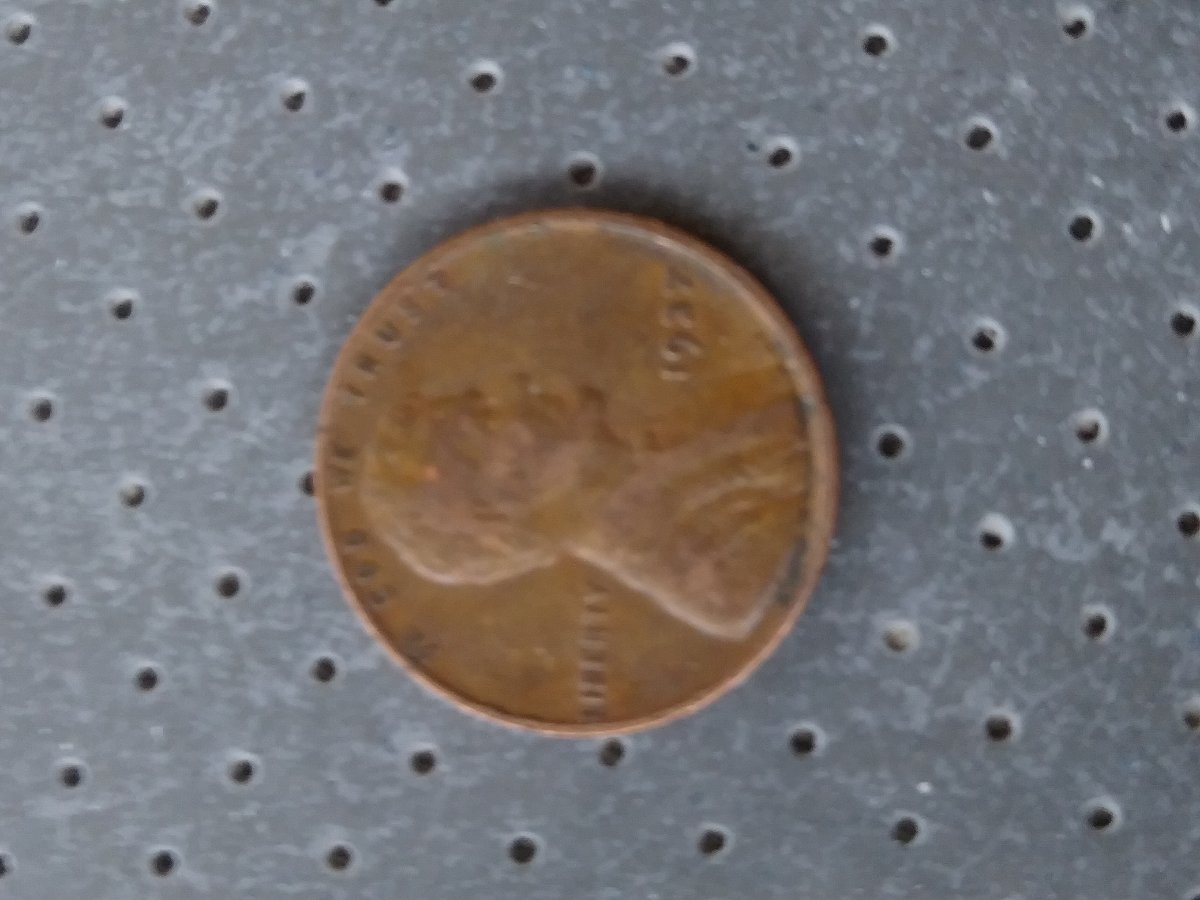
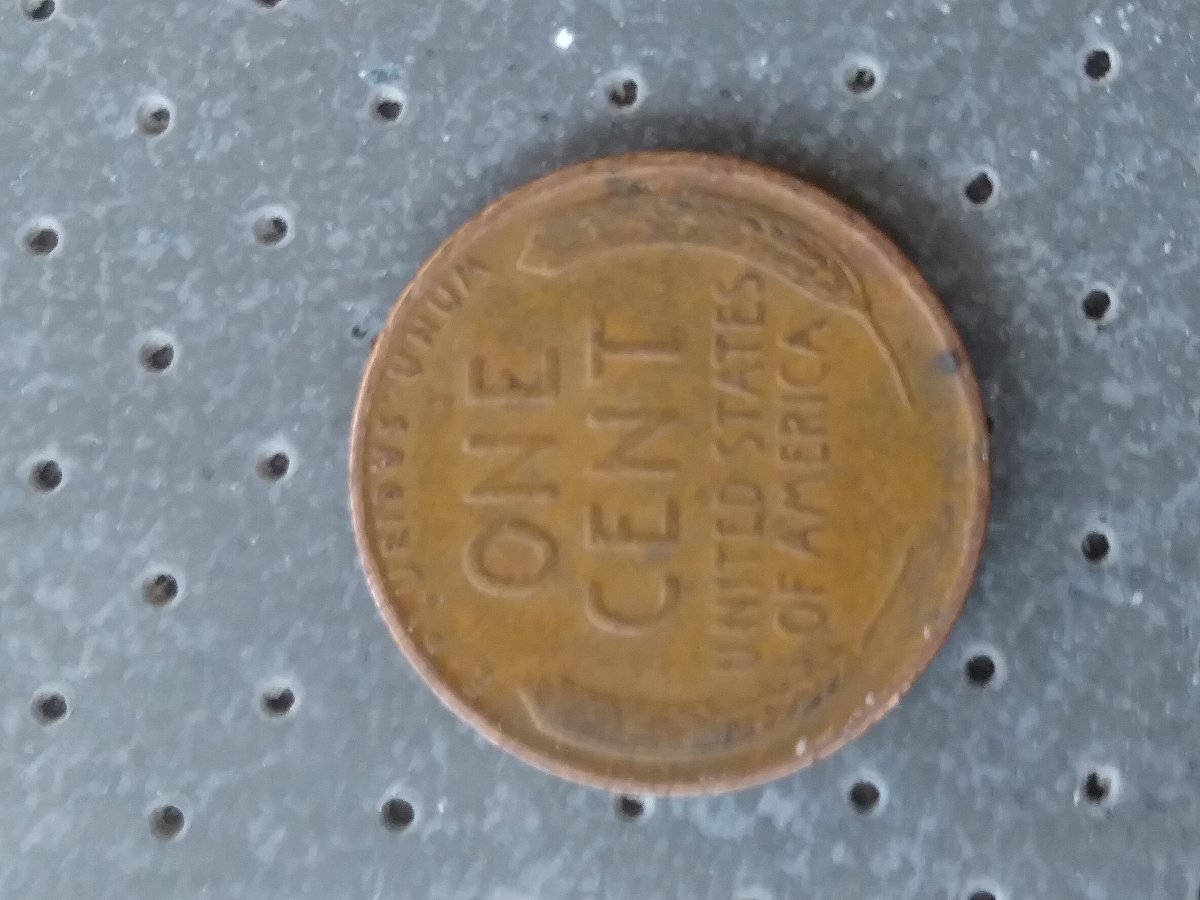
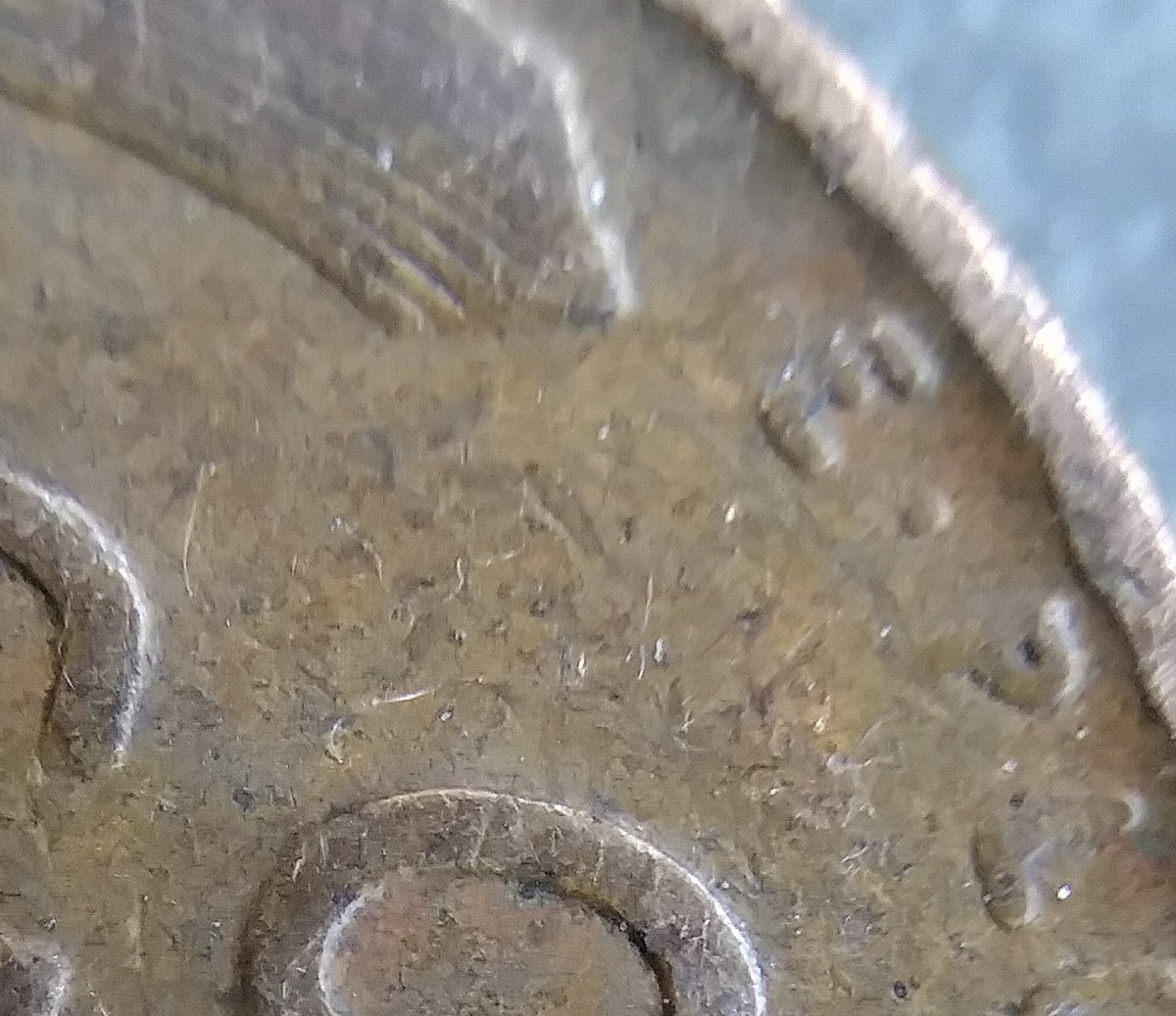
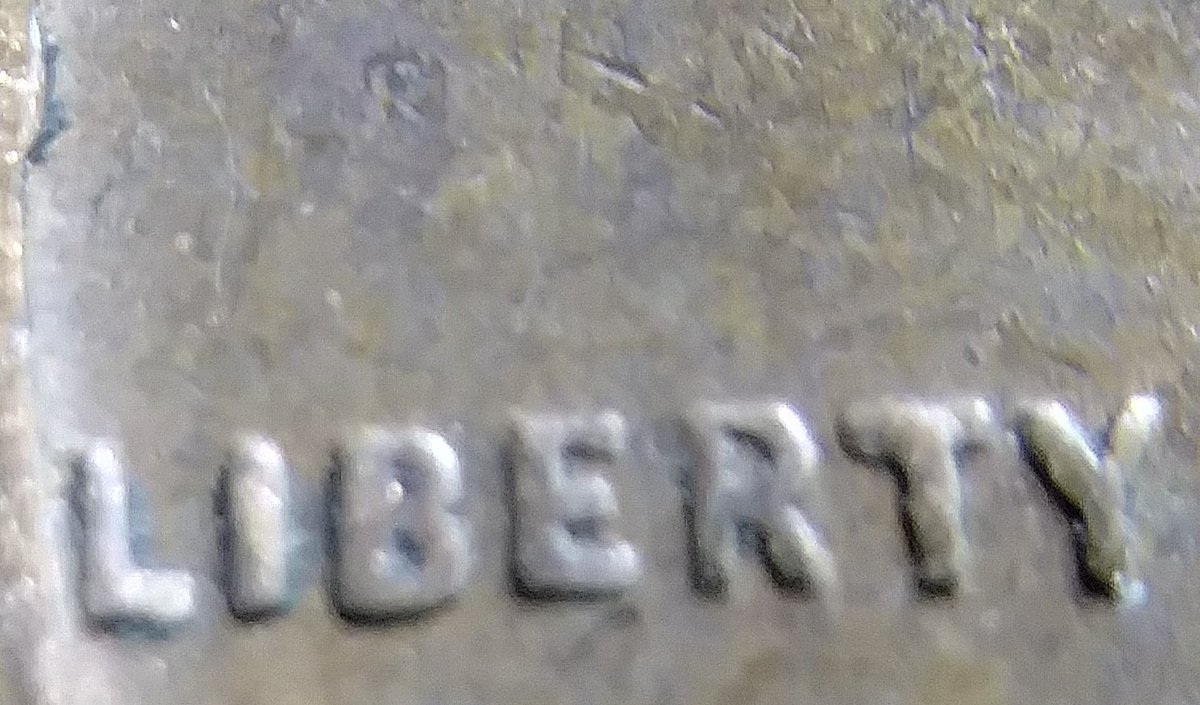
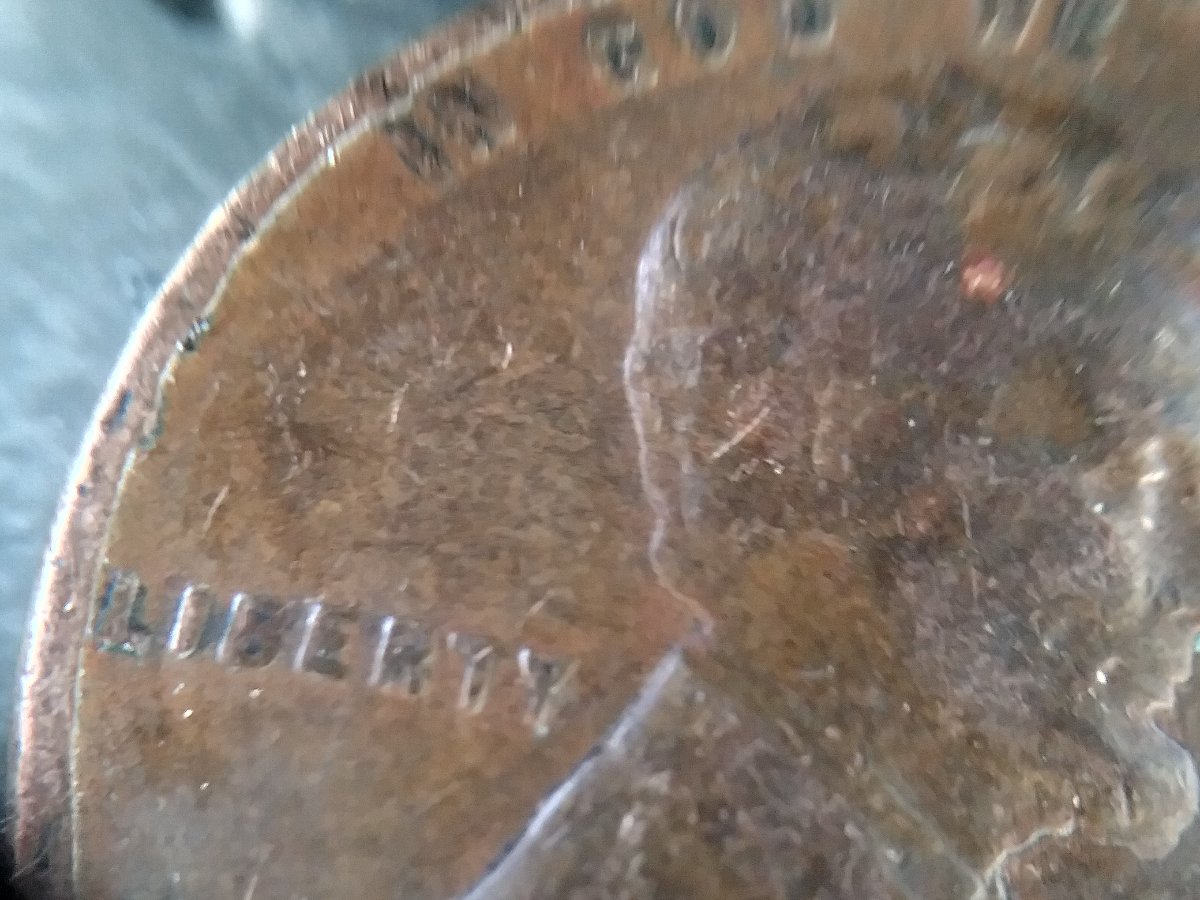
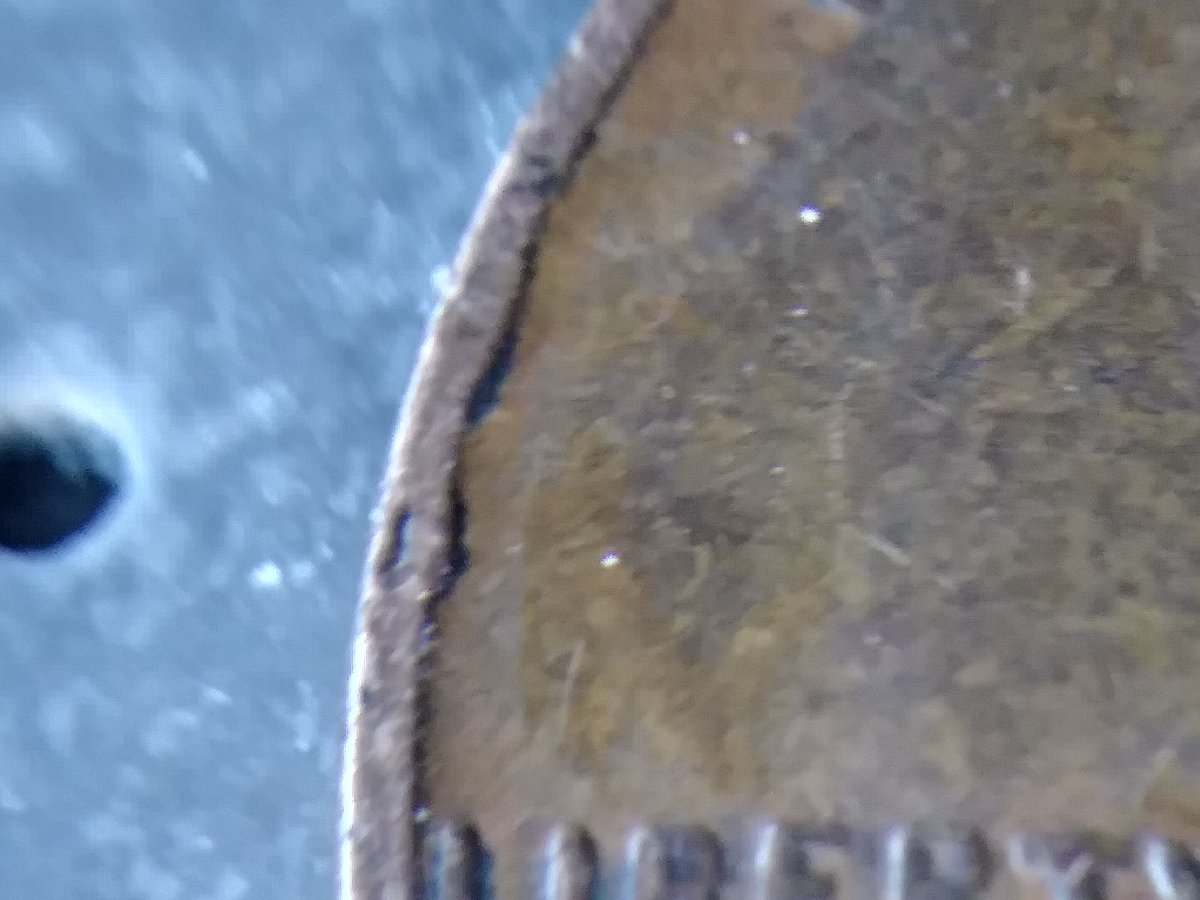
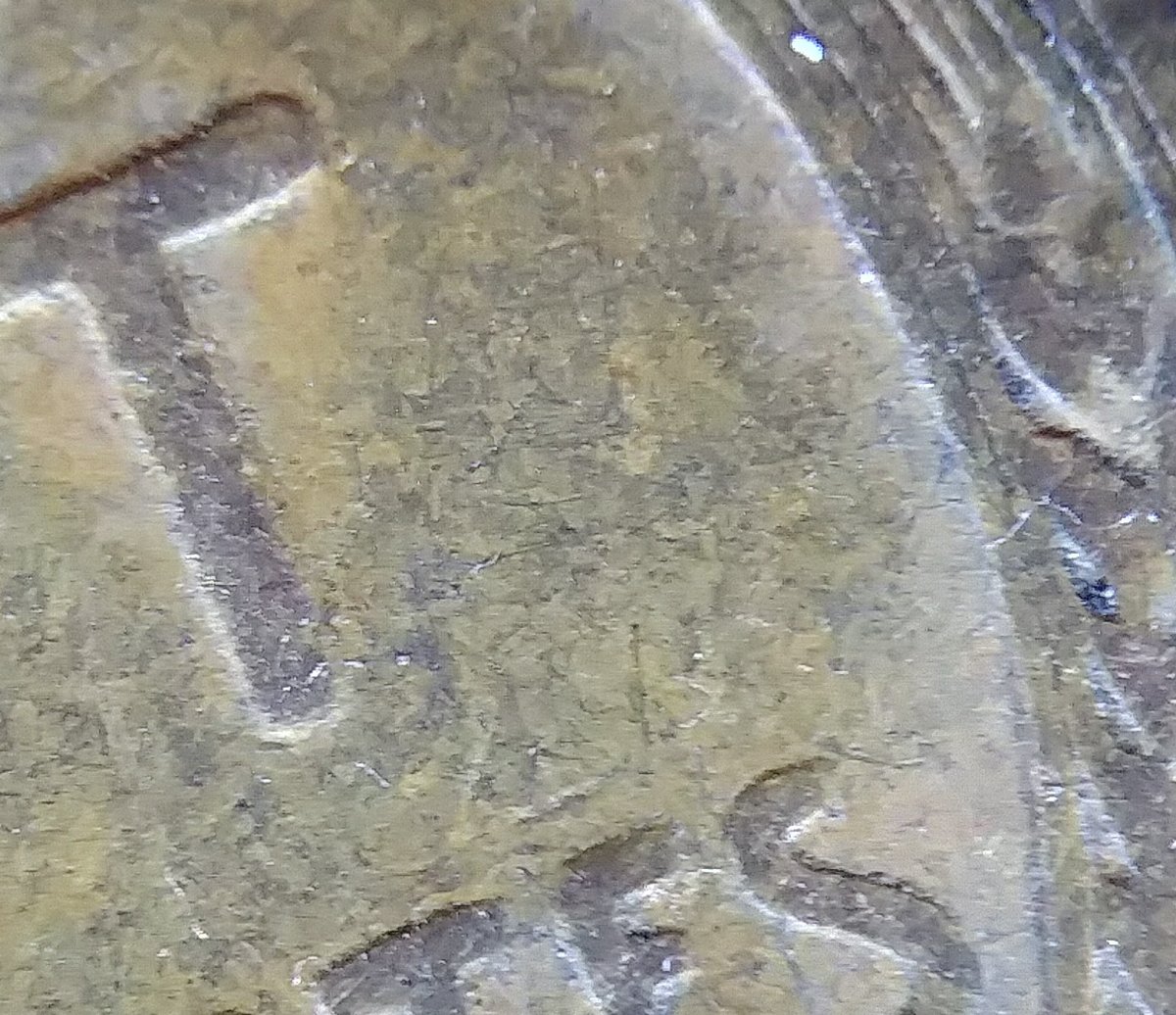
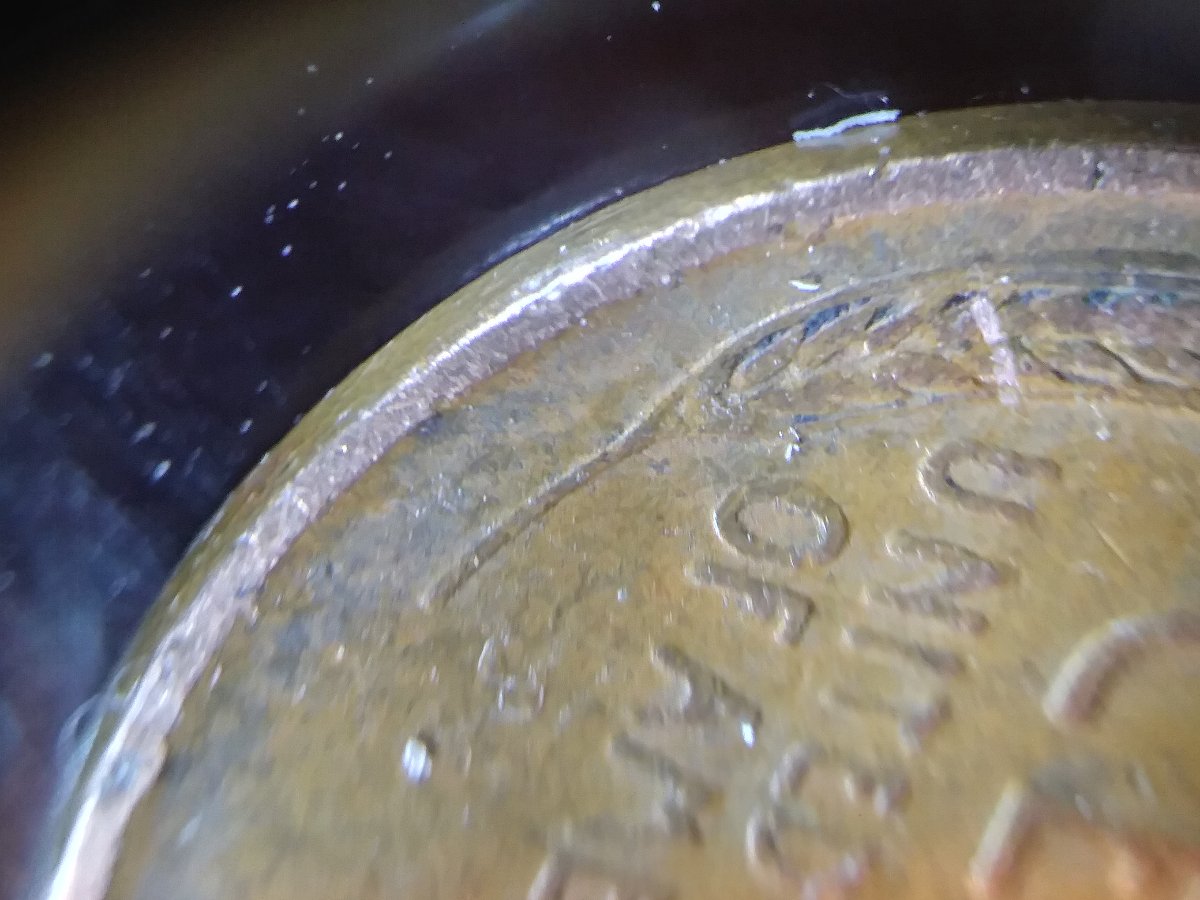
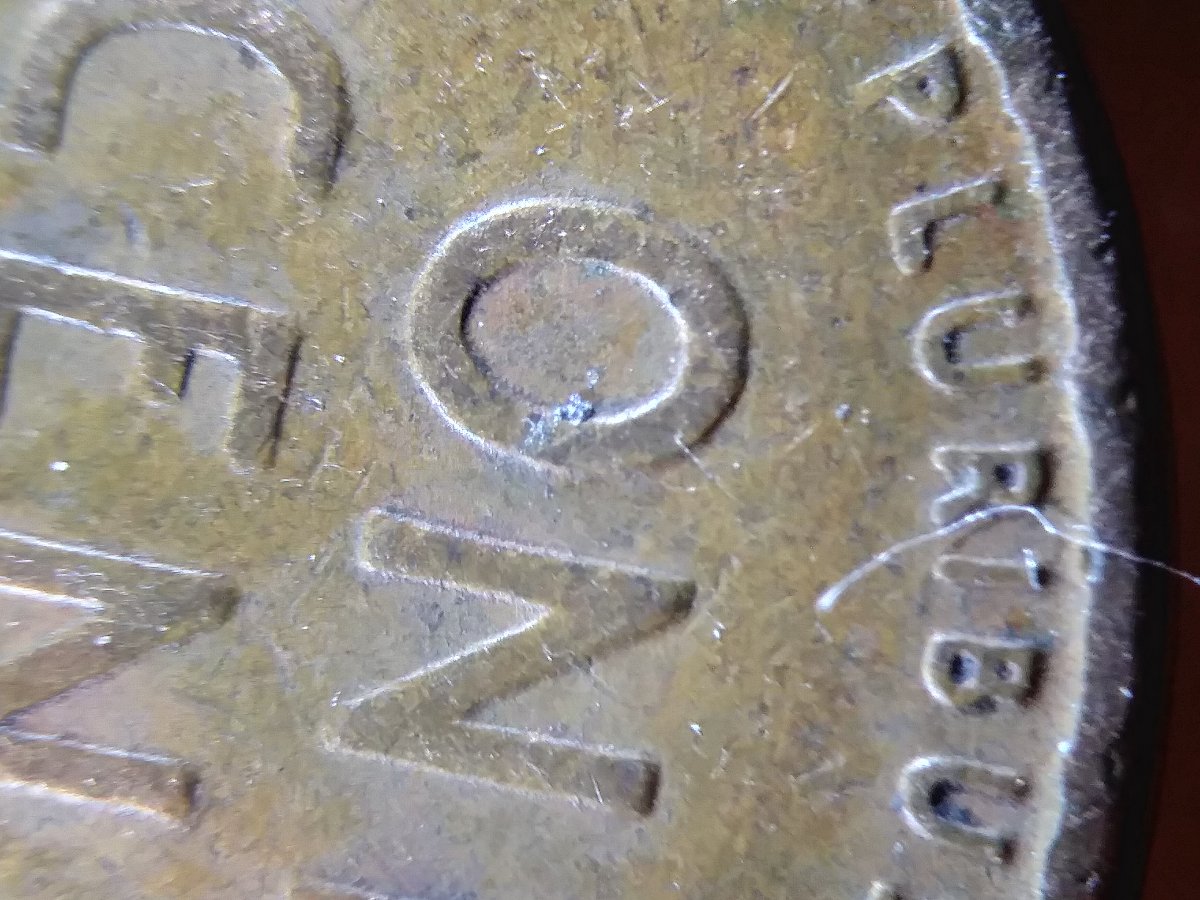
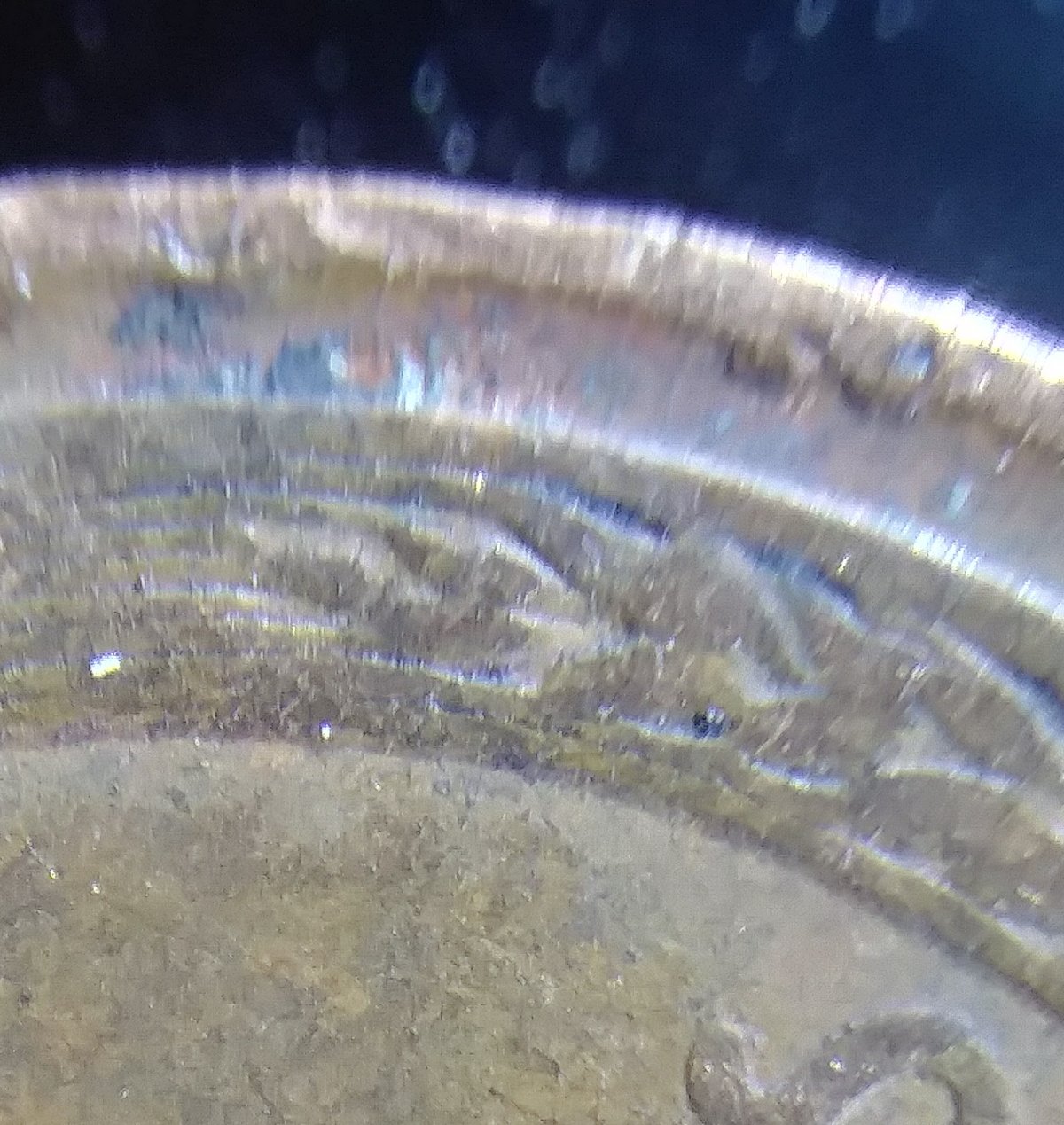
It's just some coincidental damage, residue, and staining. No errors here. One thing to remember when talking about a US coin struck on a foreign planchet, always try to give a weight. Forgein planchets can be made of brass, aluminum, silver, copper, etc.
-CH27
Collector of U.S. Coins, Varieties, and Colonial Coinage
|
|
Bedrock of the Community
United States
78955 Posts |
 Just a normal coin. What you're seeing is called Pareidolia. Errers and Varietys.
|
|
Pillar of the Community
United States
5887 Posts |
Also-3.04 grams is within mint tolerance, so that is normal too.
-CH27
Collector of U.S. Coins, Varieties, and Colonial Coinage
|
|
New Member
 United States
34 Posts |
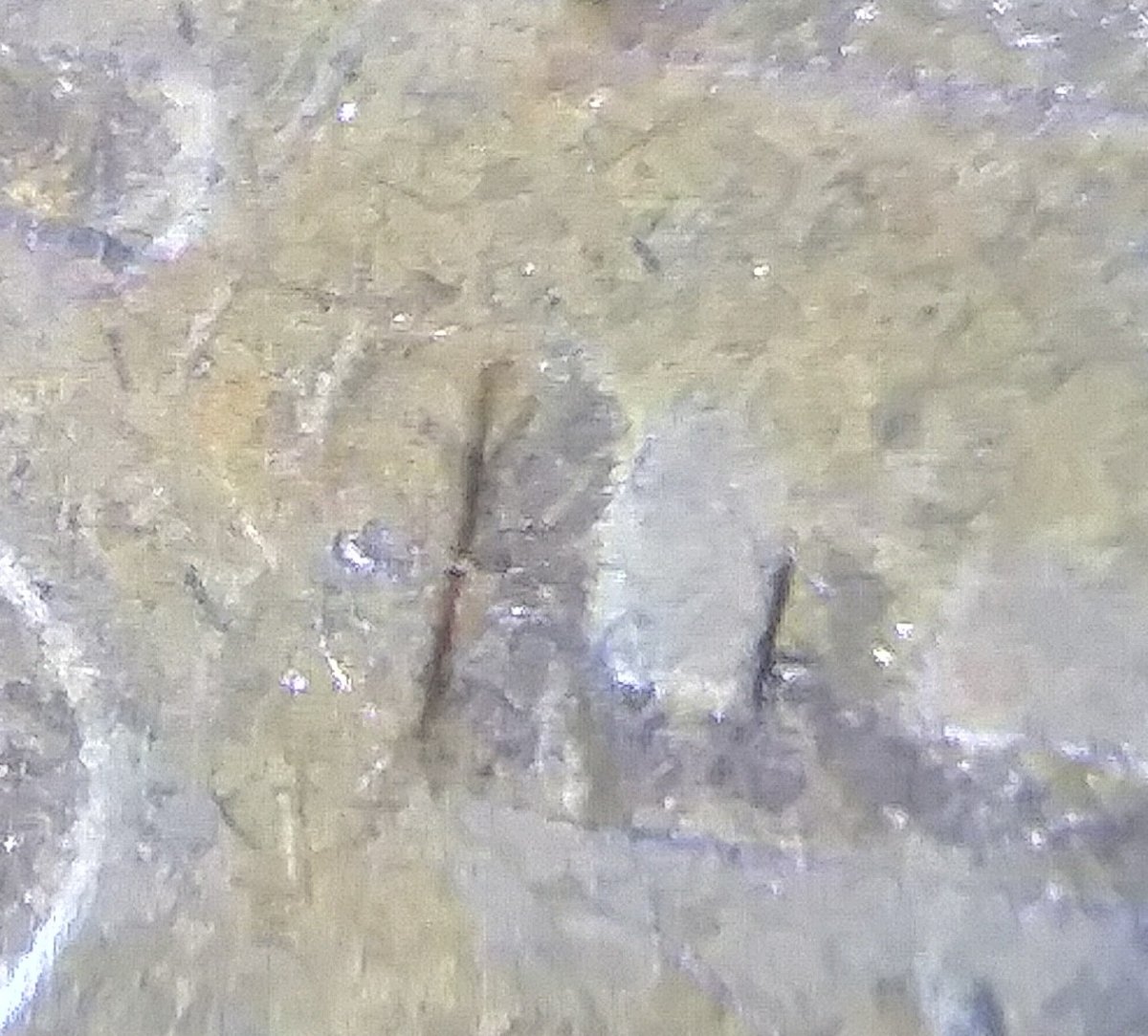
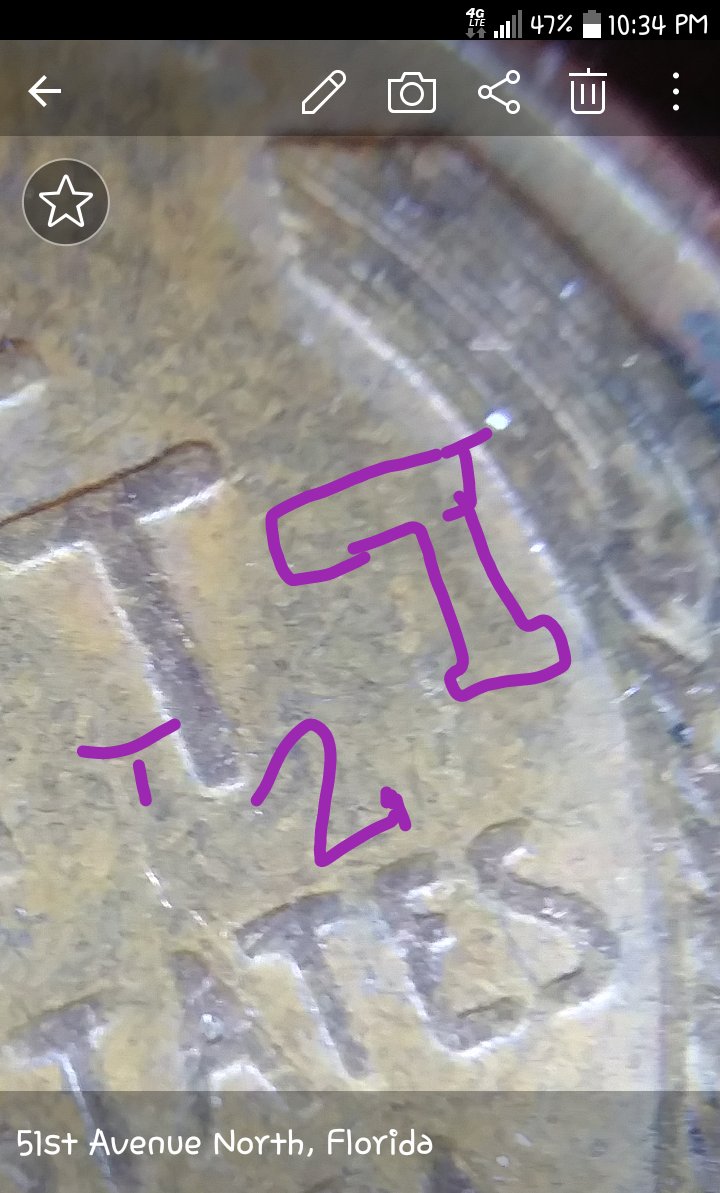
I see a number 7 clear as day in the 7th pic and the 3rd pic has a star underneath the 'e'..maybe u arent seeing what I'm talking about.. These are not a coincidence!
|
|
New Member
United States
34 Posts |
Looks like it could be an L also
|
|
Pillar of the Community
United States
1590 Posts |
I don't know. I do see what almost looks like clash marks. Unfortunately the resolution is just not fine enough for these old eyes. I DO see something of interest.
|
|
New Member
United States
34 Posts |
Im leaning towards a liberty penny..
|
|
Bedrock of the Community
United States
12477 Posts |
What's a "liberty penny?"
In Memory of Crazyb0 12-26-1951 to 7-27-2020
In Memory of Tootallious 3-31-1964 to 4-15-2020
In Memory of T-BOP 10-12-1949 to 1-19-2024
|
|
Valued Member
United States
264 Posts |
I have to agree with coinhunter and errersandveriety.
|
|
Bedrock of the Community
United States
62064 Posts |
When you see something on a coin remember, that unless it is raised like other devices, it was not on the die. Why do I say that? A die is a negative. Something on the die that in incuse (devices, bust, designs) create on coins a raised area. Chips, cracks, Cuds, die scratches, die dots, die dents, die gouges although not hubbed in on the die shows as raised areas. Raised areas on the die creates incuse marks on the coins. So when you see something on the fields that is not raised, then it is not on the die. The eye conceives that something is there, but if it isn't raised it's not a die issue. |
|
Pillar of the Community
United States
751 Posts |
Coop, if the U.S. die was struick over a previously struck foreign coin ( Which Is HIGHLY unlikely ) Wouldn't the field of the U.S. Coin flatten the previous foreign devices ?
If a coin was actually struck over a foreign coin, it would have to be deliberate by the operator I would think.
Dan
|
|
Bedrock of the Community
United States
62064 Posts |
Even double strikes loose a lot of detail. So much you have to make a side buy sides to show what is there.
|
|
Bedrock of the Community
United States
17884 Posts |
Quote:
Coop, if the U.S. die was struick over a previously struck foreign coin ( Which Is HIGHLY unlikely ) Wouldn't the field of the U.S. Coin flatten the previous foreign devices ? It is possible the fields in the second strike would flatten the raised devices in those areas, but the raised devices from the first strike would be fairly clear in the raised devices of the second strike. So you would look for flattened devices in the fields and raised devices on the high relief areas of the second strike. This coin shows neither. |
|
New Member
United States
34 Posts |
So how is it that I'm seeing these letters and numbers.. I'm not buying the coincidental staining and residue theory..could it be that it was stuck to another coin for a long period of time..and then residue stained it
esidue
|
| |
Replies: 14 / Views: 2,871 |
|









 Posted 02/21/2019 9:53 pm





