| Author |
 Replies: 11 / Views: 5,687 Replies: 11 / Views: 5,687 |
|
|
Pillar of the Community
United States
974 Posts |
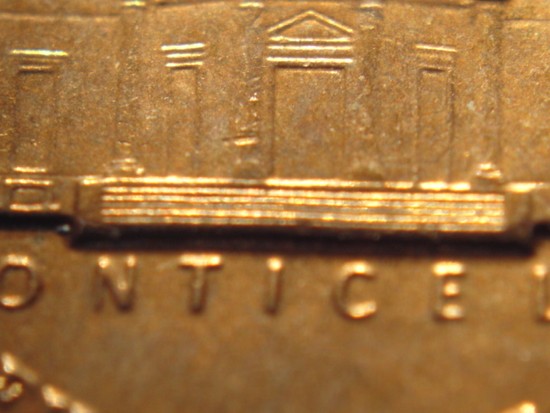
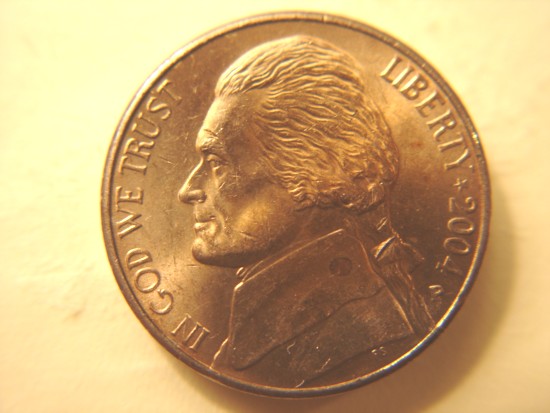
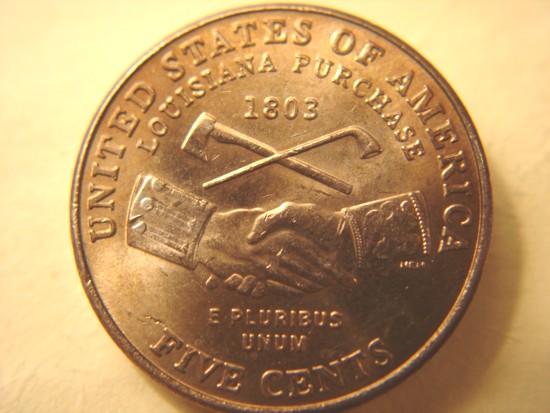
I have this nickel and after researching online, I believe it to be Copper Sintered. I almost thought it was a wrong planchet nickel on cent when I first saw it but it's definitely nickel diameter. The best definition I have found for this "Mint Error" is: Quote:
"Sintering: The welding together of small particles of metal by applying heat below the melting point. Typically occurs during the annealing process of coin planchets when the annealing drum has not properly cleaned and minute amounts of the previous medal (like copper) are left behind in the drum. Notable examples are the sintering of nickel coins were copper adheres to the nickel finish of a planchet giving it a gold tint or copper colored finish." Anyone care to comment? 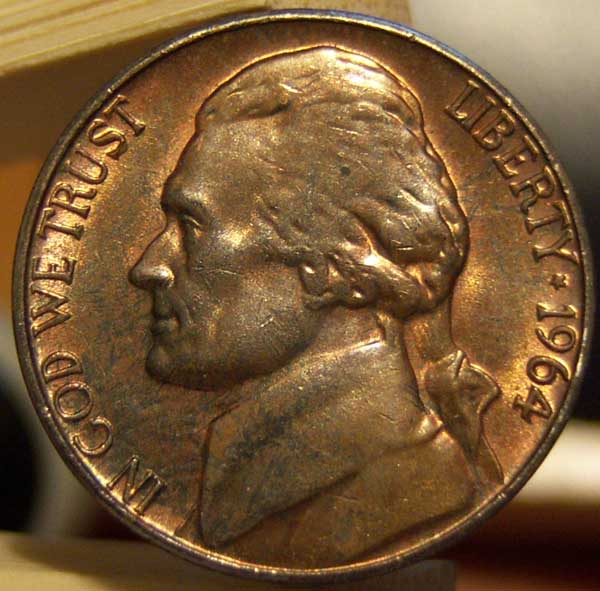 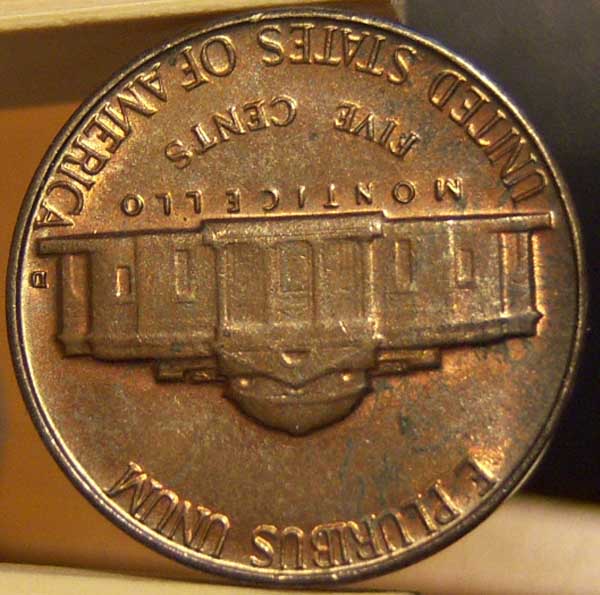 Edited by Nelrak
08/11/2008 5:46 pm
|
|
|
|
Moderator
 United States
195203 Posts |
I anxiously await the expert opinions on this one!  |
|
Pillar of the Community
United States
3507 Posts |
It is unwise for me to suggest with 100% certainty that this coin is struck on a sintered planchet without having looked at it closely.
It does appear to be.
I would only caution that in some lines of work, lithography, for example, chemicals are used that deposit copper onto other metals.
I suspect that this coin is indeed struck on a sintered planchet but I wanted to mention the other possibility.
Thanks,
Bill
|
|
Pillar of the Community
United States
2752 Posts |
It looks like an authentic improper annealing error. However the "sintered planchet" and "copper wash" scenarios are examples of numismatic mythology. No one appears to understand why a copper layer forms on coins that are baked too long (or at too high a temperature) in the annealing oven. Since some of these nickels are appreciably underweight, an added layer of copper is a non-starter. There are many other objections to the sintering scenario, but it would take several pages to go into them all. Perhaps the copper fraction of the alloy migrates to the surface. Perhaps the nickel fraction migrates to the interior, leaving the copper fraction at the surface. Perhaps the nickel fraction is liberated, leaving the copper fraction behind. Perhaps the copper fraction is liberated and re-deposited as a pure layer. I really don't know. Even a metallurgist I talked to can't figure it out.
Error coin writer and researcher.
|
|
Pillar of the Community
United States
3507 Posts |
Hi Mike,
Thanks for going into that part of it. After my thread on the 1949 S cent, I wasn't ready to tread these waters :-)
Have Fun,
Bill
|
|
Pillar of the Community
 United States
974 Posts |
Thanks Mike and Bill. So I take it this would not be something TPG Companies would be able to confirm? It does have some nice eye appeal. |
|
Pillar of the Community
United States
2752 Posts |
They slab these all the time. The label varies, however. Sometimes it's called "improperly annealed", sometimes "sintered plating", and sometimes "copper wash". It's a reflection of their uncertainty over the etiology of this error.
Error coin writer and researcher.
|
|
Moderator
United States
195203 Posts |
Thank you, Bill and Mike, this has been an interesting read.  |
|
Bedrock of the Community
United States
20038 Posts |
Beautiful coin!
Lincoln Cent Lover!VERDI-CARE™ INVENTOR https://verdi.care/
|
|
Pillar of the Community
United States
4113 Posts |
|
|
Pillar of the Community
United States
2752 Posts |
Again, I prefer the term "improperly annealed", since the sintering scenario is unworkable. Anyway, your two coins look like legitimate examples. Both retain original mint luster, which is key.
Error coin writer and researcher.
|
|
Pillar of the Community
United States
4113 Posts |
Thanks Mike!
I'll try to remember to refer to these as "Improperly Annealed" from now on and avoid using the word sintered.
Thanks again,
Chuck.
|
| |
Replies: 11 / Views: 5,687 |
|










 Posted 08/11/2008 6:17 pm


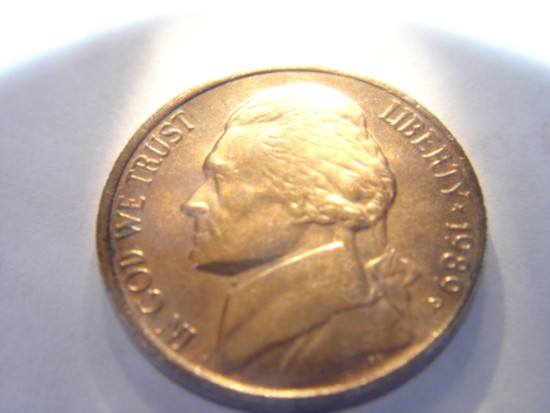 1989PJeffersonObvjpeg1.jpg
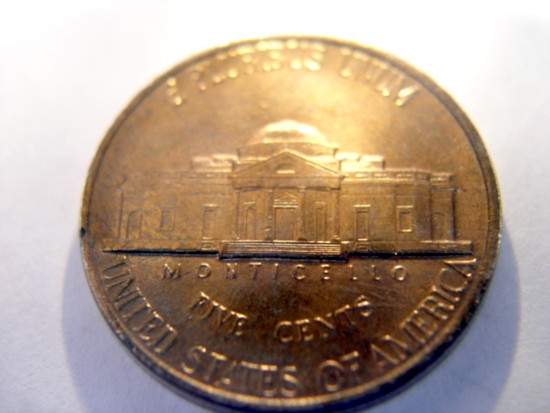 1989PJeffersonRevjpeg1.jpg
 1989PNiceltonedstepsjpeg3.jpg
 2004PJeffersonjpeg2.jpg
 2004PJeffersonRevjpeg1.jpg


