






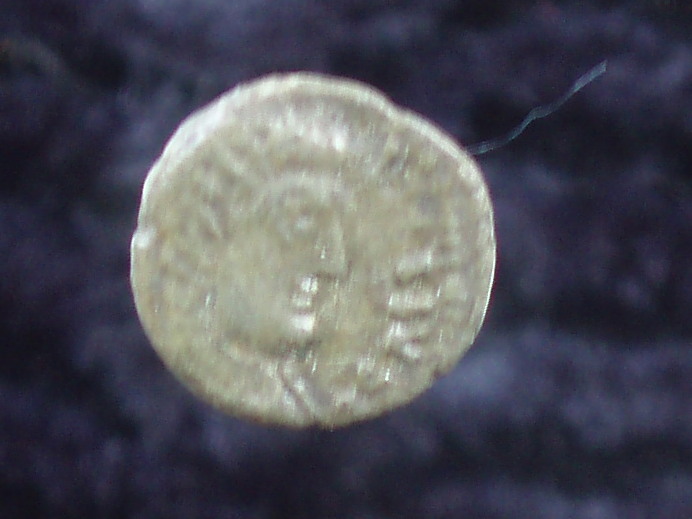
 Roman10_Obv.jpg
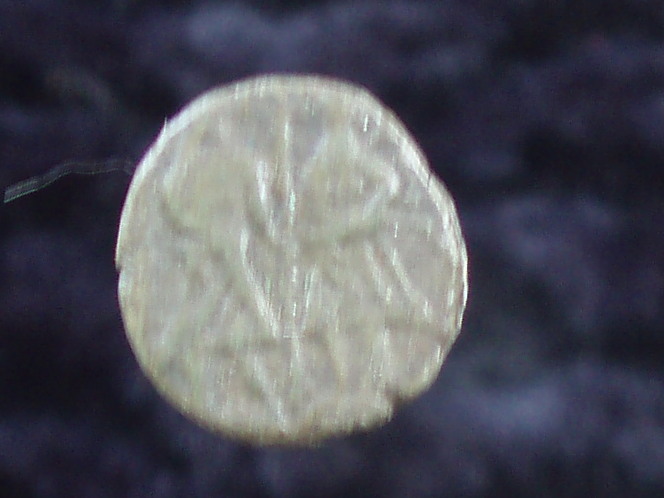 Roman10_Rev.jpg


 Posted 08/11/2008 8:47 pm


"Greek" coins almost never have writing around the portrait; that's a concept relatively late to appear, and most usually found on Roman and Roman Provincial coins.
The reverse of this coin looks like a variation of the "two soldiers holding standard" design common to the late Roman period, post-Constantine. I can't pick the emperor, but it'll be something like this one, only cruder - which means either much later, or it's a barbarous imitation.
The reverse of this coin looks like a variation of the "two soldiers holding standard" design common to the late Roman period, post-Constantine. I can't pick the emperor, but it'll be something like this one, only cruder - which means either much later, or it's a barbarous imitation.
Don't say "infinitely" when you mean "very"; otherwise, you'll have no word left when you want to talk about something really infinite. - C. S. Lewis

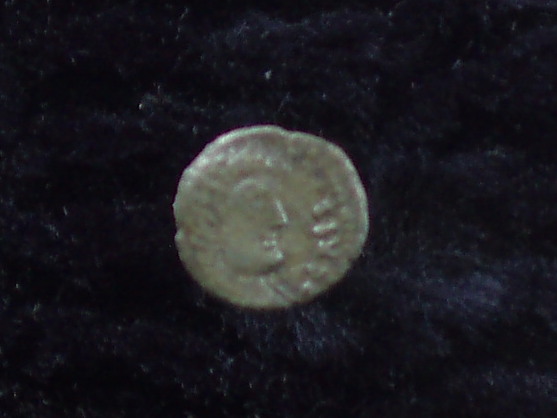 Roman10A_Obv.jpg
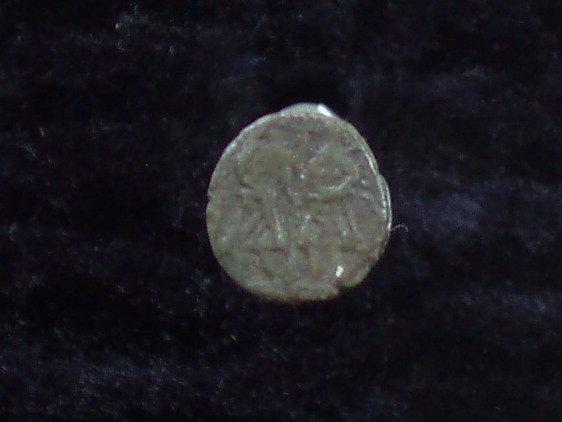 Roman10A_Rev.jpg


