| Author |
 Replies: 9 / Views: 2,178 Replies: 9 / Views: 2,178 |
|
|
Valued Member
United States
447 Posts |
|
|
|
|
Pillar of the Community
 United States
8946 Posts |
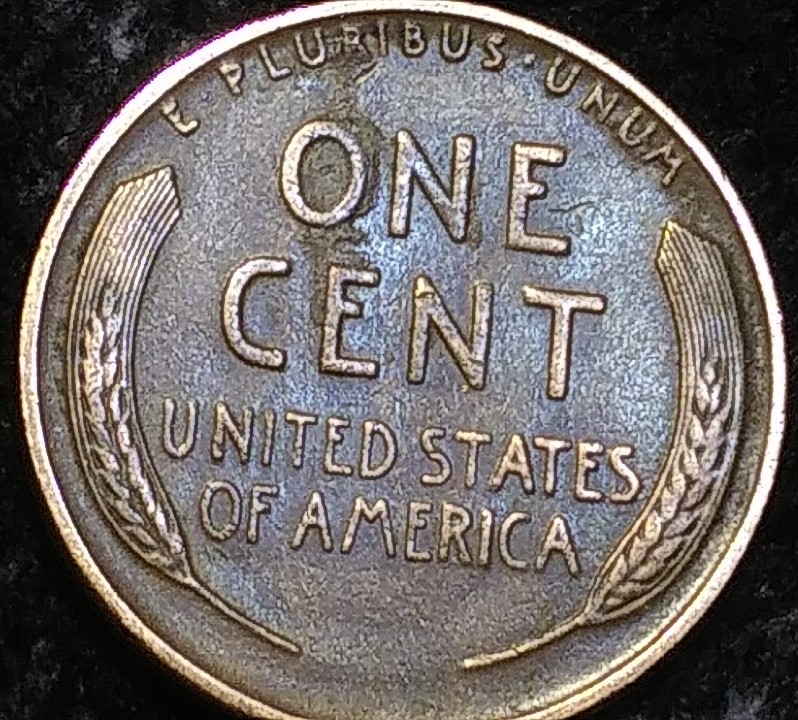
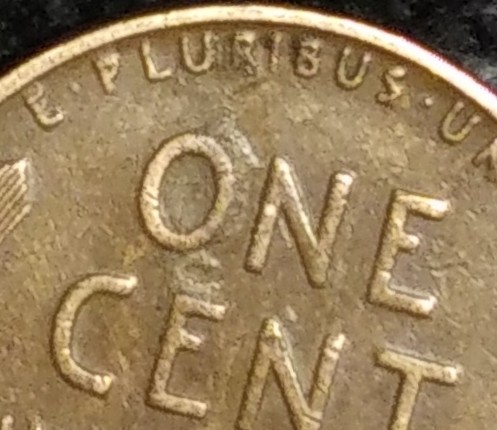
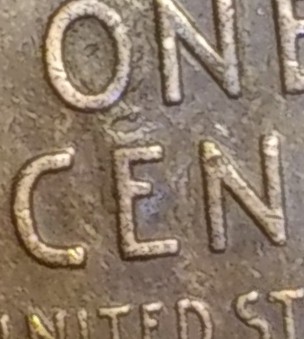
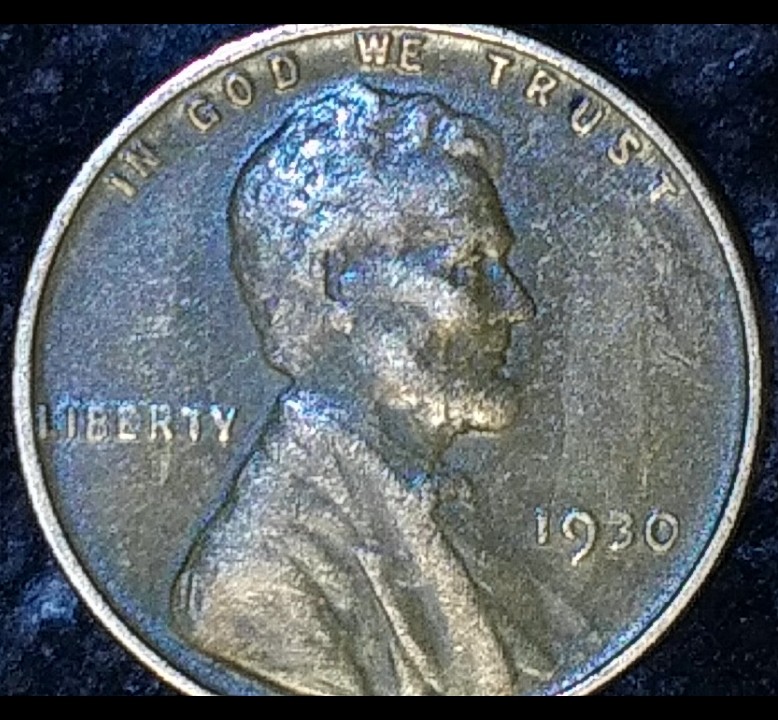
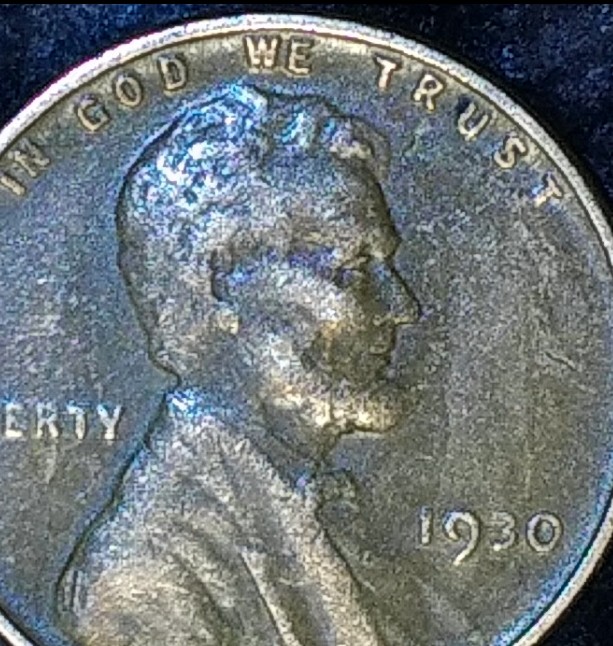
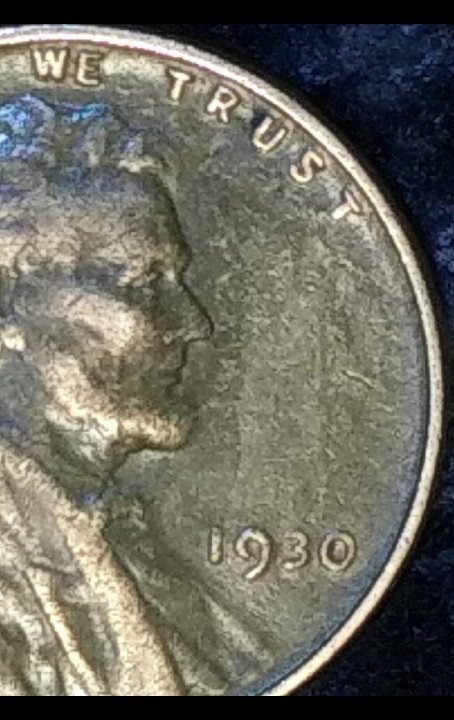
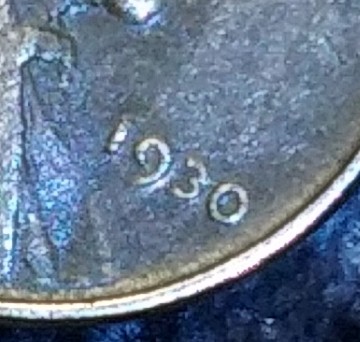
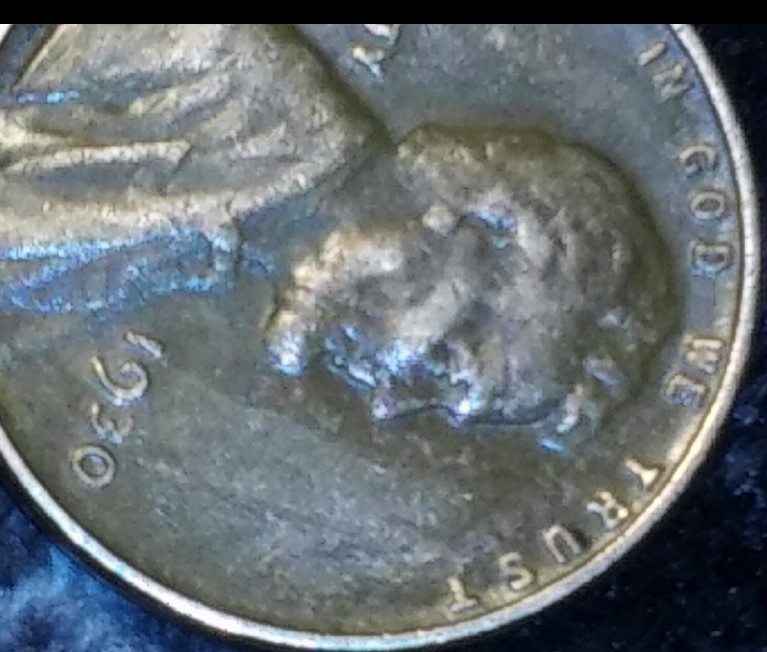
From what I can see there is some light MD. But a lot of crud on the coin
|
|
Bedrock of the Community
United States
94367 Posts |
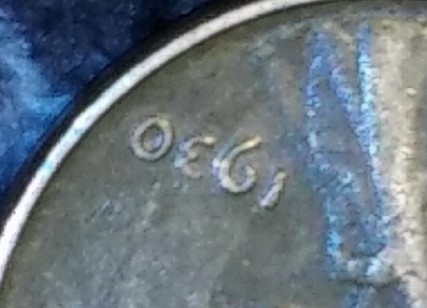
Looks like some sort of gunk has adhered to the reverse. I don't think it's a foreign planchet.
|
|
Valued Member
 United States
447 Posts |
No offense, and I know you can only go by the pictures that I give you which aren't very good but I am seeing a distinct 5 showing under the upper "E", and definitely not crud or Gunk attached to the coin for this is part of the coin..... 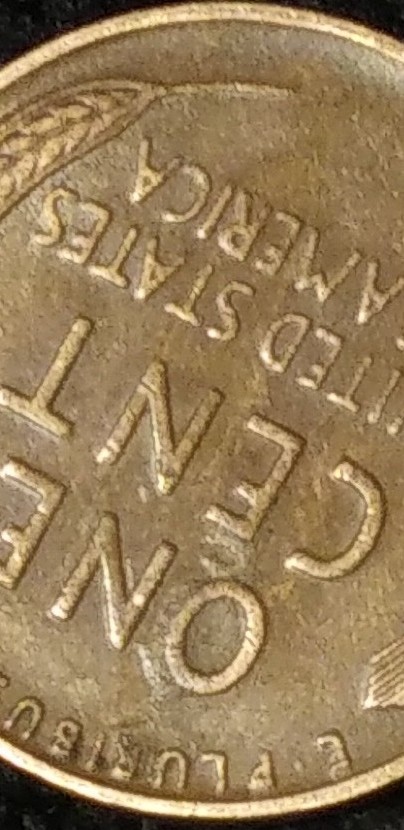 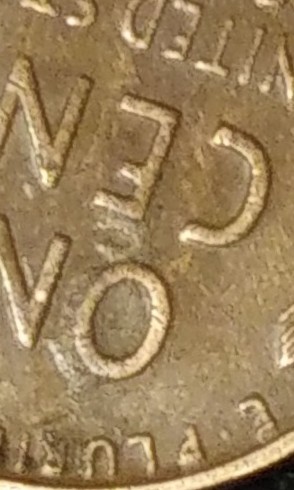 |
|
Bedrock of the Community
United States
79298 Posts |
It's not struck on a Foriegn planchet. It's a normal coin. What are you seeing as an error?  Errers and Varietys.
|
|
Bedrock of the Community
United States
17884 Posts |
There may be some die damage, and I think I am starting to see the beginnings of Progressive Indirect Design Transfer (PIDT).
If it was struck on a foreign planchet the surface of the planchet would still be smooth so no raised features would result. If it was struck on a foreign coin a lot more design features would be visible, and would show more on the devices than in the fields.
|
|
Pillar of the Community
United States
751 Posts |
I see 2 places marked 1 & 2 where the coin appears to have taken hits PSD, the area marked with a question mark, I'm not sure of. Dan 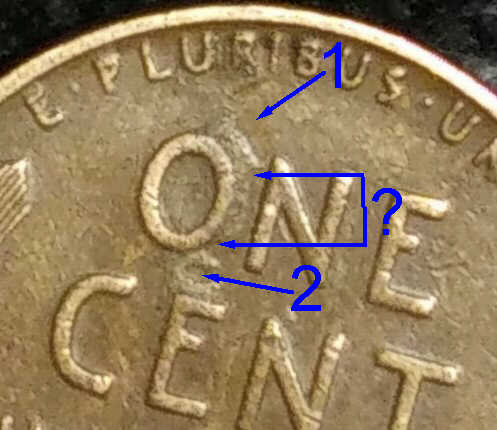 |
|
Bedrock of the Community
United States
94367 Posts |
Conder - Could you further explain PIDT, please.
|
|
Pillar of the Community
United States
8946 Posts |
|
|
Bedrock of the Community
United States
17884 Posts |
Quote:
Conder - Could you further explain PIDT, please. Through extended use the force of the dies through the planchet can eventually transfer a faint enlarged distorted image of their features onto the opposite die. Coins struck will then show this "ghost" image of the design from the other side. (Hence why it is sometimes called "ghosting".) they should not be confused with die clashes which have sharp edges defining the image from the other side. A PIDT image has faint blurred edges. PIDT is most commonly seen on coins that are thin and sometimes on coins that need high tonnage pressures to coin. Three Cent Silver and gold dollars are very commonly seen with PIDT, as are Kennedy halves. The "halo" often seen around Kennedy's bust and the eagle are the result of PIDT. It also shows up somewhat often on Lincoln cents especially wheat cents form the 20's, and frequently on British and Australian large pennys due to their large diameter and thinness. For further explanation http://www.error-ref.com/progressiv...gn-transfer/ |
| |
Replies: 9 / Views: 2,178 |
|









 Posted 02/28/2019 08:55 am





