| Author |
 Replies: 8 / Views: 1,574 Replies: 8 / Views: 1,574 |
|
|
Pillar of the Community
Canada
737 Posts |
|
|
|
|
Pillar of the Community
 Canada
9902 Posts |
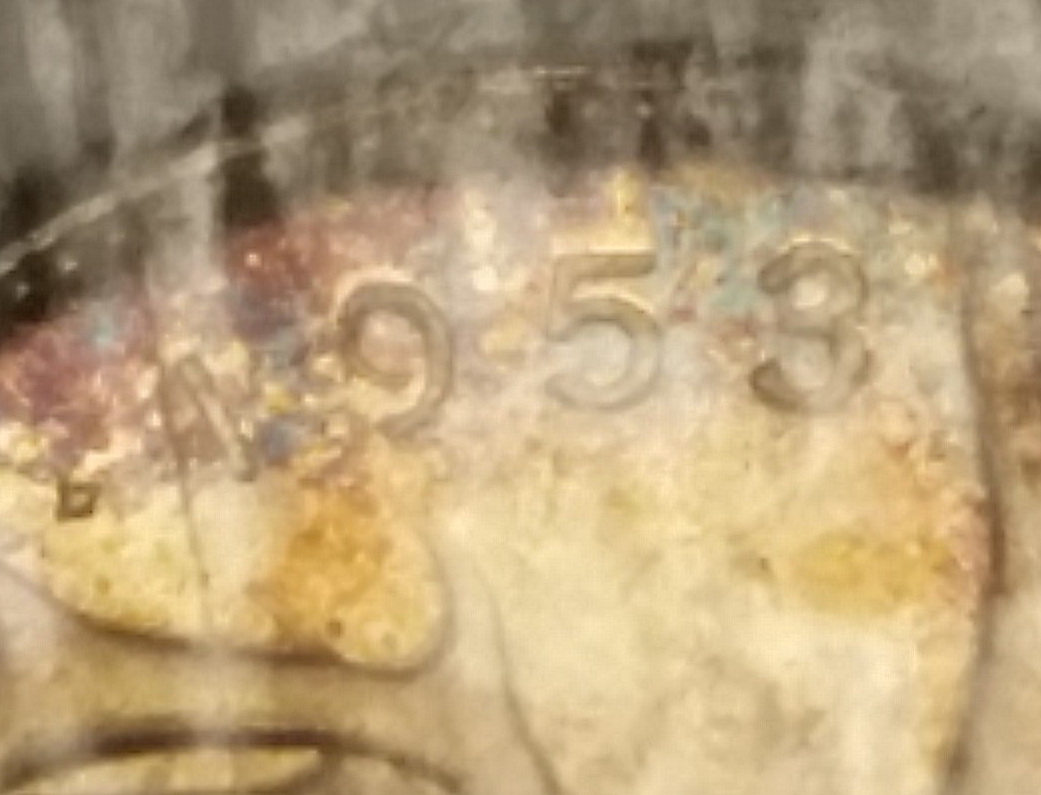
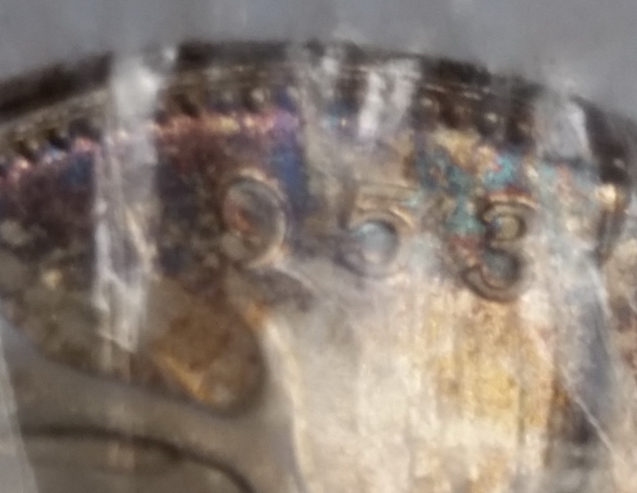
Post clear pics of both reverses without so much glare and I'll tell you how to differentiate large and small without looking at the date. It is much easier.
"Dipping" is not considered cleaning...
-from PCGS website
|
|
Pillar of the Community
 Canada
737 Posts |
Ok, I wanted to avoid opening the fragile plastic but it looks like decent photos with it aren't likely. Thanks, I'll repost them here as soon as I get a minute. Appreciated.
|
|
Pillar of the Community
United States
8946 Posts |
Yep, more  |
|
Pillar of the Community
Canada
737 Posts |
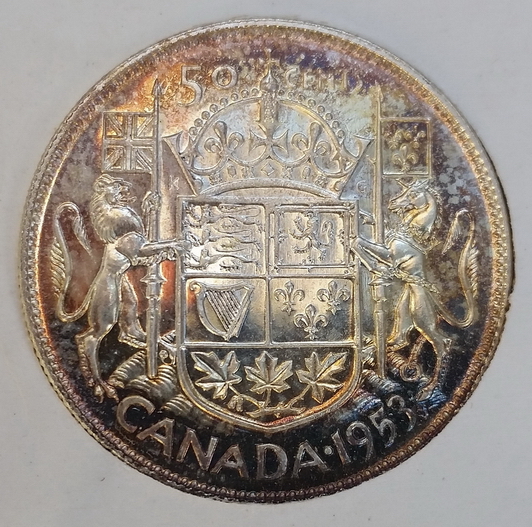
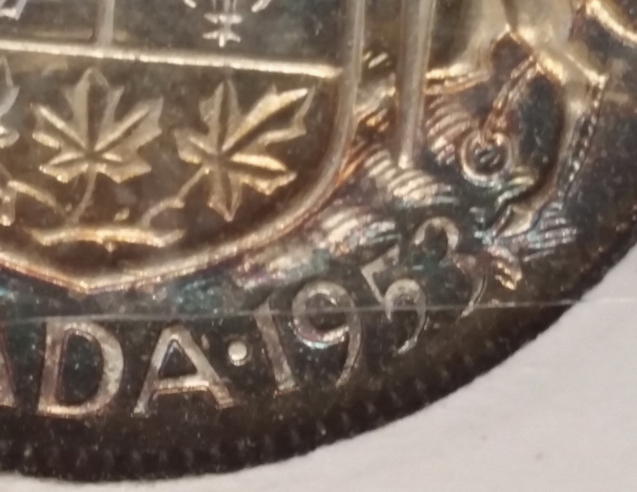
DBM - Here's the coins outside of the plastic, much clearer. They were taken outside out of direct sunlight. Hope these are ok, if not let me know. 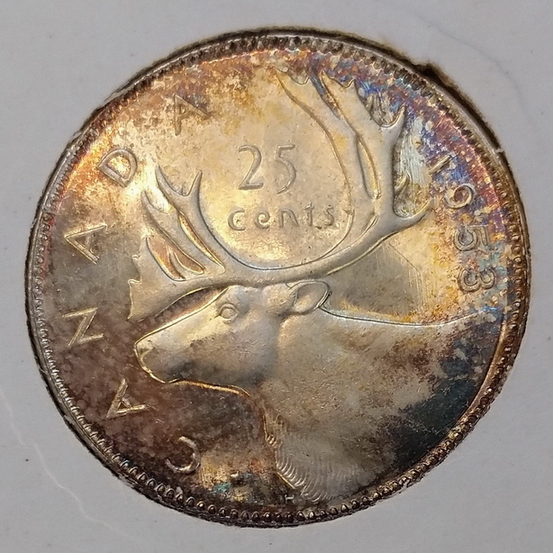 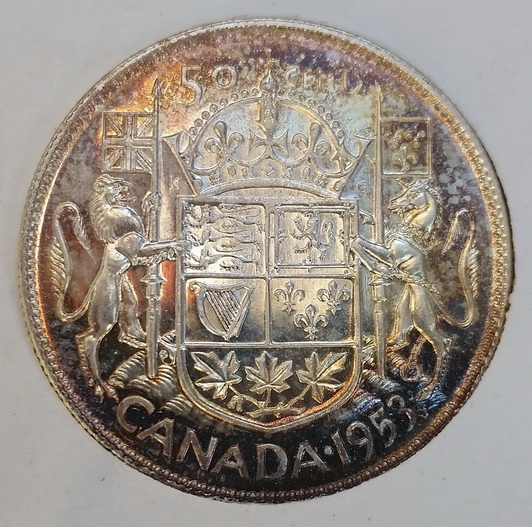 Edited by TaeKenDo
03/09/2019 11:30 am
|
|
Bedrock of the Community
Canada
21865 Posts |
I think you have it backwards.
The 25c is a Large Date
and the 50c is a Small Date.
|
|
Pillar of the Community
Canada
737 Posts |
JimmyD - Ok, that's what I was trying to find out. But besides the date, how can one tell the difference, what are other markers ?
|
|
Pillar of the Community
Canada
9902 Posts |
For the quarter, wire rim, as on your coin, is found only on large date coins. Wide flat rim reverse is found with small date.
For 1953 quarters large date is found with NSF obverse only, and small date is found with SF only.
For The 1953 fifty cents,all SF obverse coins have large date reverse. NSF obverse coins can have either small or large date reverse.
If the maltese cross on the reverse points to a denticle it's a small date.
If the maltese cross points between denticles then it's a large date.
"Dipping" is not considered cleaning...
-from PCGS website
|
|
Pillar of the Community
Canada
737 Posts |
Thanks for that info DBM, it's duly noted and appreciated.
|
| |
Replies: 8 / Views: 1,574 |
|










 Posted 03/09/2019 10:51 am


