Quote:Analysis of the 430 coin (430th confirmed matte proof), comparing against the 749 coin (confirmed obverse #1/reverse #1)
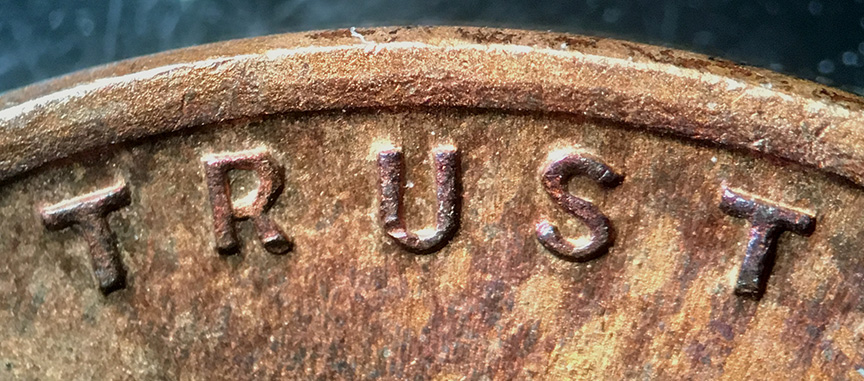
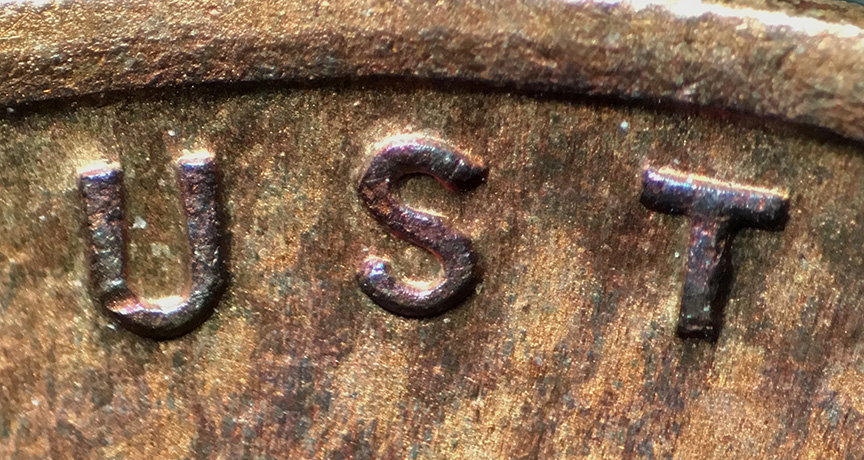
There is a die scratch on both which goes from the middle of the U, through the S, to the upper left of the T of TRUST.
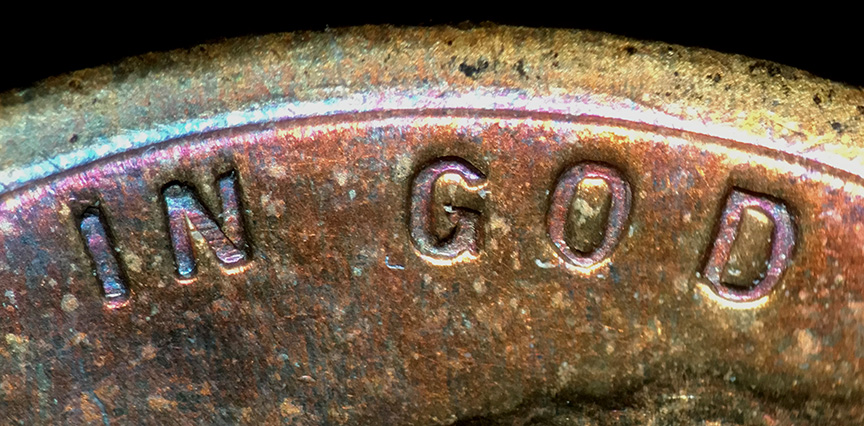
Broken top right side of O of GOD seen on both
Not sure about die scratches in top left of W, might be obscured with toning
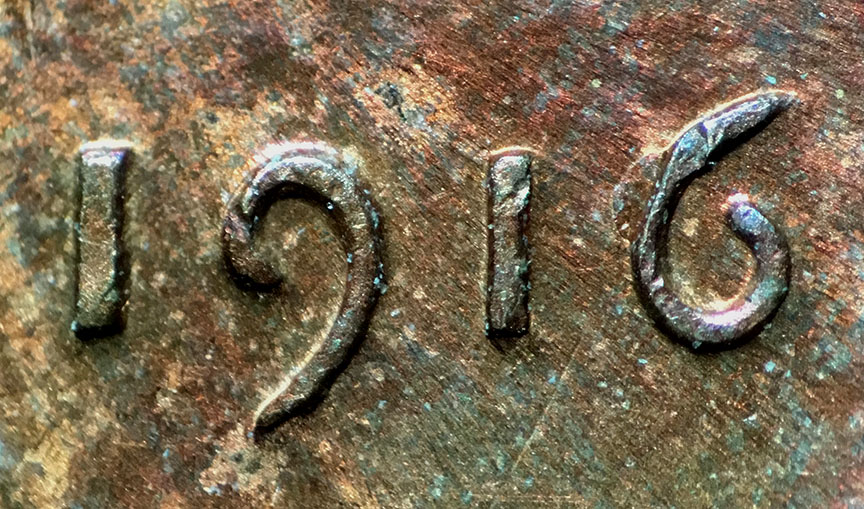
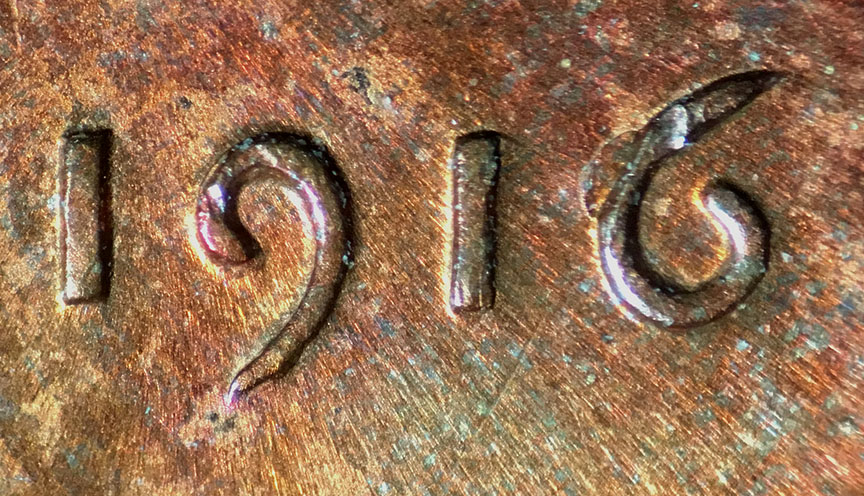
Date is difficult on both to see, but on the 430 coin, I see a small 60 degree angle scratch on the top inside right of the 9.
I also saw other matching die diagnostics on the obverse between the two coins.
Obverse and reverse on the 430 has
Strike Doubling not see on die pair #1, especially on reverse. The die
could have become loose near the end of its usage though.
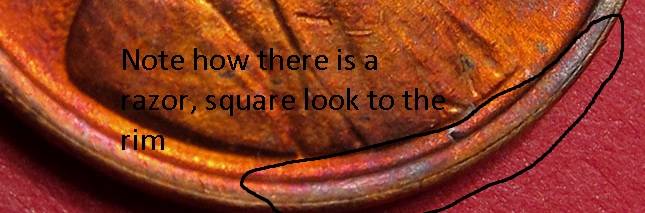
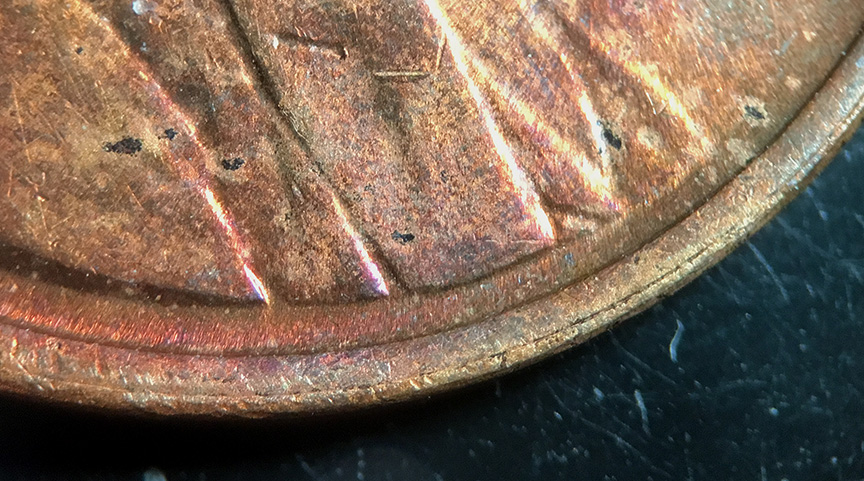
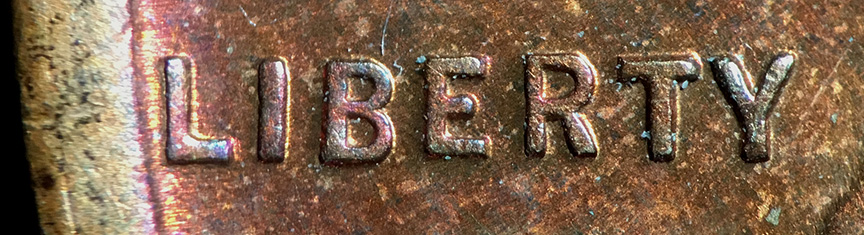
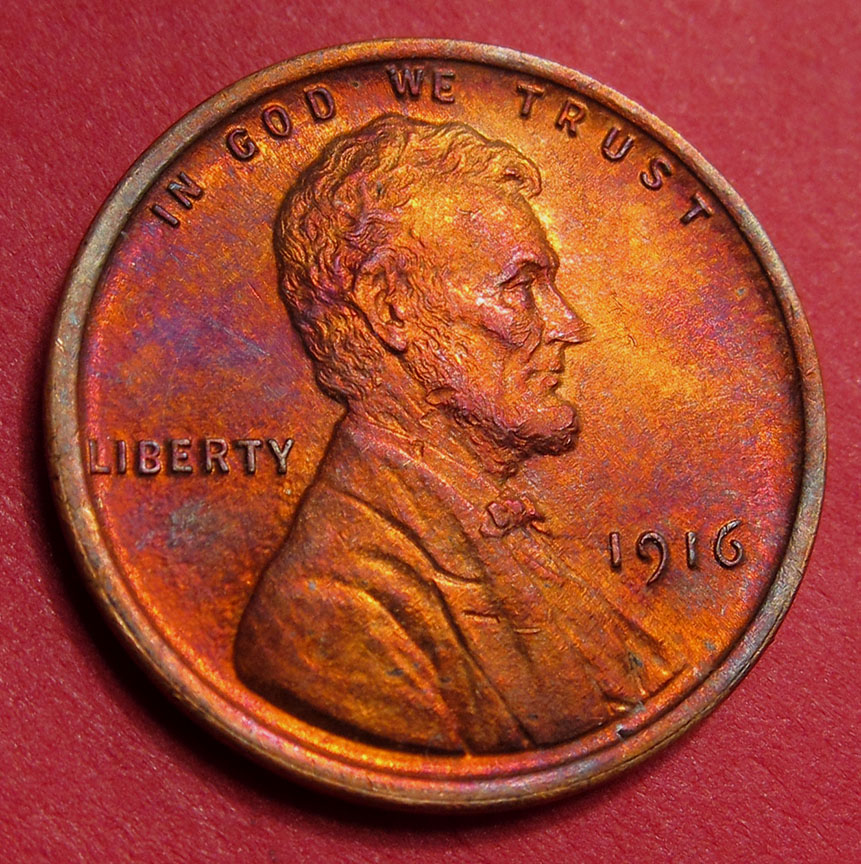
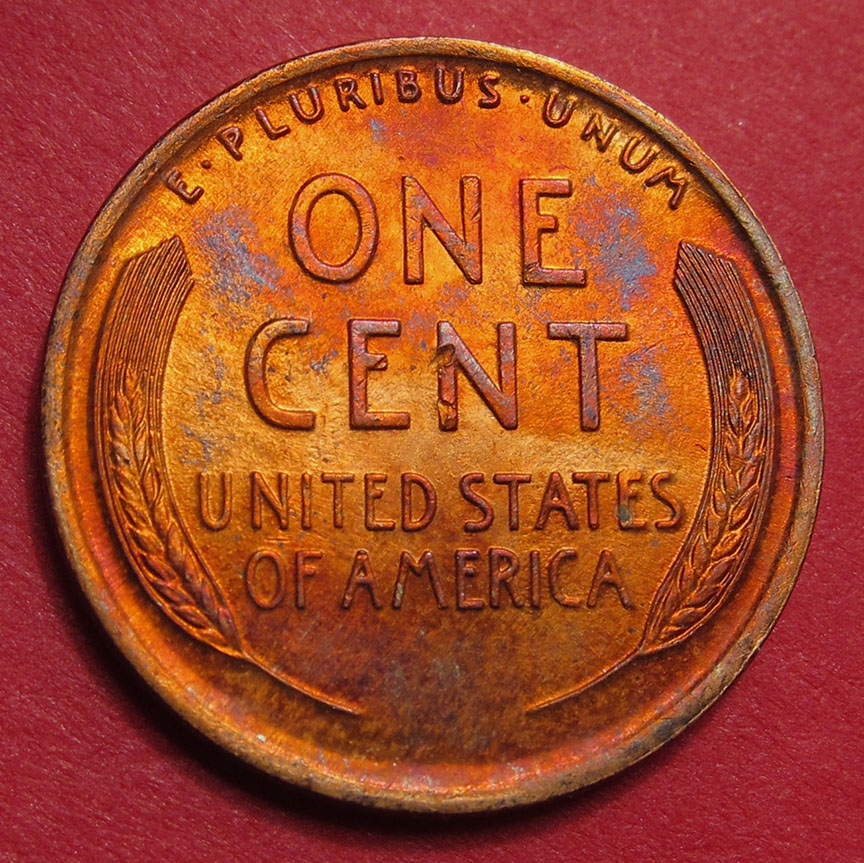
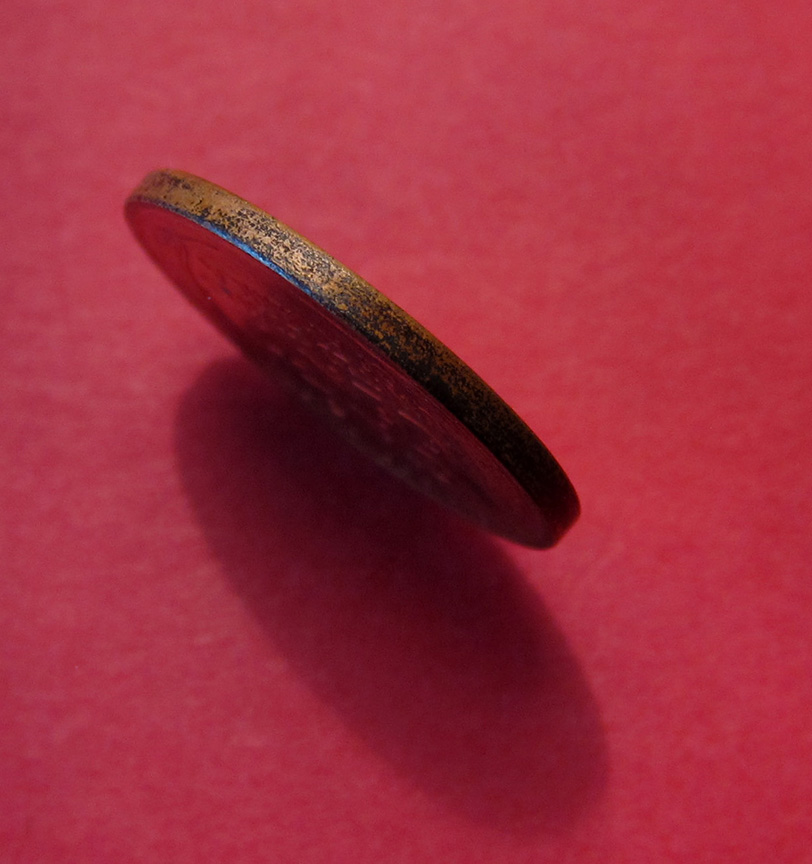
The obverse on 430 matches obverse #1, but what I do not like about this coin is that it does not appear to have been struck as a proof IMO, the edge appears to thin, and the inside edge appears tilted and not squared. Some of the outside lettering, IGWT, EPU do not appear to as fully struck as a proof.
The surface on the 430 is definitely granular.
This is the same obverse as 1916
Lincoln Cent matte proof obverse #1, but it is not a proof as it was not struck as a proof.
Brian Wagner (copied herein) independently came to the same conclusion as did others who first uncovered this.
IMO, what probably happened is that two pair of dies were allocated for
Lincoln Cent matte proofs in 1916.
When the Director stated in October 1916 that no more proofs would be struck, then one of the dies was taken from the medal room (where proofs were normally struck during this period), to be used in production for coins struck for circulation. This is the first time that I have seen one of the
Lincoln Cent matte proof dies used for coins struck for circulation. A confirming specimen would be helpful to verify that this was not just a poorly struck proof.
Matte proofs were struck once, slower at higher pressure. Going slower gave more time for the metal to flow into the deepest recesses of the working dies.
On the 16s, there were 3 deliveries, 200 each.
No, they would not have modified the rims for circulation, is just if full production mode, less time and pressure used
which will not fully fill the rims.
In my study of the mattes, I have seen circulation strikes that had stronger rims that the proofs, especially on the
1911, small coin, less pressure required.
Coin #430
http://images.PCGS.com/CoinFacts/30414430_max.jpgObverse + Reverse 1 Die Pair
http://images.PCGS.com/CoinFacts/81...8749_max.jpg For those further interested, here is a resource on matte proofs writen by a very knowledgable man on the matter









 Posted 04/12/2019 5:34 pm