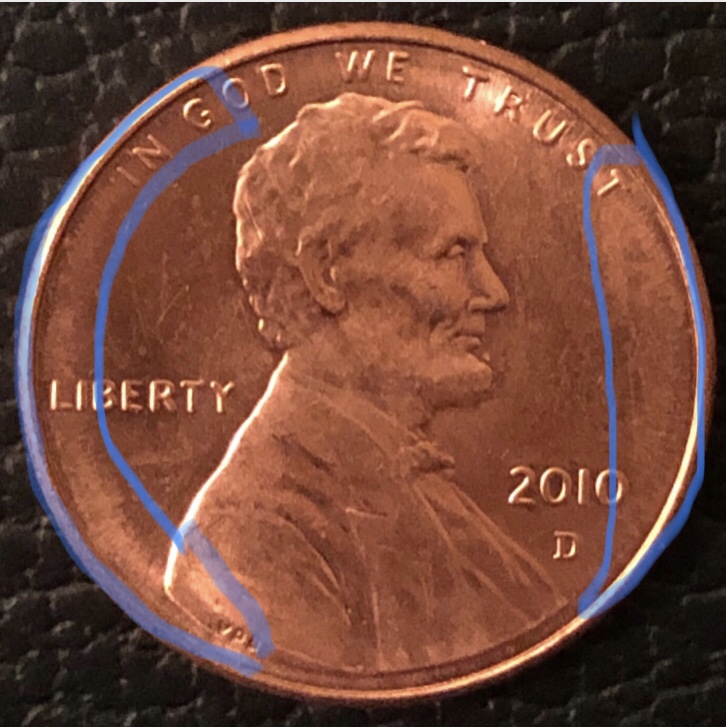
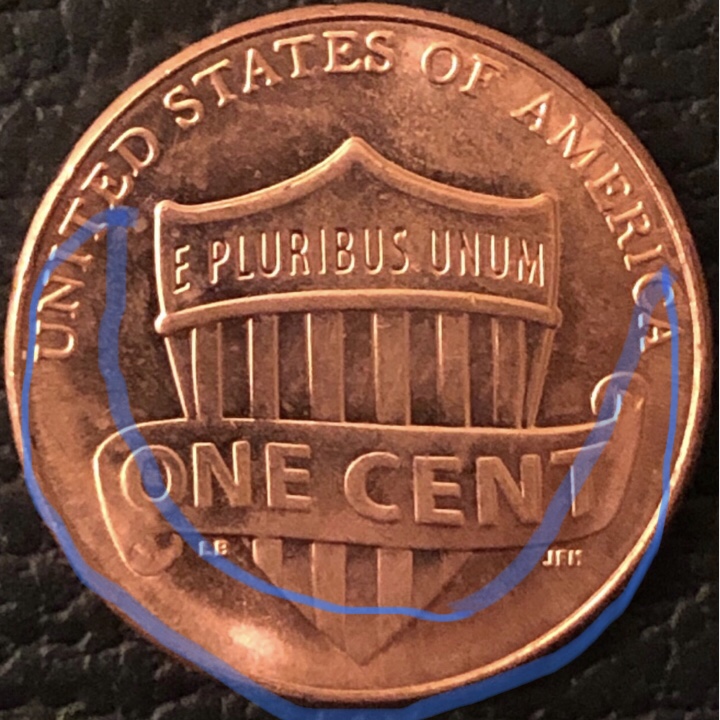
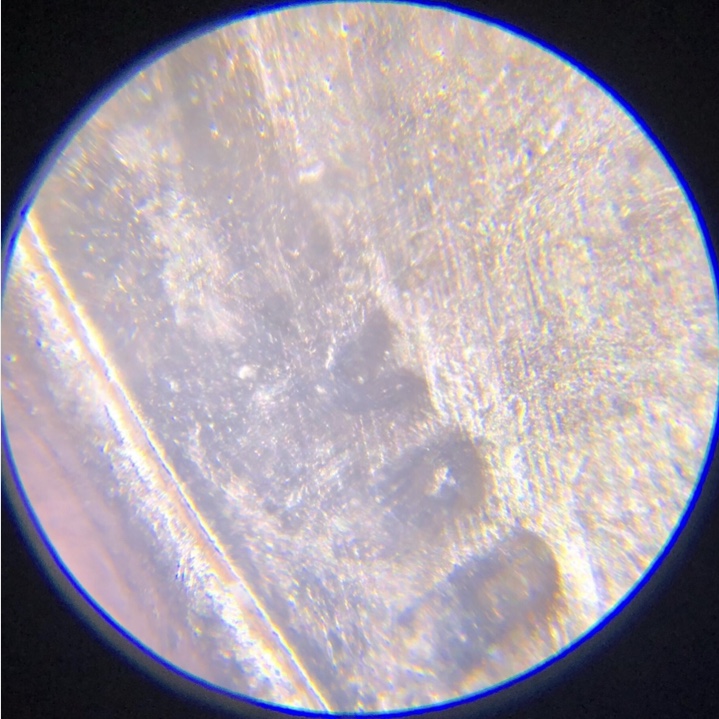
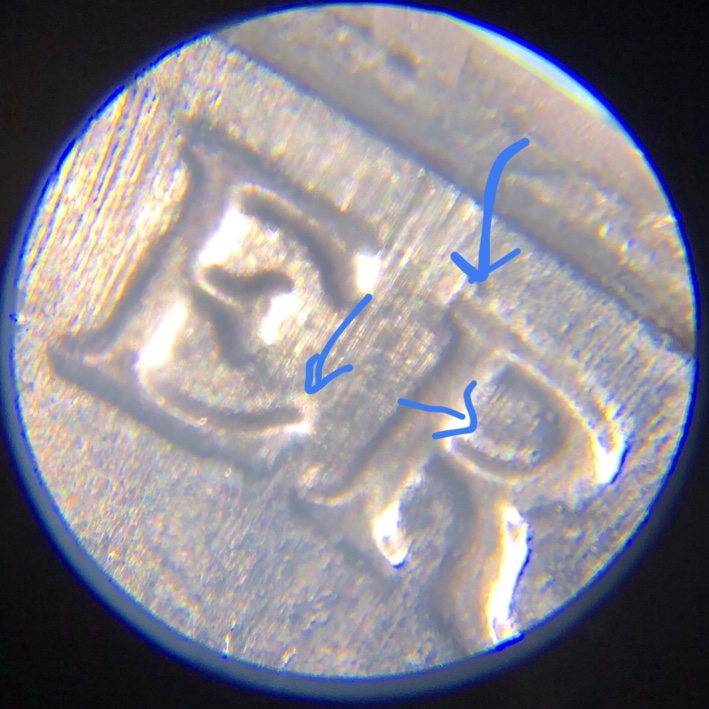
Not a candidate for above a MS65 for sure and that's what matters really with moderns. I'd agree with MS63. Ideally you'd be looking for a visually perfect coin, that is near perfect under magnification for any modern era coin, people have wasted quite a bit of money grading things that shouldn't be graded, gambling that the TPGer won't notice things. They will.
MS70: No imperfectons under high magnification. A perfect coin.
MS69: Any imperfection, hairlines, etc, are virtually undetectable under magnification. Finding business strike U.S. coins graded this high is rare.
MS68: A very prominent, well defined strike. Full mint luster. Outstanding eye appeal. No visible marks of any nature are present on the coins primary surfaces under average magnification power. A coin with outstanding surface quality.
MS67: Above average strike. Full mint luster and attractive eye appeal. A few tiny marks may be present and even one single hidden mark near or at an important design area of the coin may exist. No more than one significant mark.
MS66 and lower generally wouldn't be worth the grading fees.
Also please correct me if I'm wrong, but "High Magnification" used to be like 5x magnification. and "magnification" used to mean like 2x magnification. Maybe even up to 7x at home yourself to detect things they likely won't, to give yourself a more critical selection to send for grading, but too much magnification for grading is a bad thing. you'll see things that aren't a big problem, looking like a big problem.
10x and above used only to check for signs of cleaning, or
Counterfeit Detection, minute variety attributions, ect. you might even want 20x-40x for that, but you should have a range from 2-4x and then as magnified as you want to go, to check even very small things like very minor die chips or
Machine Doubling.
I'm not a professional at all, just a hobbyist, so don't take my advice as gospel. It's just what I do and I still have much to learn after decades of learning.










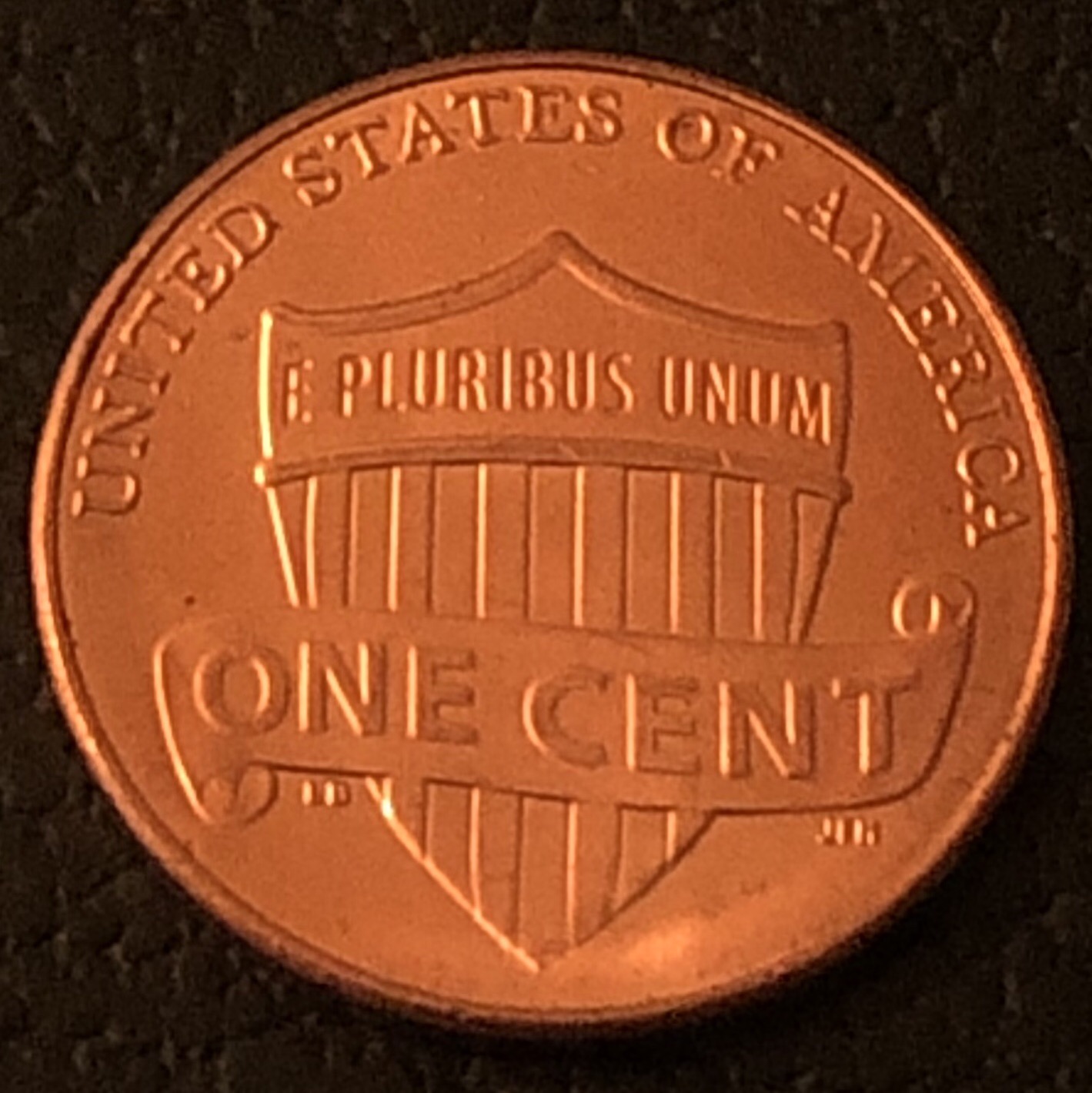
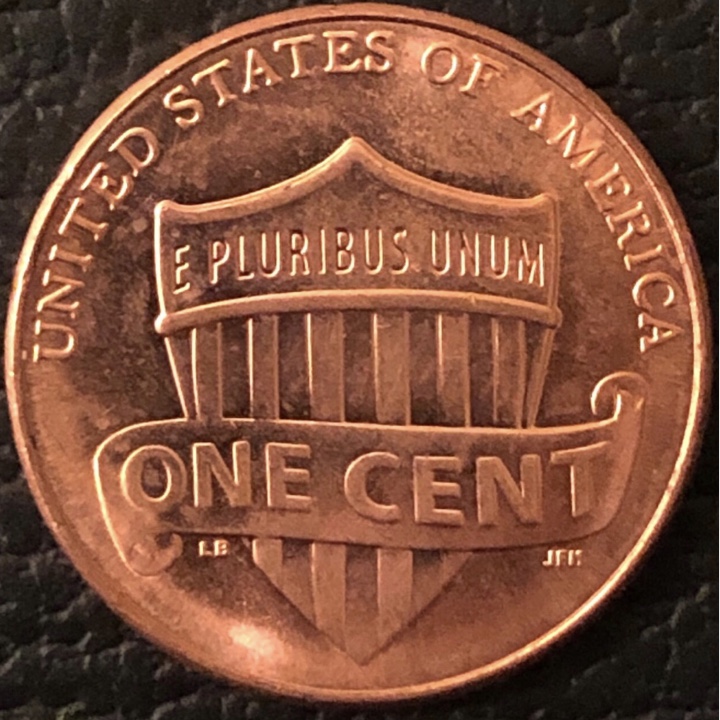
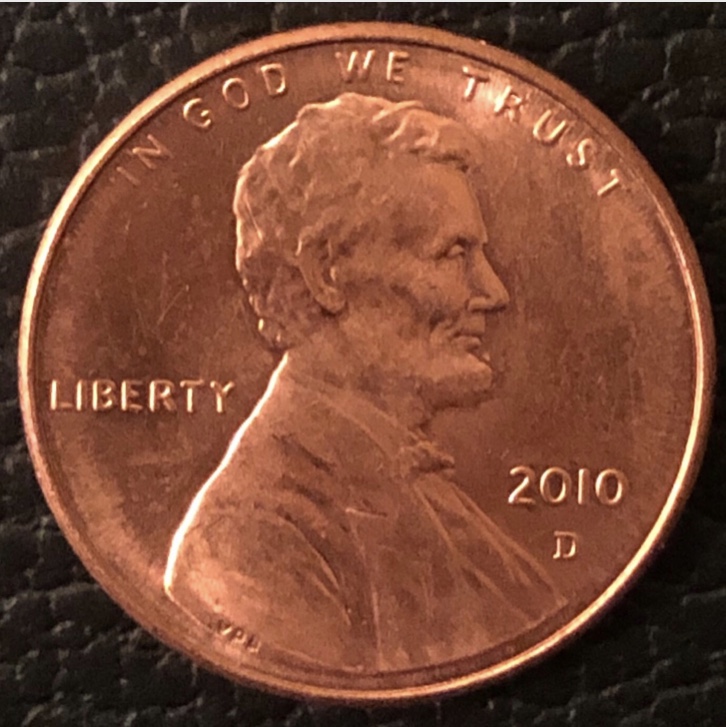
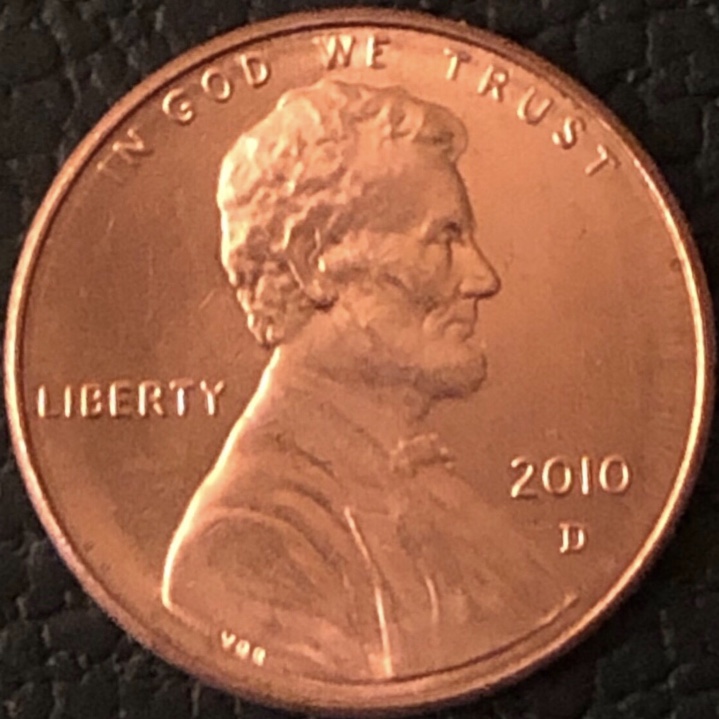


 Posted 05/29/2019 04:41 am