Quote:
What I'm wondering is whether a low number front plate identifier and a high plate number on the back plate identifier constitute a mule
In general, I think the answer is no, although there are mules that have a low/high combination of numbers.
I believe that most references will refer to a note as a mule when the back plate used for the note is from a different series than is normal for the note.
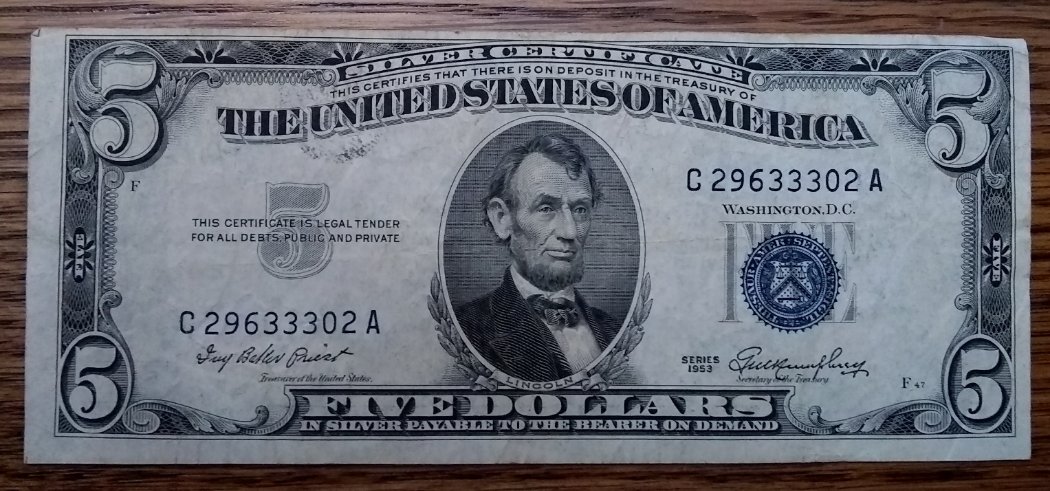
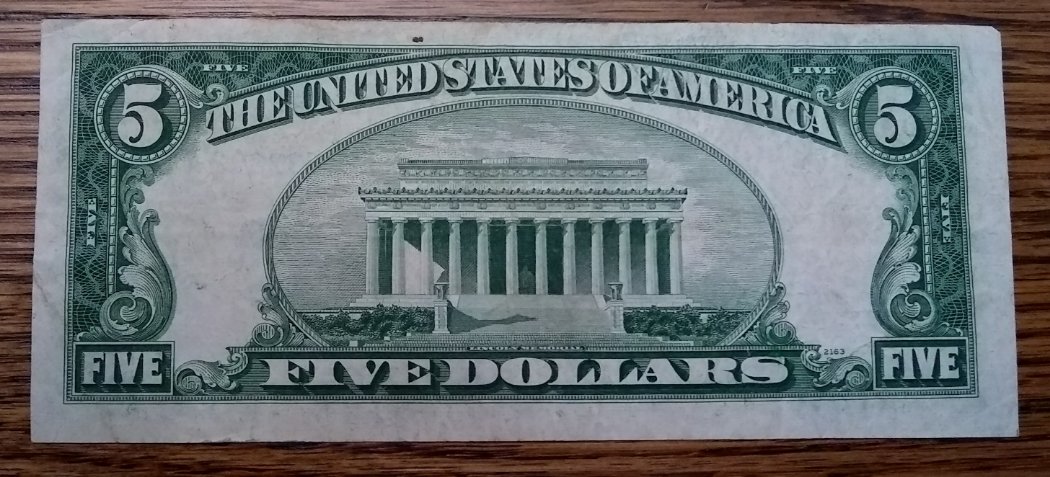
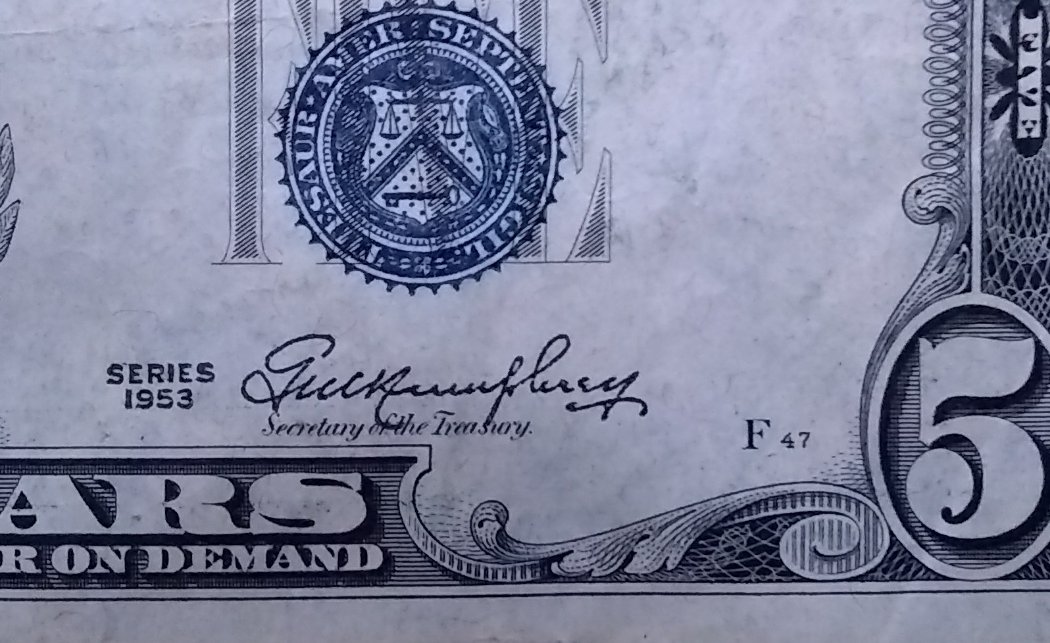
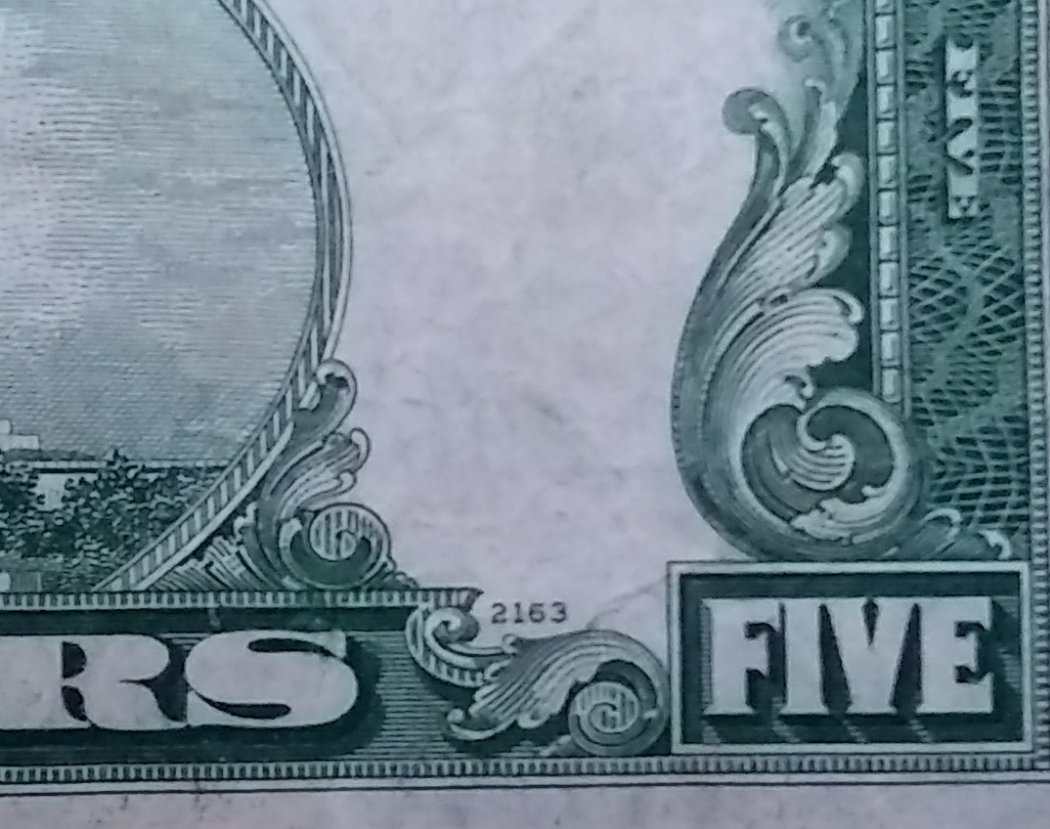
For example, your $5 SC is not a mule because the front plate #'s for this series start at 1 and the back plate #'s start at 2097. So, a combination of 47/2163 is normal for the series.
OTOH, a series 1934A $5 SC, for example, would be a mule if it had a front plate number from 1-561 and a back plate number of 938 or lower. So, if you had a 1934A $5 SC note with the combination of say 47/930 then it would be a mule and also happen to have the low/high plate combination you were wondering about, but another 1934A $5 SC mule might have a high/low combination of say 550/200.
Like Steve said, the
Standard Guide to Small-Size U.S.Paper Money 10th ed by Schwartz & Lindquist (earlier versions were by Oakes and Schwartz) provides the details of the front and back plate numbers used on small sized notes.
IMHO, this book is very good about discussing LTN & SC mules, but not so good with FRN mules. For instance, concerning 1963 $1 FRN notes it says,
Quote:
Face numbers begin at #1. Back numbers continued from silver certificates.
You then have to determine that the highest known back number for the 1953B series $1 SC is 447 and so a 1963 series $1 FRN with back number of 447 or lower is a mule, but the book doesn't specifically address this.










 Posted 08/15/2019 10:50 am


