This is a good example how the definition given to
Mechanical Doubling is taken too literal and not fully understood by many. I have written an article in 2012 about this and here is the introducing paragraph:
"After reading most articles found on the web concerning doubled die varieties, I have come to the conclusion that some clarification is needed concerning
Mechanical Doubling.
Most people identify
Mechanical Doubling using the following definition that can be found on Wexler's doubledie.com website; "The primary characteristic of
Mechanical Doubling is that the secondary image (doubling) has a flat, shelf-like appearance." The problem I had with this definition is the word "primary". Although it is a characteristic of
Mechanical Doubling, it should not be
the characteristic used in evaluating this type of doubling. There is another characteristic most people overlook, that should be considered,
the location of the apex's edge and the size of the coin's relief."
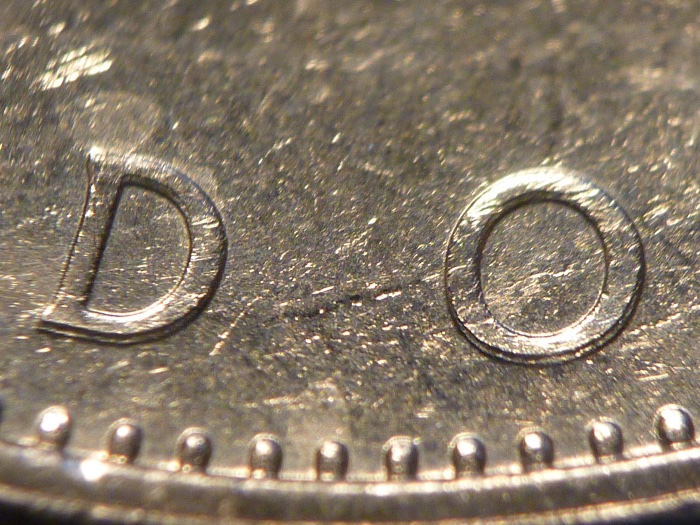
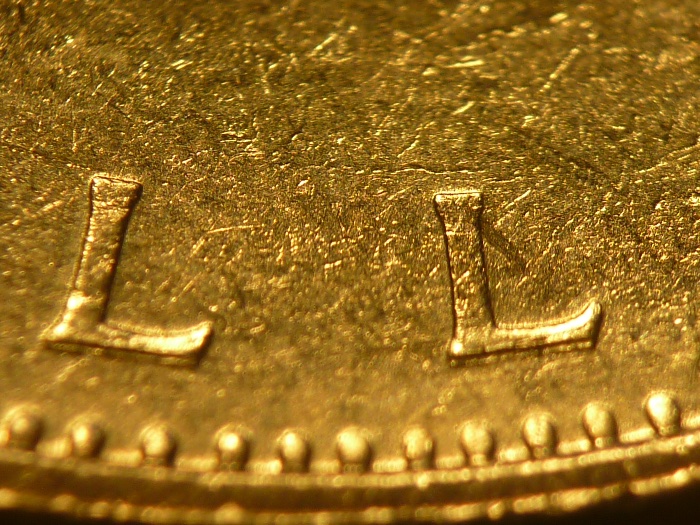
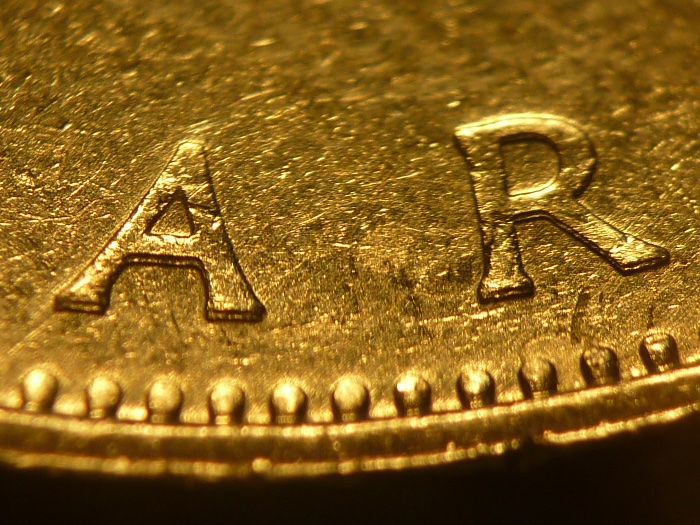
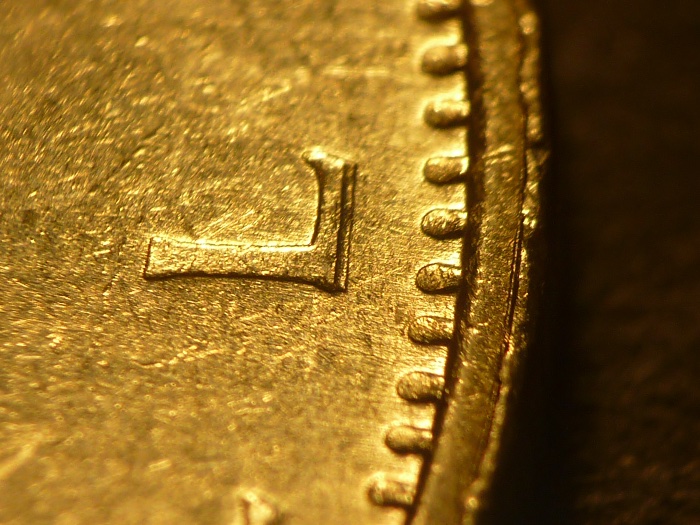
So SPP, when you have the time, to properly identify the type of doubling, take your microscope out and take a picture of a coin you suspect having doubling and a picture of a coin that does not have doubling. Do not touch the setup such that the pictures are taken in the same angle and same lighting!
Post those pictures and I will demonstrate how to figure out if it is a MDD or WDD.
Edited by numidan
09/28/2019 09:35 am











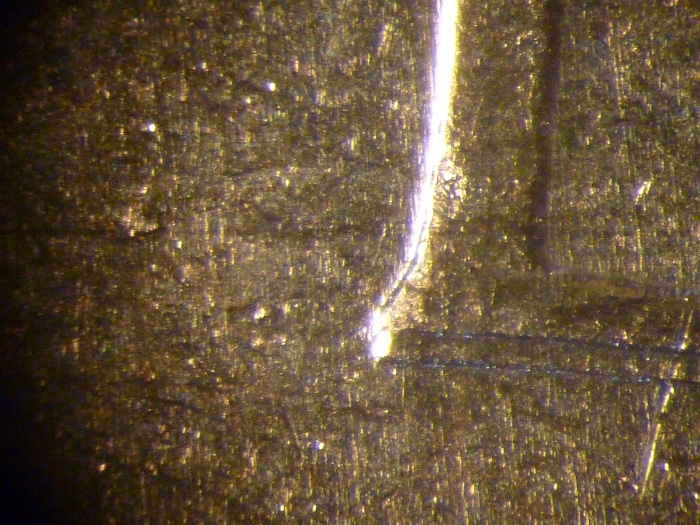
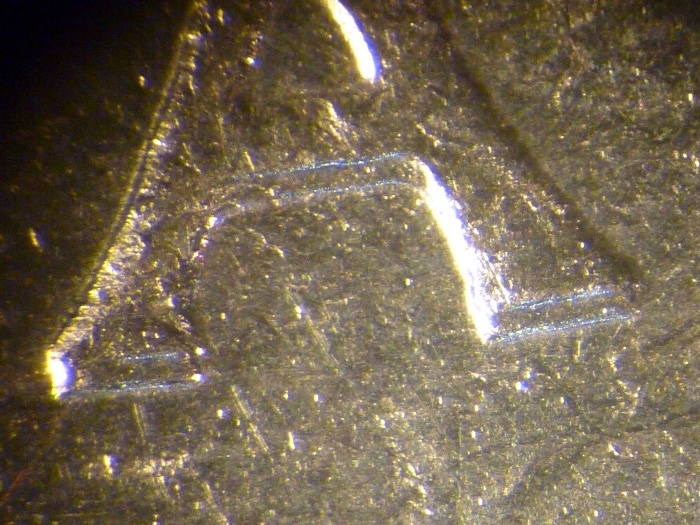


 Posted 09/27/2019 10:13 am


