| Author |
 Replies: 11 / Views: 4,340 Replies: 11 / Views: 4,340 |
|
|
New Member
United States
3 Posts |
Ok so I have one of these pennys also except where the idea of acid to help his to look this way mine doesn't have that "wear". In the pictures of both obverse and reverse you will notice the lack of damage (atleast in my opinion) and the dd rim error on the obverse. Opinions compleatly welcomed and appreciated, maybe this is one that actually slipped by and got out let me know what yall think thanks. 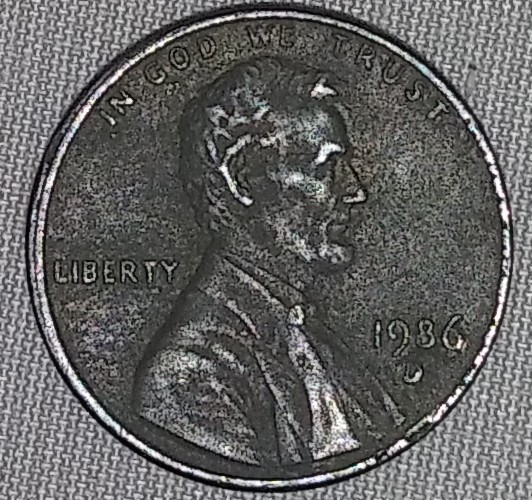 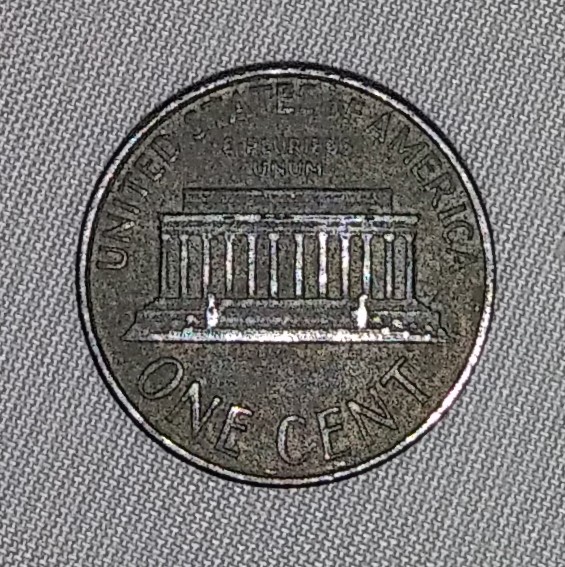 |
|
|
|
Moderator
 United States
56855 Posts |
 to CCF Drazen19. You need to start your own thread. Your coin is environmental damage. John1  |
|
Moderator
United States
195559 Posts |
to the Community! Your reply was split into its own topic for the proper attention.  |
|
Bedrock of the Community
United States
62064 Posts |
Looks like one of the altered examples with coating with zinc over the plating. There are videos on how to do this on YouTube. Spendable.
|
|
Moderator
United States
56855 Posts |
Weight would tell us. John1 |
|
Bedrock of the Community
United States
17884 Posts |
Weight will most likely tell you nothing. The rough surfaces are enough to preclude the coin from ever being determined to have been a non-plated planchet. It is not going to pass for non-plated unless it it AU or Unc and shows mint luster.
|
|
Bedrock of the Community
United States
62064 Posts |
But if the coin was coated in zinc, it would increase the weight.
|
|
Moderator
United States
56855 Posts |
That is my thought as well. John1 |
|
New Member
 United States
3 Posts |
Picture sucks surface is smooth not rough it weighs 2.5g
|
|
New Member
United States
3 Posts |
And that is wat a 1986 penny should weigh correct?
|
|
Moderator
United States
56855 Posts |
Yes. So it is not a replated coin and not missing the copper plating error coin,but a environmental damaged coin. John1 |
|
Bedrock of the Community
United States
17884 Posts |
Quote:
But if the coin was coated in zinc, it would increase the weight. Increase it from what? You have no idea what the coin weighed in the first place. A typical plating will increase the weight by about .05 grams (assuming it isn't plated so heavily that it isn't instantly obvious). So if you start with a coinin the normal tolerance range, 2.4 to 2.6 grams, you end up with a coin that weighs 2.45 to 2.65 grams. Notice that most of that range lies inside the tolerance range for a normal cent. So what does the weight tell you? You still have the problem that the coin has no mint luster (at least that I can see). Without that it is not going to get authenticated as a non-plated planchet. |
| |
Replies: 11 / Views: 4,340 |
|










 Posted 11/05/2019 12:02 pm


