| Author |
 Replies: 12 / Views: 3,402 Replies: 12 / Views: 3,402 |
|
|
Valued Member
United States
225 Posts |
Okay, this one I have had a question since I've seen this. I have multiple 1965's and not all have the split serif on #5 on the date. I have looked into other images and I'm not sure if this is a DD, RPM or what. Can anyone tell me I this is a know scenario, I also find the condition of the coin pretty nice...anyone have an idea of condition?    |
|
|
|
Bedrock of the Community
United States
78832 Posts |
That's normal. It's part of the design.
Errers and Varietys.
|
|
New Member
United States
28 Posts |
Question: Do all 1965s have this design element? Or just certain dies have it?
|
|
Moderator
 United States
56855 Posts |
I believe it is part of a normal die that will show differently on each coin depending on the strike and wear of the die.Grade looks like maybe AU-55? John1  |
|
New Member
United States
28 Posts |
|
|
Pillar of the Community
United States
2376 Posts |
The attributor for Coppercoins lists it as master die doubling. This doubling carries no premium.
|
|
Valued Member
 United States
225 Posts |
Thank all,
Hey John, here is what confuses me...when I compare this coin to the 1965 RD on line (PCGS / Herritage etc.) and I zoom in to look at their Graded / Sold 67 - 67+'s they seem to have more dings, scratches and flaws than this one above. You say AU55 and I respect that due to your history but my question is how can coins that look better than on line get such less of a grade? That's what keeps my wall up about submitting coins to get graded. I've been in the sales industry for over 30 years, could it be that the grading companies want you to think that a slightly damaged coin is a 67 - 68 but when you send a better version in...you get a low grade. Again, I'm not doubting your feedback I'm just confused. Blueridge had the same concern last year.
Edited by 103070
01/04/2020 11:42 pm
|
|
Bedrock of the Community
United States
62064 Posts |
They are all like that: 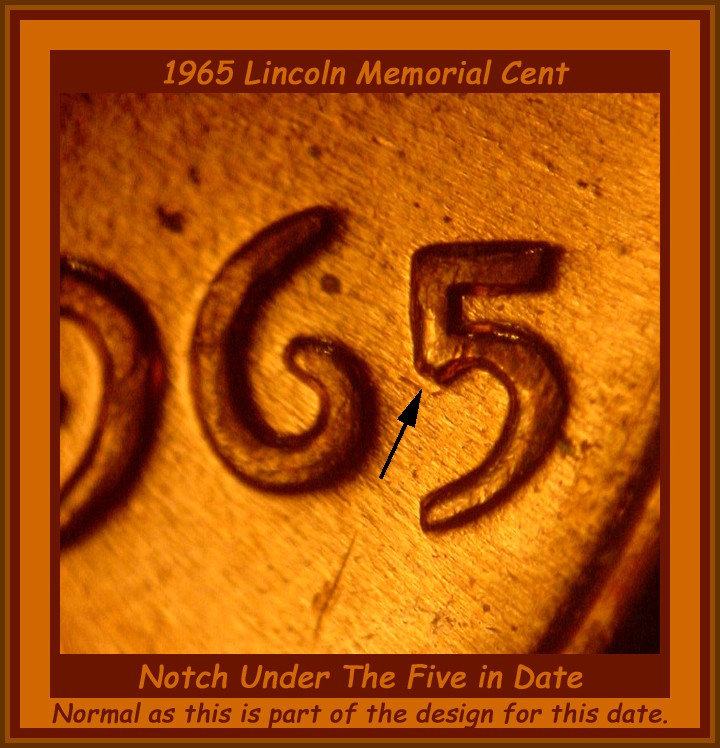 From all four mints. |
|
Moderator
United States
56855 Posts |
103070, First let me say that I am not that good at grading.If you want to learn grading, here is a good start https://www.PCGS.com/Photograde/TPGs grade mostly on a technical grade and to a lesser degree eye appeal,if that helps you any. John1 |
|
Valued Member
United States
225 Posts |
Thank you....I use that a lot, along with going against SOLD pieces on Heritage and PCGS examples. So I triple check before putting any grade on my slabs and even then I tend to low ball. I also count the dings / abnormalities, abrasions, coin strikes, and spots on the images compared to my pieces. From what I understand, those are best practices to use.
Edited by 103070
01/05/2020 7:59 pm
|
|
Bedrock of the Community
United States
62064 Posts |
Reductions need to be considered when events happen to coins in the wild. Even sever contact mark can turn a nice coin into a damaged cull coin regardless of die state it matches. Even spots can reduce eye appeal:  Note on this one. The spot dropped the grade a lot. Reverse looks great. Just a spot on the obverse. 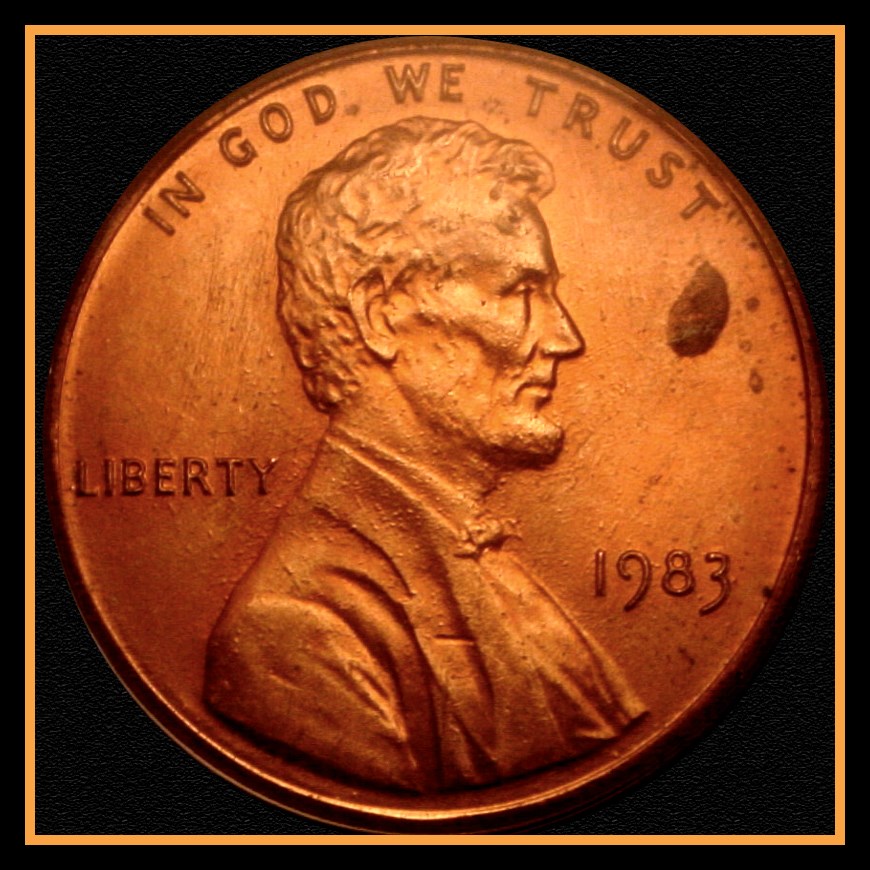 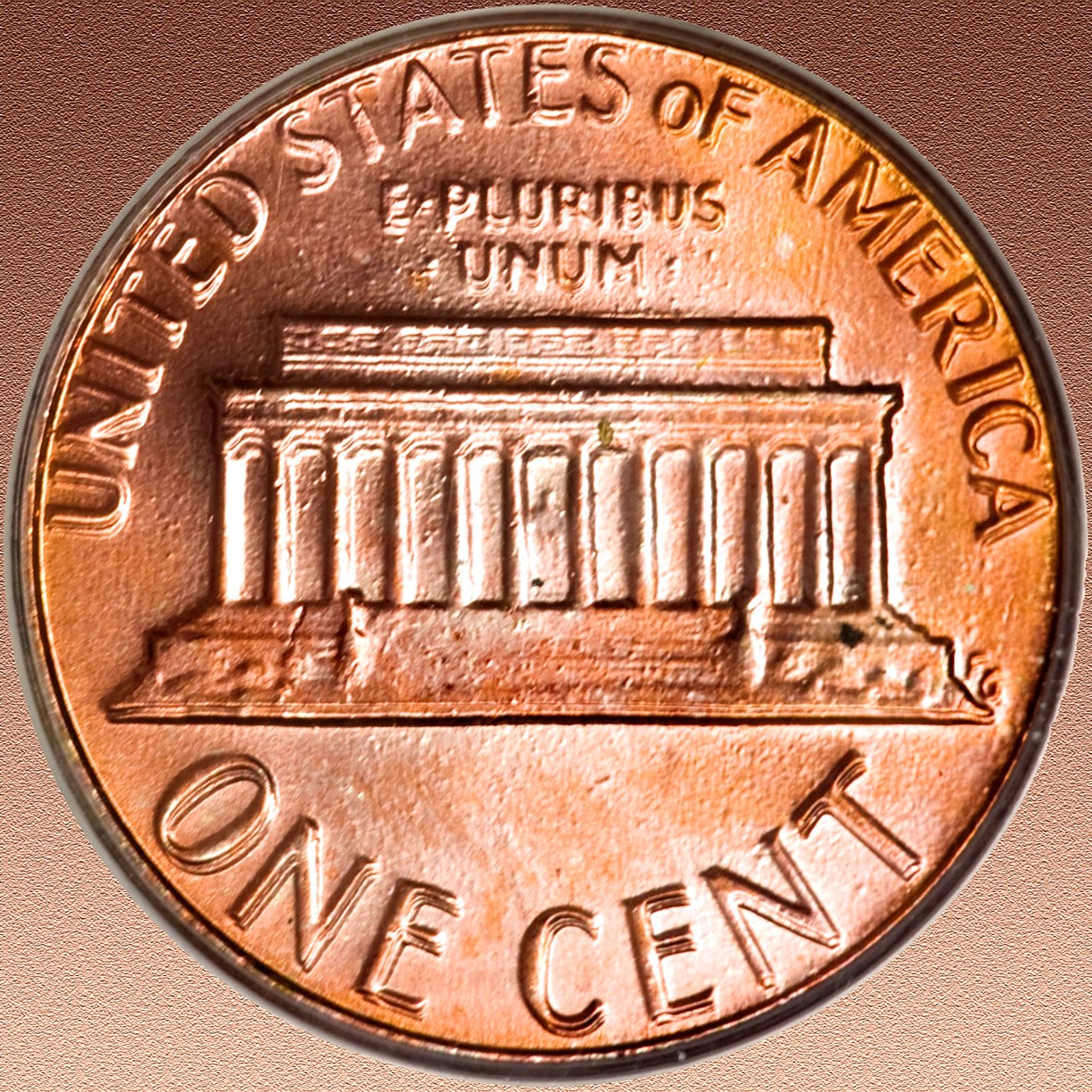 Edited by coop
01/05/2020 2:10 pm
|
|
Pillar of the Community
United States
715 Posts |
103070, I for one would be interested to see what people say if you were to post this coin to the grading forum: http://goccf.com/f/25. I would have guessed more like a ms64/65, but I'm also no expert at grading, either. |
|
Valued Member
United States
225 Posts |
Thank you I will try that
|
| |
Replies: 12 / Views: 3,402 |
|







 Posted 01/04/2020 04:01 am





