First Page
 Previous Page




 Posted 07/02/2020 06:11 am


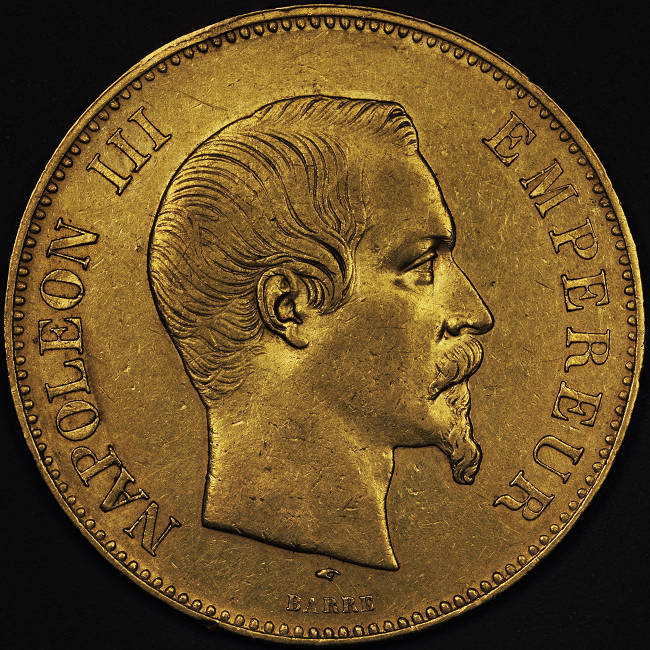
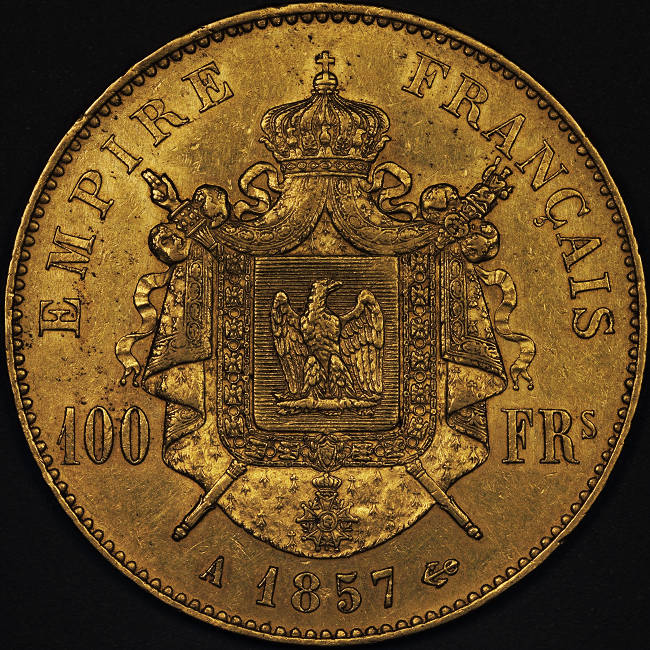
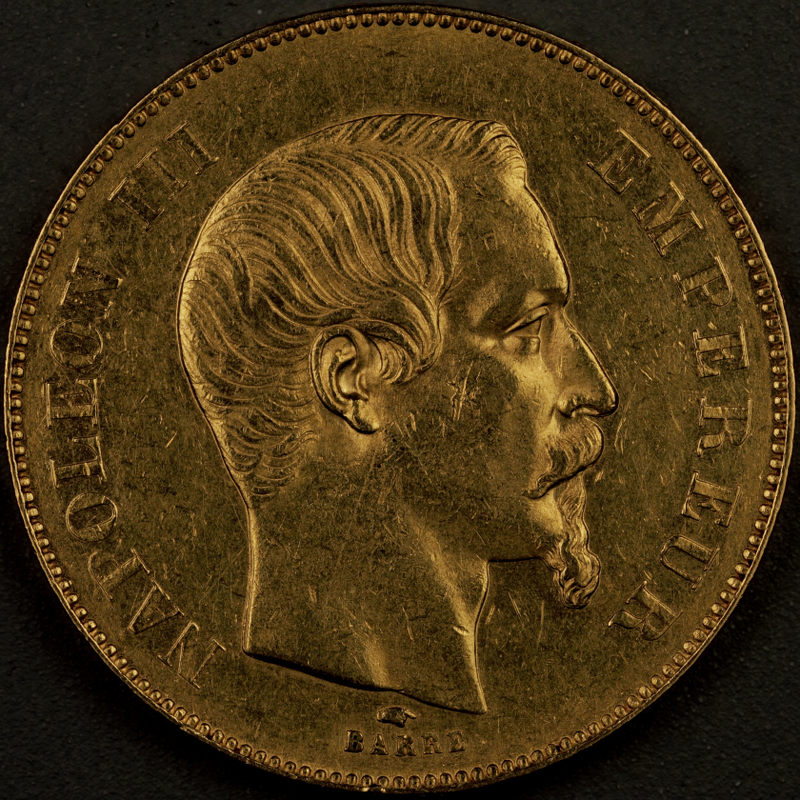
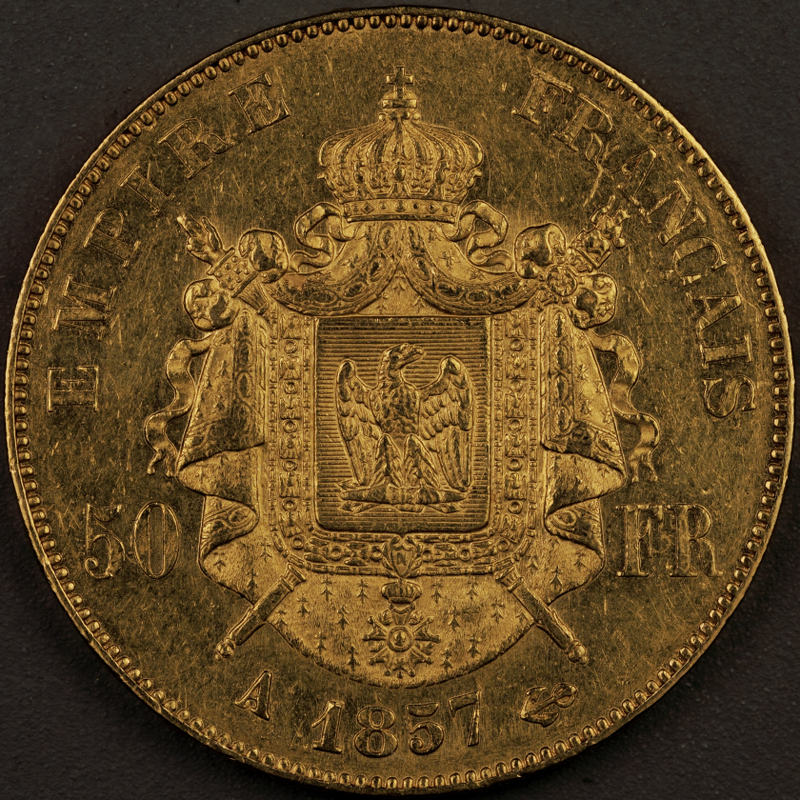
Interesting Tornesi, NumisRob. And that is a cute Maundy penny, Princetane! And French gold is of course never wrong - magnificent 50 francs piece, pepactonius!
There haven't been many Swedish coins here lately (and there aren't many from me either), but here is one.
Sweden 1857, Oscar I, 1 riksdaler specie / 4 riksdaler riksmynt

This 34 g silver piece has a double denomination: 1 Rd. Spec. / 4 Rd. Riksm.
Riksdaler Specie can be freely translated as "National Dollar Specie" or, since Sweden had a silver standard, even more freely as "National Dollar Silver". Like the US dollar it has its roots in the silver thaler of previous centuries and its silver content is about the same as a US silver dollar.
Riksdaler Riksmynt would be something like "National Dollar National Coin" (it comes out better in Swedish...) and that denomination was originally only issued as banknotes by the Treasury (but then called Riksdaler Riksgälds, "National Dollar National Treasury"), beginning 1789. Not properly backed by silver, it successively lost value until 1830, when the rate to the Riksdaler Specie was fixed to 4:1. The coinage reform of 1873 changed the name to Krona ("Crown").
Until 1855 there was also Riksdaler Banco ("National Dollar Bank"), only issued as banknotes at the rate 2 2/3:1 to the Riksdaler Specie.
Now you may have got more information than you wished about the intricacies of Swedish 19th century coinage, but should you ever end up in a discussion on the subject, dropping those terms now and then will make you seem pretty well informed.
There haven't been many Swedish coins here lately (and there aren't many from me either), but here is one.
Sweden 1857, Oscar I, 1 riksdaler specie / 4 riksdaler riksmynt
This 34 g silver piece has a double denomination: 1 Rd. Spec. / 4 Rd. Riksm.
Riksdaler Specie can be freely translated as "National Dollar Specie" or, since Sweden had a silver standard, even more freely as "National Dollar Silver". Like the US dollar it has its roots in the silver thaler of previous centuries and its silver content is about the same as a US silver dollar.
Riksdaler Riksmynt would be something like "National Dollar National Coin" (it comes out better in Swedish...) and that denomination was originally only issued as banknotes by the Treasury (but then called Riksdaler Riksgälds, "National Dollar National Treasury"), beginning 1789. Not properly backed by silver, it successively lost value until 1830, when the rate to the Riksdaler Specie was fixed to 4:1. The coinage reform of 1873 changed the name to Krona ("Crown").
Until 1855 there was also Riksdaler Banco ("National Dollar Bank"), only issued as banknotes at the rate 2 2/3:1 to the Riksdaler Specie.
Now you may have got more information than you wished about the intricacies of Swedish 19th century coinage, but should you ever end up in a discussion on the subject, dropping those terms now and then will make you seem pretty well informed.
Edited by erafjel
07/02/2020 6:10 pm
07/02/2020 6:10 pm