| Author |
 Replies: 9 / Views: 2,105 Replies: 9 / Views: 2,105 |
|
|
Pillar of the Community
United States
3499 Posts |
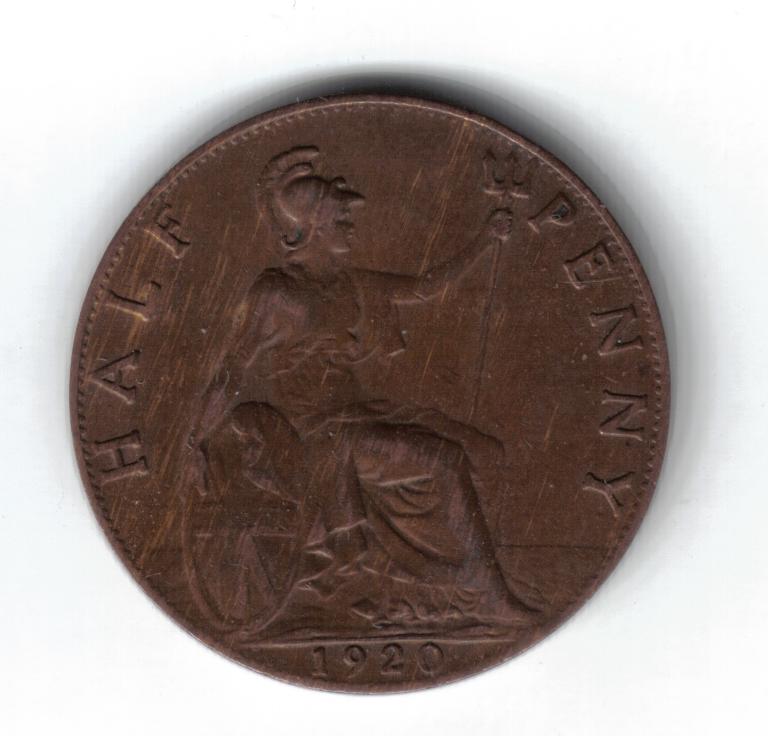
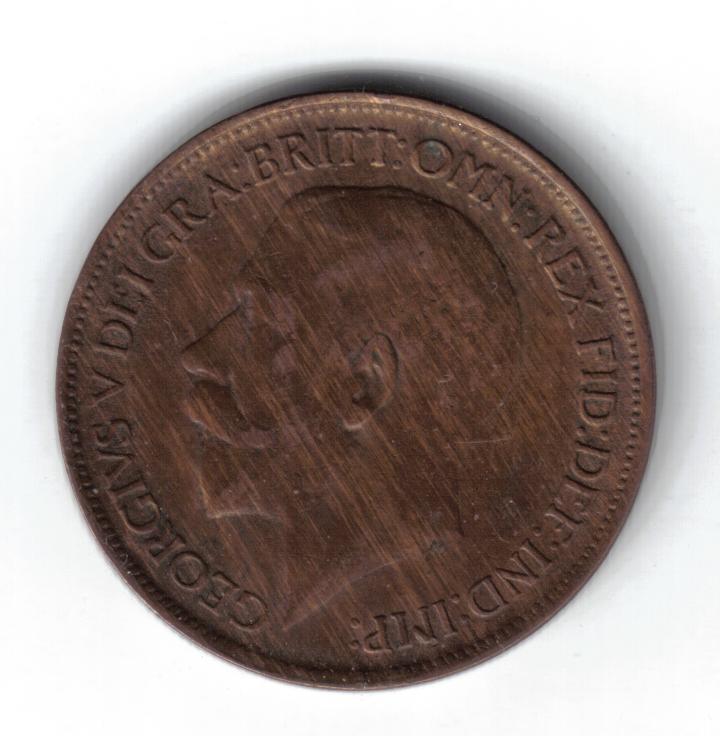
I was just wondering how a copper coin can acquire this sort of toning. When I had seen this type of toning in the past, I just presumed that the coin had been cleaned. Any info about this variety of toning would be appreciated! Just in case you have yet to see wood grain toning, here is an example: Image:  GreatBritainhalfpenny1920obv.jpg GreatBritainhalfpenny1920obv.jpg50.26 KB Image: GreatBritainhalfpenny1920rev.jpg53.91 KB Edited by Archraz
10/12/2008 12:02 am
|
|
|
|
Pillar of the Community
United States
819 Posts |
That type of toning is caused because the alloys in the planchet were improperly mixed. More than that I do not know, but it is very prevalent in the British and Commonwealth coins of that era.
|
|
Pillar of the Community
 United States
3499 Posts |
ElleKitty- ah that is good to know. So this does not affect the grade or value of a coin? I am really glad to hear that this type of toning is not caused by cleaning and retoning.
|
|
Bedrock of the Community
United States
20030 Posts |
It's also prevalent on early Lincoln cents. Copper coinage is normally a mixture of copper, zinc and tin. Often, the alloy was not well prepared (poor mixing) before it was rolled into sheets and planchets stamped out. During the rolling process, little bits of unmixed zinc/tin get smashed and rolled out, think of a rolling pin on dough with a spot of dye on it. As you roll it, the spot thins and elongates.  Now.... This effect happens because the oxidation properties are very different for zinc and tin. Copper is the most reactive, so it takes on a brown patina faster and more deeply than tin or zinc (which actually oxidize white). The streaks result from the copper being less abundant in the streak areas, those area's don't take on a deep brown patina like the higher ratio copper areas. Whew...hope my rambling makes sense.  |
|
Pillar of the Community
United States
3499 Posts |
BadThad- no you weren't rambling at all. That is actually quite fascinating. Thanks!
|
|
Valued Member
United States
295 Posts |
|
|
Bedrock of the Community
United States
20753 Posts |
On some Copper mixtured coins if such marks are primarily on the reverse it could be due to being in a folder. Not an album, but those type of folders where you can not see both sides. Streaky or grainy effects are sometimes from the glues used to make those folders and they are in a higher humidity location. Look at any such folder and you'll notice the rear of the slots is rather shinny from the glue. Commonly seen on many of the older Lincoln Cents since way, way back Albums hadn't been invented yet.
|
|
Pillar of the Community
United States
3499 Posts |
Thanks for the help, everyone!
|
|
Moderator
 United States
194816 Posts |
Quote:
Nice coin Archraz!  |
|
Pillar of the Community
United States
3499 Posts |
Thanks for the complements! Believe it or not, I found this one in a 25 cent box.
|
| |
Replies: 9 / Views: 2,105 |
|







 GreatBritainhalfpenny1920obv.jpg
 GreatBritainhalfpenny1920rev.jpg

 Posted 10/12/2008 12:51 am





