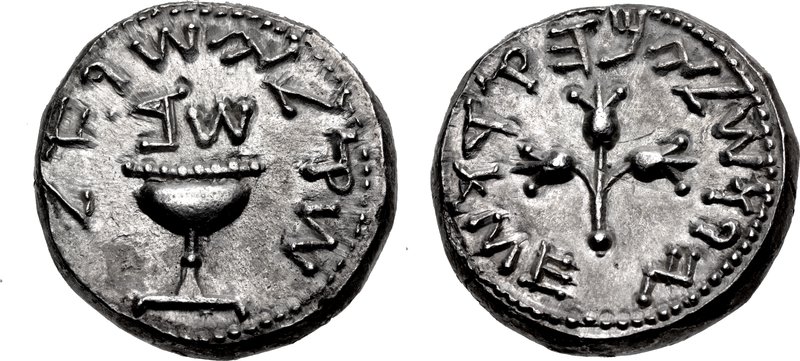
I think it may have originally looked like this:

Yours may have been made of brass, but many other metals have been used, including silver.
Some notes:
Modern fake "false shekel" fantasy coin loosely imitating Judaean coinage types of the first century AD. 9.0g, 33mm; struck AR
obv: (in Hebrew) SHEKEL OF ISRAEL censer with incense rising
rev: (in Hebrew) JERUSALEM THE HOLY rod of Aaron budding with almonds and leaves
Note that inscription is in modern Hebrew script.
So-called "false shekels" were produced (mostly) in Europe from the 15th to the 20th centuries. Some were produced as pilgrim mementos but many were made to deceive. The majority follow the design pattern seen here, though with variants, and they exist in a variety of metals.
cf: Kisch, Bruno: Historia Judaica, v3, no 2, pp67-101"
Also
"By 1840, many of the large medal and coin companies located in London England cast or struck these censer pieces and offered them to the public as religious pilgrims tokens or as true reproductions of the genuine shekel coin or of the biblical 'thirty pieces of silver'. Some of these tokens were fine examples of medallic art and the authors even included their names in the designs. A remarkable example, struck after 1880 carries the name SPENCER . LONDON under the chalice on the obverse. In correspondence with Mr. James B. Duncan of Auckland New Zealand, who owns an example of this token, it was suggested that Spencer, may have been associated with the London firm, Toye, Kenning and Spencer, Masonic jewelers and providers of Masonic ritual implements. It had been reported by Dr. Bruno Kisch that American Masonic lodges sometimes used false shekel tokens in their proceedings, but none of these are actually of the censer piece design. The London token may therefore have been a medallion used by an English Masonic chapter in their sacred rites."
False Shekels - American Israel Numismatic Association





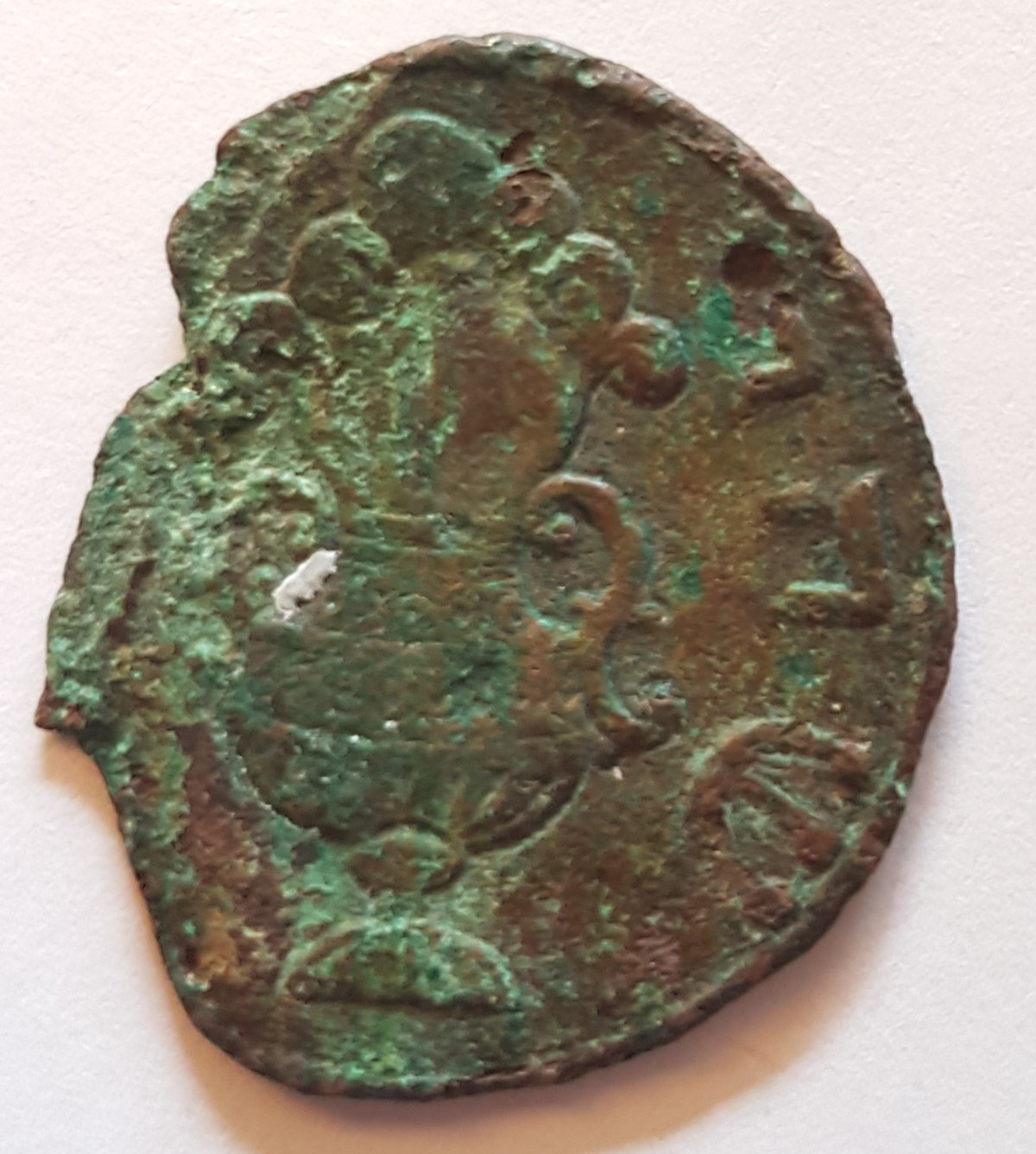
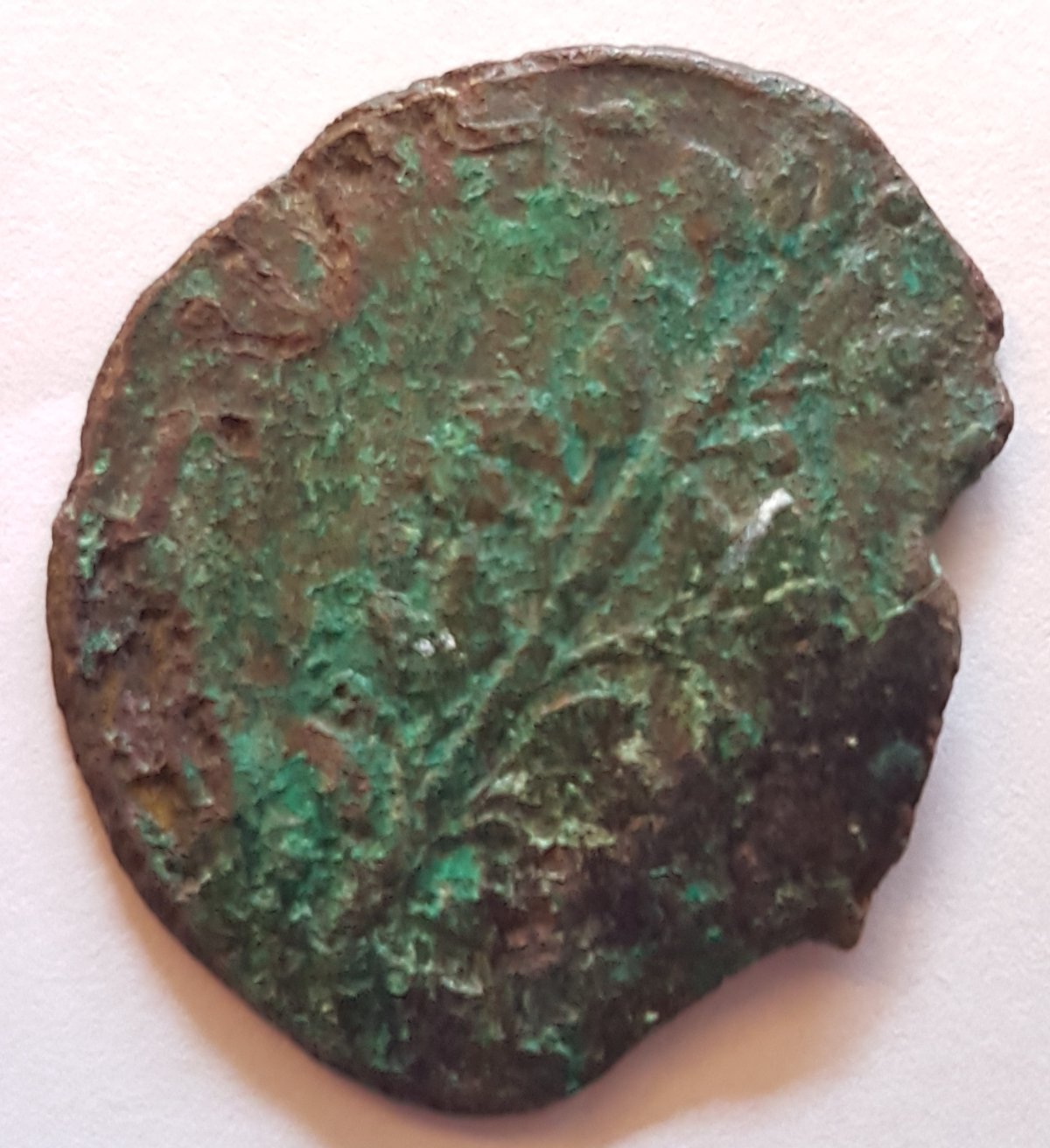


 Posted 02/22/2020 10:38 am




 To the Forum.