








 Posted 03/15/2020 08:43 am


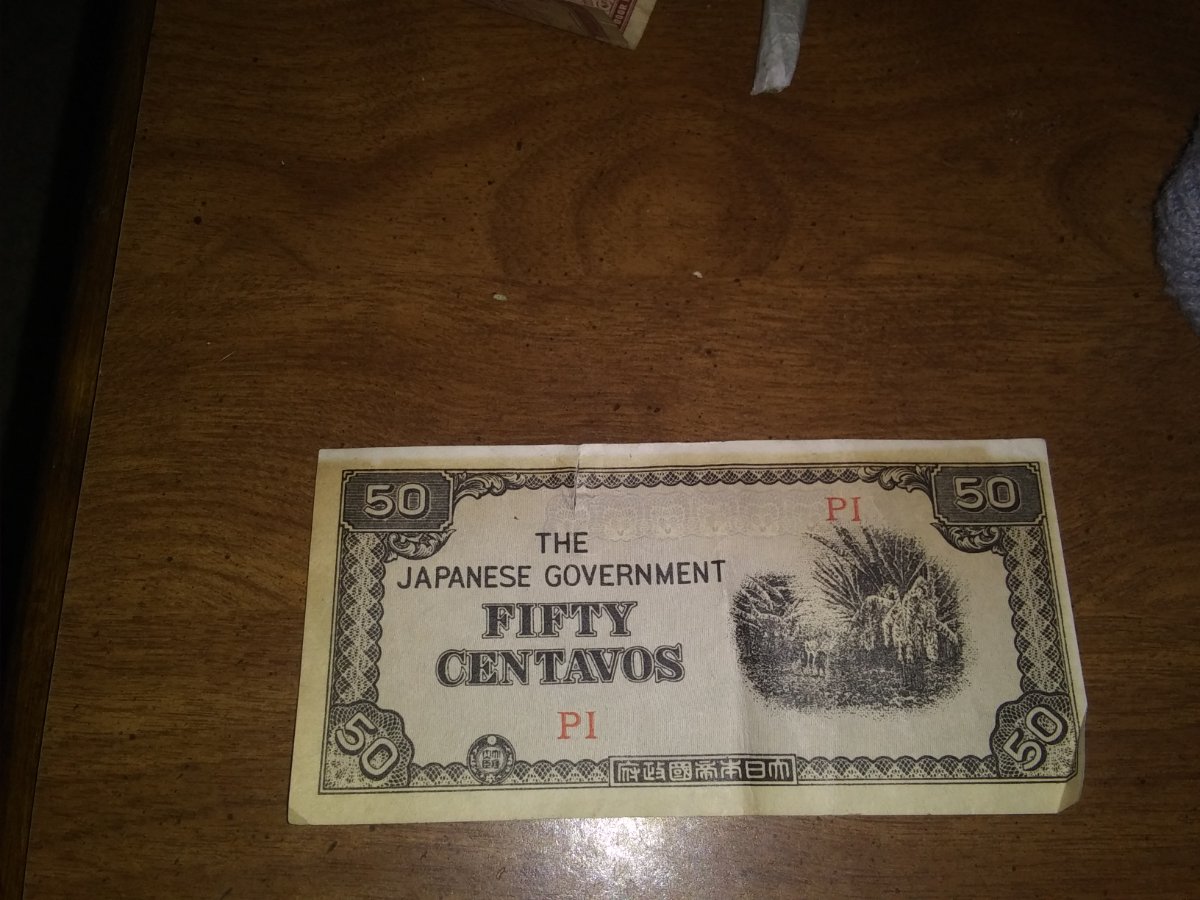
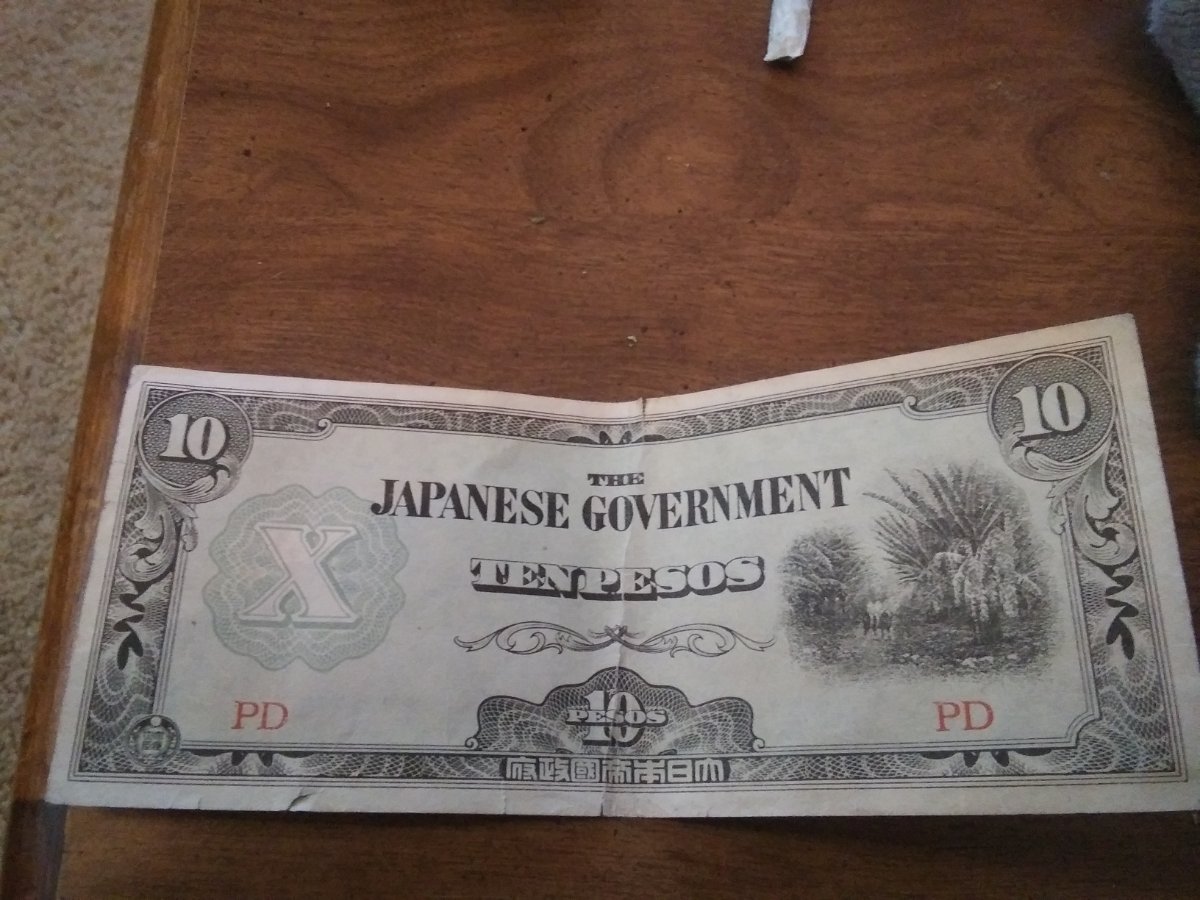
Yep. It's known as "Japanese Invasion Money", or JIM. You can obtain JIM from the five regions which Japan invaded during WWII:
- Burma (formerly part of British India), denominated in Cents and Rupees, plate-letter prefix "B".
- Malaya (formerly British), denominated in Cents and Dollars, plate-letter prefix "M".
- Oceania (former British possessions in south-western Pacific: New Guinea, Solomon Islands, Nauru, Gilbert & Ellis Islands), denominated in Shillings and Pounds, plate-letter prefix "O".
- Philippines (formerly American), denominated in Centavos and Pesos, plate-letter prefix "P".
- Indonesia (formerly Dutch East Indies), Dutch and later Indonesian language, denominated in Cents and Gulden (or later Roepiah), plate-letter prefix "S".
Japan also made occupation money for territories conquered in mainland China, but these are not normally called "JIM".
JIM was intended for use by the civilian population living under occupation; the occupying troops were paid in regular Japanese military currency, to prevent black market interactions with the locals. Refusing to accept JIM was punishable by death. While the value of the JIM currencies declined as the tide of war went against Japan, the Philippines saw the most serious inflation of the five regions, with the highest banknote value being 1000 pesos. Your two notes would have been virtually worthless by the time of the surrender. Many soldiers souvenired these notes at war's end.
The Japanese War Note Claimant Association of the Philippines was an organization that collected vast amounts of Philippine-JIM after the war, then attempted to compel either the Japanese, American or Philippine governments to redeem them for full face value. Unfortunately for JAPWANCAP, nobody was coming to the party; the US and Philippine governments saw the notes as being issued by the unrecognized puppet government of a hostile power and thus worthless, while the Treaty of San Fransisco got Japan off the hook in legally having to redeem the banknotes issued during the invasion; Japan was obligated to pay the formerly occupied nations reparations at a national, but not an individual, level.
- Burma (formerly part of British India), denominated in Cents and Rupees, plate-letter prefix "B".
- Malaya (formerly British), denominated in Cents and Dollars, plate-letter prefix "M".
- Oceania (former British possessions in south-western Pacific: New Guinea, Solomon Islands, Nauru, Gilbert & Ellis Islands), denominated in Shillings and Pounds, plate-letter prefix "O".
- Philippines (formerly American), denominated in Centavos and Pesos, plate-letter prefix "P".
- Indonesia (formerly Dutch East Indies), Dutch and later Indonesian language, denominated in Cents and Gulden (or later Roepiah), plate-letter prefix "S".
Japan also made occupation money for territories conquered in mainland China, but these are not normally called "JIM".
JIM was intended for use by the civilian population living under occupation; the occupying troops were paid in regular Japanese military currency, to prevent black market interactions with the locals. Refusing to accept JIM was punishable by death. While the value of the JIM currencies declined as the tide of war went against Japan, the Philippines saw the most serious inflation of the five regions, with the highest banknote value being 1000 pesos. Your two notes would have been virtually worthless by the time of the surrender. Many soldiers souvenired these notes at war's end.
The Japanese War Note Claimant Association of the Philippines was an organization that collected vast amounts of Philippine-JIM after the war, then attempted to compel either the Japanese, American or Philippine governments to redeem them for full face value. Unfortunately for JAPWANCAP, nobody was coming to the party; the US and Philippine governments saw the notes as being issued by the unrecognized puppet government of a hostile power and thus worthless, while the Treaty of San Fransisco got Japan off the hook in legally having to redeem the banknotes issued during the invasion; Japan was obligated to pay the formerly occupied nations reparations at a national, but not an individual, level.
Don't say "infinitely" when you mean "very"; otherwise, you'll have no word left when you want to talk about something really infinite. - C. S. Lewis

 to the Community!


