| Author |
 Replies: 7 / Views: 1,452 Replies: 7 / Views: 1,452 |
|
|
New Member
United States
8 Posts |
I'm not sure what this is, it might not even be a coin. It feels and looks like silver, and is not magnetic. Does anyone know what it is, or where it is from? I don't recognize the script. Thanks! Weight: 5.36g Diameter: ~1.1mm Thickness: ~27mm 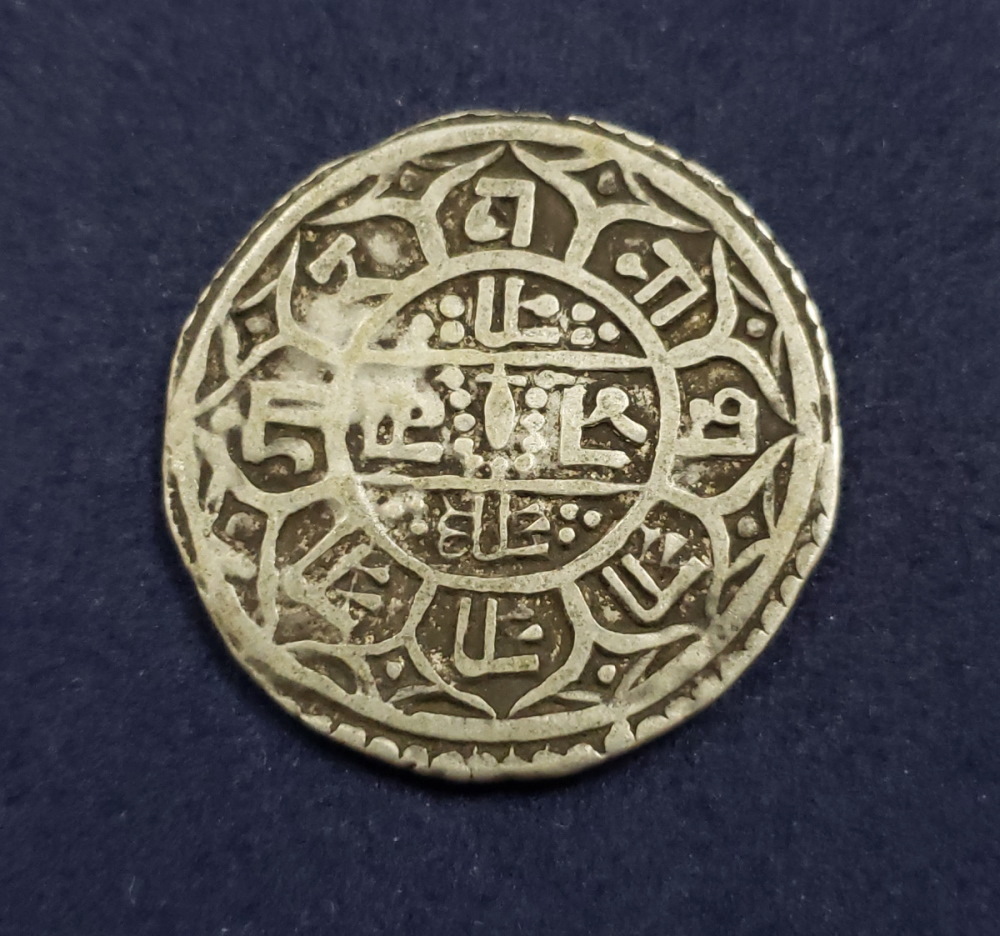 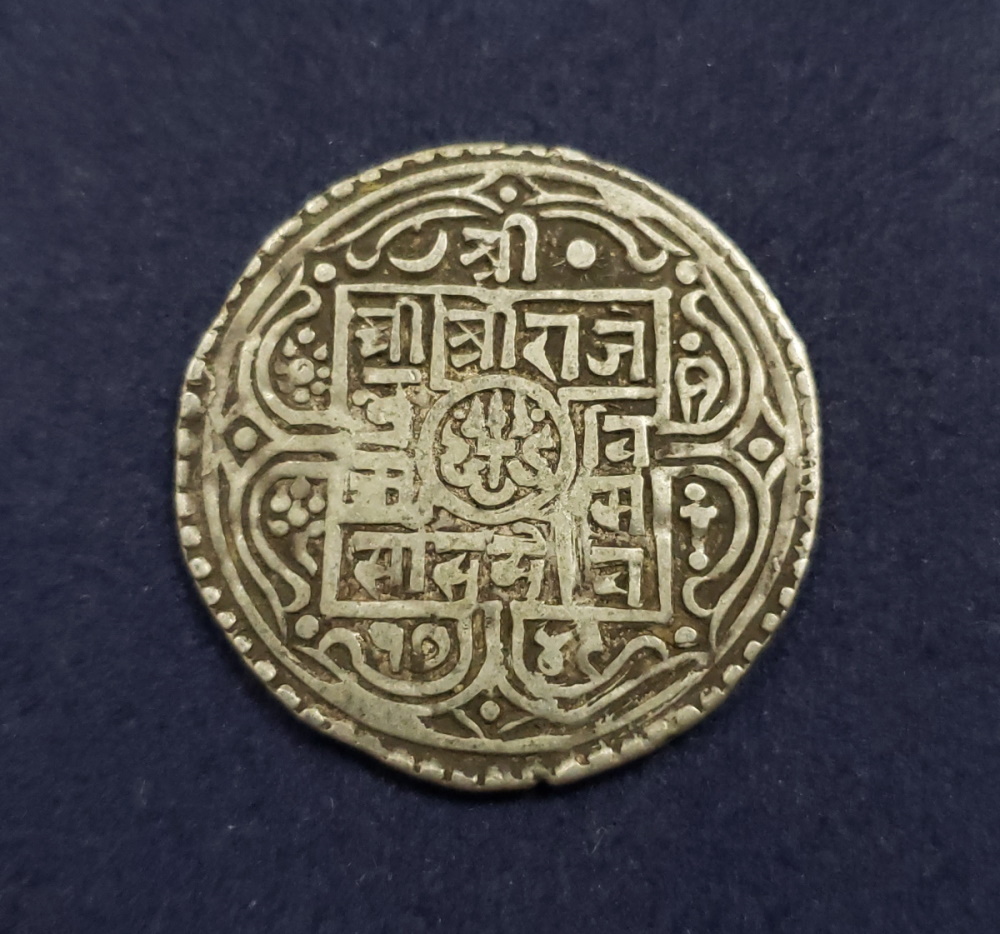 |
|
|
|
Pillar of the Community
Russian Federation
5186 Posts |
Looks Tibetan to me, but I'm not especially confident.
|
|
New Member
 United States
8 Posts |
|
|
New Member
United States
8 Posts |
|
|
Pillar of the Community
United States
6130 Posts |
Nepal mohar is correct. I can never remember the numerals, but I think 1700s.
|
|
New Member
United States
8 Posts |
Thanks for the confirmation! Looks like KM 565.2 to me. The date is below the box, I think it may read 1749? (sort of guessing on the last two digits) They used their own dating system though, so that translates to 1827.
|
|
Bedrock of the Community
Australia
21792 Posts |
Nepal produced the smallest coins in numismatic history. Krause notes a cut 1/4 Jawa, 2mm square, weight 0.002 gram, that's 1/500th of a gram !- A bit smaller than the One Tonne gold coin that the Perth Mint produced !  |
|
Pillar of the Community
Russian Federation
5186 Posts |
Quote:
I think it may read 1749? (sort of guessing on the last two digits) Comparing to digits on other Numista examples of Nepalese coins, 1749 seems right, though I hadn't confirmed that other digits don't look similar. And yes, they used a different calendar - the Saka era, incidentally (I believe) the oldest extant calendar era known to have been used continuously since its first century. |
| |
Replies: 7 / Views: 1,452 |
|










 Posted 04/03/2020 5:46 pm


