| Author |
 Replies: 12 / Views: 1,532 Replies: 12 / Views: 1,532 |
|
|
Pillar of the Community
United States
3281 Posts |
The obverse caught me off guard, so I flipped the coin to its reverse and I can't tell if this would qualify as the reverse also having a MAD. It's very slight, but it's there. 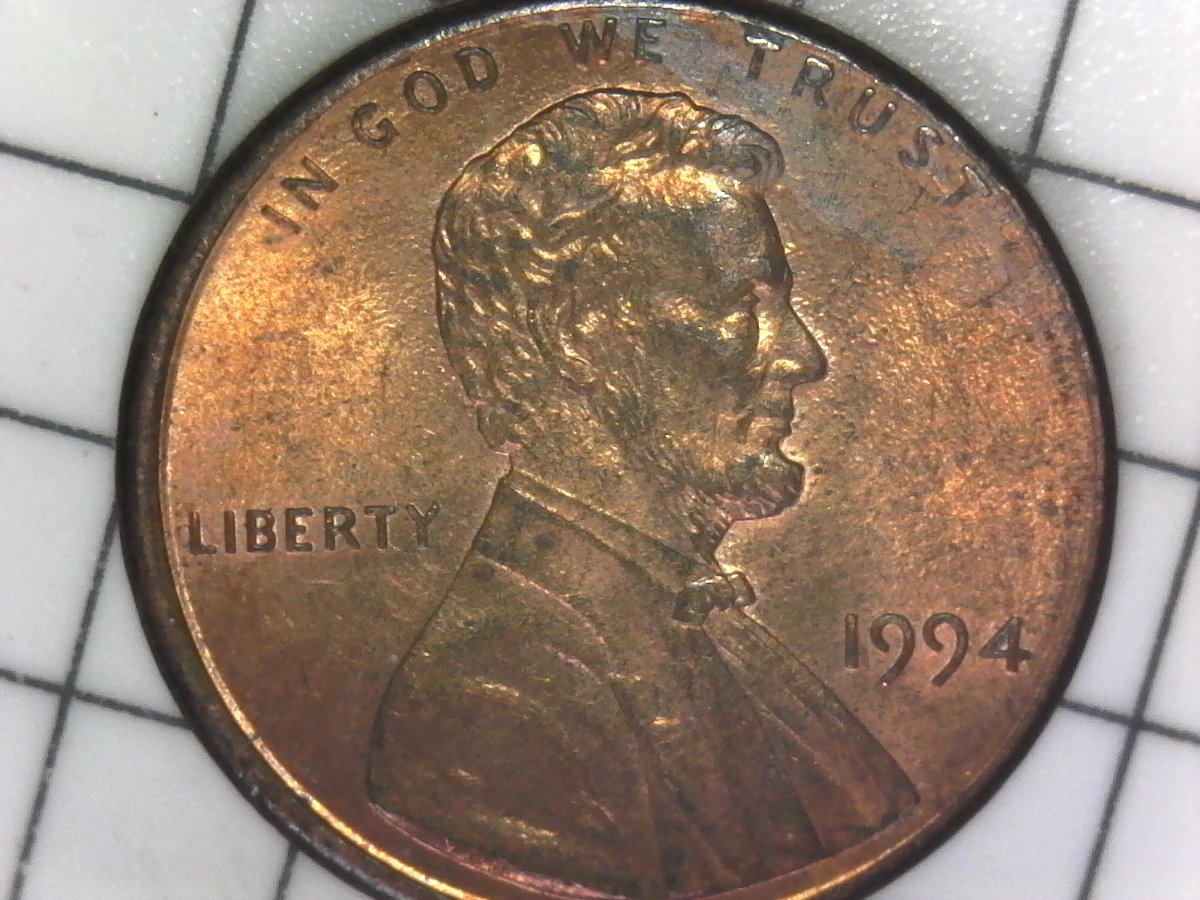 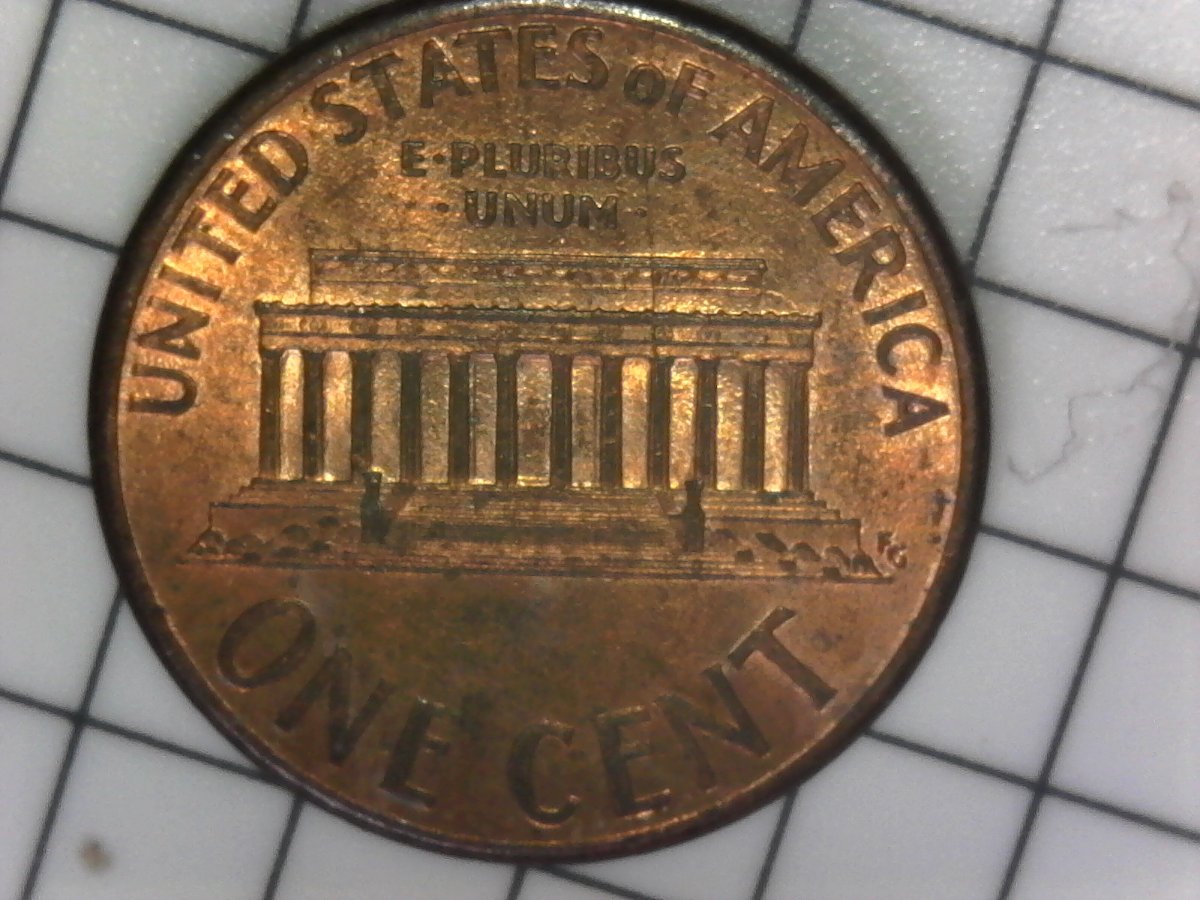 |
|
|
|
Pillar of the Community
United States
3237 Posts |
Possibly, but doubt it would add any value since neither is significant enough to push the fields or any design elements over the border. Looks like an okay die crack just east of 12 o'clock on the reverse too.
|
|
Pillar of the Community
 United States
3281 Posts |
Thanks Sam, was thinking the same thing.
I'll save it in a 2x2 for the time being.
|
|
Bedrock of the Community
United States
62064 Posts |
the proper term for this is MAD. (Mis-Aligned-Dies) These are common, but look for the ones where the devices fall ofver the edge of the coin: 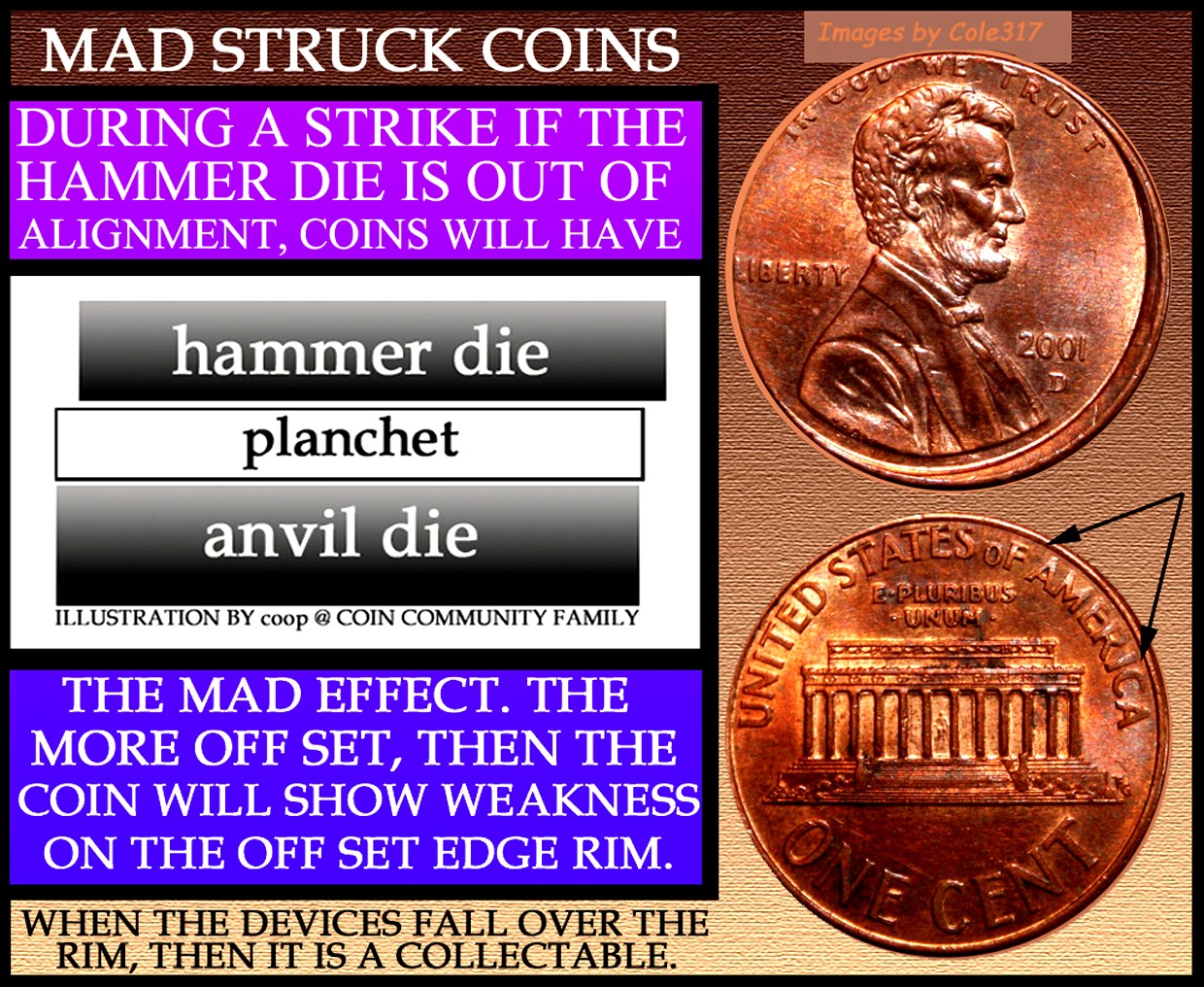 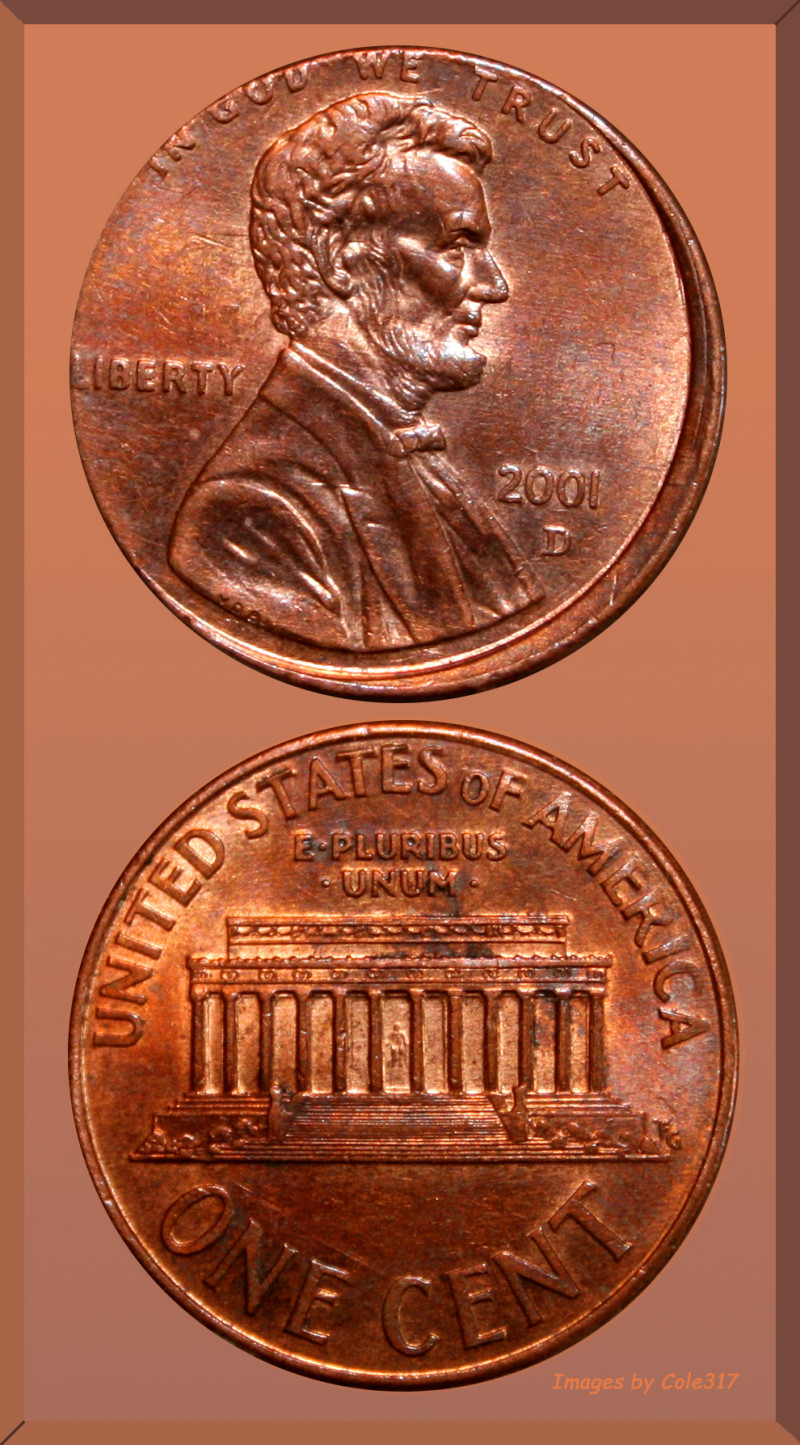 Those are the ones to save. These are a misalignment of the hammer die. The anvil die is not adjustable. Just the hammer die. When it is not in correct alignment, then we have coins like this OP's coin. |
|
Pillar of the Community
United States
3281 Posts |
Thank you Coop.
The reason why I called this a Bifacial Misalignment was because it looked like BOTH sides, the obverse and reverse were MADs.
|
|
Pillar of the Community
United States
2752 Posts |
Dual or bifacial misalignments do exist, but this is not one of them. The position of each face is within acceptable limits as far as I'm concerned. Major bifacial misalignments require the coin to be broadstruck or accompanied by a broken collar. Here's one of several examples that I own: 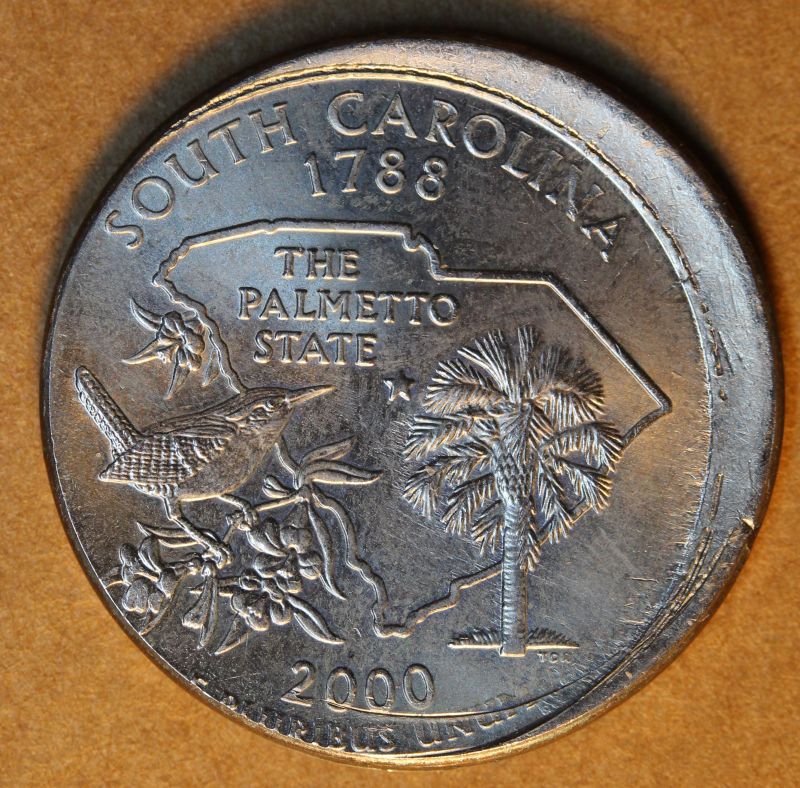 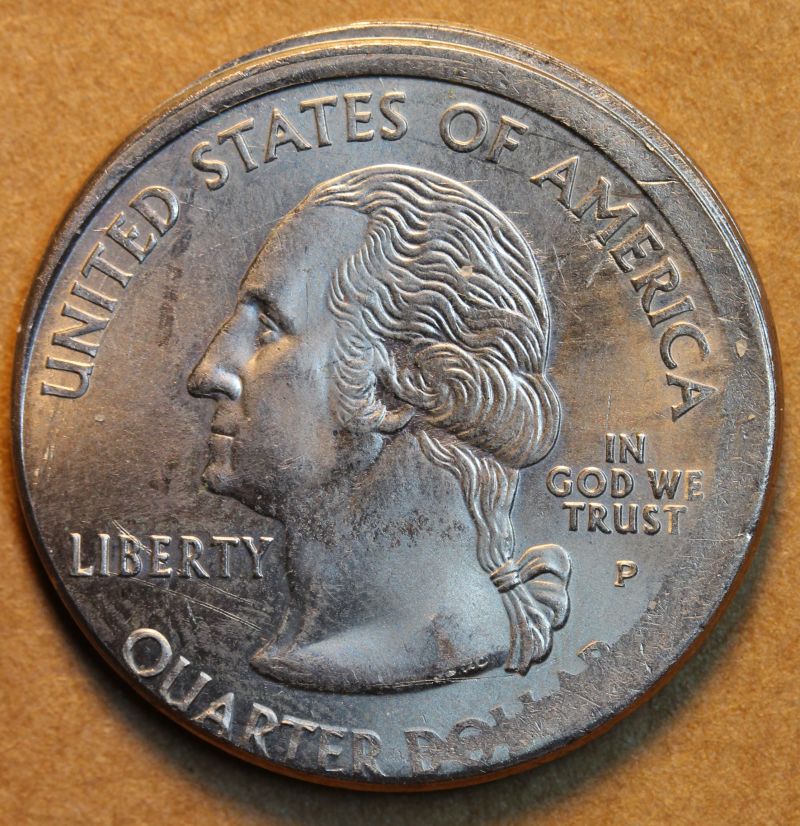 Error coin writer and researcher.
Edited by mikediamond
06/08/2020 8:38 pm
|
|
Pillar of the Community
United States
3281 Posts |
Oh I understand, makes sense, the devices on both sides must suffer some severity of being effected for it to be considered a dual/bifacial misalignment.
Thank you very much for your input and information Mr. Diamond, beautiful coin by the way.
Edited by SilverCents
06/08/2020 9:04 pm
|
|
Bedrock of the Community
United States
62064 Posts |
Removed
Edited by coop
06/09/2020 09:17 am
|
|
Pillar of the Community
United States
2752 Posts |
Coop, you've mixed up two of my comments in the post that features the side-by-side images of the South Carolina quarter. Part of the comment refers to the OP's cent while other parts refer to dual misalignments in general. The result is confusion.
Error coin writer and researcher.
Edited by mikediamond
06/08/2020 10:38 pm
|
|
Pillar of the Community
United States
2752 Posts |
Here's dual misalignment in a 1966 nickel that was struck in-collar. The misalignment on the reverse face (struck by the anvil die) is about as large as one could expect given the tight fit between anvil die neck and collar. The obverse misalignment is also minor, although that's not due to any physical constraint. Again, an anvil die misalignment can only exceed the degree of lateral displacement seen here when the collar breaks apart or breaks free of its moorings. 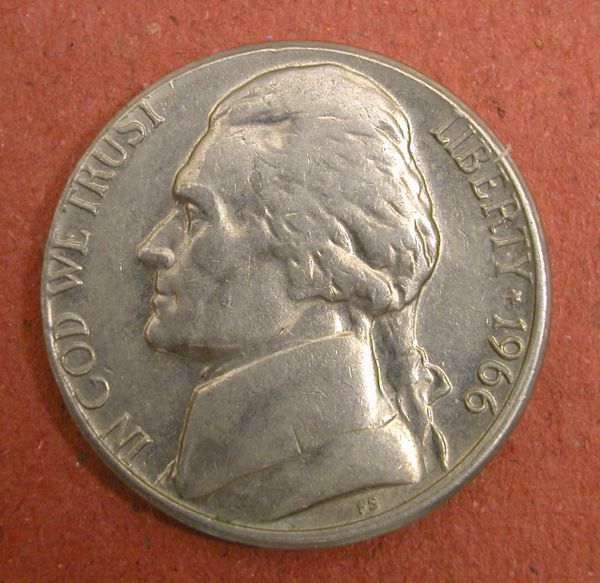 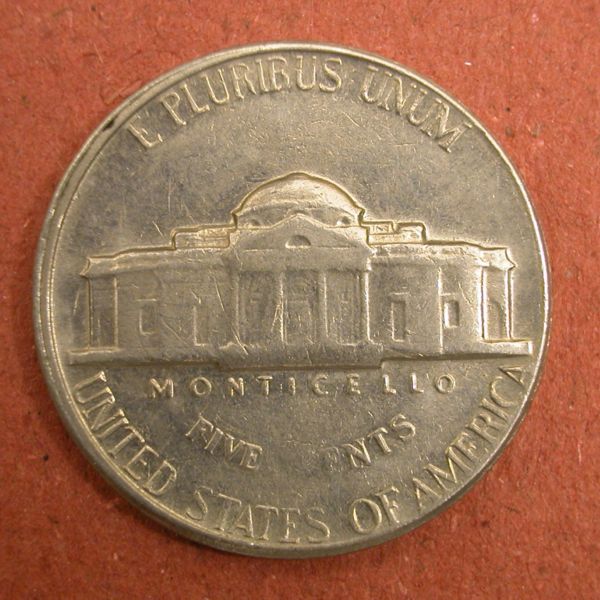 Error coin writer and researcher.
|
|
Pillar of the Community
United States
3281 Posts |
Thank you for that information Mr. Diamond, that certainly clears up any confusion for me.
|
|
Bedrock of the Community
United States
62064 Posts |
Mike: I notice on the reverse of the nickel some grease blockage on some of the devices.('States of AMERICA and CENTS) Could this have affected the misplacement issue, or not related?
|
|
Pillar of the Community
United States
2752 Posts |
Grease has affected the first two letters of CENTS but I don't see it anywhere else. Slight fading at the outer tips of AMERICA is probably due to die convexity. In any case, the presence of grease on the die would have no connection to the misalignment.
Error coin writer and researcher.
Edited by mikediamond
06/09/2020 10:40 am
|
| |
Replies: 12 / Views: 1,532 |
|







 Posted 06/07/2020 7:47 pm





