Coin Community Family of Web Sites Join Thousands of Coin, Bullion, & Money Collectors
Royal Estate Auctions - $1 Coin Auctions300,000 items to help build your collection! Coin, Banknote and Medal Collectors's Online Mall Join Thousands of Coin, Bullion, & Money Collectors Specializing in Modern Numismatics Vancouvers #1 Coin and Paper Money Dealer Royal Canadian Mint products, Canadian, Polish, American, and world coins and banknotes.


Username:
Password:
Save Password
Forgot your Password?


This page may contain links that result in small commissions to keep this free site up and running.

Welcome Guest! Registering and/or logging in will remove the anchor (bottom) ads. It's Free!

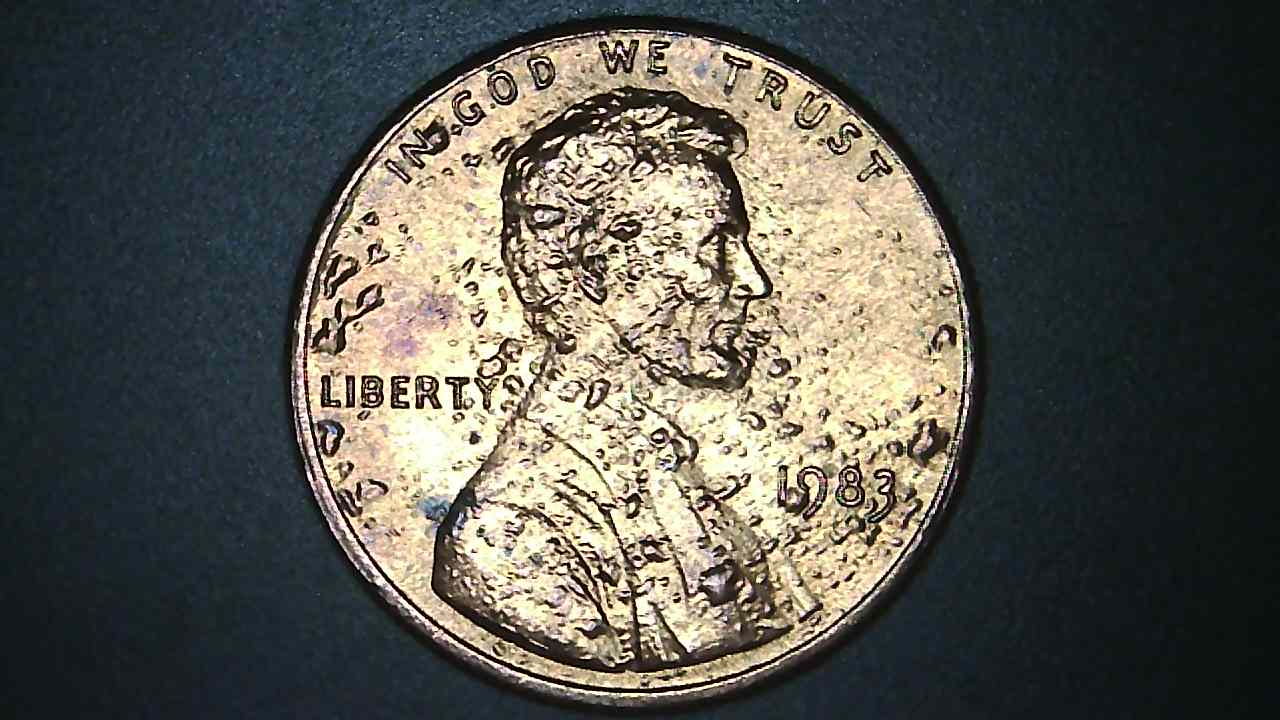
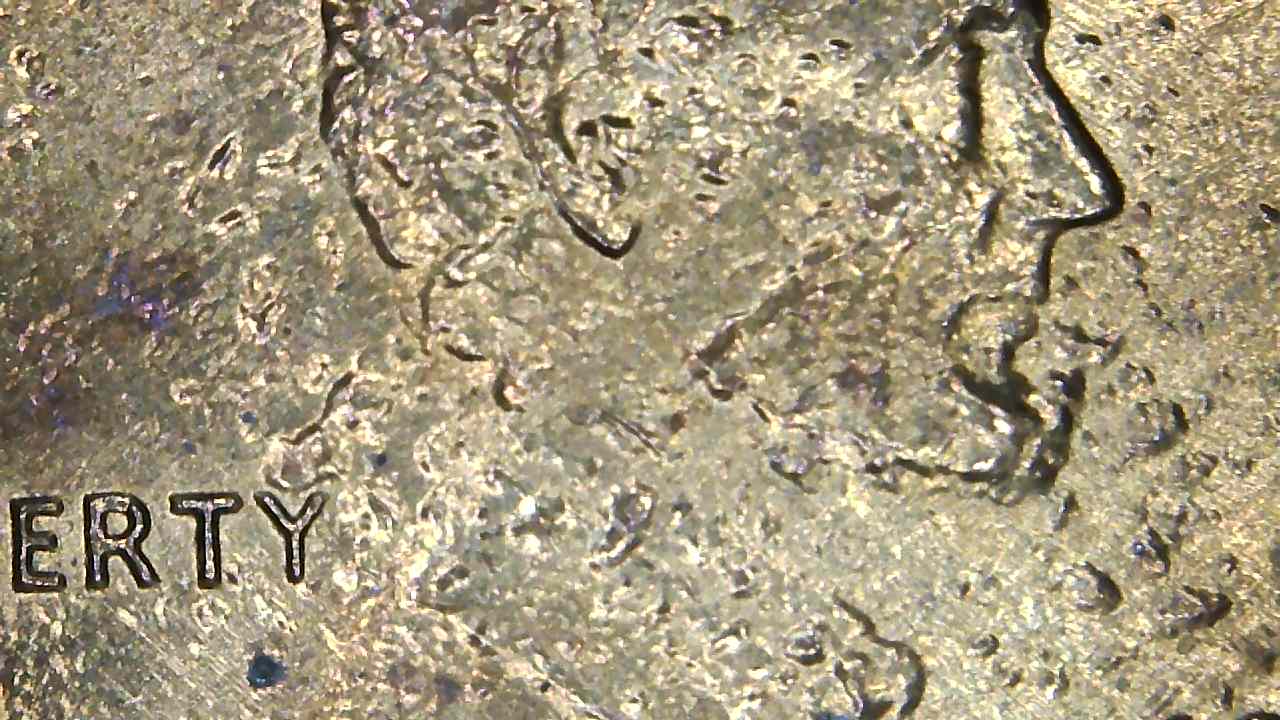
1983 Cent Gas Bubbles Or Blistered Plating. Plus Question About Corrosion.

To participate in the forum you must log in or register.
Author Previous TopicReplies: 7 / Views: 4,428Next Topic  
Valued Member

United States
64 Posts
 Posted 08/22/2020  08:55 am Show Profile   Bookmark this topic Add noobz to your friends list Get a Link to this Message Number of Subscribers
Any idea of how to distinguish between the gas bubbles and the blistered plating. 1982 and earlier coins (3.1 gr.) usually have gas bubbles as per my research. My coin (1983) weight is 2.49 gr. It is extremely bubbly on both sides. I doubt it could take only 0.01 gr. weight of the coin (only if it is fat planchet or some). That is why I wonder if there is a possibility that it is printed on the wrong planchet. for the 1983 coins it is a known planchet error.
Another concern is to tell the difference between the poped bubbles on the other coins and simple corrosion. Refer to second image.
Thanks.
1983-Cent-Gas-Bubbles-Or-Blistered-Plating.-Plus-Question-About-Corrosion.
Edited by noobz
08/22/2020 10:04 am
Pillar of the Community
CoinHunter17's Avatar
United States
1008 Posts
 Posted 08/22/2020  10:04 am  Show Profile   Bookmark this reply Add CoinHunter17 to your friends list Get a Link to this Reply
The 2nd image is from your other post. Try renaming the other pic of this coin.
Valued Member
United States
64 Posts
 Posted 08/22/2020  10:07 am  Show Profile   Bookmark this reply Add noobz to your friends list Get a Link to this Reply
Other post had wrong uploded image. I corrected that.
Valued Member
United States
182 Posts
 Posted 08/22/2020  10:09 am  Show Profile   Bookmark this reply Add coin searching to your friends list Get a Link to this Reply
bubbles or blistering should not effect the weight much so if the coin is struck with copper planchet, it should weight close the 3.1g. Here is what I found regarding gas bubbles and blister plating. https://www.coinworld.com/news/prec...es-vary.html
Valued Member
United States
64 Posts
 Posted 08/22/2020  10:41 am  Show Profile   Bookmark this reply Add noobz to your friends list Get a Link to this Reply
Thanks for the link! It is very helpful one.
Still living me with one question: reading the article I understand that the "Corrosion domes" are result of contaminants trapped beneath or penetrating the surface of alum­inum, plated zinc, and plated steel coins can react with surrounding metal to form an expanding front of spongy, corroded metal. The resulting solid dome will superficially resemble a hollow plating blister or occluded gas bubble. In many cases the corroded metal bursts through and may fall out, leaving a crater.
So how to tell the difference? If you ask me why - because corrosion is a damage, but blisters and bubbles are the mint errors. Correct me if I am wrong.
Pillar of the Community
HGK3's Avatar
United States
573 Posts
 Posted 08/22/2020  4:48 pm  Show Profile   Bookmark this reply Add HGK3 to your friends list Get a Link to this Reply
In zinc cored Lincoln cents, blisters and plating bubbles are the same thing.

As you noted, particles caught in between the copper plating and the zinc core, caused by improperly washing the zinc planchet, react and cause both the copper plating to bubble up and the zinc core to corrode.

When the copper bubble bursts or breaks, the existing corrosion of the zinc core is now visible, but it was already there all along and the bubble/blister is evidence of this.

Although they technically are the result of mistakes in the coin making process, blisters and plating bubbles as a result of this process are not generally considered to be mint errors.
Valued Member
United States
64 Posts
 Posted 08/28/2020  10:37 pm  Show Profile   Bookmark this reply Add noobz to your friends list Get a Link to this Reply
Thanks. I still think it looks cool and I keep it for now
Valued Member
United States
64 Posts
 Posted 08/28/2020  10:40 pm  Show Profile   Bookmark this reply Add noobz to your friends list Get a Link to this Reply
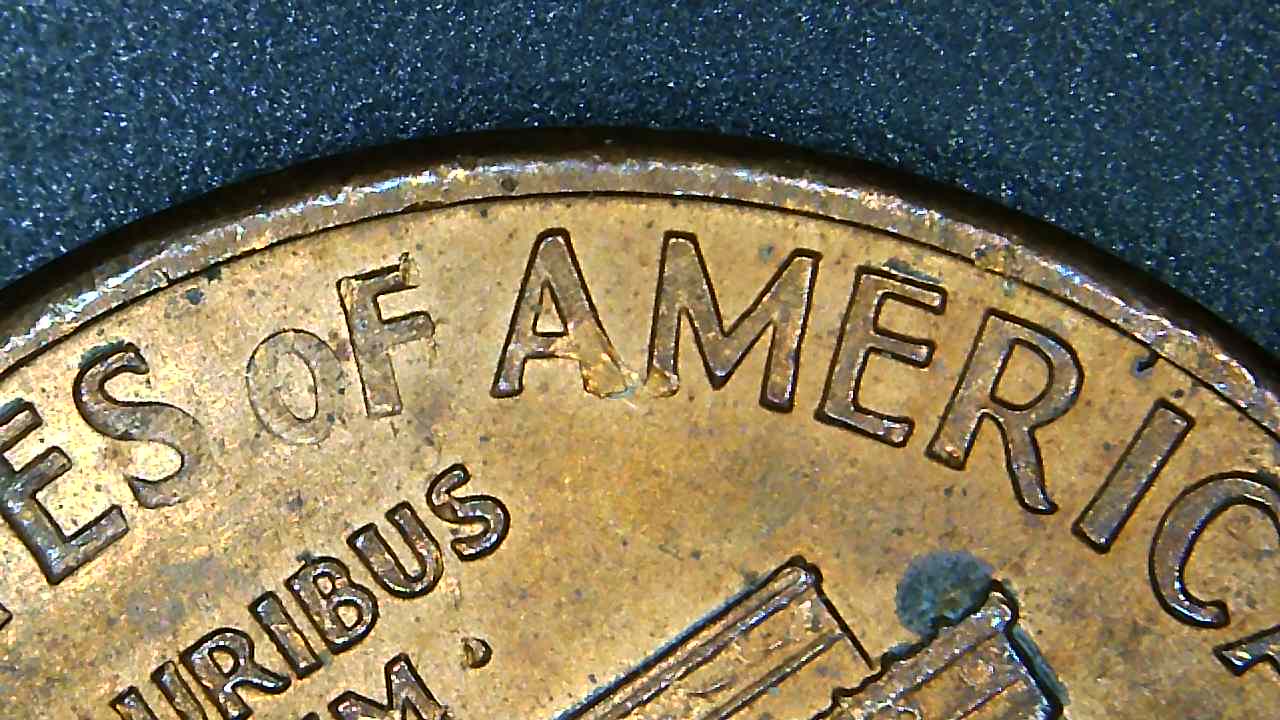
I do not know why this pictures jumping around on this forum
Here are original one I put before
1983-Cent-Gas-Bubbles-Or-Blistered-Plating.-Plus-Question-About-Corrosion.
  Previous TopicReplies: 7 / Views: 4,428Next Topic  

To participate in the forum you must log in or register.


Disclaimer: While a tremendous amount of effort goes into ensuring the accuracy of the information contained in this site, Coin Community assumes no liability for errors. Copyright 2005 - 2026 Coin Community Family- all rights reserved worldwide. Use of any images or content on this website without prior written permission of Coin Community or the original lender is strictly prohibited.
Contact Us  |  Advertise Here  |  Privacy Policy / Terms of Use

Coin Community Forum © 2005 - 2026 Coin Community Forums
It took 0.54 seconds to rattle this change. Forums