







 First Page


 Posted 04/28/2021 3:50 pm


Trying to find a better example to illustrate this and boom:
http://goccf.com/t/350344
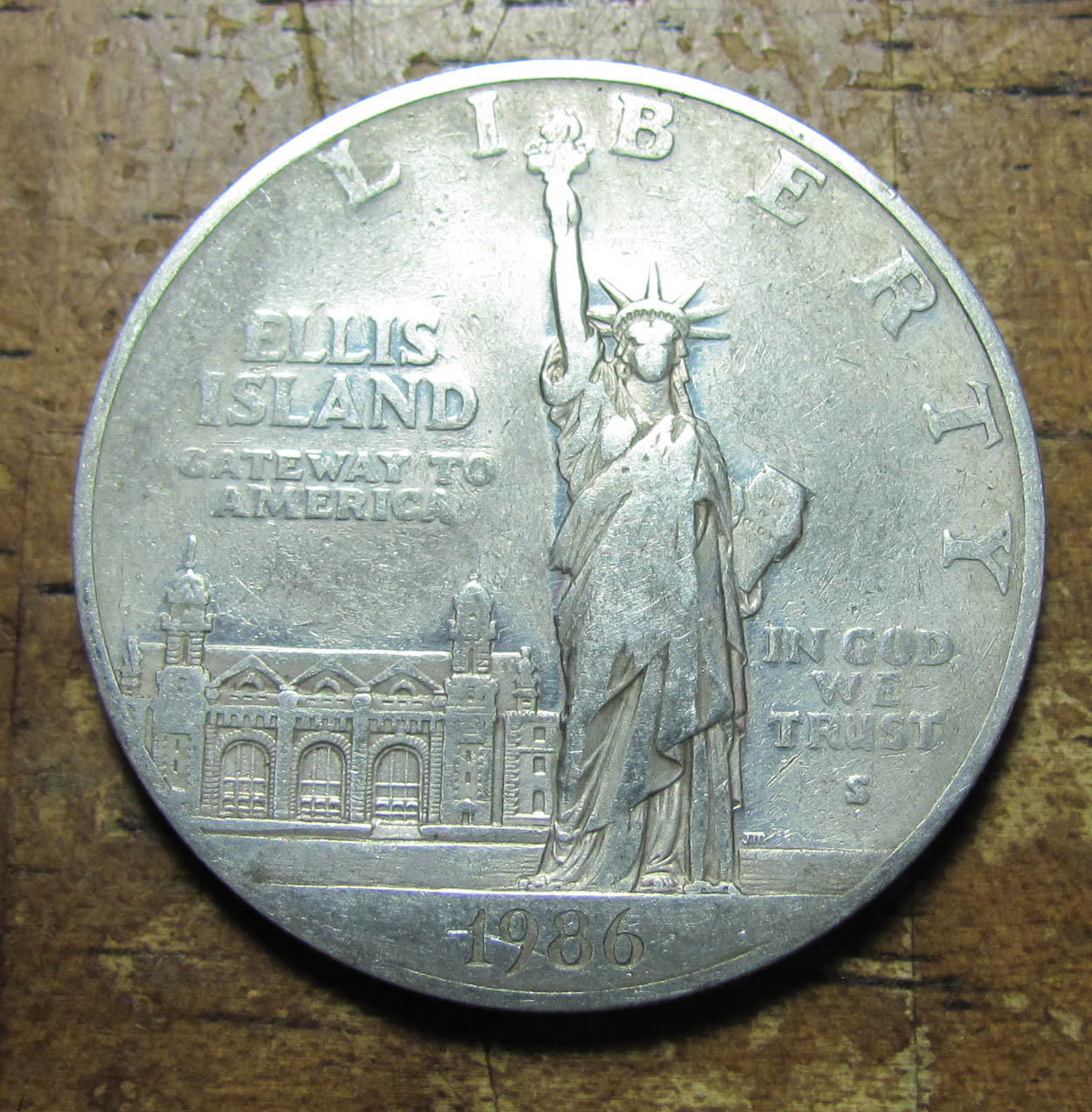
Perfect example because of the wear and the heavy scratch through the date. If the date were raised, it would be the first thing to start to go from the wear, yet it's intact. If the date were raised, the scratch would hit the numerals, yet it skips right over them.
It's tricky to show whether something is raised/incuse with just images, because images have no depth. And you said you are looking at the date under your scope, so you're only seeing it as an image on a screen? This problem comes up all the time on the v&e forums when people ask "strike-though or damage?", we mostly have to just go off their word if it's raised or incuse when we give our opinion. Pictures of raised or incuse elements that are too close make good optical illusions, it's hard to tell if it is raised/incuse. Comparing shadows and glare is one way to deal with it, but it's not always perfect. If we know one element on a coin is raised we can look at how the shadows and glare caused by the lighting affect it and see if the unknown element is showing the same thing. But if the pics given only show the unknown element, or the pics are all from different angles, you can't figure out anything.
Edit:
No, I think the date is incuse relative to that bottom as well. The date is lower than the field around it.
http://goccf.com/t/350344
Perfect example because of the wear and the heavy scratch through the date. If the date were raised, it would be the first thing to start to go from the wear, yet it's intact. If the date were raised, the scratch would hit the numerals, yet it skips right over them.
It's tricky to show whether something is raised/incuse with just images, because images have no depth. And you said you are looking at the date under your scope, so you're only seeing it as an image on a screen? This problem comes up all the time on the v&e forums when people ask "strike-though or damage?", we mostly have to just go off their word if it's raised or incuse when we give our opinion. Pictures of raised or incuse elements that are too close make good optical illusions, it's hard to tell if it is raised/incuse. Comparing shadows and glare is one way to deal with it, but it's not always perfect. If we know one element on a coin is raised we can look at how the shadows and glare caused by the lighting affect it and see if the unknown element is showing the same thing. But if the pics given only show the unknown element, or the pics are all from different angles, you can't figure out anything.
Edit:
Quote:
bottom portion of the coin underneath the Statue and Ellis Island is incuse, but the date is raised on that bottom
bottom portion of the coin underneath the Statue and Ellis Island is incuse, but the date is raised on that bottom
No, I think the date is incuse relative to that bottom as well. The date is lower than the field around it.
Edited by Tanman2001
04/28/2021 3:55 pm
04/28/2021 3:55 pm


