| Author |
 Replies: 13 / Views: 1,904 Replies: 13 / Views: 1,904 |
|
|
Pillar of the Community
 United States
8041 Posts |
While pursuing my Poland collection, I've become aware of two instances where a coin has been cataloged under two different countries. I am sure there must be many more examples, so I hope others will add theirs. This is NOT about occupation coinage, which is yet another interesting numismatic category. It is about other situations where the political relationship concerning sovereignity is murky or confusing, allowing for different interpretations by later catalogers. 1. Duchy of Krosno / Margravate of Brandenburg-Kustrin (1540s). Krosno (Crossen or Krossen in German) is a place in the northwest corner of Silesia, a European region which straddles today's Poland-Germany-Czech Republic. In late medieval times, it was a fief of the King of Bohemia, as was most of Silesia. But in the early 1500s, it was contested by the Margraves of Brandenburg after the last Piast duke died without heir, and after some violent struggles, was formally annexed by Duke Johan of Brandenburg-Kustrin in 1538. 1 and 3 groschen coins were minted by Johan between 1544-1546. In Numista, the same coins are listed in two places: as Bohemia/Silesia/Duchy of Krosno https://en.numista.com/catalogue/pieces122336.htmland as Germany/German States/Margravate of Brandenburg-Kustrin https://en.numista.com/catalogue/pieces127920.htmlThe coin is listed as Silesian in the Kopicki (Kop.) and Friedensburg (Fr.u.S. or F.u.S.) catalogs, but as Brandenburg in the Bahrfeld (Bahrf.) catalog as best I can tell. In catalogs of Polish auction houses it is always found under Silesia/Duchy of Krosno, whereas it is usually found as Brandenburg or Brandenburg-Kustrin, Krossen in German auctions. A link to mine, posted for year 1544 in the most recent "How Far Back...?" thread: http://goccf.com/t/364499&whichpage=421#3418572I had not realized this coin was attributed two different ways until @j1m posed a question over on that thread. So, in this case, the ambiguity is due to the change of sovereignity of this place (from Bohemia/Silesia to Brandenburg in 1538). Second example to follow. Edited by tdziemia
05/13/2021 2:02 pm
|
|
|
|
Valued Member
United States
257 Posts |
I think the "claimed by" in the title is a bit off. I don't see evidence that countries claimed those coins, just that some modern numismatists are confused and don't understand the coins. I expect that in 1544 there would be no confusion at the mint or by the rulers of who issues the coin and for what purpose.
The Numista entries have two difference Bahrfeld numbers. Does anyone have that catalog to see if the numbers are correct and what Bahrfeld gave for the attribution of the coins?
|
|
Pillar of the Community
United States
3357 Posts |
I was on the trail of the doubloon a couple days ago. The term appears to originate in Italy, then proceeds to France to become the ecu, then to Spain as escudo. The familiar French term for 2 ecu (ca 6.7g) was "doblon", which became the doubloon of pirate fame, as well as the French gold Louis. However, in America the term was used for the 8 escudo, which is the basis for the Brasher Doubloon and New Orleans Mardi Gras novelty coins.
"Pistole" was another term for the 2 escudo, which was more universal. Its near relative was the "pistareen" 2 reales silver....which is also the basis for the American quarter.
The Dutch dukaat is another coin which descends from the ecu lineage. Today there is only one currency which still incorporates the term "doubloon". Sao Tome and Principe uses the Portugese derived "dobra".
"Two minutes ago I would have sold my chances for a tired dime." Fred Astaire
Edited by thq
05/14/2021 12:43 pm
|
|
Pillar of the Community
 United States
8041 Posts |
@bjh, yes, that's a fair comment, and why I used the quotes in the title, but then tried to explain my point more fully in the text that followed.
In hindsight, it might have been better if I had titled the thread "Examples of Coins Cataloged by Multiple Countries" since it is indeed this later viewpoint of the catalogers you mention which caught my attention.
@thq, interesting example of how a denomination name has morphed as it was translated from country to country. I guess we could also follow the groat / gros / grosso / groschen / grosz and some others. That denomination remains a part of the modern Polish currency (making it around 700 years old there), but I think has largely vanished elsewhere in Europe due to the Euro.
Edited by tdziemia
05/16/2021 08:07 am
|
|
Valued Member
251 Posts |
Edited by Grinya
05/17/2021 07:12 am
|
|
Pillar of the Community
United States
8041 Posts |
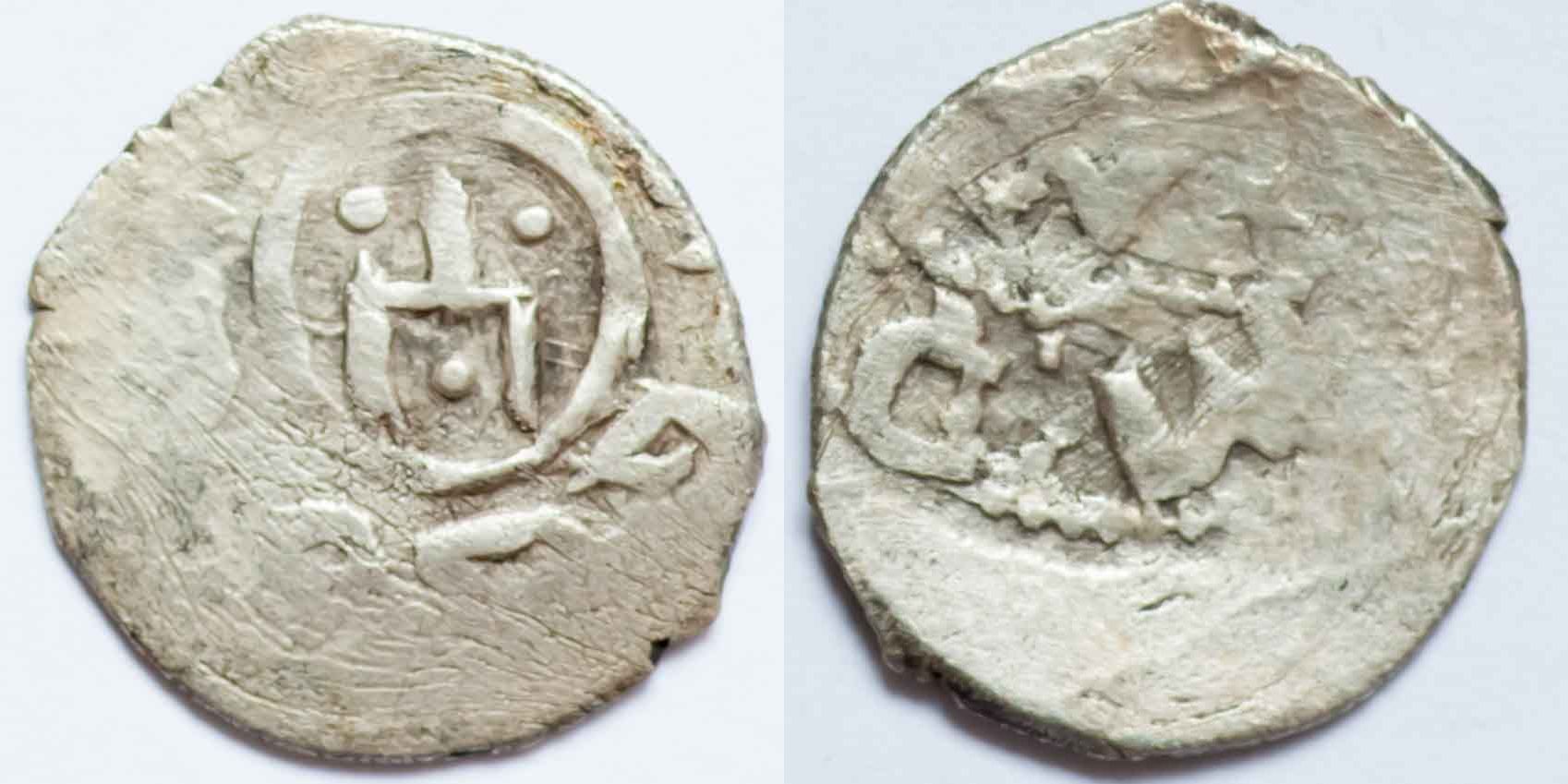
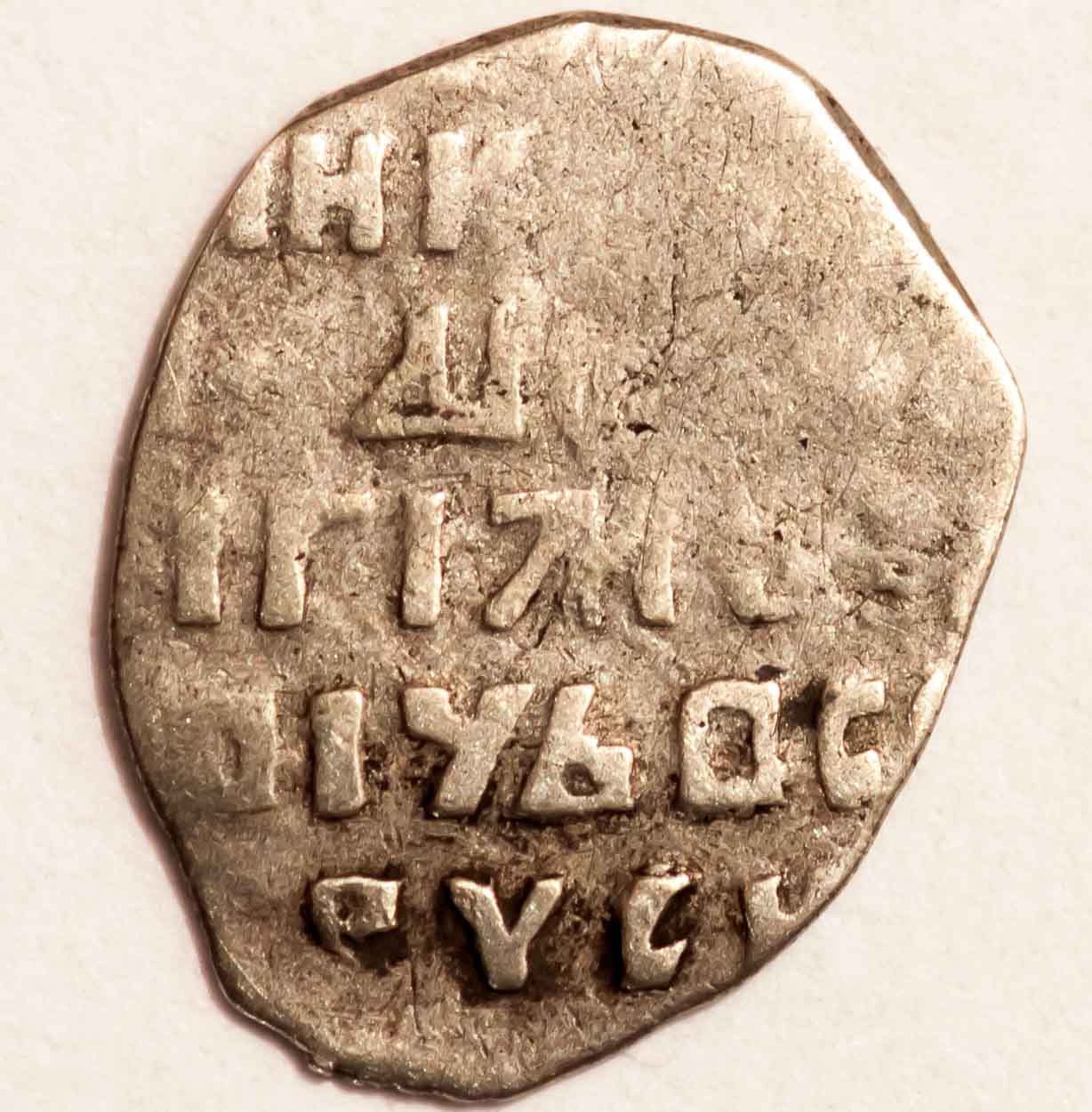
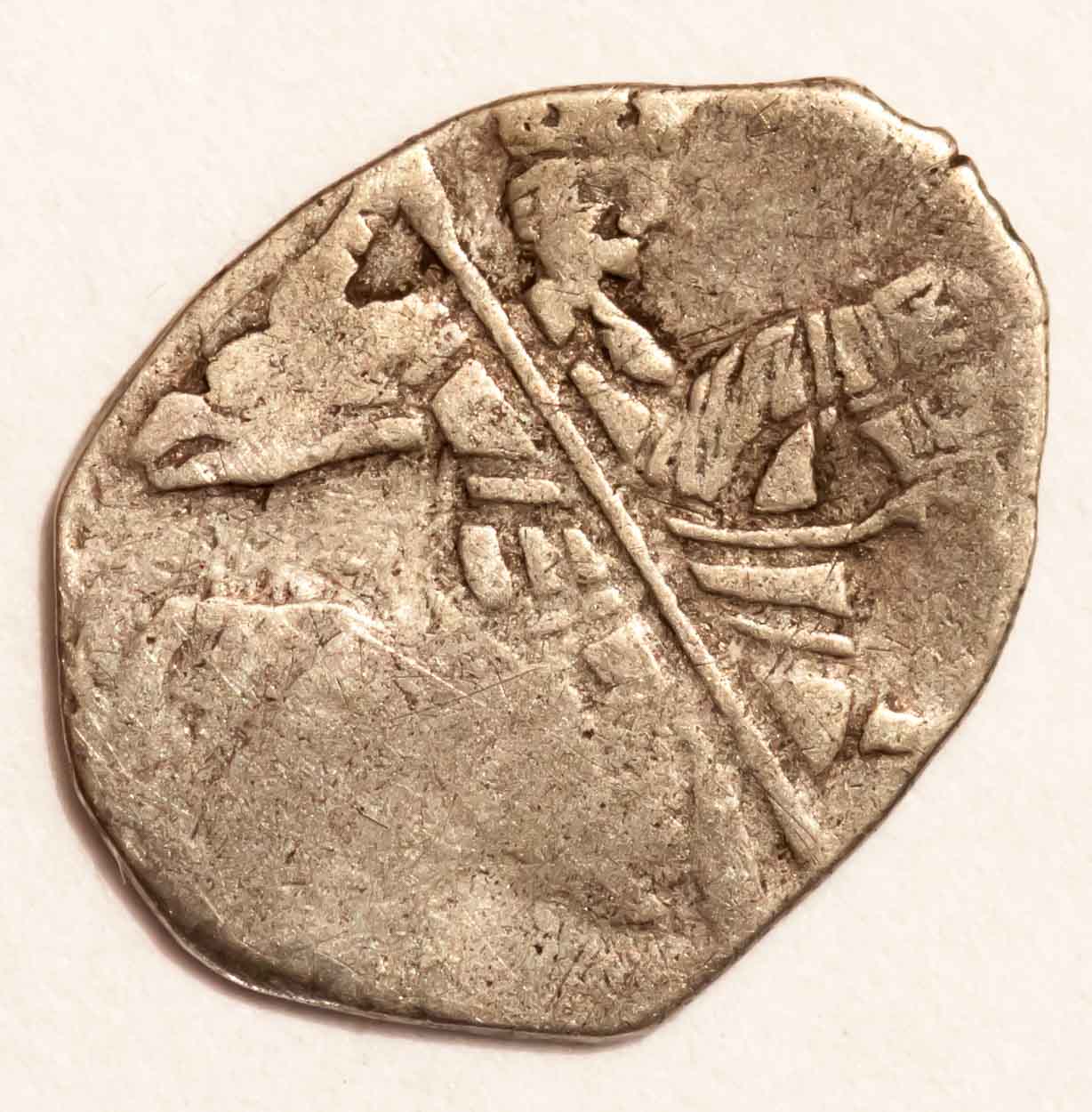
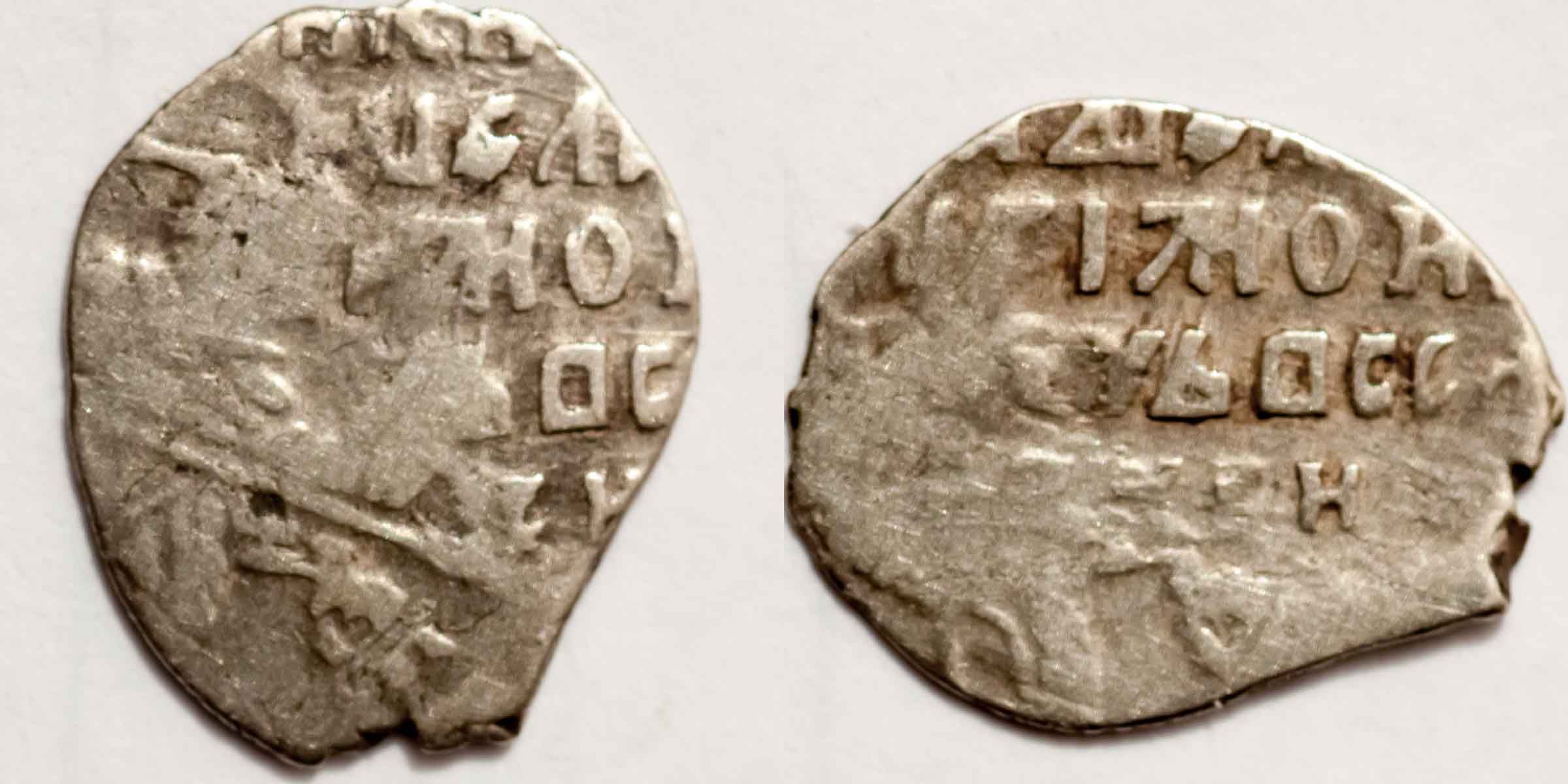
 Very nice examples! I was aware of the Russian coin, which is also "claimed" in Polish catalogs because this is a period when Poland intervened in Russia and installed Wladyslaw (son of SIgismund III of Poland, and a future King of Poland) as tsar of Russia 1610-1612. A similar situation is this coin, which is normally claimed as "Polish": https://en.numista.com/catalogue/pieces45866.htmlThis coin was minted in Glogoau, Silesia, by Sigismund of Poland, who was Duke of Glogau before he became King of Poland in 1506. The coin is more properly attributed as Silesia / Duchy of Glogau, even though the devices on the coin are the typical ones of Poland-Lithuania. Edited by tdziemia
05/17/2021 08:19 am
|
|
Pillar of the Community
United States
8041 Posts |
Duchy of Lorraine / Grand Duchy of Tuscany, Teston of Nicolas Francois in Exile, 1634-35. In 1634 France invaded the Duchy of Lorraine, and Duke Charles IV abdicated under French pressure, in favor of his younger brother Nicolas Francois. Nicloas left Lorraine for Florence, where he ruled in exile for two years (1634-35) until abdicating the crown back to Charles. This teston was minted in Florence to Lorraine standards. It bears Nicolas Francois' title obverse, and the Lorraine coat of arms reverse, but states that it was struck in Florence (MONETA NOVA FLORENT CVSA). It is listed in catalogs covering Lorraine (Flon, de Saulcy) but also in catalogs covering Tuscany (MIR, CNI). Krause has it as German States/Lorraine (KM#55), but that's another story  In French auctions it is invariably listed as French/Feudal/Lorraine. In Italian auctions it is invariably listed under Grand Duchy of Tuscany. In German/Austrian auctions it can go either way. Heritage has called it France, while Heritage Europe has called it Italy. So, from a catloger's viewpoint, it's probably the most confusing coin in my collection.  
Edited by tdziemia
05/21/2021 09:04 am
|
|
Pillar of the Community
Sweden
2124 Posts |
That is a great example of the confusion this thread illustrates! The modern day view is that minting is something done by nations, while back in Nicolas's days, minting rights rather followed an individual. So trying to cram a "multi-national" individual's coins into the nation view is bound to be open to multiple outcomes. I wonder how the Lorrainians themselves took the repeated shifting of to whom they belonged? "Should we speak French now, or is it German? Not Italian, I think ... Flemish, maybe? No, I think we'll just keep on with our Lorrainisch!"  |
|
Pillar of the Community
United States
8041 Posts |
3. 1506 Glogauer Groschen of Sigismundhttps://en.numista.com/catalogue/pieces45866.html (I would like to post a picture of one that I own, but I have been outbid on more examples of this coin than I care to admit) Perhaps this is another good example of @erafjel's reference to the personal nature of authority to mint. The Duchy of Glogau (Glogow in Polish) is one of the many small Silesian principalities that minted coins in medieval and early modern times. From early medieval times, many parts of Silesia were ruled by lords and dukes of the Polish Piast dynasty. But from 1331, Silesia became aligned with the Kingdom of Bohemia , though Polish families continued to rule in some places until their line died out. The complicated situation in Glogau at the end of the 16th century is described here: https://en.wikipedia.org/wiki/Duchy...%82og%C3%B3wSigismund Jagiello was duke of Glogau from 1499-1506. In January 1507 he would be crowned King of Poland following the death of his brother, King Alexander. In 1506 he issued the 1 groschen coin, with an unusual combination of devices and legends. On one side is the Piast eagle, which was a common device on Silesian coins, and legend SIGISMVNDVS DVX GLOGOVIE (Sigismund, Duke of Glogau ...). On the reverse, however, he shows the mounted knight used on the Lithuanian coins of his brother Alexander, and the legend continues KAZIMIRI R POLONIE NATVS (...born of Kazimierz, King of Poland). So Sigismund seems to be reminding someone that he will eventually become King of Poland and Grand DUke of Lithuania? On this coin of Glogau? In Numista the coin is listed under Poland/Kingdom of/Sigismund I The coin is listed in Polish catalogs like Gumowski and Kopicki, but also in the Silesian catalog of Friedensburg. Polish auction houses invariably list this coin under Poland/Sigismund I, but list all other Silesian coins in the category "Coins of Places Related to Poland." German auction houses usually list this coin under German States/Silesia, or Haus Habsburg/Silesia
Edited by tdziemia
06/17/2021 09:37 am
|
|
Moderator
 United States
194970 Posts |
I saw where you posted that in HFBCWG today. I am glad you added it here to bump this topic because I missed it initially. Very interesting stuff! |
|
Moderator
Australia
16974 Posts |
How about the opposite - coins that nobody wants to claim or catalogue, but coin cataloguers have to put them somewhere? 1. "Golden Triangle" bullion tael coins. Krause has flip-flopped over which country they ought to be listed under; Burma, Thailand, Laos, China (Yunnan Province) and French Indochina have been used in the past. They were used to fund the opium trade in the 1940s and 1950s. Most appear to have been struck in Hanoi during the Japanese / Vichy French period (circa 1943), thus their inclusion in French Indochina in the latest Krause revisions (with their original KM numbers revised to "X" numbers to denote their unofficial status), but modern Vietnamese catalogues do not include them. 2. British trade dollars. They are listed in Krause under "Great Britain" (and given T (for trade coinage) numbers), because it was British Imperial trade policy that saw their issue. But British coin catalogues invariably exclude them and do not regard them as "British coins", on the basis that they were struck in India for use in East and Southeast Asia, and none were ever seen in Britain during their period of issue. They were never legal tender in Britain. In comparison, other British "tr ade dollars" such as the Elizabethan Portcullis dollars are always included in the British catalogues, on the grounds that they were struck in England (and were failures as trade coins). The Indian and Southeast Asian catalogues likewise omit them. Don't say "infinitely" when you mean "very"; otherwise, you'll have no word left when you want to talk about something really infinite. - C. S. Lewis
|
|
Moderator
Australia
16974 Posts |
I have another example more on-topic, but also modern: gold sovereigns (and multiples/fractions), struck by the colonial mints. British coin catalogues are happy to include them alongside London-minted sovereigns, while they are also almost always included in the local coin catalogues from the branch-mint-hosting countries (Australia, Canada, India and South Africa). Krause lists them under their respective countries of origin.
Personally, I'd rather create a new country entry in the world coin catalogues: "British Empire". I'd put all the post-1870 sovereigns in there, along with the British trade dollars and the earlier British "anchor money" dollars.
Don't say "infinitely" when you mean "very"; otherwise, you'll have no word left when you want to talk about something really infinite. - C. S. Lewis
|
|
Pillar of the Community
United States
8041 Posts |
@sap, those are great examples, especially in highlighting @bjherbison's earlier comment about it being clear at the time why and where these were issued, but their vexing the catalogers who came long after.
|
|
Moderator
United States
194970 Posts |
Fascinating examples, Sap! Also, your "British Empire" solution is a good one. |
| |
Replies: 13 / Views: 1,904 |
|










 Posted 05/14/2021 12:33 pm