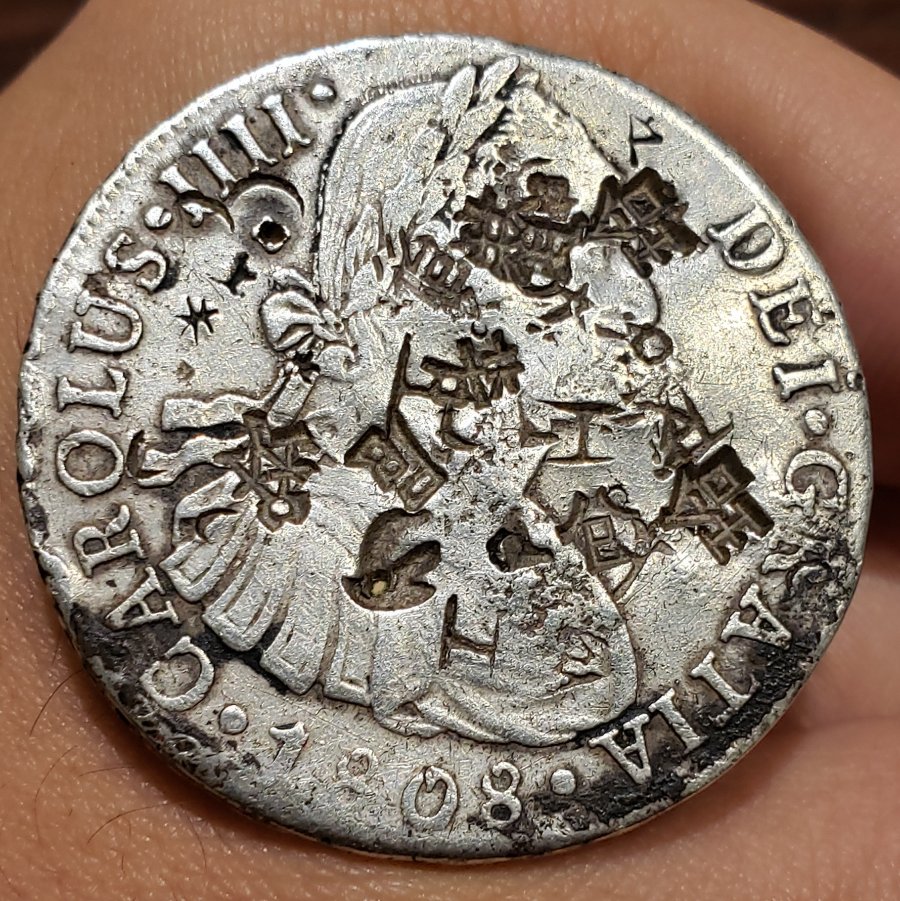
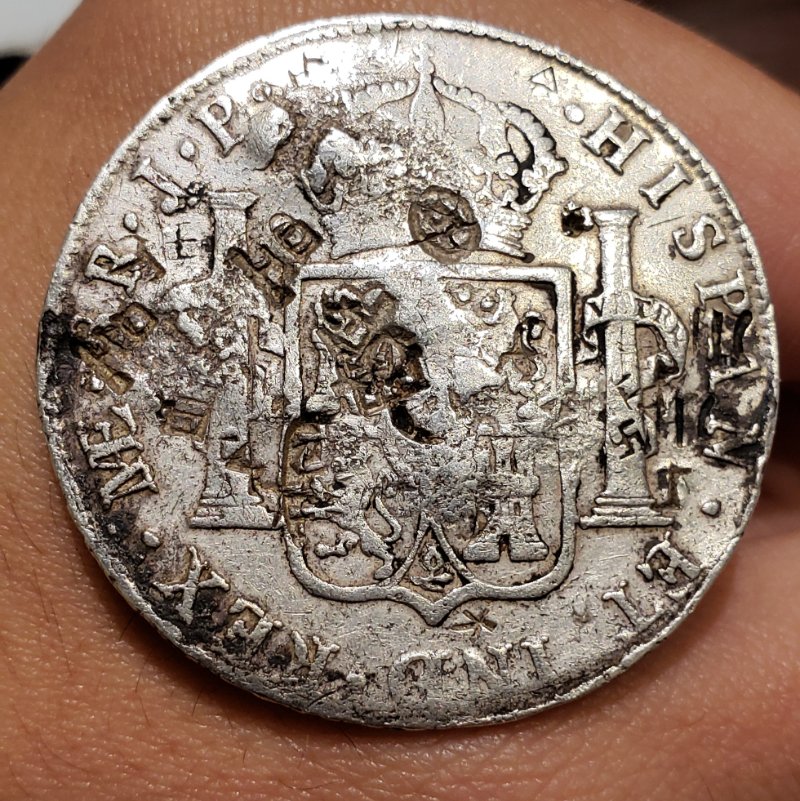
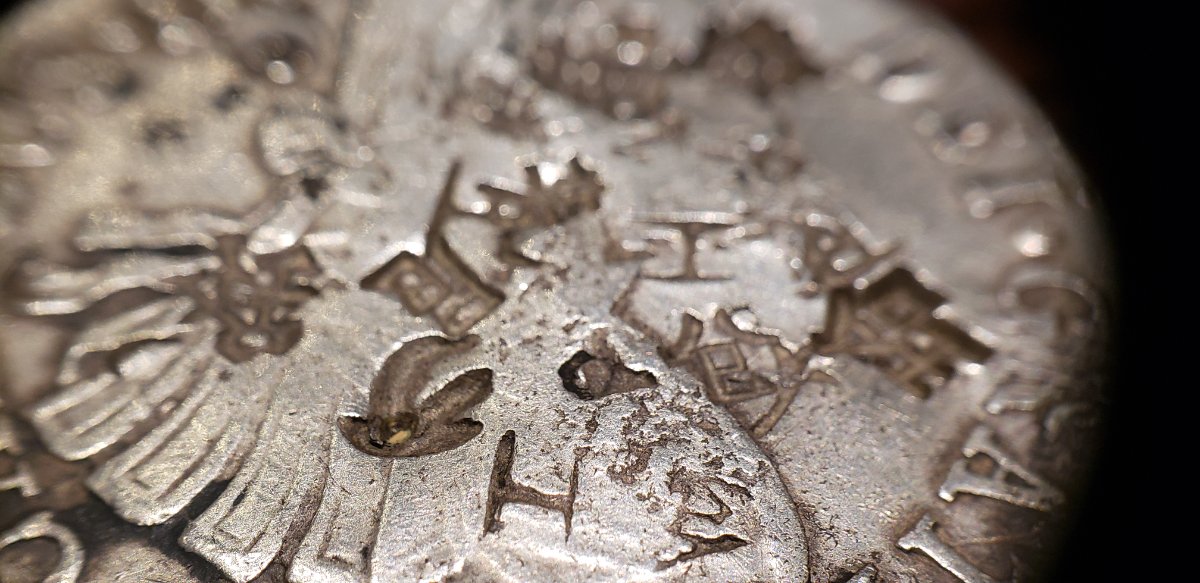
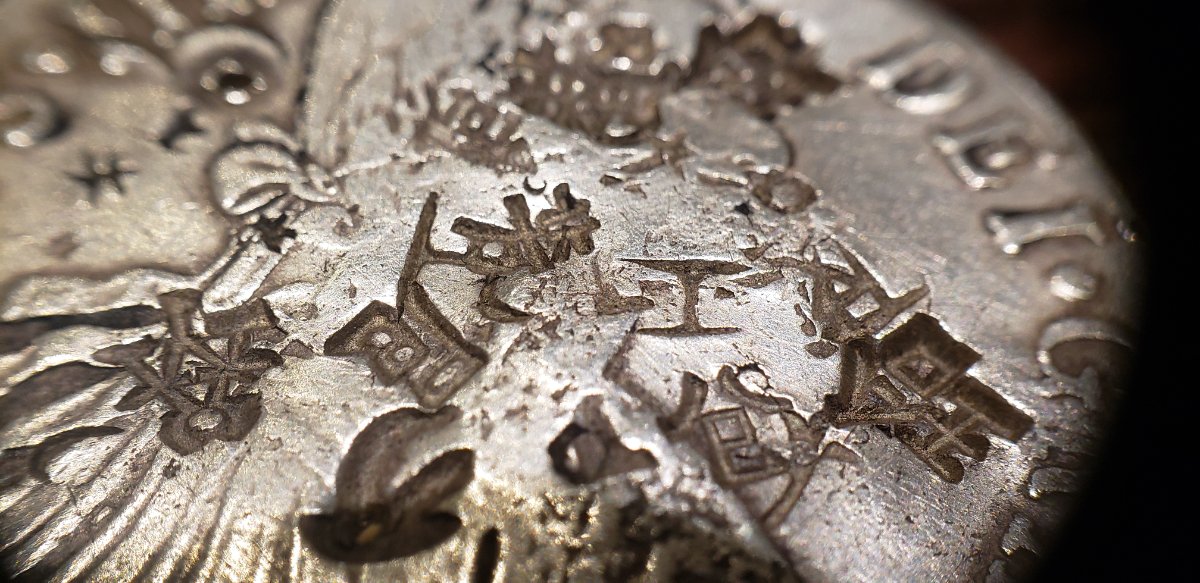
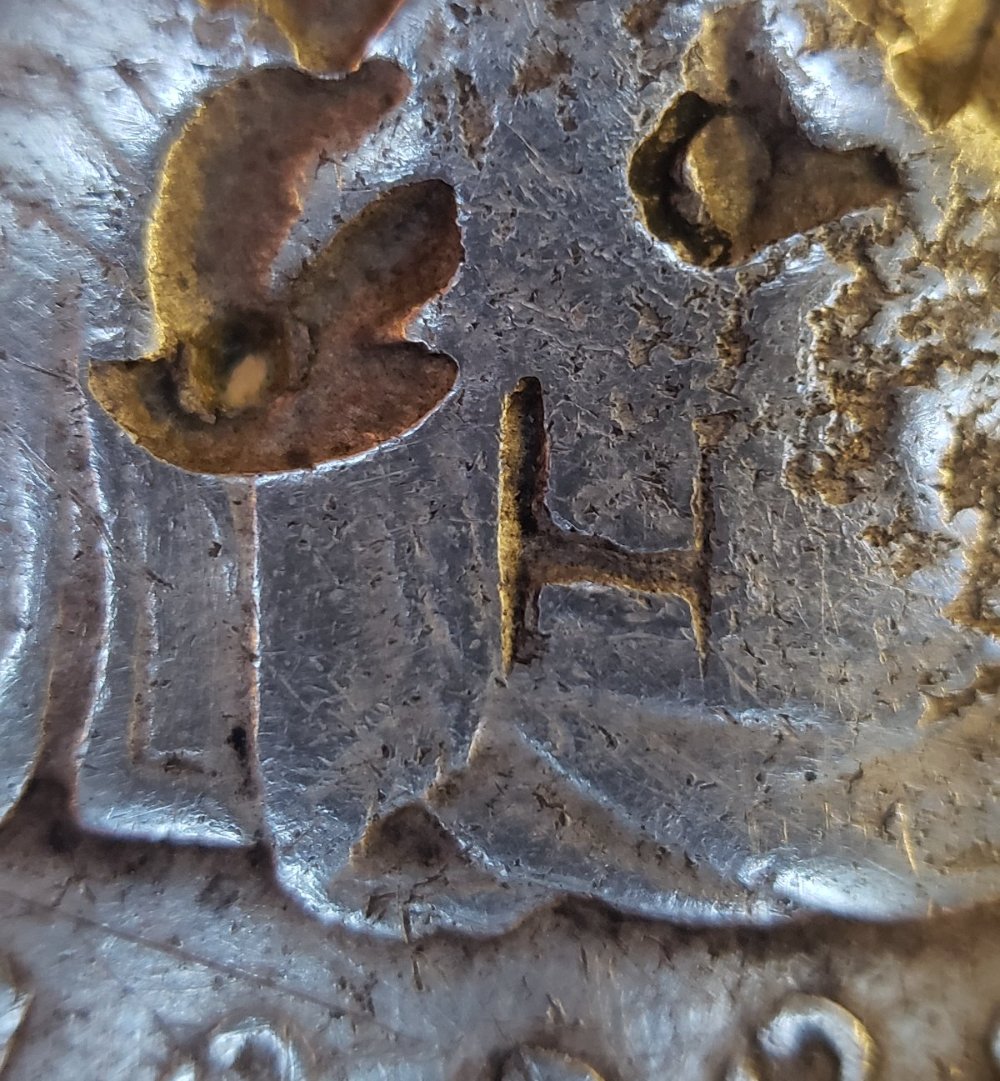
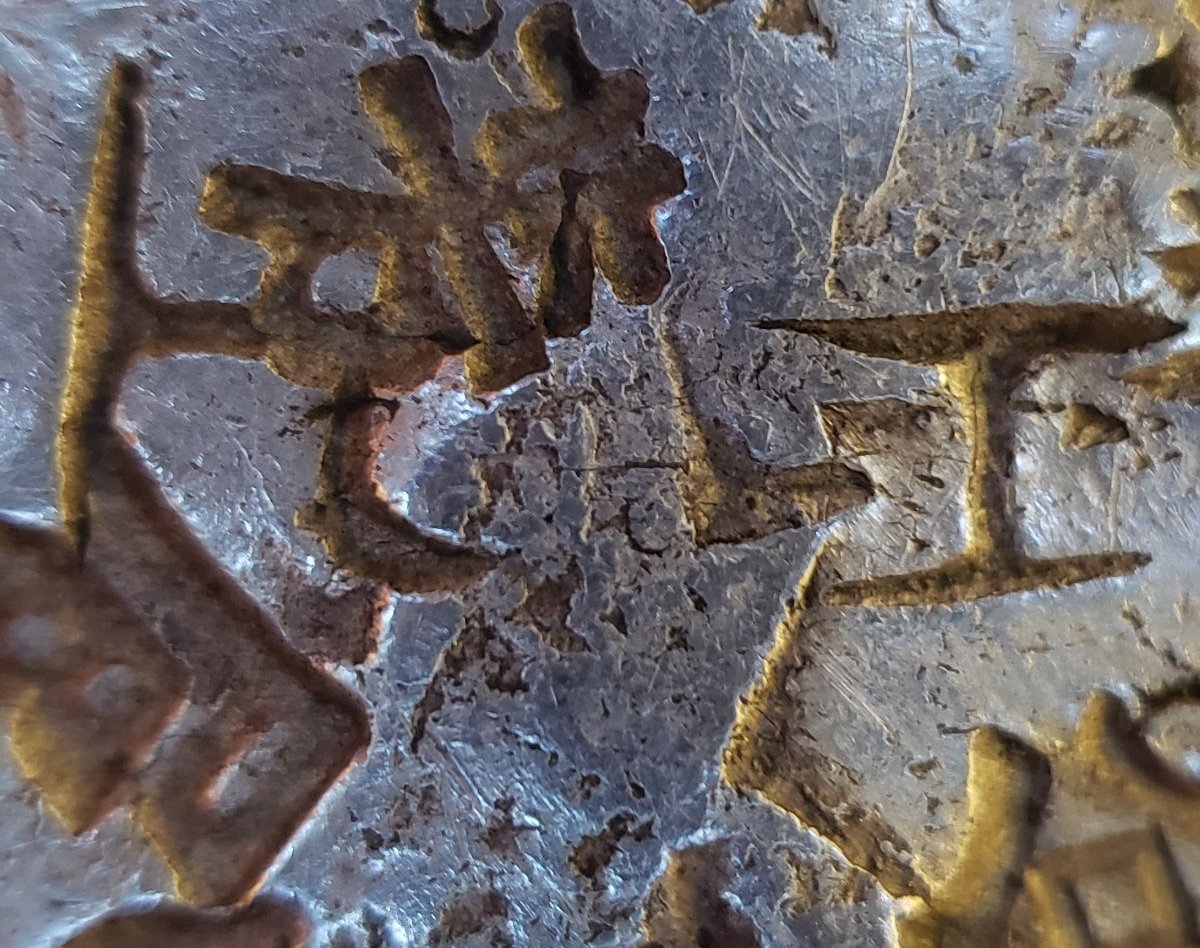
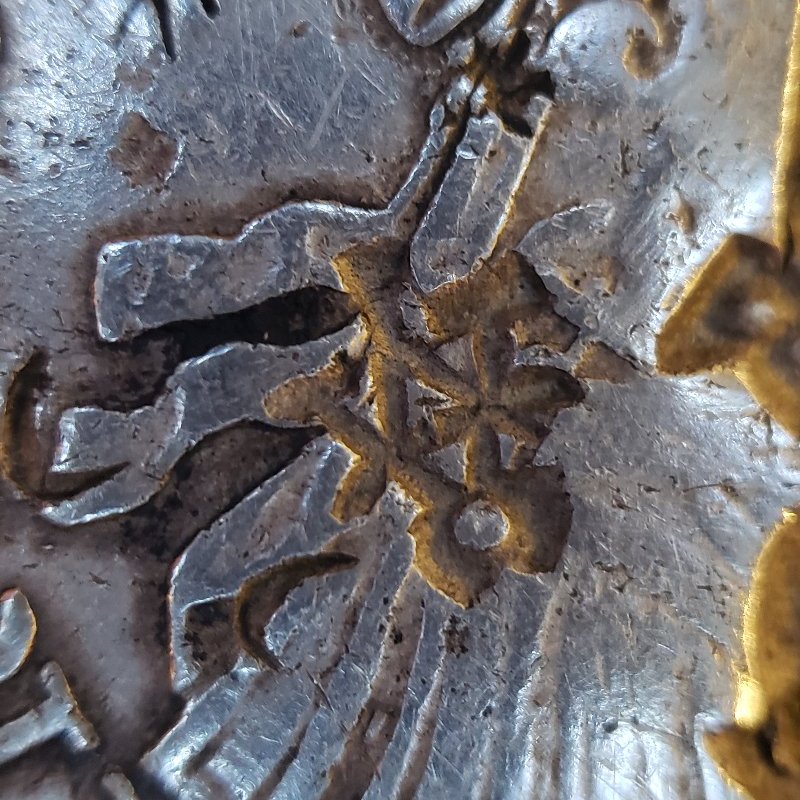
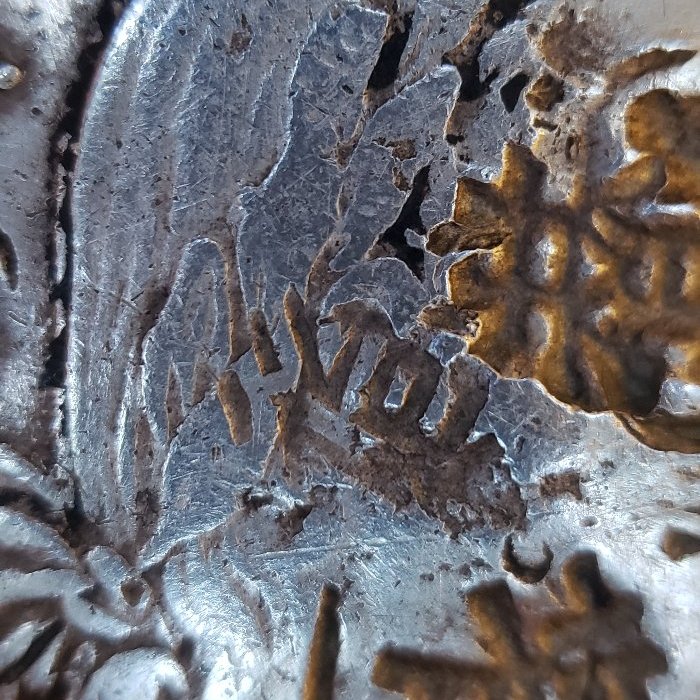
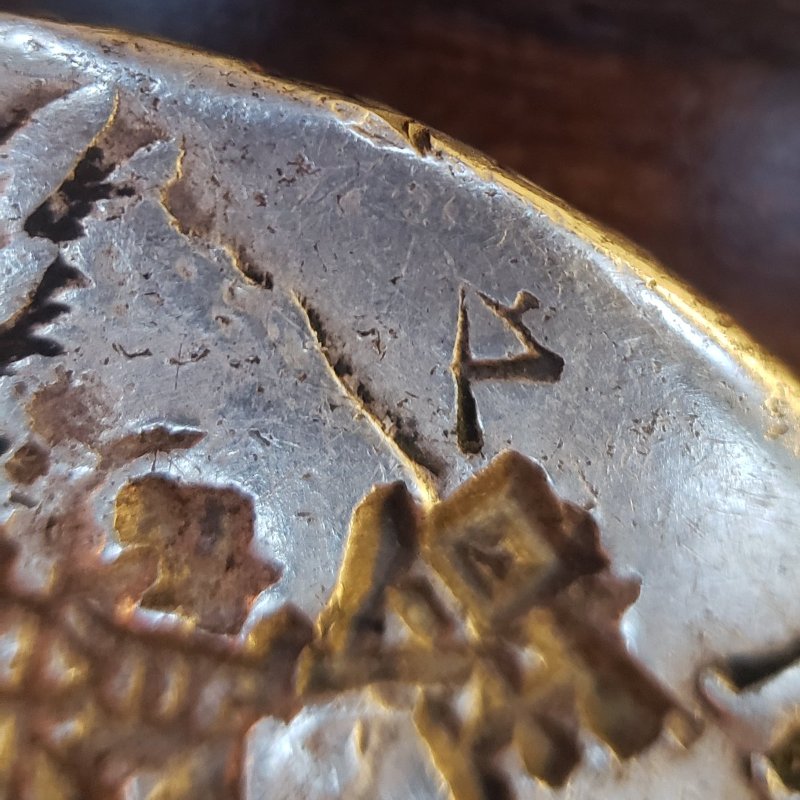
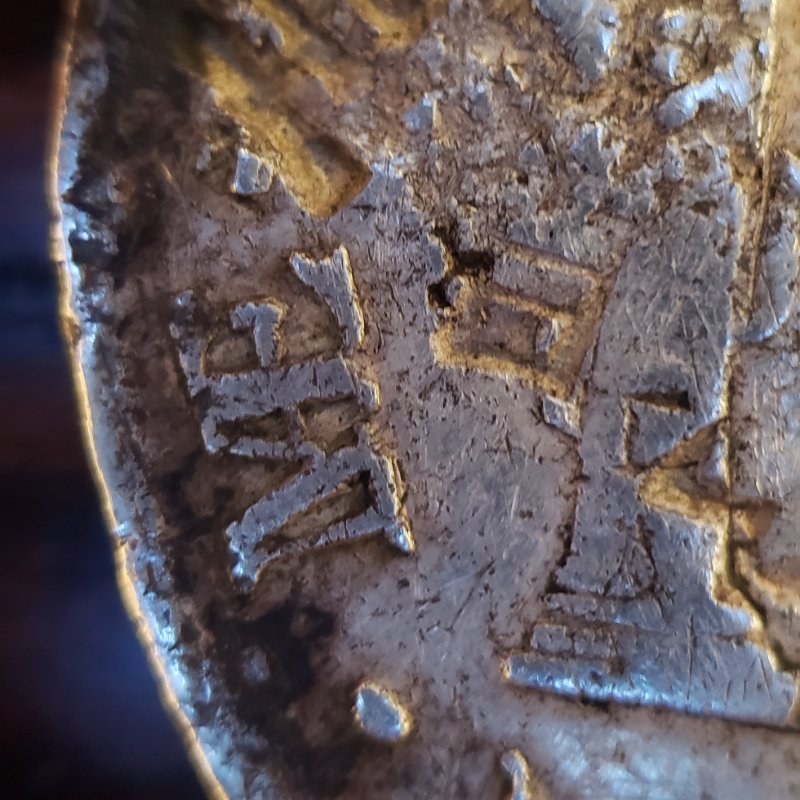
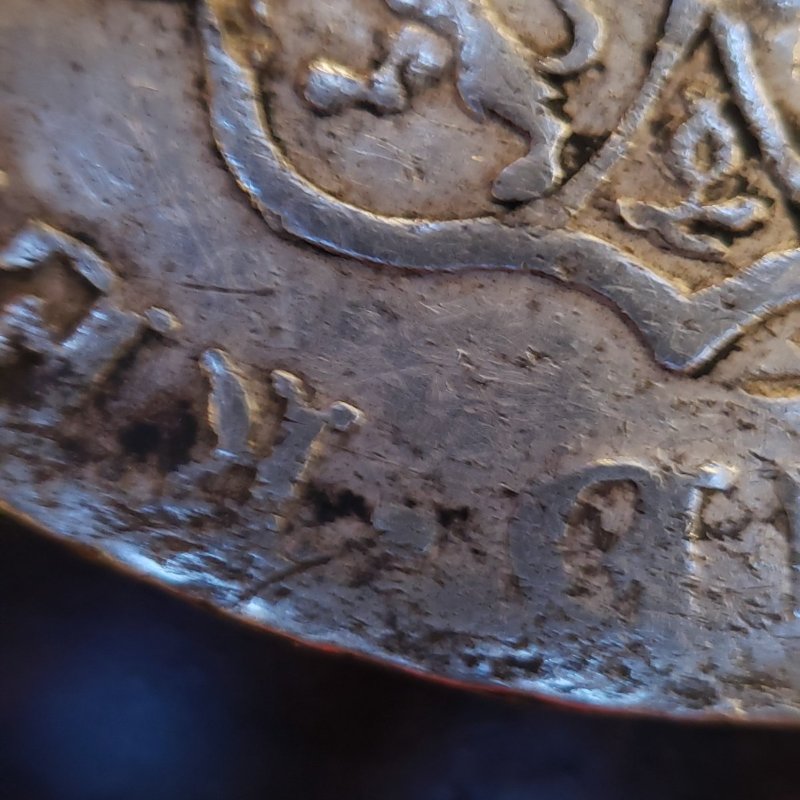
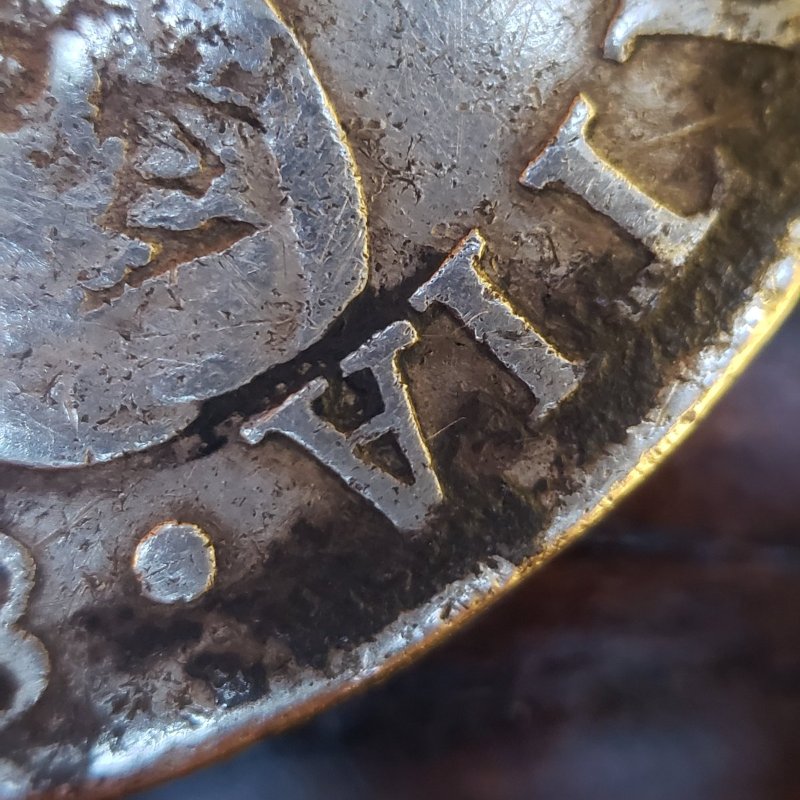
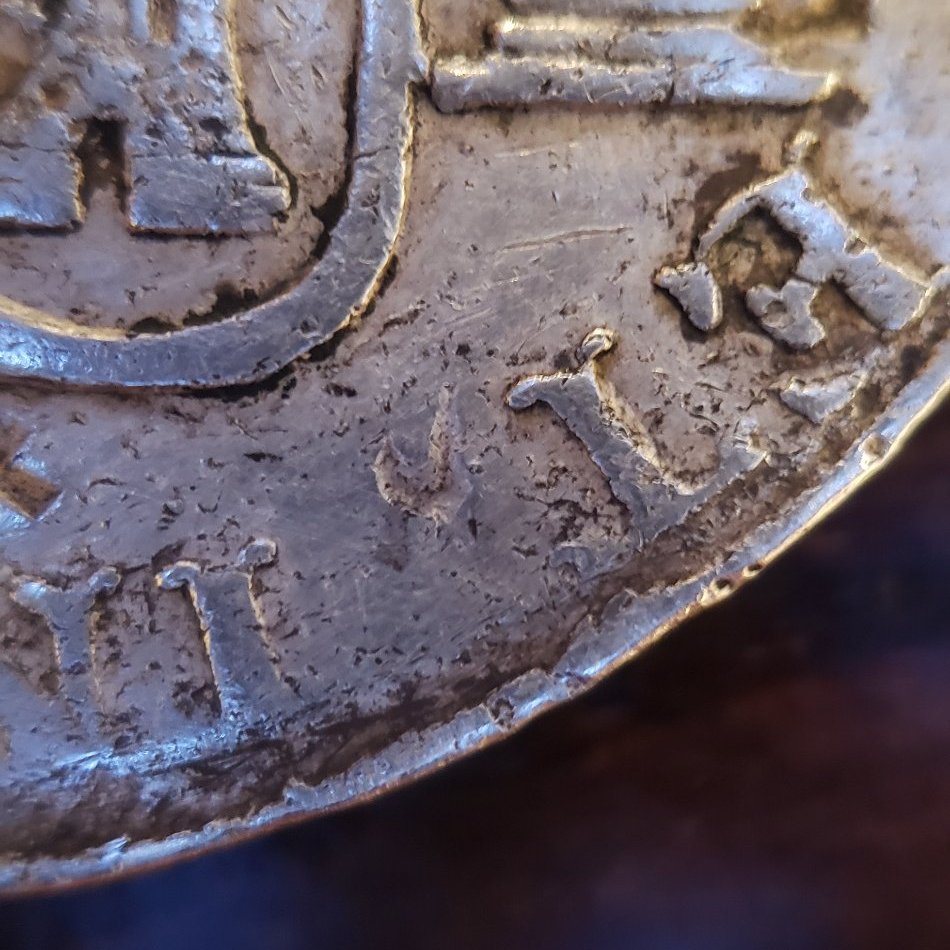
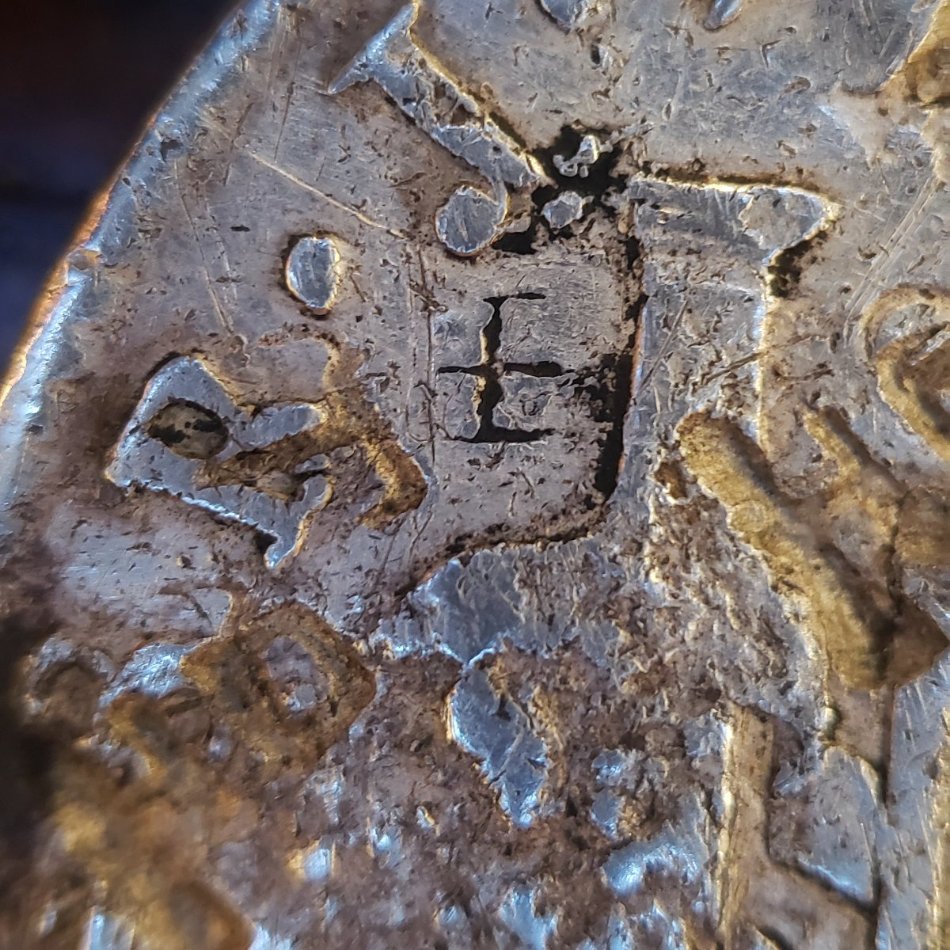
Hello all! I have with me here an 1808 Carolus IV 8 reales piece supposedly struck in Peru. I'm curious to know if there might be any possible historical significance to this coin, particularly the chopmark on the obverse with the two characters "#24037;#20154;"#65292; although marked in the opposite direction, "#20154;#24037;" (read backwards). In Chinese, "#24037;#20154;" directly translates to worker. Many 8 reales have been chopped with the symbol "#24037;", as these dollars were described with this character back in the day due to the Roman numerals "I" in Carolus's name. However, both characters, "#24037;#20154;", put together does mean worker in Chinese. During China's warlord period and subsequent civil war period between the National government and the Soviets, the Soviets manufactured numerous coins, including counterfeit 8 reales, many of them which they hand-marked with the character "#24037;". What caught my attention with this piece is that these two characters appear to be hand-carved, or chiseled, into the coin, rather than being stamped. From some of the resources I have read, the soviets did hand-carve the "#24037;" character into some of their earlier coins. I am familiar with the Soviet armies during the late 20s and early 30s having counterfeited Mexican 8 reales and other Chinese silver yuans. However, I haven't seen any resources or literature mentioning Spanish 8 reales. I'd love to read what some of you might think about this coin. It's mass on the scale is 26.68g. It is not magnetic. I haven'd done an XRF test or a specific-gravity test. Ping test sounds like my other silver 8 reales. My guess is that this coin is not an original peruvian 8 reales piece, but rather a contemporary countefeit. My judgements for this come from the dentricles as well as some abnormalities with the lettering. The edge design is also a bit crude. This piece could also be a modern forgery, although I'm not too sure. Thanks for having a look!










 Posted 10/31/2021 8:30 pm


