| Author |
 Replies: 14 / Views: 3,352 Replies: 14 / Views: 3,352 |
|
|
New Member
United States
13 Posts |
|
|
|
|
Pillar of the Community
Canada
668 Posts |
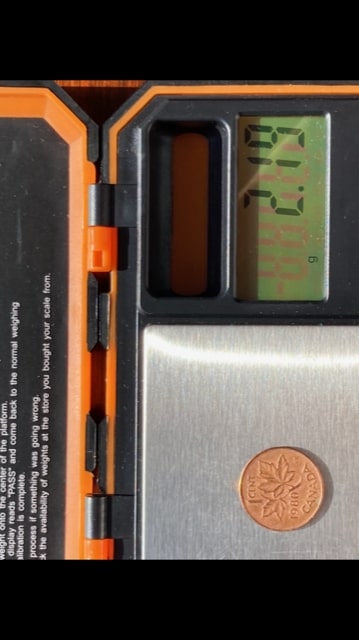
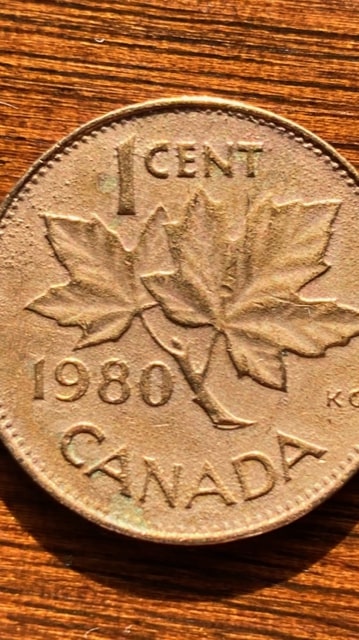
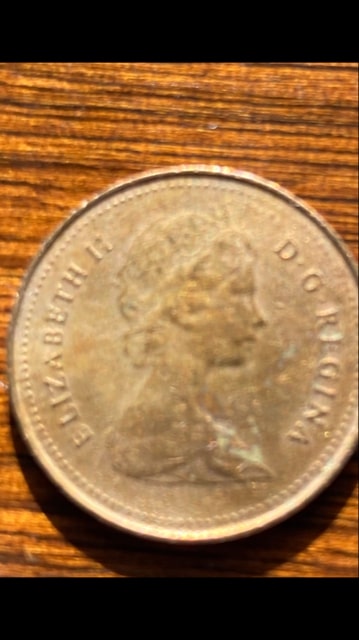
Somethings definitely off with the weight being that dramatically different. The first thing I notice is the granulated surface it has on the reverse. It almost looks counterfeit to me.. I'm curious what off metal strike is possible if any?
|
|
Pillar of the Community
Canada
3328 Posts |
I wonder if it's an error or an acid soaked coin. I think to know if it's an off planchette you would need an XRF done.
|
|
New Member
 United States
13 Posts |
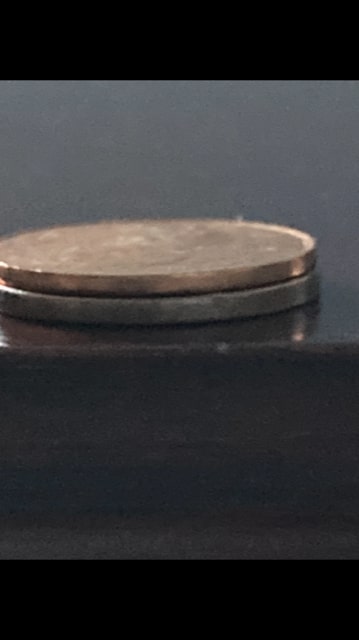
It is dentical as any other zinc Canadian penny, in every aspect only thin. It's not grainy but may appear that way coming from my camera.
|
|
Pillar of the Community
Canada
3328 Posts |
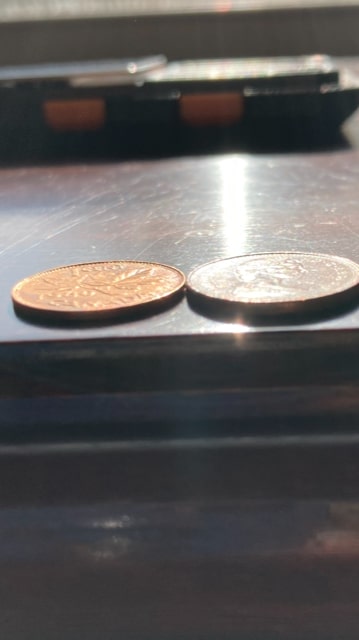
Canad didn't use zinc planchettes for Canadian coins in the 80/81 they were 98% copper. It seems smaller then the other cent in diameter that you posted, is that correct?
|
|
Moderator
 United States
56855 Posts |
 . My first thought was acid damage. John1  |
|
Bedrock of the Community
Canada
21890 Posts |
It looks like the diameter might be slightly smaller, if it is,
I would lean towards an acid etched cent.
|
|
Pillar of the Community
Canada
3328 Posts |
I'm leaning towards acid as well.
|
|
Pillar of the Community
 Canada
9903 Posts |
Coca-Cola coin
"Dipping" is not considered cleaning...
-from PCGS website
|
|
Pillar of the Community
Canada
1633 Posts |
The RCM didnt mint any coins in 1980 that match your coin's weight, dimensions or composition |
|
New Member
United States
13 Posts |
It may be an acid wash, and I can understand the copper coating being ruined forever but can you explain the shrinking of the density? Because the coin in diameter is exact. Did they leave it in the acid for a year? I did not do this to the coin my mother passed and I found this in her little collection. I'm sure she found it to be strange as well so she kept it. Like I said I'm new to this, 3 months actually so if my questions are stupid I apologize but still have this one question. But thanks in advance as I will take all of your advice and learn from it.
|
|
Pillar of the Community
Canada
842 Posts |
The rim will be eaten more quickly by acid than the inner section. The inner section has been compressed with thousands of pounds of pressure by the strike, while the rim is hardly compressed at all.
|
|
Pillar of the Community
Canada
5646 Posts |
From everything that I've read and followed on these things on sites for 20 years, the acid eats away slowly evenly, over, under, and through the coin. I've done these with coca-cola in Chemistry classes back in school days. It makes no difference, the edge or the monarch's head.
|
|
New Member
United States
13 Posts |
Ok. Here is the thoughts about the coin from my collector friend: He said he does not agree with the acid wash. He said when the copper is struck by the dies, the copper material flows into the depressions and reliefs and causes the material to have a change in structure.kinda like stretch marks on skin when we gain and lose weight .our skin is still in place . but it has a little different makeup or structure. With that being said, if the coin was soaked in acid some areas of the coin would be disintegrated or eaten away due to the copper material reacting differently to some places of the coin. Also more of the high relief details would be disinterested more from acid. He still feels the strike details are a bit light due to the planchet being thinner than the normal planchet, and the dies were not able to do a full strike. Thoughts?
|
|
Pillar of the Community
Canada
1801 Posts |
Looks like it was cast, not struck.
"We are poor little lambs...who have lost our way...Baa...Baa...Baa"
In memory of those members who left us too soon...
In memory of Tootallious March 31, 1964 - April 15, 2020
In memory of crazyb0 July 27 2020. RIP.
In memory of T-BOP Oct. 12, 1949 - Jan. 19, 2024
|
| |
Replies: 14 / Views: 3,352 |
|









 Posted 12/17/2021 12:09 pm





