As mentioned the doubling on the reverse is
Machine Doubling. (You have a better chance to find
DDR's on dime reverses more on the new coins. Obverses are pretty much done after the early 1970's
http://varietyvista.com/07%20Roosev...Listings.htmNote the ones in blue that are underlined? Those are the
DDO's on Dimes:
http://varietyvista.com/07%20Roosev...Listings.htm DDR's are similar, but on the new dies the reverses are affected in areas not often seen in the past, but in the new locations for the single squeeze dies. (look these up to see where to look for and what to search out.
But on your coin it is
Machine Doubling. There is on
DDR that is affected on that area, but seeing them side by side will help you see the spread easier.

Note the closed devices on how the inside areas are smaller than normal from a normal example. On your coin those affected areas are reduced in size. On a
DDR, the will be enlarged. (view image above again to see what I'm refering to)
On the obverse of your coin the date is showing a partial fill of grease and circulation flatting altering the date area. Note the ear and the side burn are affected on the outer edges of those devices. Exactly where
Machine Doubling affects the devices removing the contour edge and pushing it aside. On the
DDO's on Wexlers site show doubling on the ear of one die example.
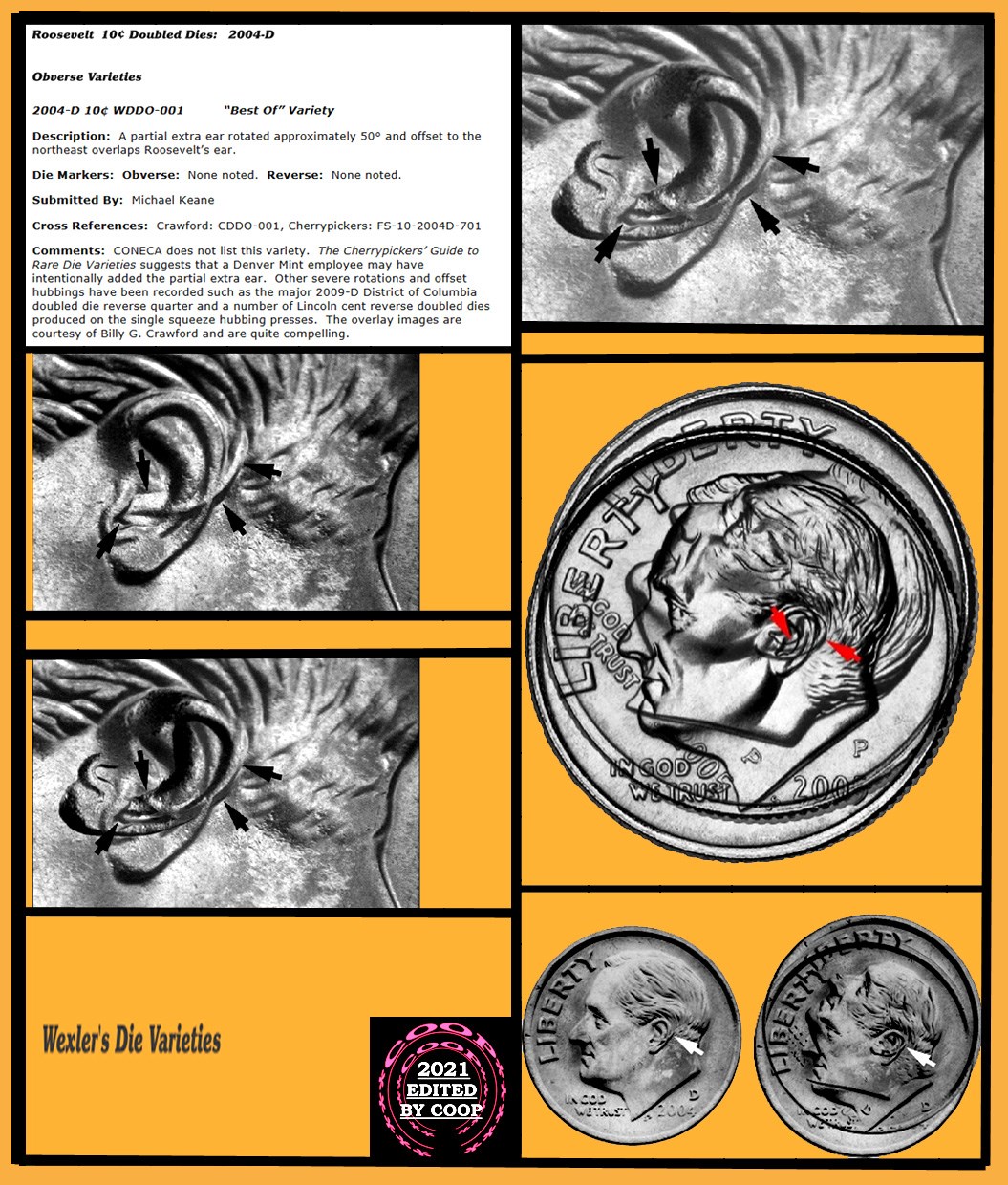
Note the affected area is the spread in the centers of the devices, not on the outside edges of devices. When you look at the outsides/insides of devices, there you will find the
Machine Doubling. Look for the spread. If none is present, move on to the next coin. Dawdling, you will find
Machine Doubling. Save your eyes. If you have to look for the spread, it's probably not there.










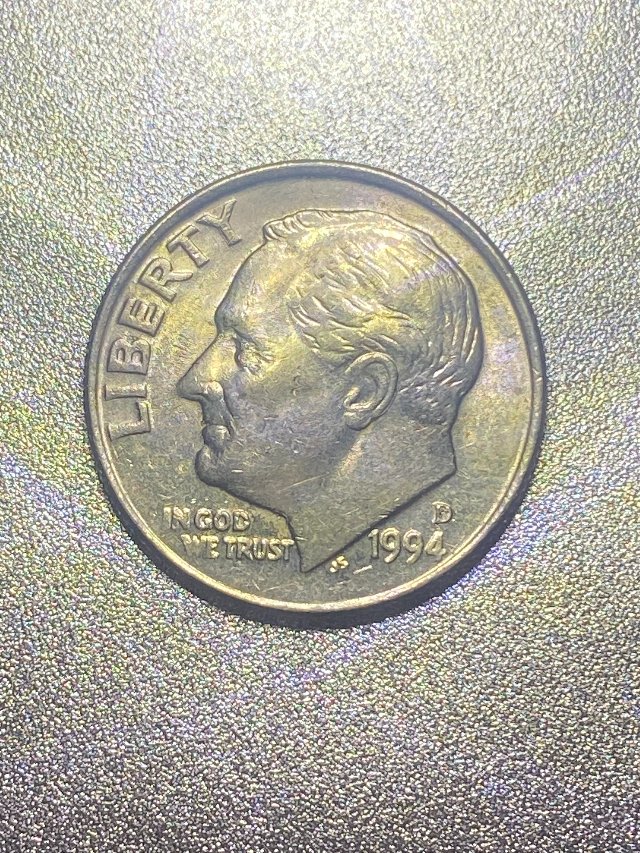
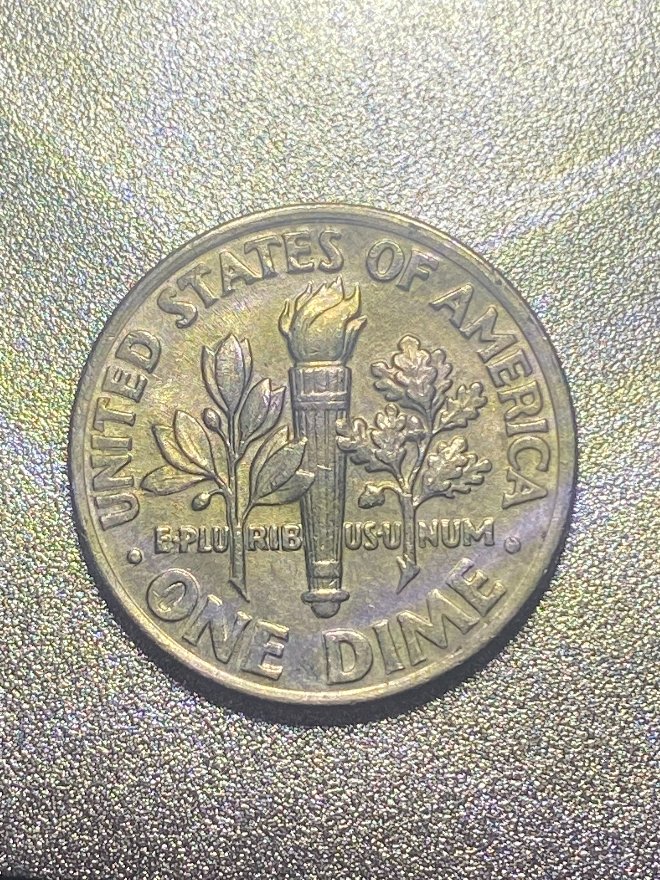
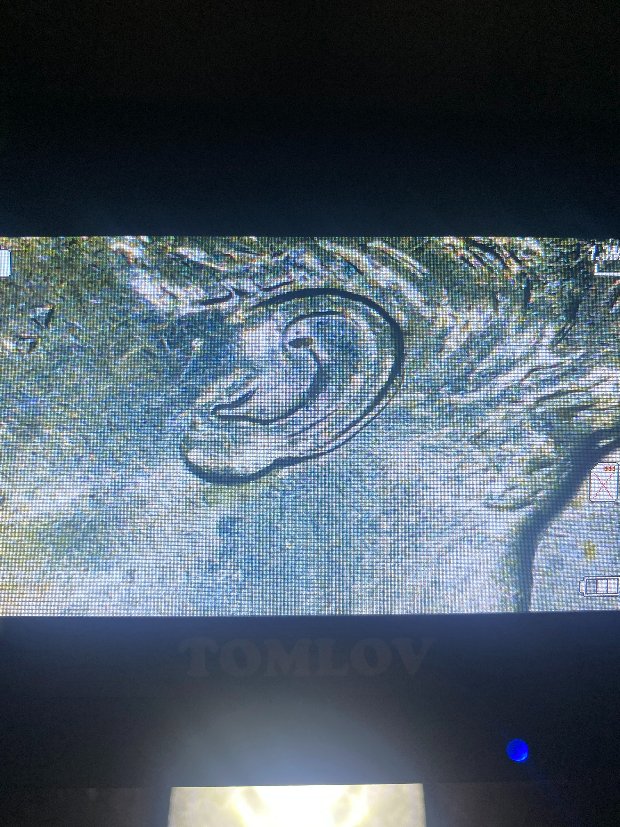
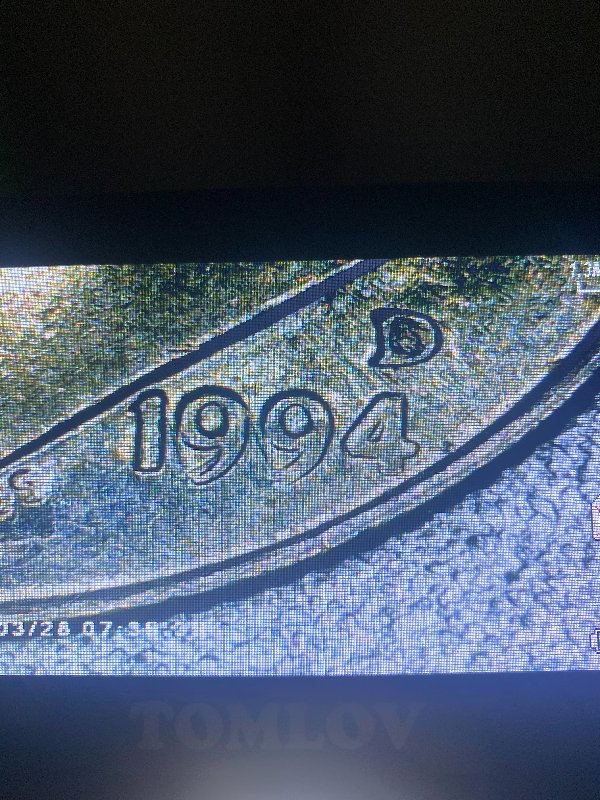
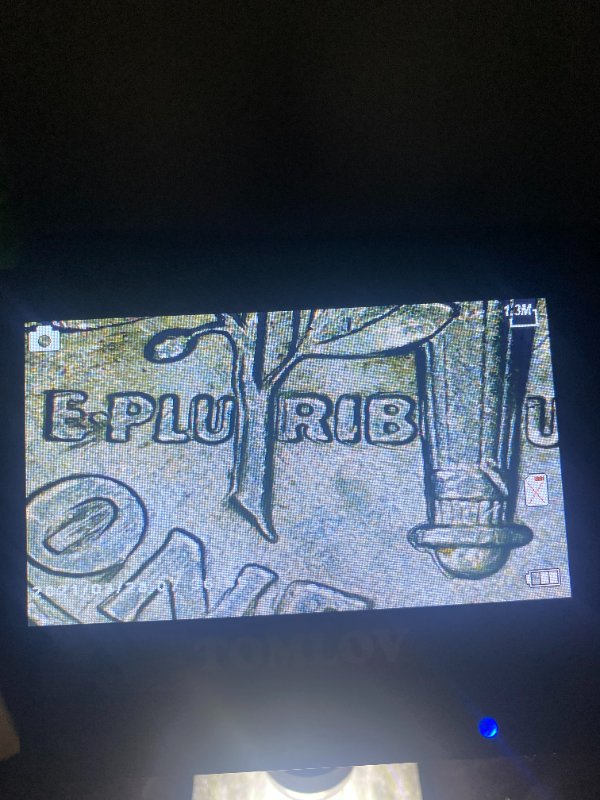


 . That is MD. There are many types of doubling, here is a site you need to bookmark and read:


 Posted 01/08/2022 11:13 am


