| Author |
 Replies: 12 / Views: 1,067 Replies: 12 / Views: 1,067 |
|
|
Valued Member
United States
172 Posts |
|
|
|
|
Pillar of the Community
United States
7581 Posts |
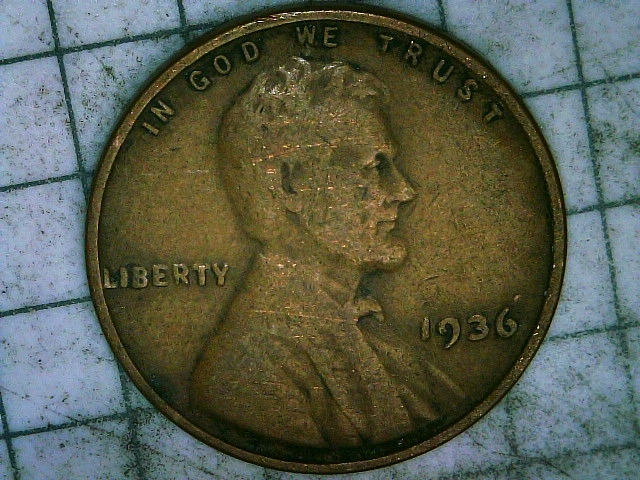
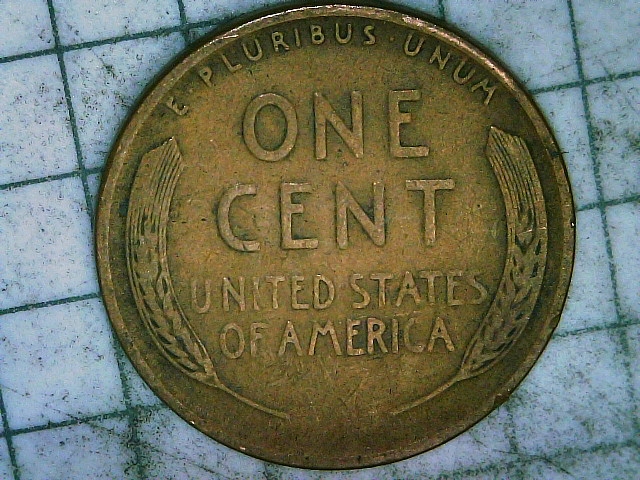
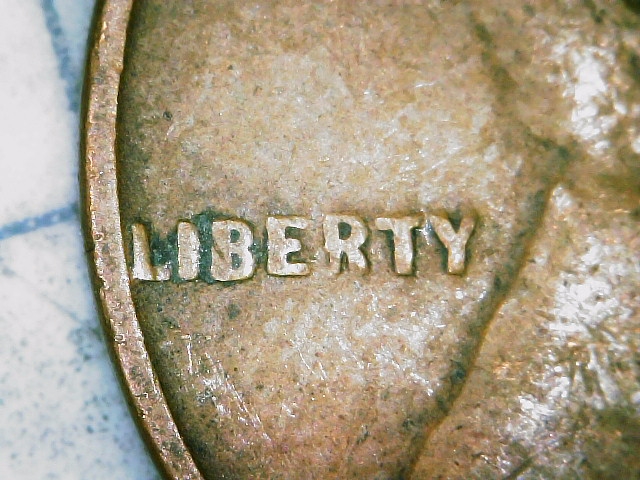
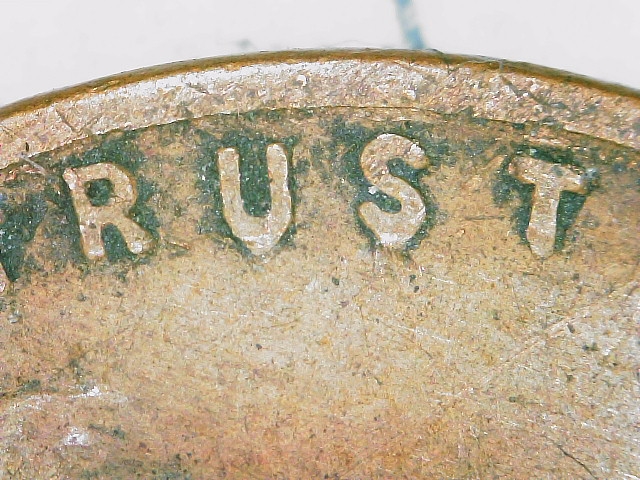
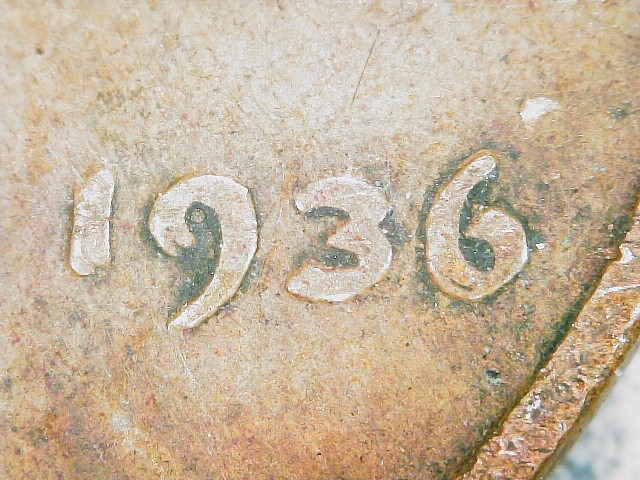
That's it, you have correctly identified it, Nice find and good luck with the rest of the batch.
|
|
Bedrock of the Community
United States
94367 Posts |
Nice example!  |
|
Pillar of the Community
United States
3003 Posts |
excellent find and variety i have yet to find a 1936 DDO... one of these days |
|
Moderator
 United States
56855 Posts |
It is not an error,it is a variety and a nice one. Are you going to Verdi-Care it? John1  |
|
Valued Member
 United States
172 Posts |
Hey John1,
You're 100% right that it's a variety and not an error. I was thinking of a few of the other error coins I've found so far in the collection.
I hadn't heard of Verdi-Care. I'd love to get rid of the dirt/grime on the coin. I don't plan on getting the coin graded but I still like to know I could if I wanted to without it coming back as "genuine cleaned". I've had success dipping clad coins in acetone before and have never had one come back from PCGS as cleaned. I've also heard success stories of people using MS 70 but neither of those options is a great idea for pennies.
What's your experience using Verdi-Care?
Edited by CRHunting
04/07/2022 1:19 pm
|
|
Moderator
United States
56855 Posts |
It's worth a try. Wait for more members to chime in on VC. John1 |
|
Pillar of the Community
United States
7581 Posts |
Error or Variety?
By Jay Turner - March 2, 2020 PCGS ArticleErrorsAn error is a mistake stemming from the method of manufacturing and can be insignificant or massive. The significance of the error can be judged on the specific mint that produced it and the tolerances that mint has for manufacturing defects, this is called "mint tolerance." Errors can occur at any time during manufacturing the coin. These mistakes can be anything from an inconsistent mixture of the metal that the coin is made from, to planchet-production issues, to striking, and even thereafter. Most errors are unique to that particular coin. If the metal is off, made on a wrong or clipped planchet, and/or struck incorrectly, usually this only occurs on one or perhaps a few pieces. Collectors of error coins judge the significance and the market value of these pieces, which means some errors can be considered detrimental and of less value as compared to a non-error coin, while others are considered significant and bring fortunes to those who discover and sell them. VarietiesA variety is often something that has to do with the die or dies that were used to produce the coins. The die that strikes or casts a coin holds the design that will be transferred to the coinage it produces. Any variance in design from one die to another causing a difference large or small on each coin struck from that die as opposed to another is a variety. These varieties can be significant or insignificant, again depending on mint tolerance. When dies were handmade, each one became different and often easily identifiable. Yet, any mint using handmade dies allows for significant differences from coin to coin, thus not considering it anything outside of their judgement of tolerance. When machine-made dies came into effect the degree of acceptable variance dropped and more consistent coinage was the goal. Die differences such as repunching, recutting, doubled dies, and other distinguishing factors became collectible varieties to the generic coinage for those who choose to collect them. These varieties will repeat on each coin struck by the die that holds this inconsistency, thus making them a variety. Some coins can be both errors and varieties. This has to do with the nature of the coin's manufacturing and quantities of pieces produced. Die breaks, mules, and even some off-metal strikes are both errors and varieties by numismatic definitions. For instance, die-breaks are caused when the die starts to crack and break away. These are progressive error-varieties that change as more and more of the die breaks away. And, since most pieces struck by these failed or failing dies would never be considered acceptable by most mints, they are considered both an error and a variety as they repeat on multiple coins, some assigned by reference numbers. Mules are errors from which two dies never designed to be used together are; they are considered both errors and varieties. Some off-metal pieces like the transitional 1943 Bronze and 1944 Steel Lincoln Cents are so famous that even though they are errors they are considered by some necessary varieties for their complete Lincoln Cent set. Following a long hiatus of implementing this process on coinage, the United States reintroduced edge inscriptions in 2007 to dollar coins, and this edge lettering was added in a separate step from striking the obverse and reverse. Entire bins of struck coins never had their edge lettering added in error and were released to circulation without edge lettering. These are errors but were produced in such abundance that they are considered a variety to the series.
Edited by Chase007
04/07/2022 1:51 pm
|
|
Pillar of the Community
586 Posts |
I bet you come across some decent woody's/ lamination issues as well
|
|
Valued Member
United States
172 Posts |
Yes, 100%. I've definitely found a significant amount lamination issues.
|
|
Pillar of the Community
United States
713 Posts |
Congratulations on finding your first "significant" [my word] DD - That is a nice one.
Verdi-Care is for verdegris, which I don't see one your coin [just dirt]. At that, it is only marginally effective at getting rid of minor verdigris. I'd take a porcupine quill to it. Just remember, it is your coin to do with it what you want.
You don't need to apologize for posting some of your finds - Keep 'em coming.
Regarding your stash: I would recommend separating them out by date and mint mark and keeping them. You may likely find yourself re-searching them for varieties as you learn about more. I have found many that I 'missed' the first time through.
Edited by CentSation
04/11/2022 8:58 pm
|
|
Valued Member
United States
172 Posts |
Thanks CentSation, I really appreciate it! I had never heard of using a porcupine quill before. Is that used because it's soft enough that it can't cause damage to the metal? The only thing I've heard of so far about cleaning dirt off of pennies that seems *somewhat* agreed upon in the coin community is to use distilled water but I doubt that will really be able to get the crud out of the crevices on its own.
Also, I love your idea of sorting and storing the pennies. I definitely keep finding out about new RPMs, OPMs, and doubled dies that I didn't check for on my first pass through.
Thanks again!
|
|
Pillar of the Community
United States
2260 Posts |
Nice find. I have found #1 and #3 but #2 is still alluding me. Quote:
You may likely find yourself re-searching them for varieties as you learn about more. I have found many that I 'missed' the first time through. Some of my best finds have been "going thru them again. It's surprising how many can be missed the first time around. Maybe it's just my old eyes. Good luck with your hunt. |
| |
Replies: 12 / Views: 1,067 |
|









 Posted 04/07/2022 11:31 am





