











 Posted 06/24/2022 05:42 am


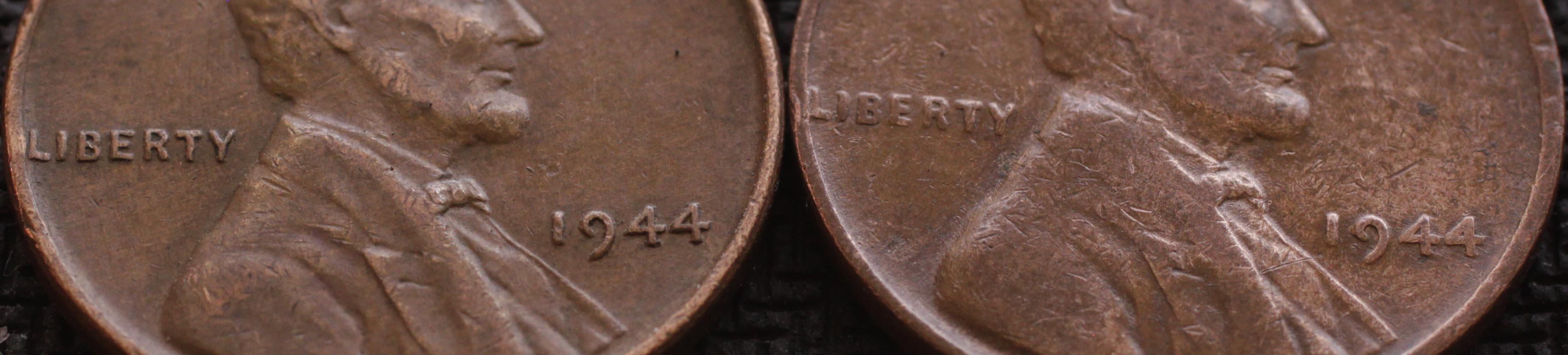
This is an example of a 1944 with class VI doubling at the date. The extra thickness of the doubling is only seen on specific parts of the numerals like the tail of the 9 ,while other parts , like 2 o'clock on the upper curve of the 9 are of normal thickness. This is the distorted extra thickness to look for to identify a doubled die of this type. Overall extra thickness of the whole numeral or letter usually indicates a deteriorating die or circulation flattening.

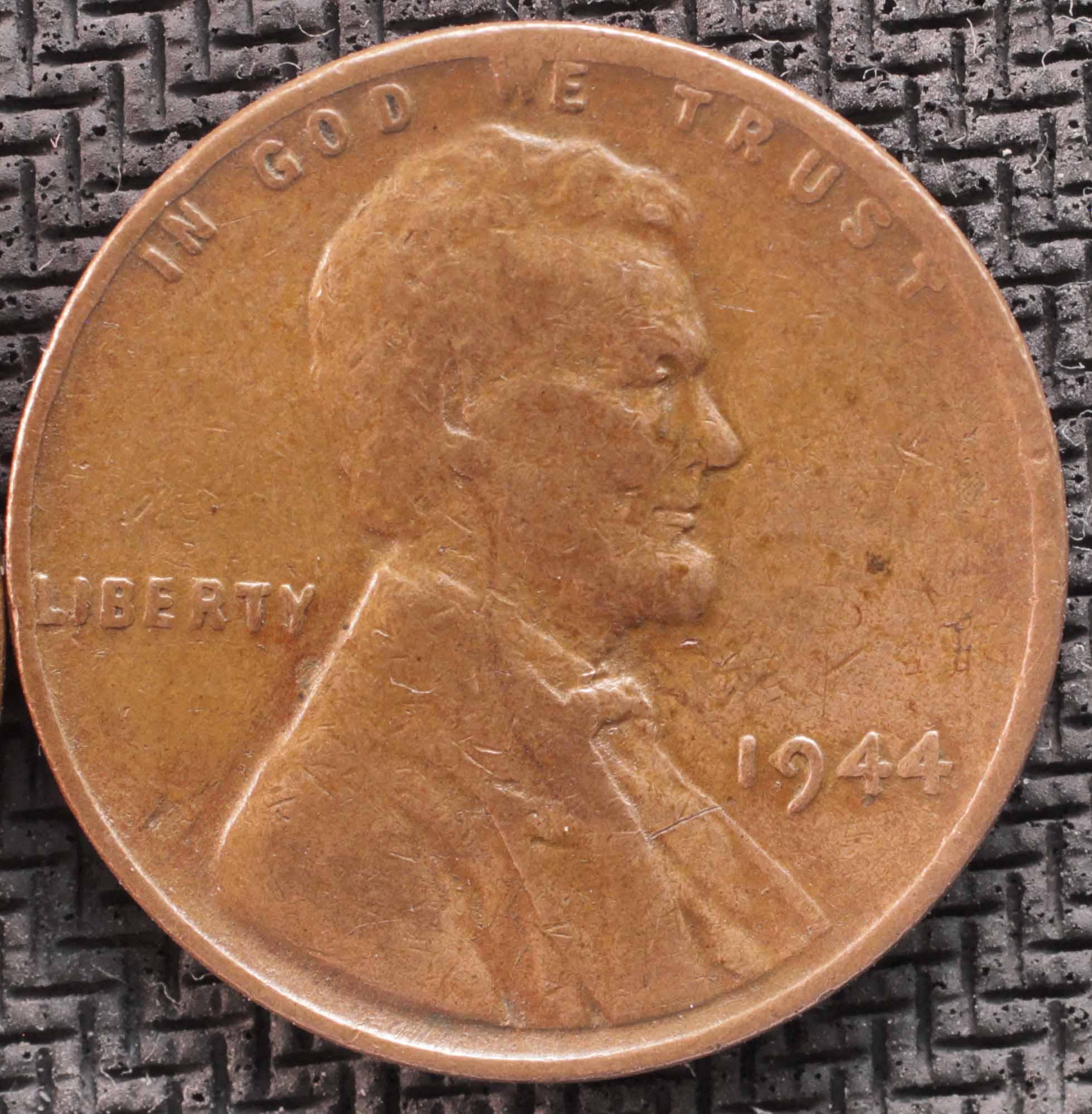
I'm not seeing anything on your coin that shows the distortion of a doubled die.
I'm not seeing anything on your coin that shows the distortion of a doubled die.

 If you are referring to the date it appears to be circulation flattening.


 circulation flattening.


