| Author |
 Replies: 5,946 / Views: 249,812 Replies: 5,946 / Views: 249,812 |
|
|
|
Pillar of the Community
 United States
8057 Posts |
Back to Ferrara for this 1709 coin of 13 quattrini (really ... the 13 is at the bottom, obverse): 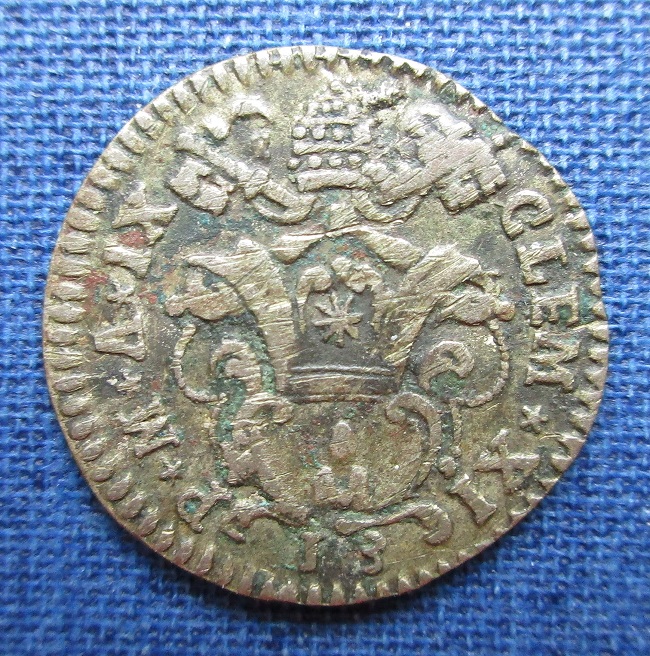 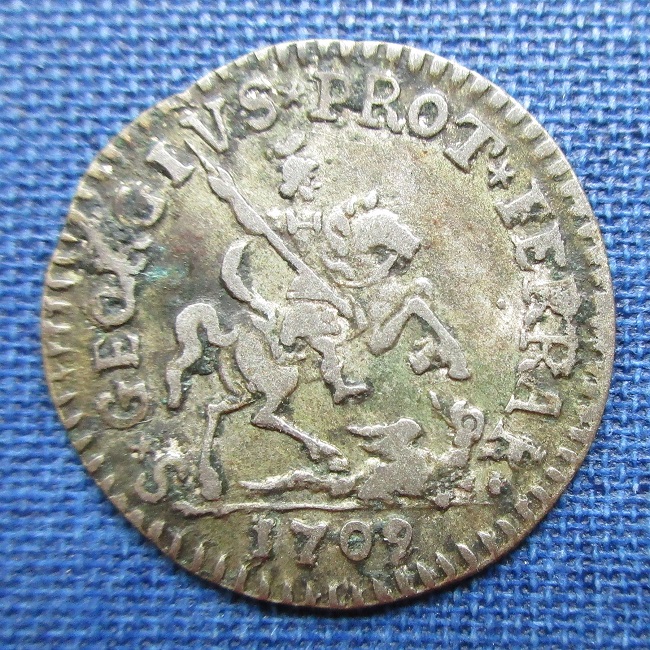 |
|
Bedrock of the Community
United Kingdom
18925 Posts |
Great Britain 1708 halfcrown (Edinburgh Mint): 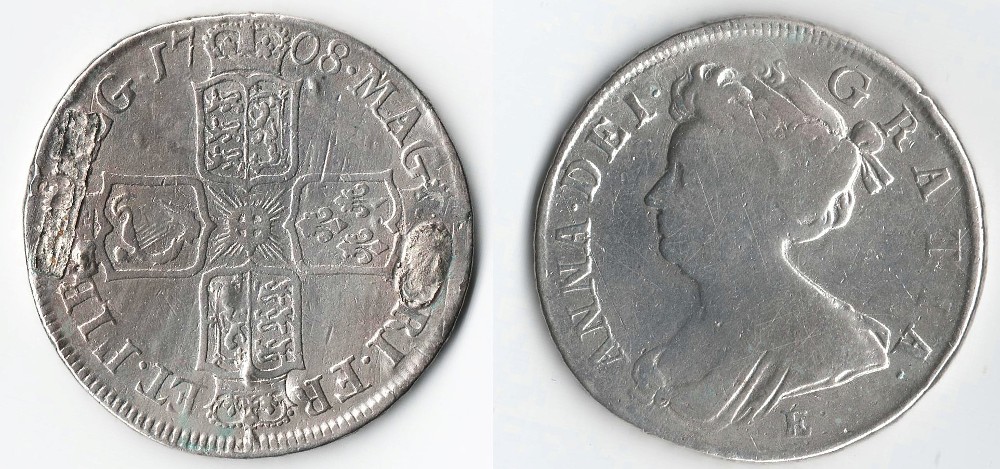 |
|
Bedrock of the Community
United States
12057 Posts |
1708 FN 3 Kreuzer, Silesia Joseph I Breslau (Wroclaw) mint   Member ANA - EAC - TNA - SSDC - CCT #890 "Most of the things worth doing in the world had been declared impossible before they were done." -- Louis D. Brandeis |
|
Pillar of the Community
United States
8057 Posts |
Nice! I've got a few Silesia coins coming up next few decades. 1707 1/12 thaler (2 groschen) coin struck in Leipzig for Saxony and Poland:   |
|
Pillar of the Community
United States
8057 Posts |
Near match to paralyse's coin from two days ago. Silesia, 1706 CB, 3 kreuzer, Brieg (Brzeg) mint: 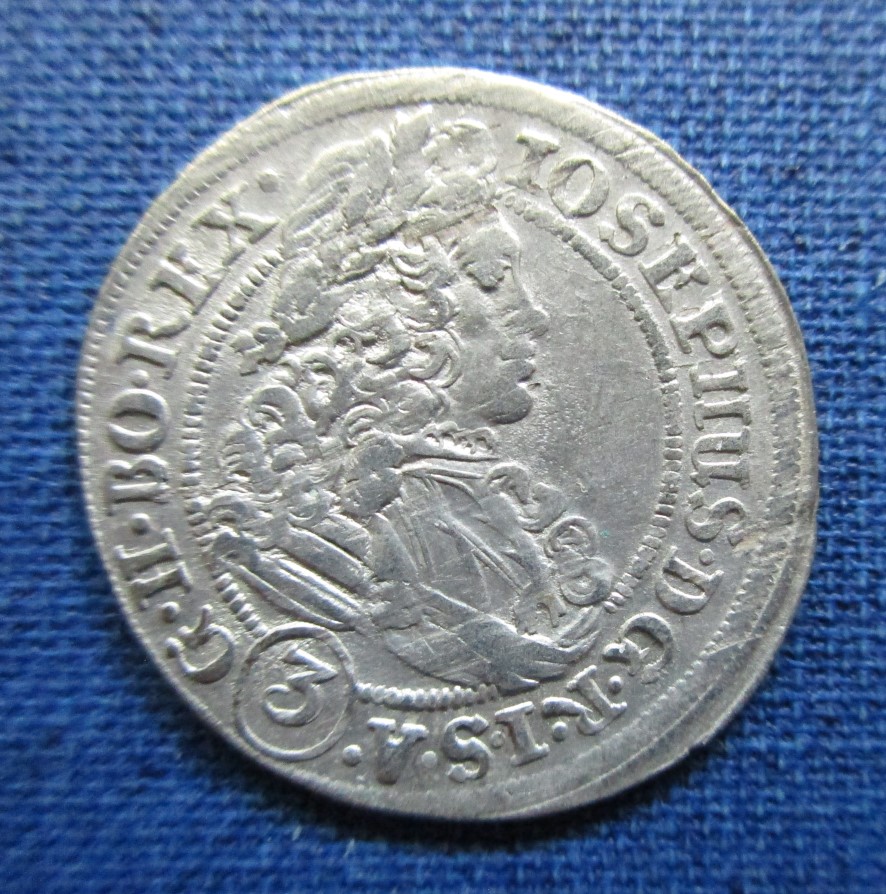 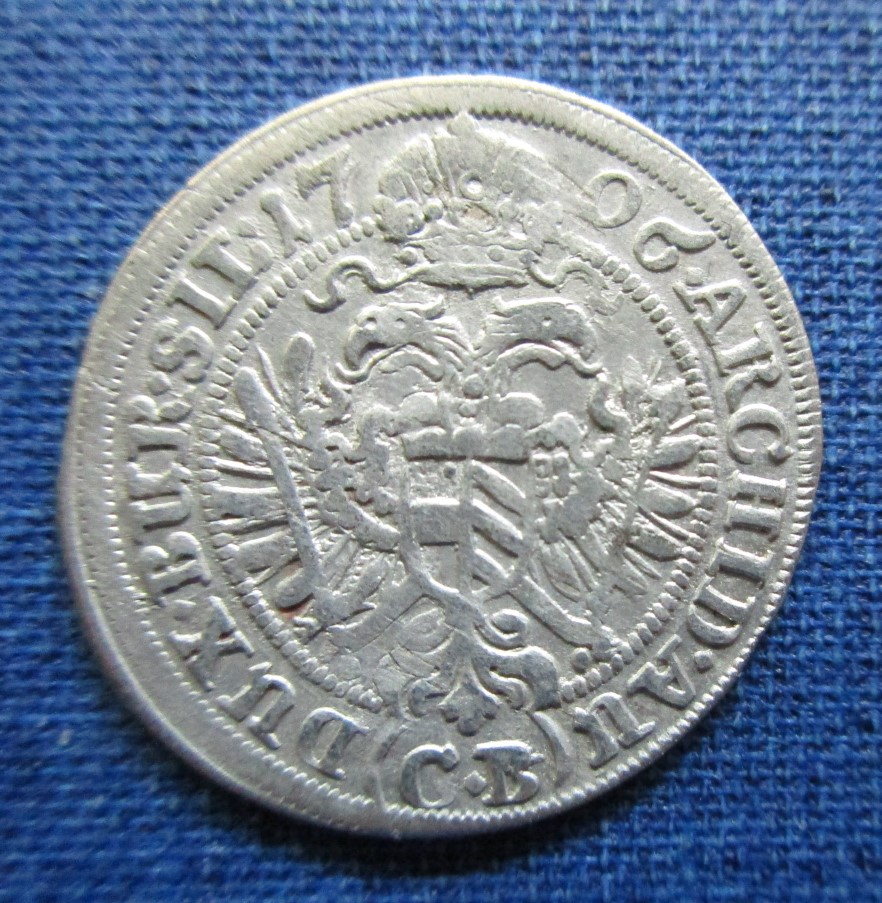 |
|
Moderator
 United States
34563 Posts |
Almost back to the 17th Century already! Fantastic progress so far and I'm going to try to participate some, although not sure I've got much new stuff for another hundred years or so. Here is a 3 Petermenger from the German Archbishopric of Trier dated 1706 AD. Speaking of Peter, that's him up in the cloud on the rev. 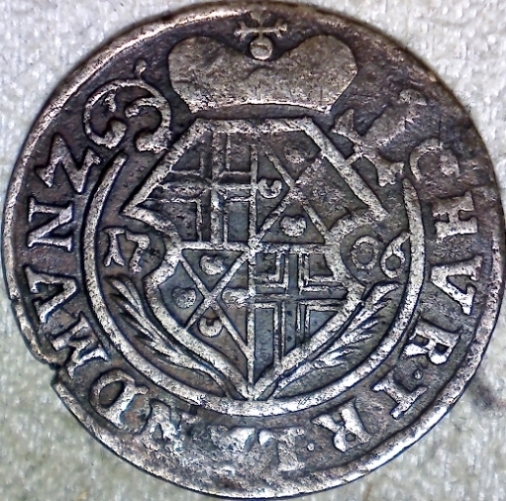 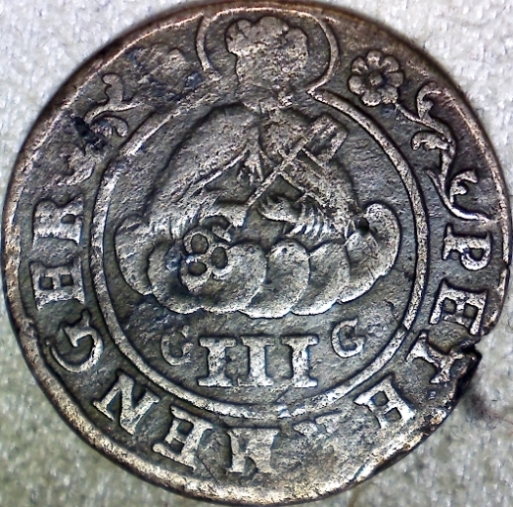 "If you climb a good tree, you get a push."
-----Ghanaian proverb
"The danger we all now face is distinguishing between what is authentic and what is performed."
-----King Adz
|
|
Pillar of the Community
United States
8057 Posts |
I think Trier is the only place that shows St. Peter this way. Pretty cool! I have another Saxony-Poland coin for 1705, this time a 1/24 thaler struck in Dresden: 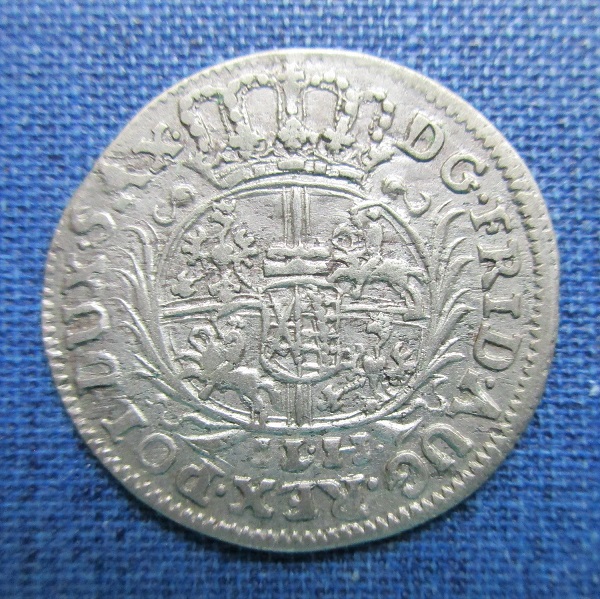 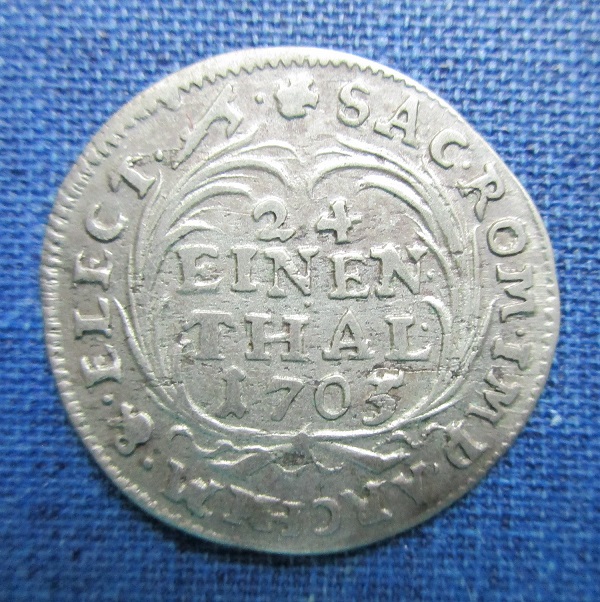 |
|
Moderator
United States
34563 Posts |
This 12 Mariengroschen from the German State of Brunswick-Wolfenbuttel was featured in an earlier wildman thread ( http://goccf.com/t/264257 ). It is dated 1705 AD. 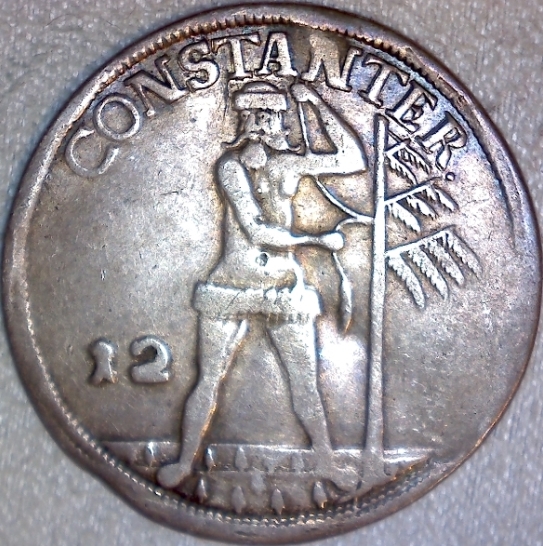 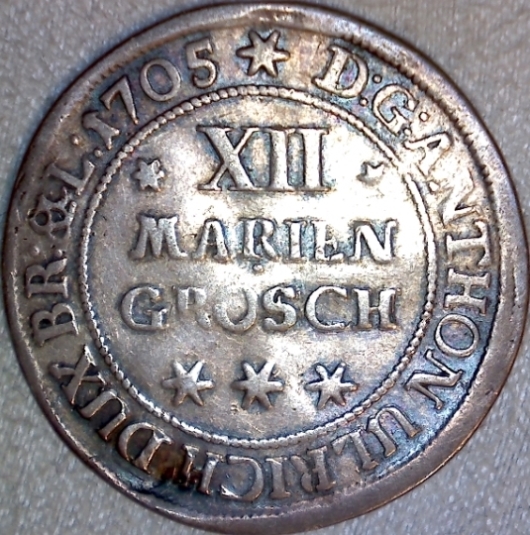 "If you climb a good tree, you get a push."
-----Ghanaian proverb
"The danger we all now face is distinguishing between what is authentic and what is performed."
-----King Adz
|
|
Moderator
 United States
196342 Posts |
Quote:
Almost back to the 17th Century already! Fantastic progress so far... I agree!  Where has the time gone?  |
|
Pillar of the Community
Sweden
2124 Posts |
France 1704, ecu, Louis XIV, Paris (A).  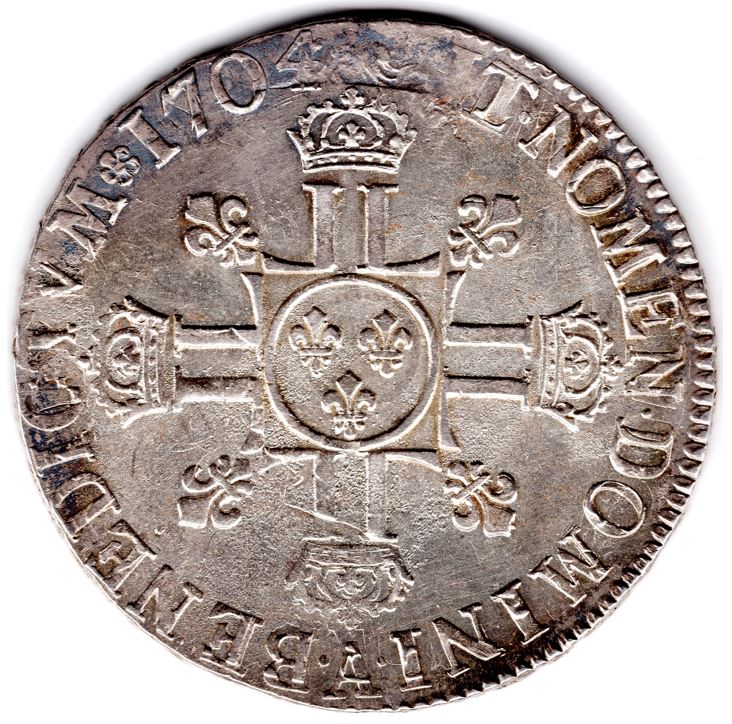 Like most French ecus from this period, another restrike, more precisely the 4th restrike of ecus, performed 1704-05. I like this one, because one can clearly see that the host coin is from the 2nd restrike: the obverse shows clear traces of that coin, even the year of that restrike, 169(9?), is visible. Furthermore, the reverse shows vague traces from that restrike's host coin: a smaller circle in the mid circle, fleur de lis between the dittos of the current strike, plus some of the inscription. That coin is from the 1st restrike, performed 1690-93, and it is more likely than not that there is an even earlier original host coin (of which no traces remain, but the 1690-93 issue was primarily restrikes on old coins). A coin having gone through at least two, and probably three, restrikes! |
|
Pillar of the Community
United States
8057 Posts |
I am impressed by how much of the earlier detail gets removed in the re-striking process. I wonder if any attention is paid at the mint to exactly how it gets done. For example, I think most examples I have seen, the coin gets flipped obverse-reverse in the process.
|
|
Moderator
United States
34563 Posts |
Super coin @era! Here is another oddity: a square Thaler from the German City state of Ulm that is dated 1704 AD. At 28 mm on a side and 13.8 g, it is a pretty hefty chunk of silver. 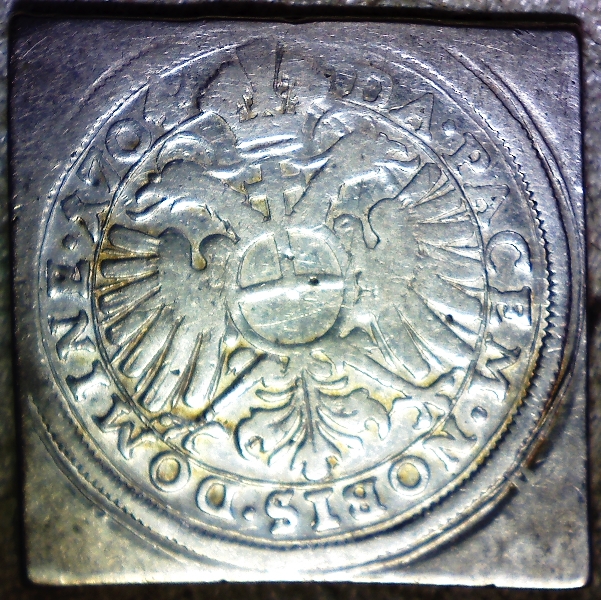 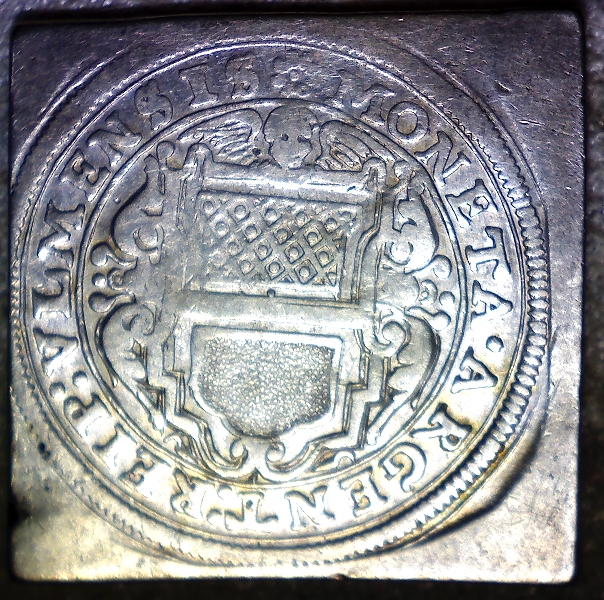 "If you climb a good tree, you get a push."
-----Ghanaian proverb
"The danger we all now face is distinguishing between what is authentic and what is performed."
-----King Adz
|
|
Pillar of the Community
United States
3824 Posts |
A lot of very interesting recent examples! That 1704 ecu is something else, erafjel; I don't recall seeing a coin that had been restruck multiple times like that.
|
|
Pillar of the Community
Sweden
2124 Posts |
Thanks all  Quote:
I think most examples I have seen, the coin gets flipped obverse-reverse in the process. That is an interesting observation, tdziemia. I had to check my restrikes to see (what else is there to do on a Saturday evening  ). Out of my five restrikes from this period, four are flipped the way you have observed (and the 1704 has gone through two such flips), so perhaps the mint workers did indeed do that on purpose. Quote:
I am impressed by how much of the earlier detail gets removed in the re-striking process. The coins were struck with rather heavy but manual equipment: The balancier was a coin press where a powerful strike was generated by a long arm with heavy (lead or bronze) weights at the ends. The arm was swung by several men, who had to work in shifts. I suppose towards the end of a shift, the strikes may have been a bit weaker and the quality of the restrike a bit worse ... 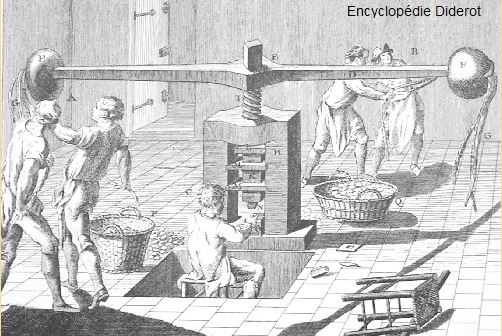 Source: Diderot's Encyclopedia Source: Diderot's Encyclopedia |
|
Bedrock of the Community
United States
12057 Posts |
A quick step back and then forward with 1703, both German States 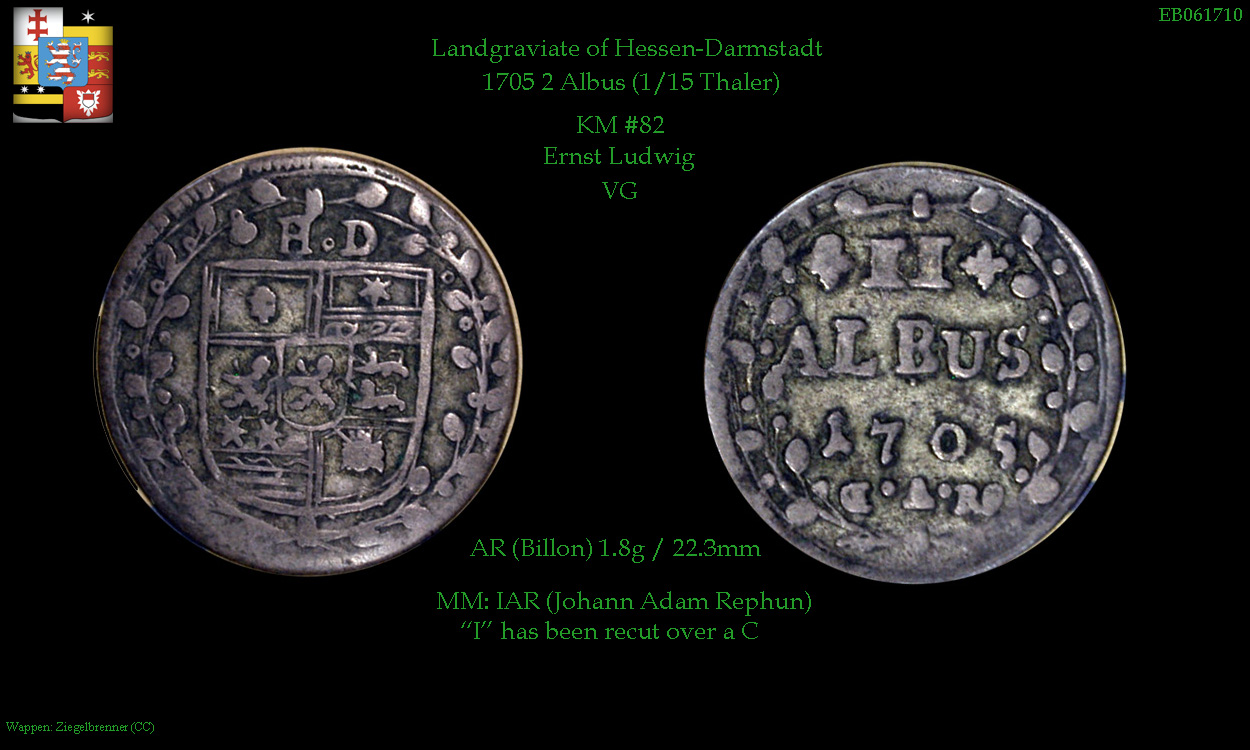 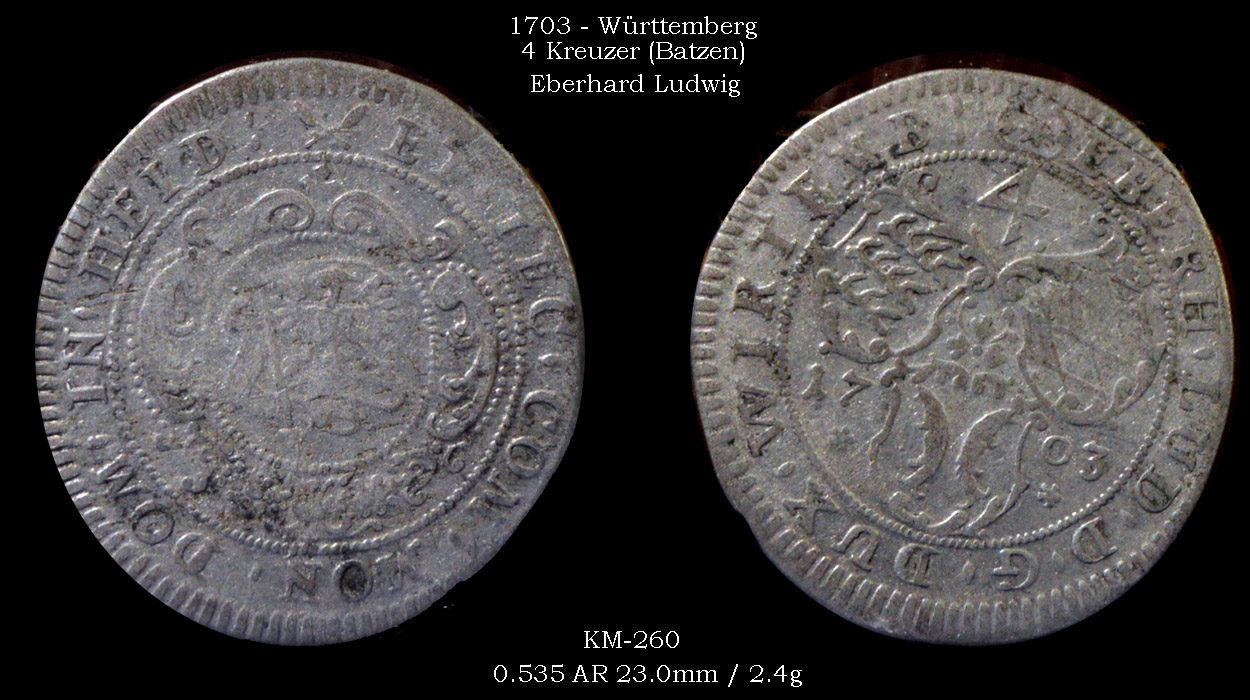 Member ANA - EAC - TNA - SSDC - CCT #890 "Most of the things worth doing in the world had been declared impossible before they were done." -- Louis D. Brandeis |
| |
Replies: 5,946 / Views: 249,812 |





 First Page
 Previous Page


 Posted 07/11/2023 04:24 am





