I visited the historic town of Lewes in Sussex yesterday. Dating back to Saxon times, it was the site of a mint from early Saxon times until the reign of King Henry I. The town was chosen by William the Conqueror as the site of one of his castles, to defend a gap in the Downs. Wiliam de Warenne (who came over with the Conqueror in 1066 and fought at Hastings) and his Flemish wife Gundred (said by some to have been an illegitimate daughter of William the Conqueror) founded a priory at Lewes in 1076, after a visit to Cluny Abbey in France.
Some 462 years later, the Priory of Lewes was dissolved by King Henry VIII, and the buildings were used as a stone quarry by the local townsfolk. Today only ruins survive. But Henry VIII has another connection with Lewes!
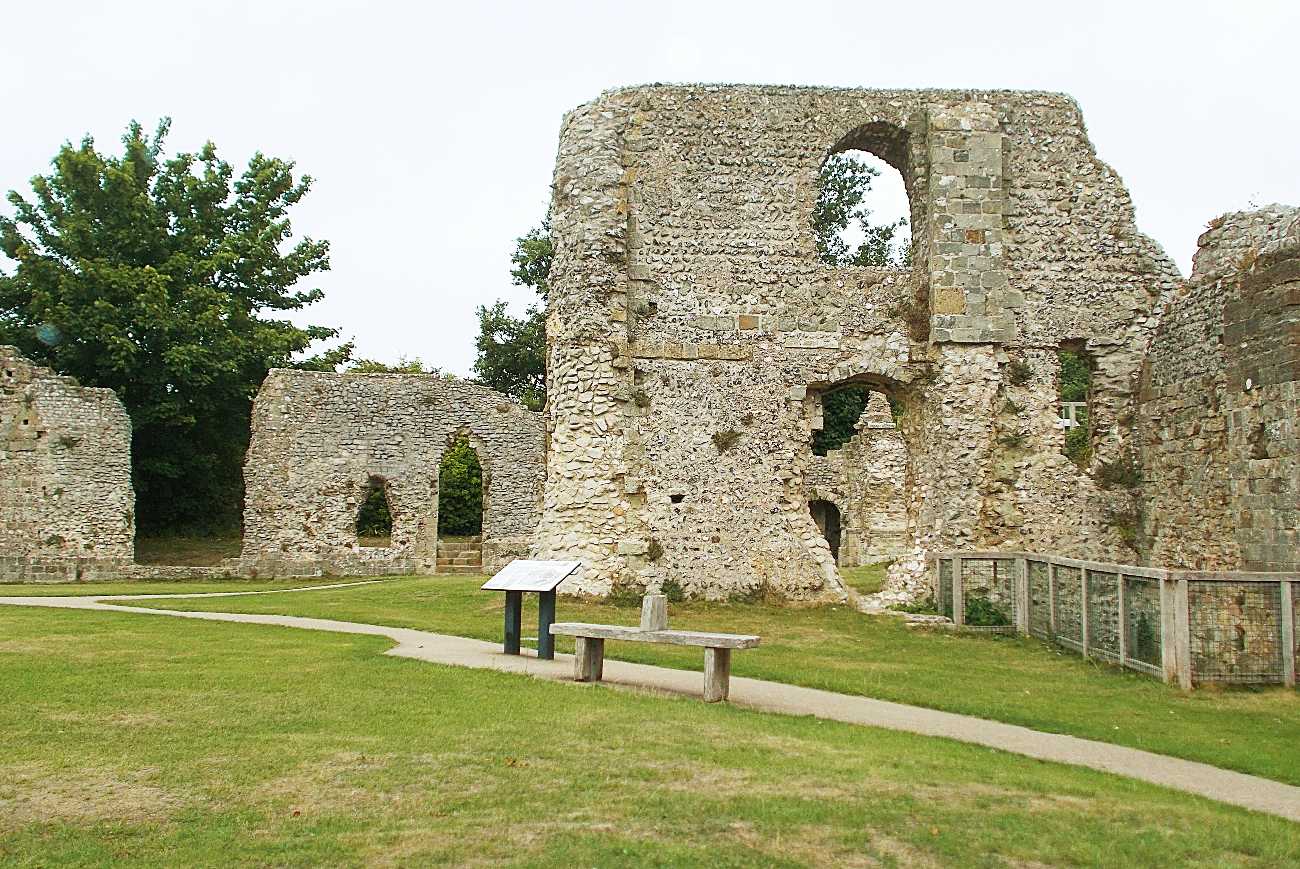
Henry VIII married Anne of Cleves for political reasons in 1540 but the marriage was never consummated. Anne agreed to an annulment and received a favourable settlement that made her one of the richest women in England, so was in a way perhaps the most fortunate of Henry VIII's wives! Her settlement included a number of properties, including a 15th-century house just outside the walls of Lewes Priory. There is no evidence that she actually lived there, but she rented it out for seven shillings and sixpence a year, and may have inspected the property from time to time.
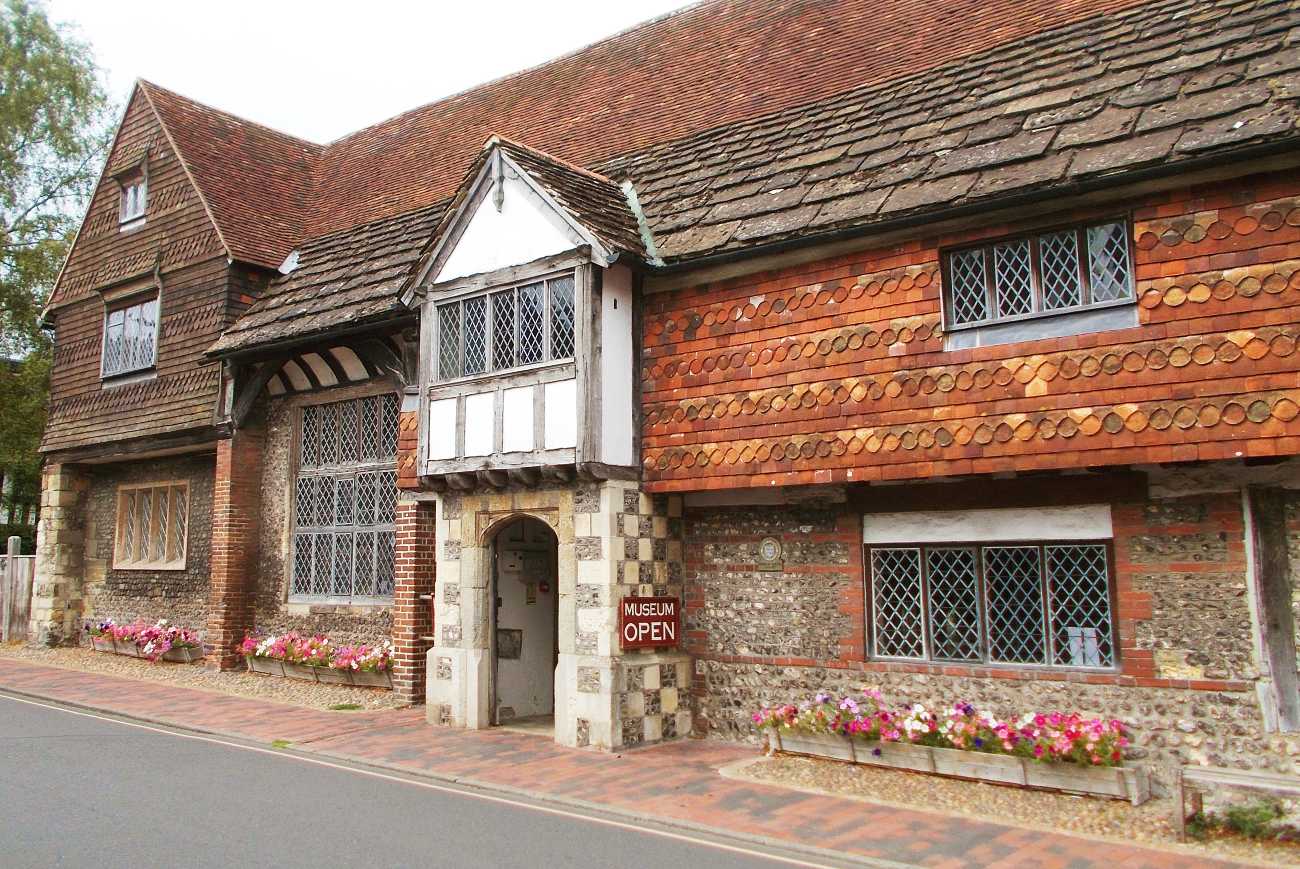
After passing through a number of owners, by 1871 the old house was rather dilapidated and had been divided into several apartments housing 30 people. A relative of the then owner later purchased the house and restored it as a museum, named the Anne of Cleves House. It is fun to imagine the tenant in the 1540s paying his rent - would he have presented Anne of Cleves with a gold Angel, three half-crowns or seven testoons, a groat and a halfgroat?










 Posted 08/24/2022 09:17 am


