| Author |
 Replies: 13 / Views: 1,567 Replies: 13 / Views: 1,567 |
|
|
Valued Member
United States
96 Posts |
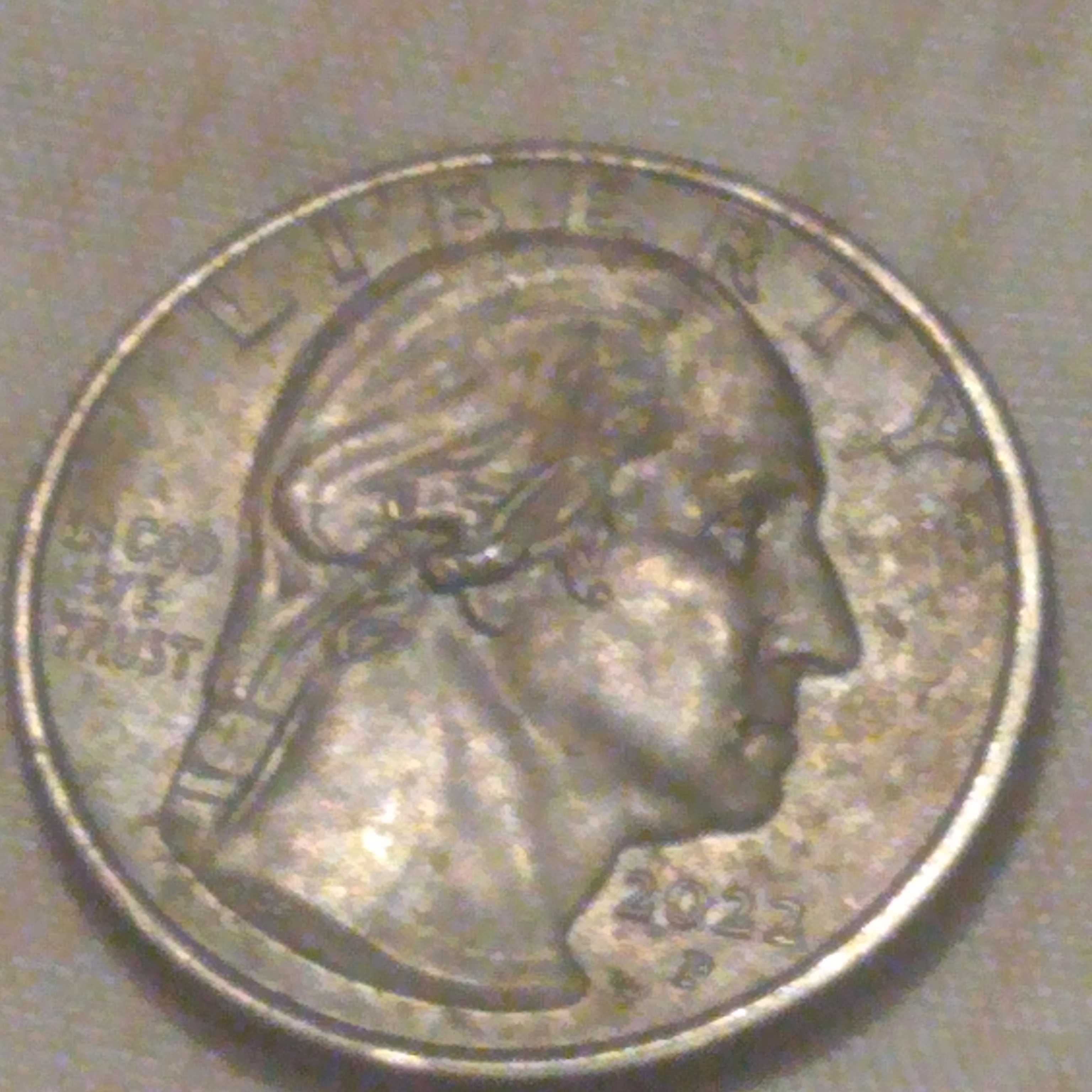
What chemicals can cause I coin to be permanently stained I have a 2022 Sally ride quarter that almost looks black what would cause that
|
|
|
|
Moderator
 United States
56855 Posts |
|
|
Valued Member
 United States
96 Posts |
Don't have any coins like that a friend of mine does
|
|
Bedrock of the Community
Canada
21854 Posts |
There are many things that can cause a coin to stain or discolour and it is not
always possible to say exactly what.
A clear photo of both sides may help but no matter what caused it,
a stain is damage to the coin.
|
|
Valued Member
United States
96 Posts |
Out of curiosity is it possible for a coin to be stained from the mint as in where the coin was made
|
|
Valued Member
United States
53 Posts |
A coin can be improperly annealed when it leaves the mint, causing a different color (usually gray - dark gray), but its sometimes hard to tell the difference between that and environmental damage, especially on circulated coins. These are not something that you would commonly find in pocket change
Far, far more likely is that dark colors or staining are due to environmental damage after it left the mint.
Without clear, focused, and cropped pics, it's impossible to give you an accurate answer.
|
|
Valued Member
United States
96 Posts |
I understand and makes sense I'll try to get a pic
|
|
Bedrock of the Community
United States
20027 Posts |
Coins tone for approximately ONE BILLION different reasons. Unless you toned it yourself, nobody can positively say what caused it.
|
|
Pillar of the Community
United States
5866 Posts |
I agree with Hobbes9. Usually, staining is Post Mint Damage. Figuring out what someone had for dinner might be easier than what might stain a coin (if you studied their shirt  ) Words of encouragement are one of the major food groups.
We need to consume them regularly to thrive and grow.
|
|
Moderator
United States
194459 Posts |
Quote:
Coins tone for approximately ONE BILLION different reasons. Unless you toned it yourself, nobody can positively say what caused it.  |
|
Valued Member
United States
95 Posts |
|
|
Moderator
Australia
16961 Posts |
For bright shiny metal objects, Earth is a rather hazardous planet. All sorts of things, in the air, in the water, in the ground, in the biosphere, can cause oxidation and corrosion of the bright shiny surface, as the environment attempts to turn the piece of metal back into the piece of ore from which it came, and this is the most common cause of "staining" of a coin. Then of course there are all the man-made chemicals a coin could theoretically be exposed to, either by accident or deliberately.
Black staining can come from numerous sources. Heat is one, especially a high-carbon flame. Simply holding a coin above a candle flame is enough to turn it black, without being hot enough to damage it. Sulfur is another cause for blackening of coins, and sulfur has a thousand everyday sources from cardboard to garlic, though this works best on silver and copper coins rather than the cupronickel face of a quarter.
Finally, it could just be ink, oil, or some other goo that's been smeared onto the coin without actually causing corrosion or reacting with the metal chemically. In which case, a good solvent like acetone can make the black "stain" come right off, revealing a perfectly normal coin underneath.
Don't say "infinitely" when you mean "very"; otherwise, you'll have no word left when you want to talk about something really infinite. - C. S. Lewis
|
|
Pillar of the Community
Canada
6244 Posts |
The Nickel black it is Ni2O3. For coins in general is from sulfur expose. They are also on the market solution which will turn the nickel black and those are use more by fakers of the fake annealing.
|
|
Valued Member
United States
96 Posts |
|
| |
Replies: 13 / Views: 1,567 |
|







 Posted 08/31/2022 09:57 am