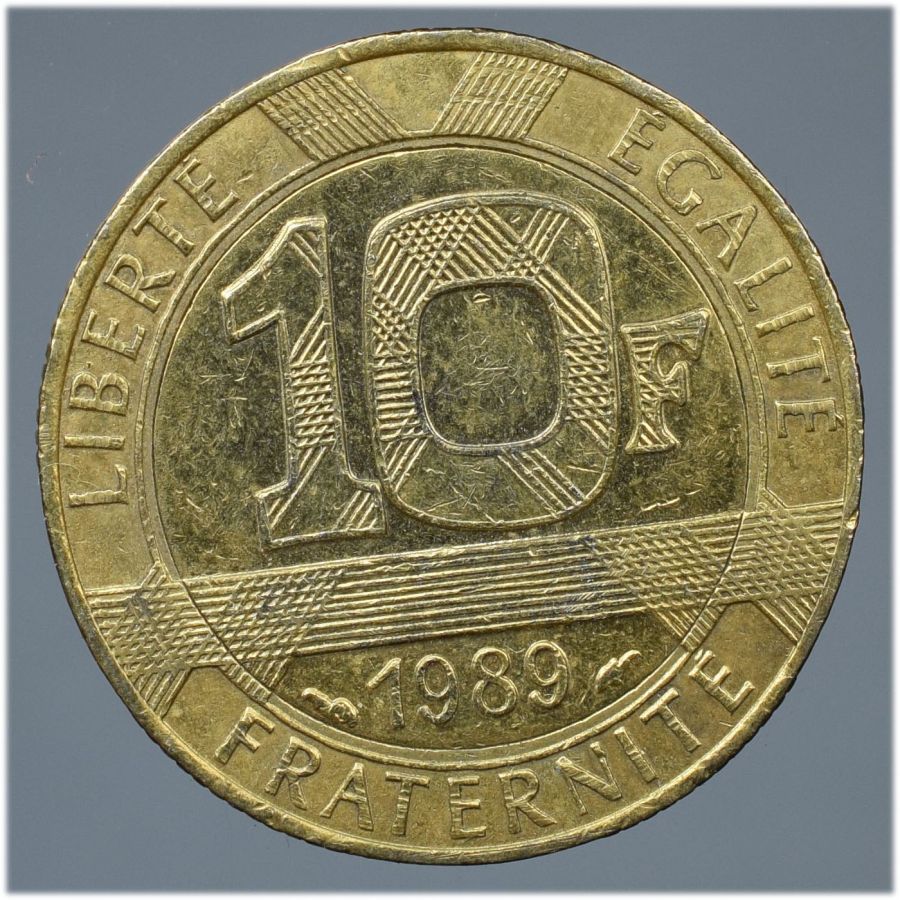
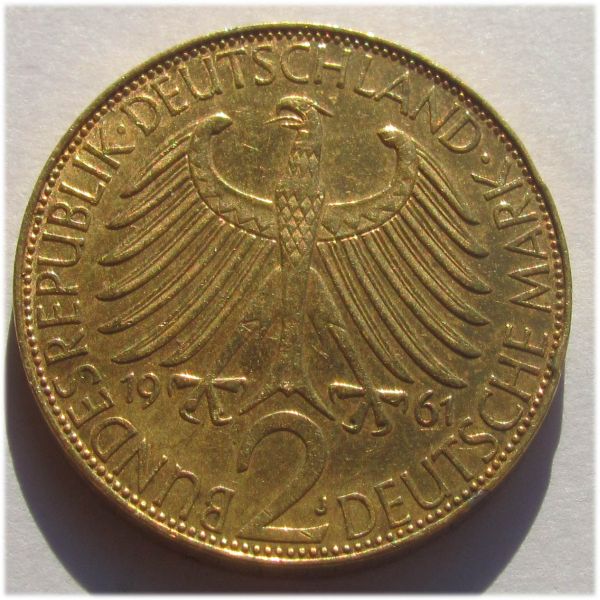
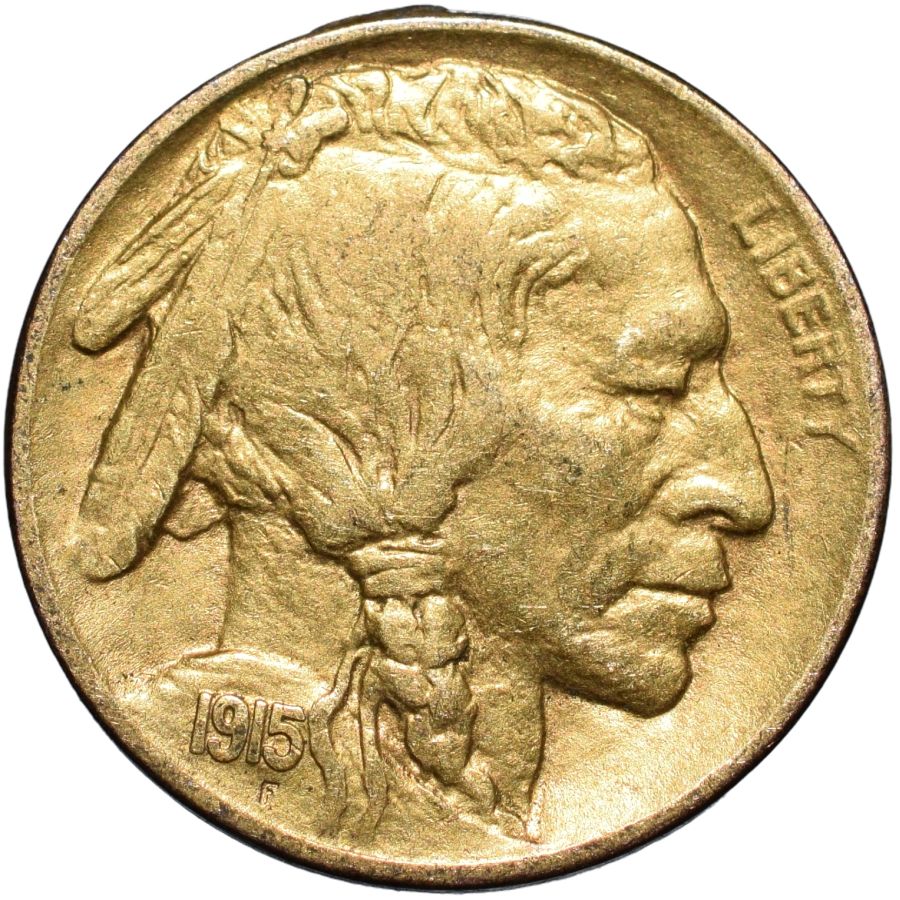
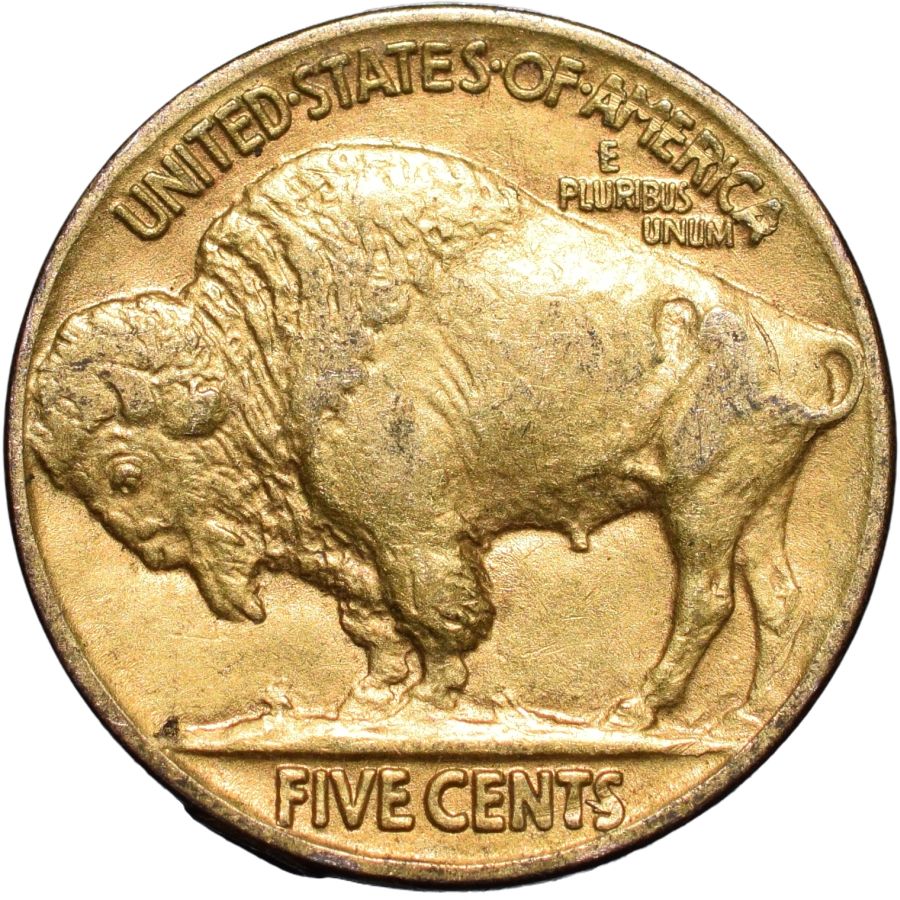
If you find a gold-coloured example of a coin is normally not gold-coloured, there are two possible explanations: the coin really is made of a gold-coloured metal, or the coin has been plated or painted to make it look golden.
Mints very rarely deliberately make "off-metal strikes" these days - it used to be done occasionally by some mints back in the 1800s, and there was a brief fashion of them in the 1970s at the height of the world coin craze, but not any more - the mints have found that having these coins out there in the secondary market simply causes confusion, and creates opportunities for fraud. So most of the genuinely "wrong metal" coins would be classified as "mint errors".
A "wrong planchet" mint error is when a blank that was intended for use with a different coin is struck - a 5 eurocent blank getting struck by 50 eurocent dies, for example. "Wrong planchet" errors typically happen at large mint corporations which strike dozens of different coin types for numerous different countries, thus creating a "foreign planchet" mint error. And these days, most mints don't make their own planchets, but import them in bulk from South Korea, which gives added opportunity for mix-ups to happen, in the factory in Korea.
However, a "wrong planchet" or "foreign planchet" error will almost certainly have the wrong weight, since the different metal would have a different density. It would be incredibly improbable for a planchet to have exactly the same weight and size as another planchet in a different metal. So if your coins are all the correct weight, then a "wrong planchet" error can be ruled out.
This leaves us with the "painting or plating" explanation. Plating a coin, especially with actual gold, does not noticeably increase the weight, since you only need a very very thin layer of gold to achieve the "golden colour" effect. It is surprisingly cheap; the amount of gold plated onto a coin is typically much less than a dollar's worth, even at current gold prices.
This plating is almost always done unofficially. If a Mint wants to make a differently-coloured coin, they'll make it out of solid metal, rather than plating a normal coin. Privately-made plated coins might be made for any and every reason. There are rip-off coin sellers who plate coins, then try to sell them to non-coin-collectors and fool them into thinking that they're something rare or valuable. There are counterfeiters, who try to plate a low-value coin to make it look like a higher-value coin (like painting a 5 eurocent gold, to make to look like a 50 eurocent, for example). And there are people who are simply fooling around with electroplating equipment, or chemicals in general, and create a plated coin either accidentally or deliberately, just because a coin is a convenient piece f metal that's lying around that they can test their equipment on.
My Dad was a university chemistry lecturer. As a chemistry demonstration on the principles of electrochemistry back in the 1970s, he would sometimes wire up copper coins into a solution containing dissolved zinc; the zinc would deposit onto the coin, making it appear silvery. I have one of "his" coins in my collection: an Australian 2 cent piece that looks silvery, because of the zinc plating. I should point out that in most countries, including Australia, it is actually illegal to try to plate or paint a coin to make it look like a coin of higher denomination - see my note on "counterfeiters" above, for the reason why.
On electroplated coins, there is often a telltale spot or gap in the plating, where the underlying metal shows through. This is the spot where the wires were attached. It is possible, but rather tricky, to electroplate a coin so as to avoid leaving the telltale spot, but it's not something that happens by accident.
Finally, it's possible to achieve something resembling "gold plating", purely by accident. Certain environments (such as chlorinated water in a fountain or pool) can make cupronickel coins turn yellowish or brownish; this can, if the conditions are just right (or wrong), make a silver-coloured coin look golden.
And finally finally, there is one final option: that the coin is completely fake, a counterfeit coin, and the counterfeiter made their fake coins out of the "wrong metal". Such fakes are usually plated with a correct-looking metal before they are released, but such a plating will eventually wear away, showing the coin's true colour underneath. A counterfeit coin only needs to fool one person, once, and it's mission accomplished for the counterfeiter - they don't care what their coins might look like years into the future.
Don't say "infinitely" when you mean "very"; otherwise, you'll have no word left when you want to talk about something really infinite. - C. S. Lewis









 Posted 10/16/2022 6:36 pm