| Author |
 Replies: 8 / Views: 1,209 Replies: 8 / Views: 1,209 |
|
|
Pillar of the Community
United States
2332 Posts |
Seasons Greetings! Traditionally Saint Nicholas was born in Patara, Lycia, 270 AD. He was bishop in Mrya, Lycia. He died 343 AD. Writings about him came later. His good deeds evolved into the myth of Santa Claus. I have a few coins from Patara and Myra, here are two of Gordian III 225-244 AD. Saint Nicholas may have been familiar with these coin types. Patara, reverse Apollo in temple, 30.8mm, Aulock 253a. Myra, reverse Artemis Eleuthera in temple, 32mm, Aulock 148var. Some excavations have been done in these two cities. 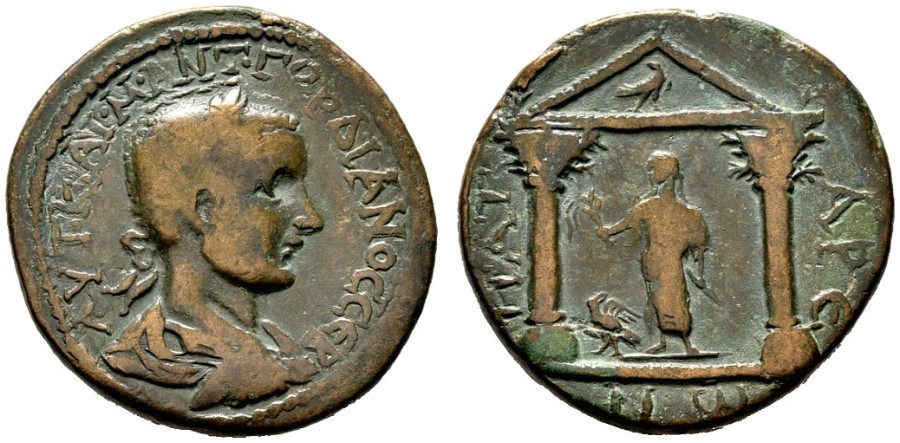 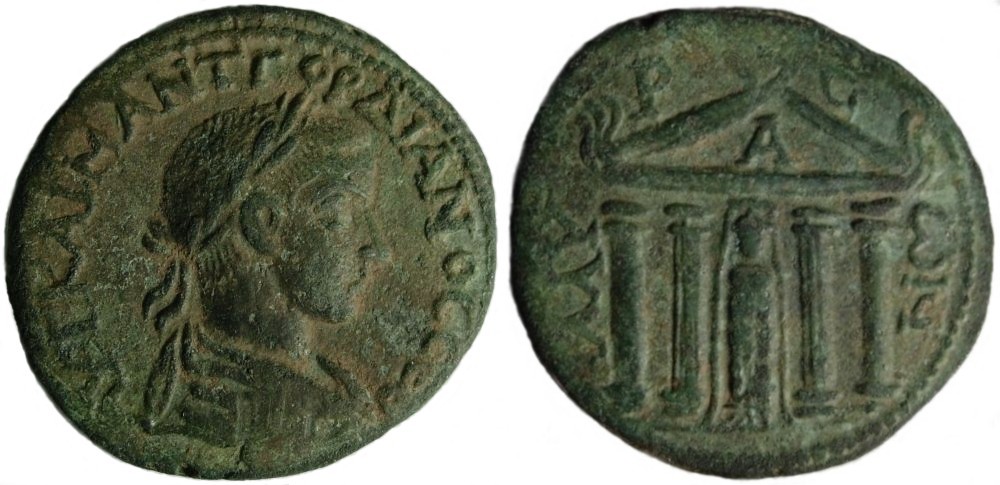 Edited by livingwater
12/10/2022 5:46 pm
|
|
|
|
Moderator
 United States
56855 Posts |
Nice read, thanks for posting. John1  |
|
Pillar of the Community
United States
4085 Posts |
We have always celebrated "St. Nick" in our family by placing socks or stockings out on the night of December 5th so that St. Nick can fill them with candy and oranges or tangerines.
It is uncommon here in the US but part of my and my wife's German heritage.
|
|
Pillar of the Community
 United States
8038 Posts |
Nice idea for a thread! I apologize in advance for hijacking it out of the ancient world. Fast forward seven centuries after Nicholas' death, and some noble (and enterprising) Christians decide his body should be moved out of Myra to protect it from the advancing Turks. The body arrives in Bari, Italy in 1087, then ruled by a dynasty of Norman nobles as part of the Kingdom of Sicily. . I think this is the earliest coin in Western Christendom with Nicholas' image, a follaro struck around 1140 in Messina, Sicily. Spahr 76: 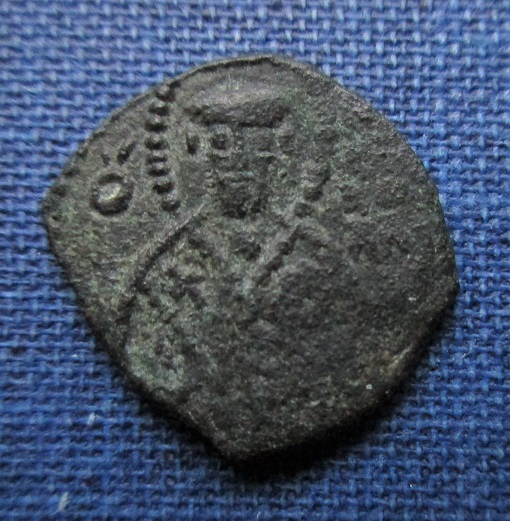 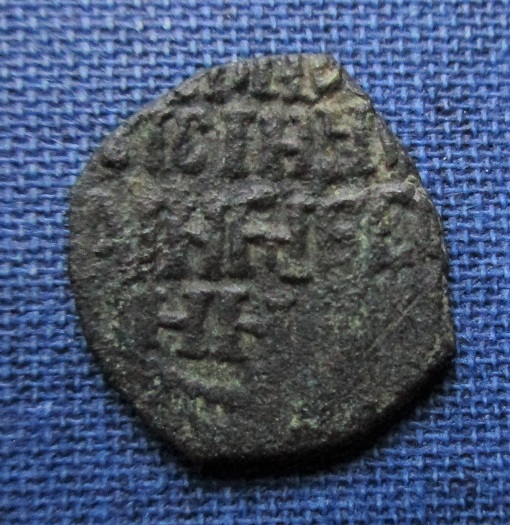 Among the interesting attributes of this coin is that Nicholas is NOT pictured in the pointed miter of western Christianity, but with a low hat that I suppose was what bishops wore in the Eastern church. The "French connection" would result in some of Nicholas' relics travelling to northern Europe, and his cult spreading to all the places where his feast day is now celebrated (northeastern France, Netherlands, western Germany). From a numismatic viewpoint, he is associated with these additional places (there may be more): Duchy of Lorraine: https://en.numista.com/catalogue/pieces322312.htmlSwiss Canton of Fribourg: https://en.numista.com/catalogue/pieces102181.htmlSIlesian Duchy of Teschen: https://wcn.pl/archive/310119?q=%C5...4skie+grosz:Edited by tdziemia
12/11/2022 9:22 pm
|
|
Pillar of the Community
United Kingdom
1168 Posts |
A very interesting thread indeed. Thanks for posting and sharing.  |
|
Pillar of the Community
 United States
2332 Posts |
Not hijacking at all, I enjoyed the additional info, wasn't aware of that coin.
|
|
Pillar of the Community
Russian Federation
5186 Posts |
Quote:
From a numismatic viewpoint, he is associated with these additional places (there may be more) Here's another one - Italian duchy of Sabbioneta: https://en.numista.com/catalogue/pieces167193.html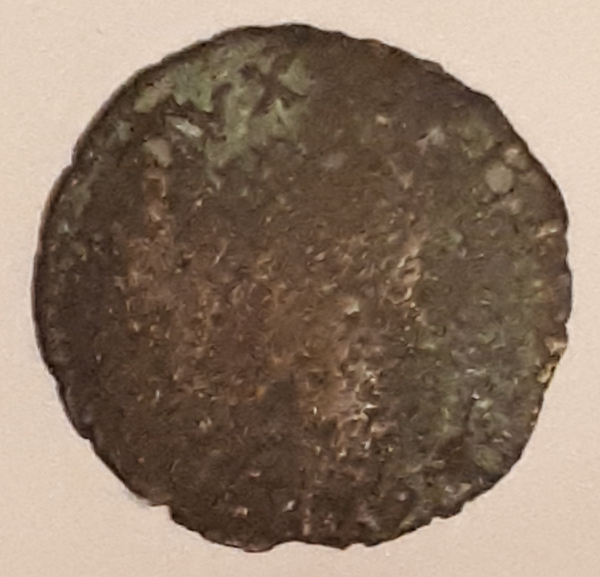  (I apologize for posting such a low-quality coin, but it's what I have. Numista has a much better example.) Edited by january1may
12/12/2022 11:00 am
|
|
Pillar of the Community
United States
8038 Posts |
Those Gonzagas put many different saints on their coins for reasons I don;t fully comprehend (always something new to learn).
|
|
Pillar of the Community
Russian Federation
5186 Posts |
Quote:
Those Gonzagas put many different saints on their coins for reasons I don't fully comprehend (always something new to learn). The reason appears to be relatively prosaic in this case: Vespasiano Gonzaga was born on December 6th, which is the feast day of St. Nicholas, so he considered Nicholas to be his patron saint. (AFAICT there's an issue after his death that also features St. Nicholas, but shortly afterwards that stopped... of course IIRC the duchy of Sabbioneta didn't last long after that in the first place.) Edited by january1may
12/12/2022 1:19 pm
|
| |
Replies: 8 / Views: 1,209 |
|










 Posted 12/10/2022 4:15 pm


