G'day,
thankyou for that R'81. Where I live, 12 degrees from the equator, light from the sun is plentiful.
Archraz: there are two varieties of Pistrucci's sculpture. I've read very little about it: Marsh doesn't pick up on it in his book on Sovereigns.
Because of my interest in this aspect, I always look closely at the trprso.
The reason is as follows:
the early Sovs show George carrying a broken lance, askelon (various spellings). One piece lies on the ground, to the left of the dragon. And another piece is lodged in the dragon's breast. In sp[ite of his weapon being broken, George continues to battle the dragon.
The early crowns, and all sovs after about 1820 show George with a short-sword, of classical Roman or Greek type. But, there is one piece of lance on the ground, and another lodged in the dragon. In many examples, the bit in the dragon is difficult to discern.
What surprises me is that upto 1820, two versions circulated contemporaneously.
In the context of the metaphor*, I've never grasped the significance of the change of weapon, although I can imagine why George might choose to draw his sword, rather than persisting with a broken stick.
The metaphor*, as I understand it, is St George, patron of England, and metaphor for King George, and/or representing the State, triumphing over the Dragon, metaphor for evil AND Napoleon BONAPARTE.
During WW2, Prime Minister CHURCHILL named his personal aircraft "Ascalon".
These are some of dimensions that keep me addicted to the study of coins: history, art, politics, ...
Peter in Oz








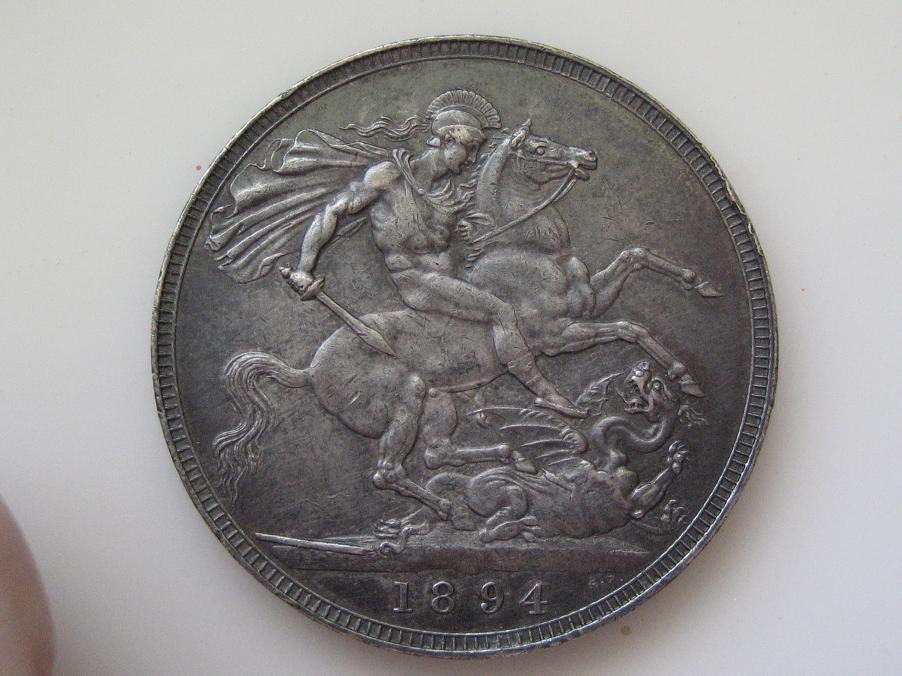 GBR1.jpg
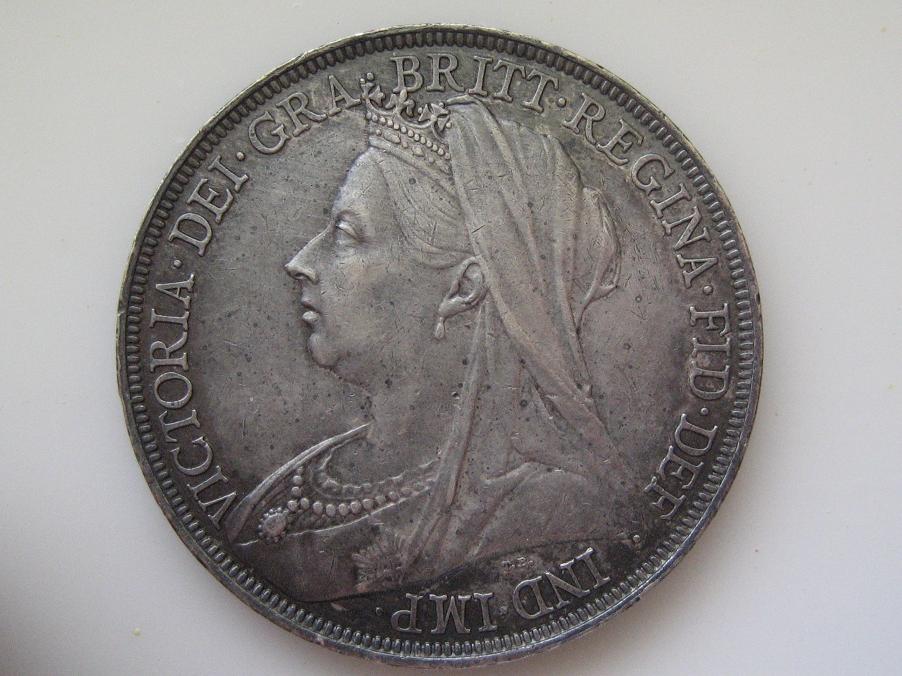 GBR2.jpg
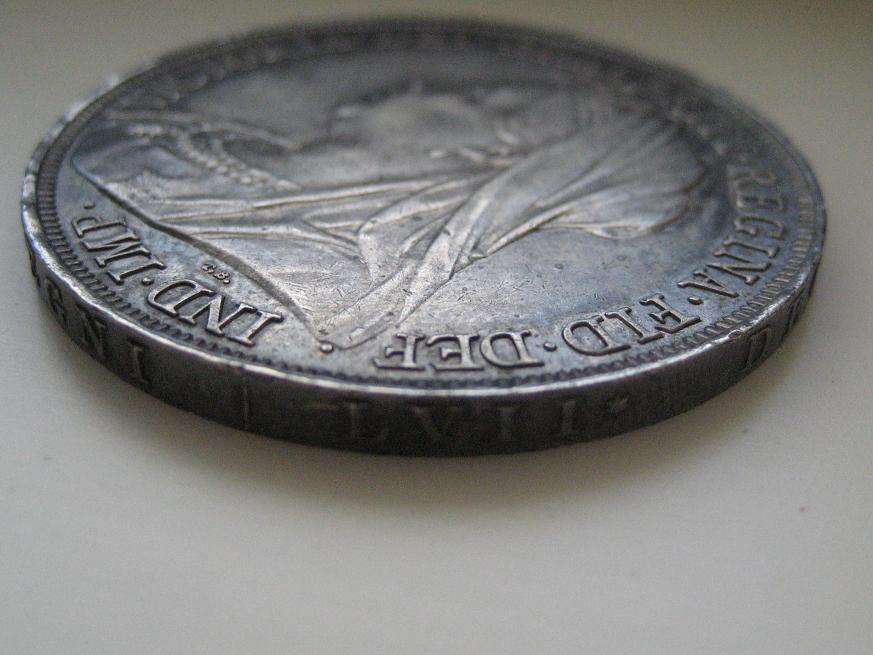 GBR3.jpg


 Posted 03/11/2009 4:46 pm


 I try all kind of lumps, even made some photos in the bathroom... Sunlight is the best.

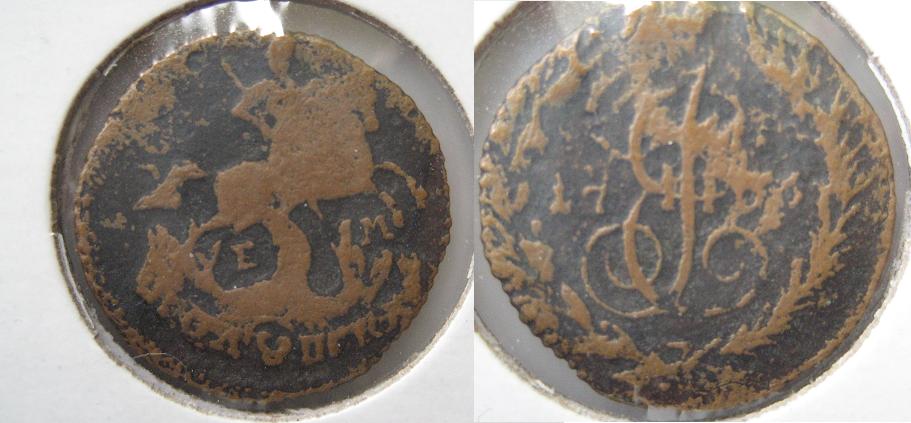 StGeorge002.jpg
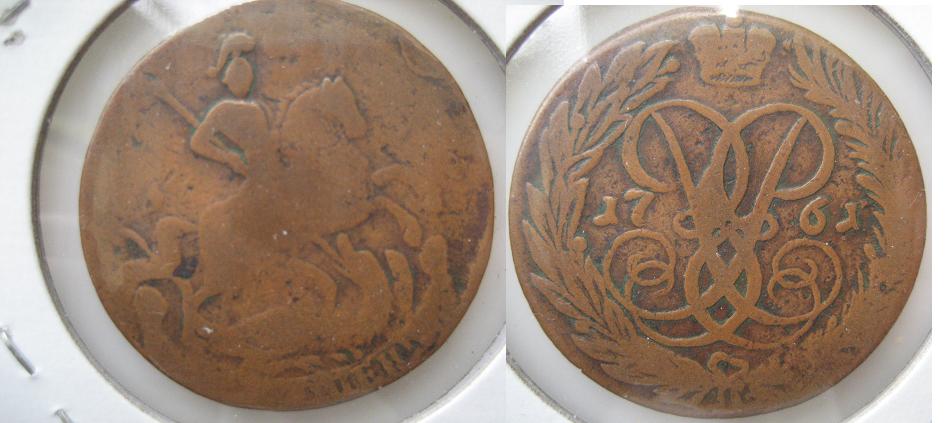 StGeorge001.jpg
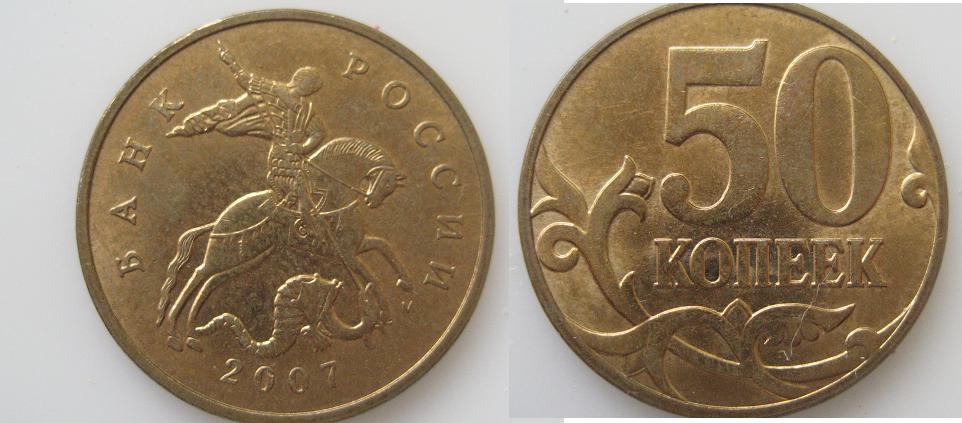 StGeorge004.jpg
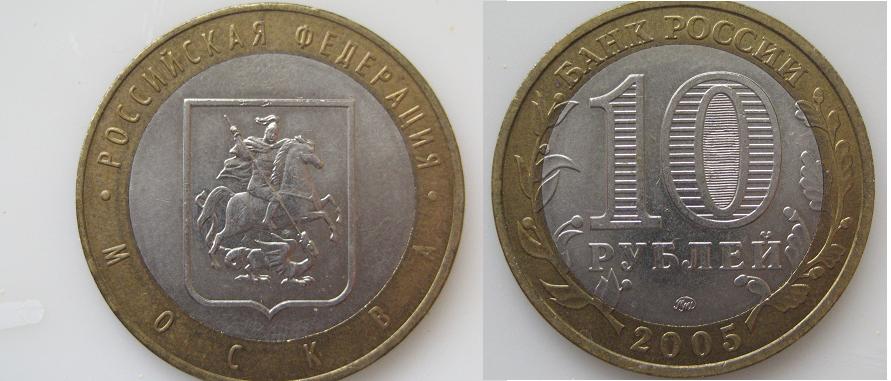 StGeorge003.jpg


